Warhammer 40.000 Killzone: Sector Mechanicus
As supplements for the Kill Team Starter kit Games Workshop released a series of specific Killzone Environments. These kits are bundles of already available terrain kits with added content for the Kill Team rule set at greatly reduced price.
In this unboxing and build review, I continue with the terrain kits after the Sector Imperialis Basilicanum and move forward to the Killzone: Sector Mechanicus.

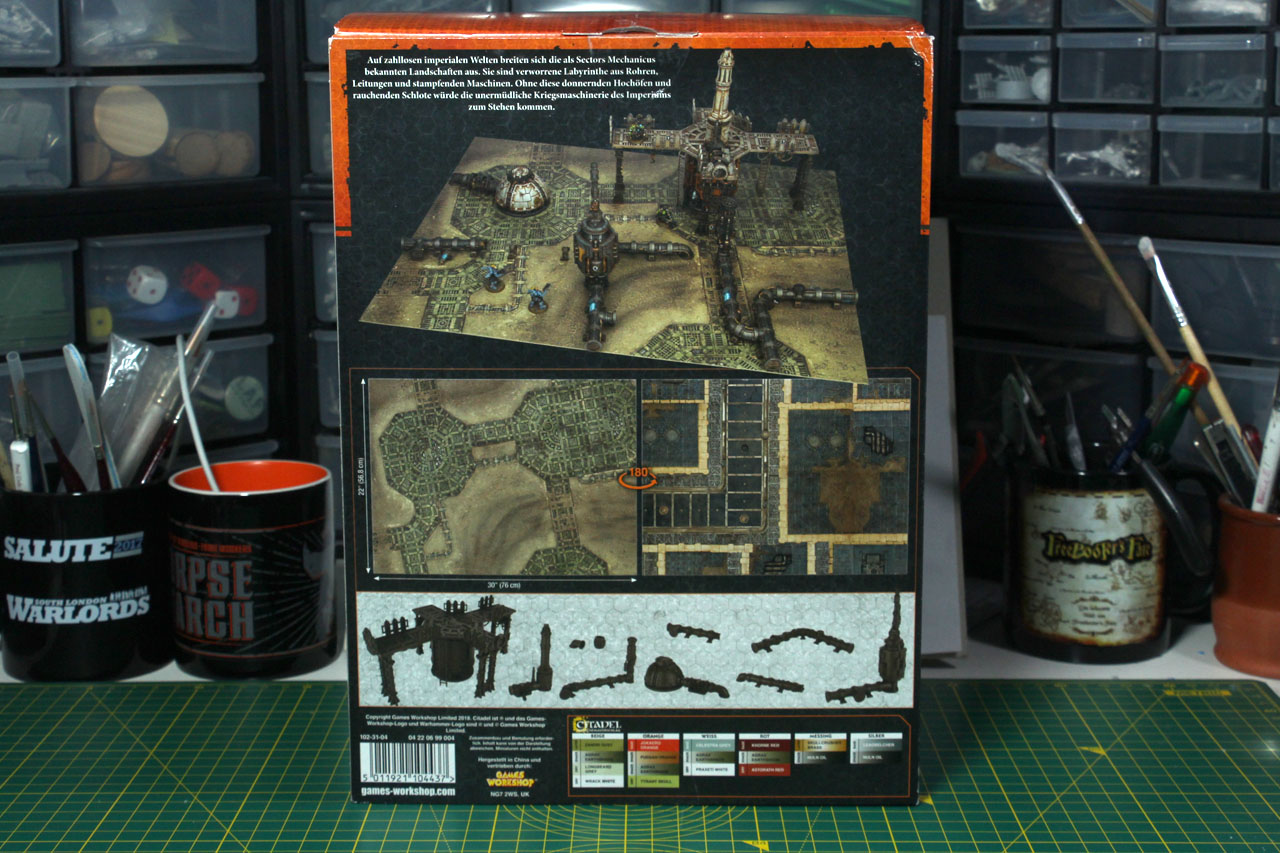
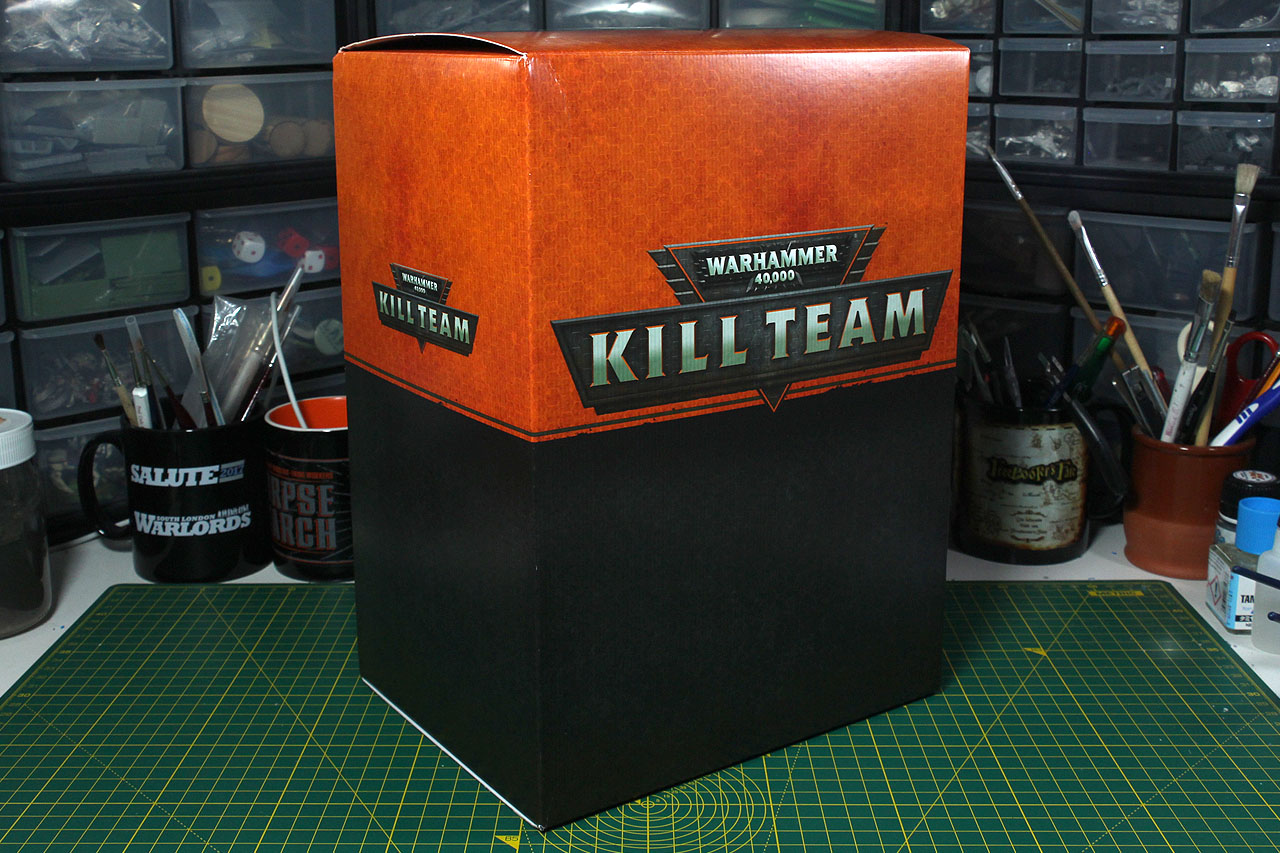
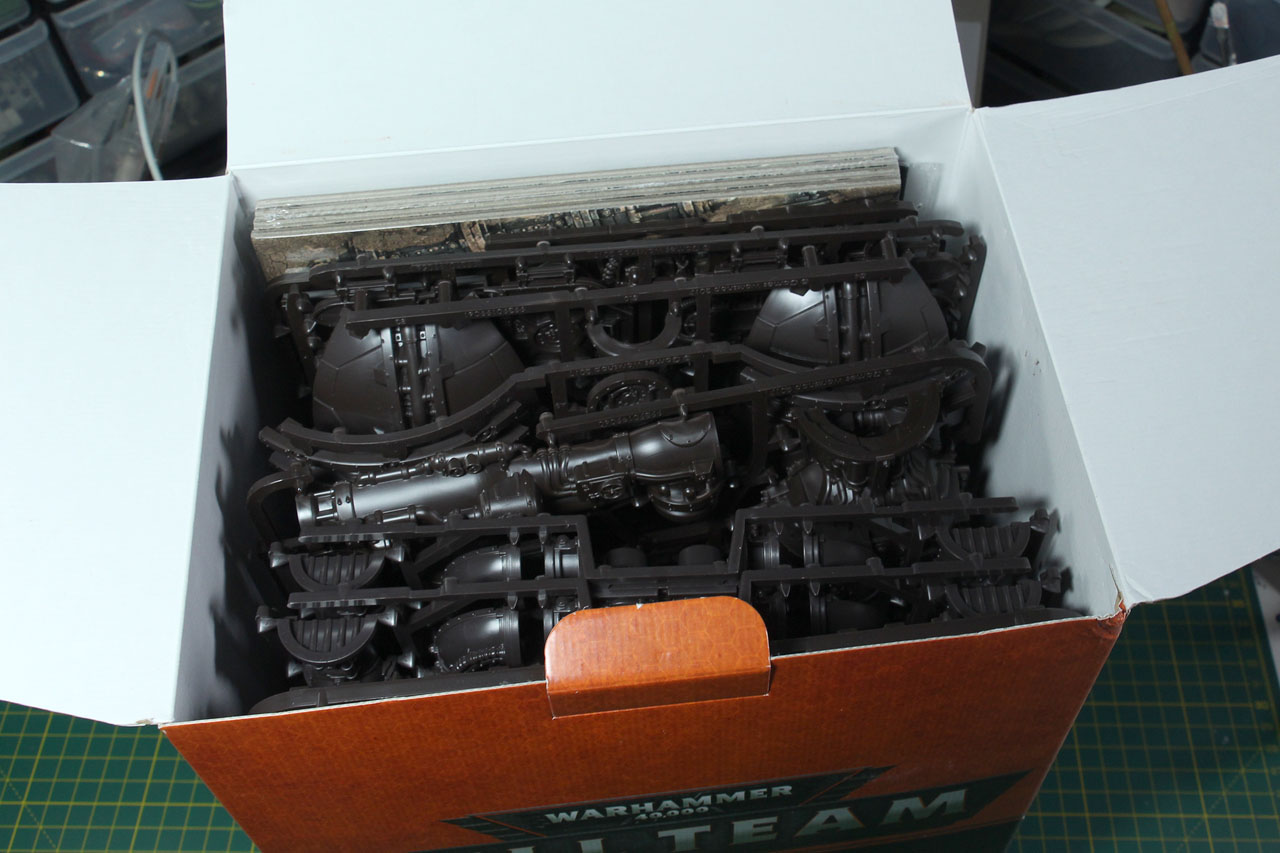
For 65 EUR we receive a huge and heavy box, with a lot (and I mean it, a lot!) of sprues. I had to add the comparison with the Primaris Space Marine so you get a feeling for that huge stack of frames you get for that money. But that is not all, as mentioned above, this is not simply a discounted terrain bundle, this is a Kill Team Killzone supplement, covering a double sided thick card board gaming mat and additional gaming material, like an environment chart for the Sector Mechanicus, 4 new scenarios using the terrain from this kit and 12 new tactic cards.

Warlord Games – Pike & Shotte Landsknecht with Zweihänders
There is a third plastic kit for the Landsknechts available, or at least hybrid kit - the Landsknecht with Zweihänders. Along with the Pikemen and the Missile Troops, there are now plastic Doppelsöldner and soldiers with metal halberds around.
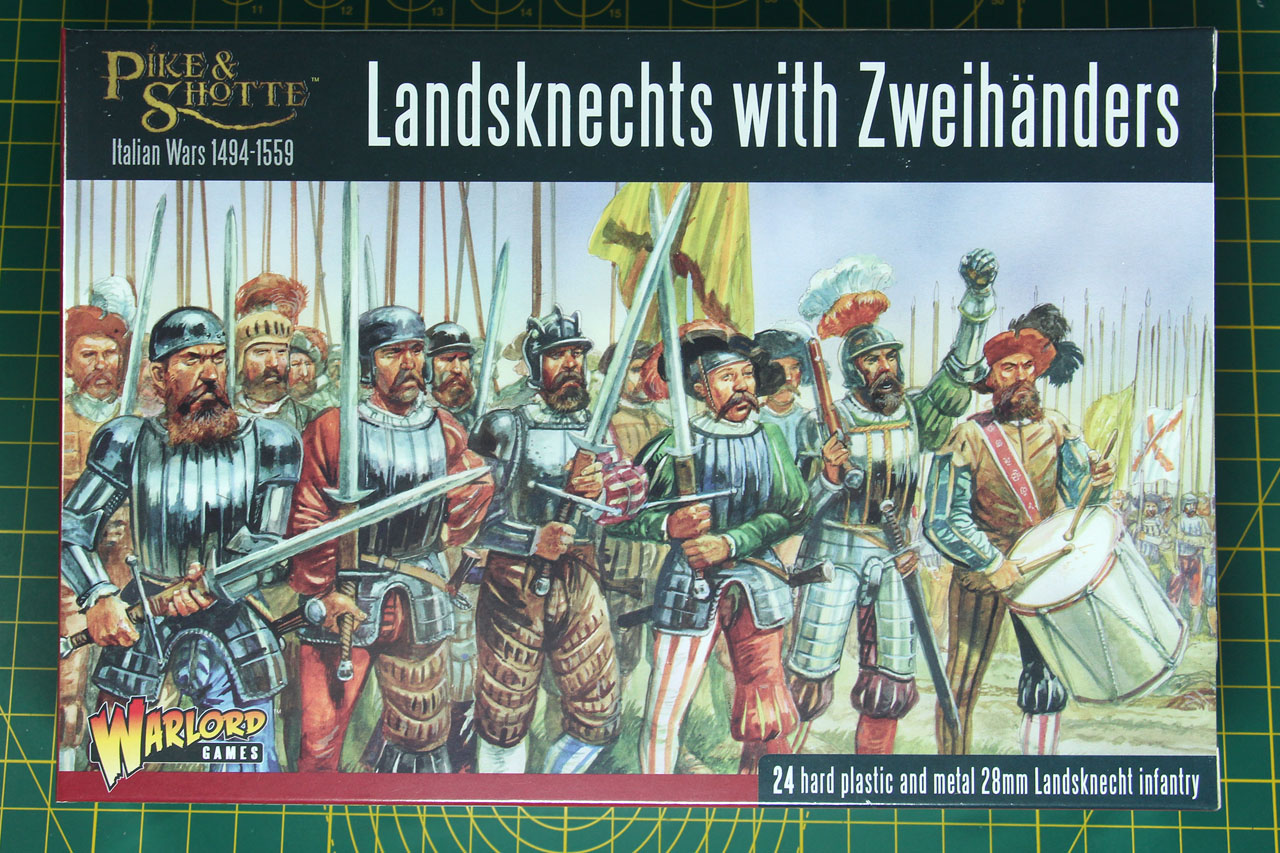
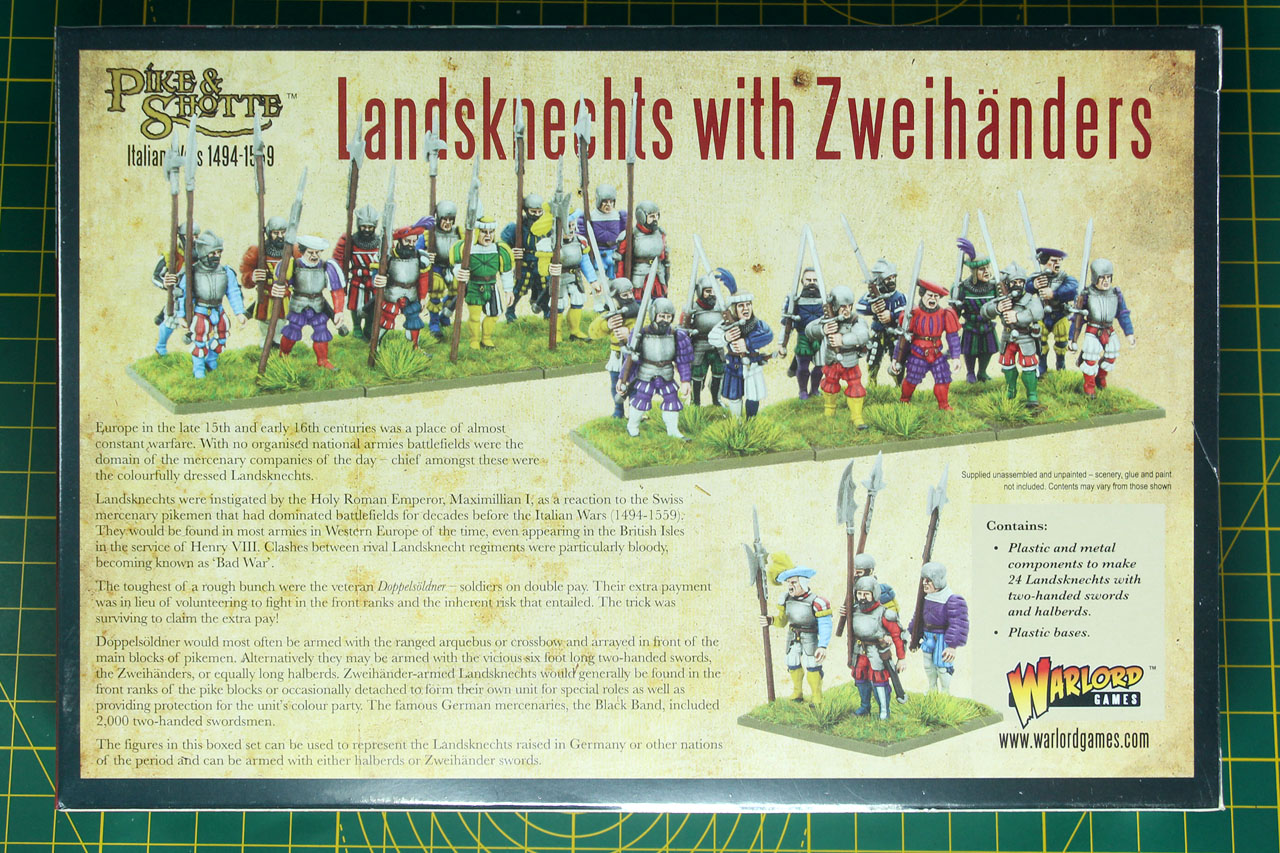
Same as in the Missile Troop review - I've covered the background of this range and the change from Pro Gloria to Warlord Games, along with the Indiegogo campaign in the Landsknecht Pikemen review, I won't bring that up again, but will give a brief introduction on the Landsknechts themselves.
Warlord Games – Pike & Shotte Landsknecht Missile Troops
In addition to the Landsknecht Pikemen, that were released last year, Warlord Games added two further kits based the puffy-sleeved soldiers to the Pike & Shotte range. I'll cover both boxed sets on here this week, beginning with the review of the Landsknecht Missile Troops.
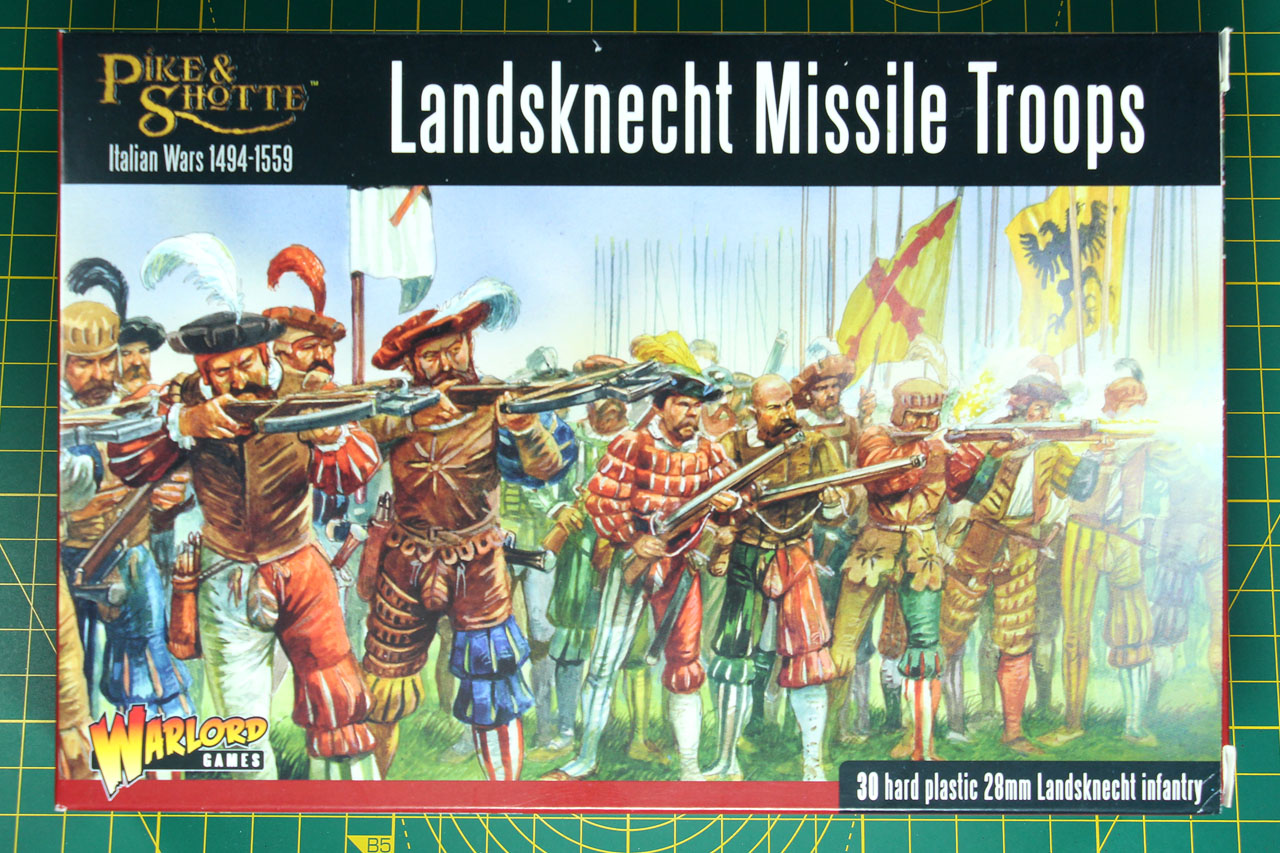
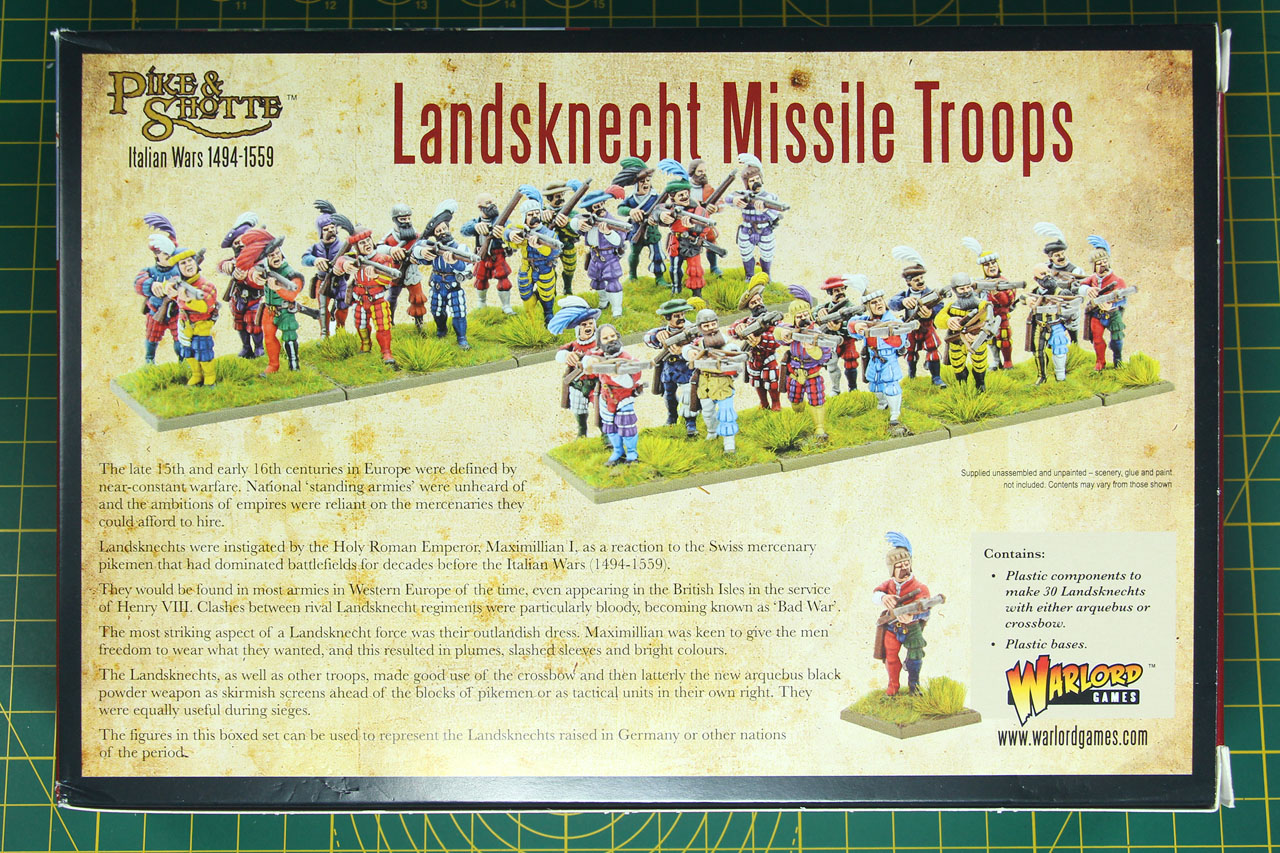
As I've covered the background of this range and the change from Pro Gloria to Warlord Games, along with the Indiegogo campaign in the Landsknecht Pikemen review, I won't bring that up again, but will give a brief introduction on the Landsknechts themselves.
The Landsknecht were dominantly German mercenaries, instigated by the Holy Roman Empire under Maximillian I, but fought for other European rulers as well. They were involved in battles in the 15th and 16th century, in wars like the Italian Wars. The idea of the landsknecht was to have an armed service similar to the Swiss mercenary pikemen. As they were a mercenary force and the orders by Maximillian were to give the troops the freedom to wear what they wanted, it resulted in very colourful bright colours, with slashed sleeves and plumes. The fancier, the better.
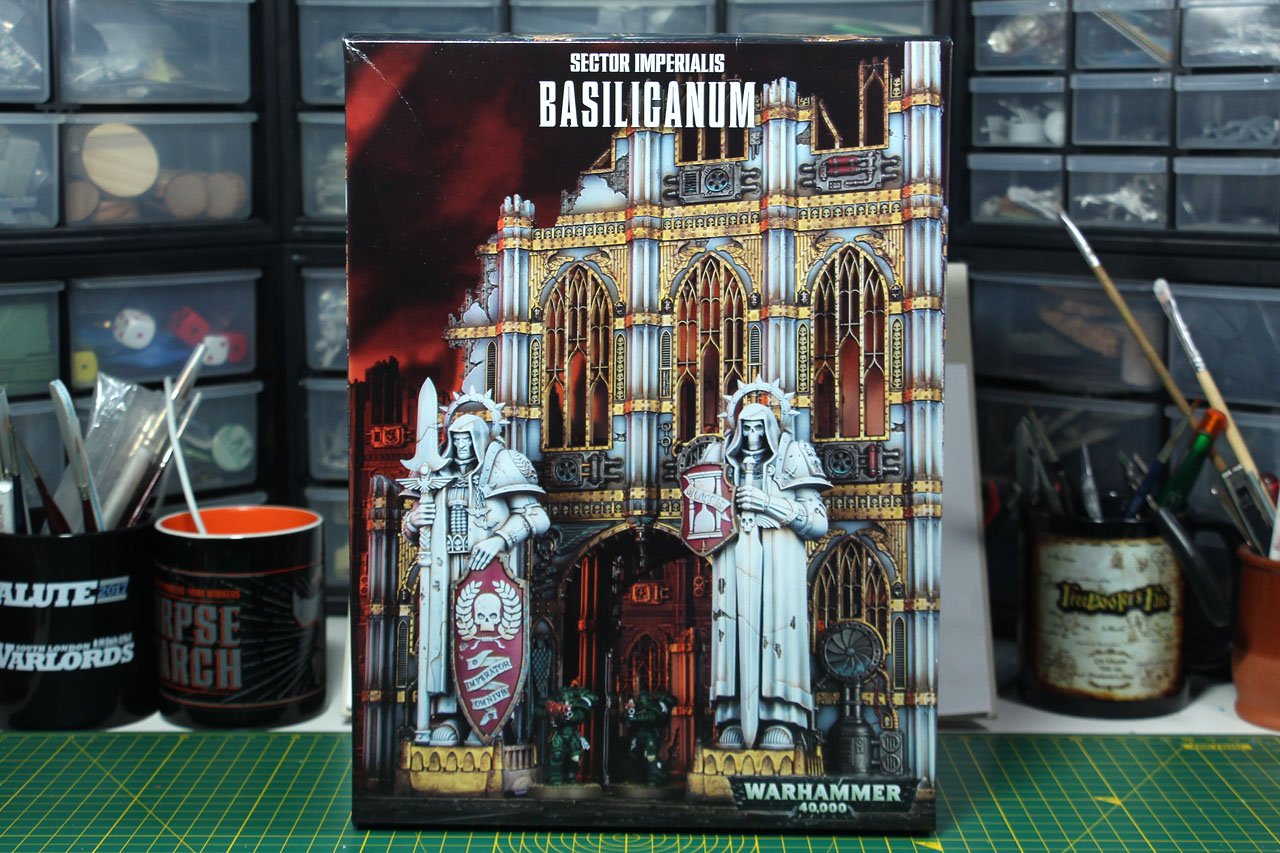
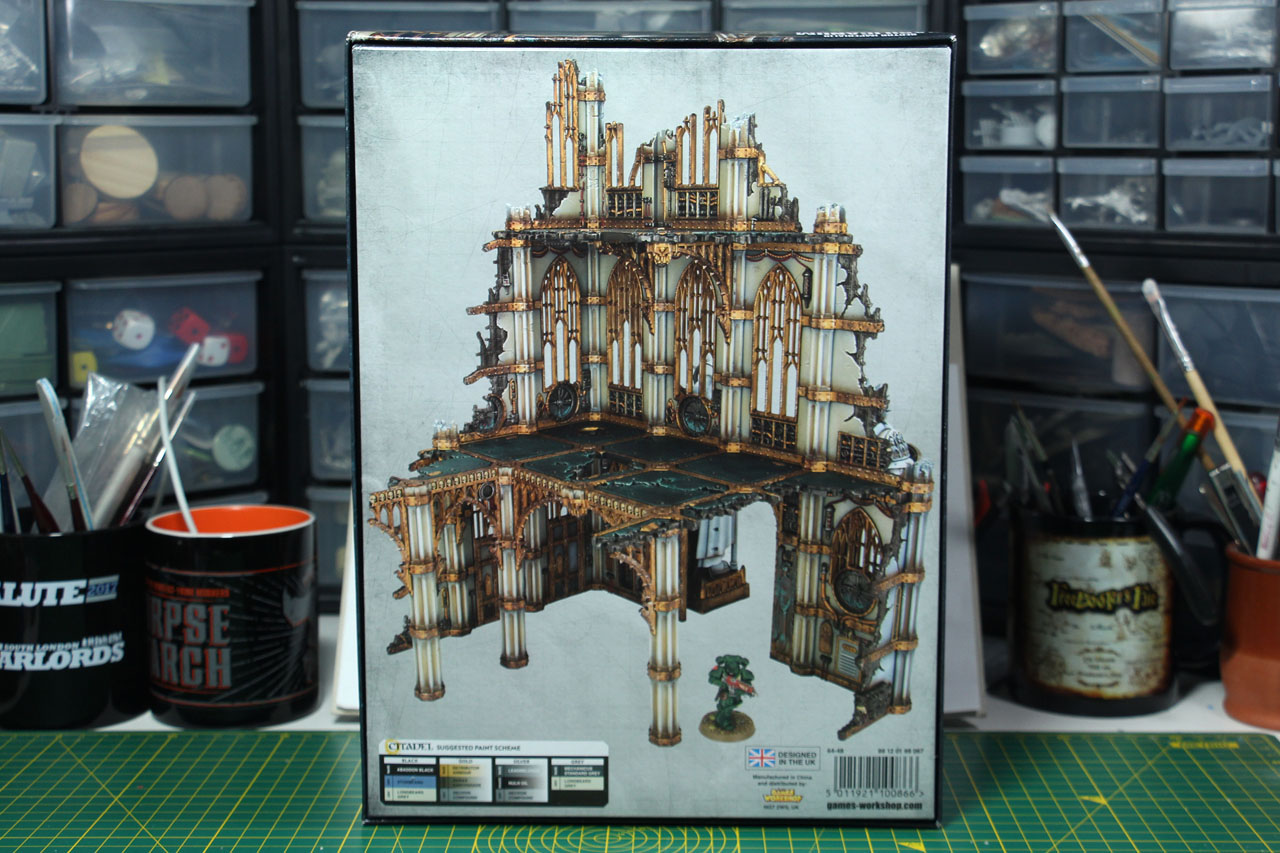
Warhammer 40.000 Sector Imperialis Basilicanum
In this really long and big review - we're talking 118 pictures (usually only event coverage reaches those numbers) - I want to share with you my building of the Sector Imperialis Basilicanum that was released along the Warhammer 40.000 Kill Team release in July 2018.
Usually Games Workshop releases the terrain novelties around Christmas, as they speak to a broad audience of players, not only those who play specific armies. But this extensive range accompanies the entry level skirmish set up of Kill Team in the World of Warhammer 40.000. There are different sizes of Sector Imperialis Ruins available, the small Ruins set for 30 EUR, the Sector Administratum for 40 EUR, the larger Sanctum for 60 EUR and the biggest kit of the range, the Sector Imperialis Basilicanum for 80 EUR that we're going to unbox and build today.
Converting Winter Germans
I've covered the review on the German infantry in winter gear a couple of days ago and already opened up on the possibilities to convert them, by adding parts from other sprues and kits. Due to the way the miniatures in the Warlord Games kits are cut, it is quite easy to use parts from other sets within the range. With the Winter Germans two of the most interesting kits to swap parts with are the Soviet Infantry Winter and German Grenadiers.
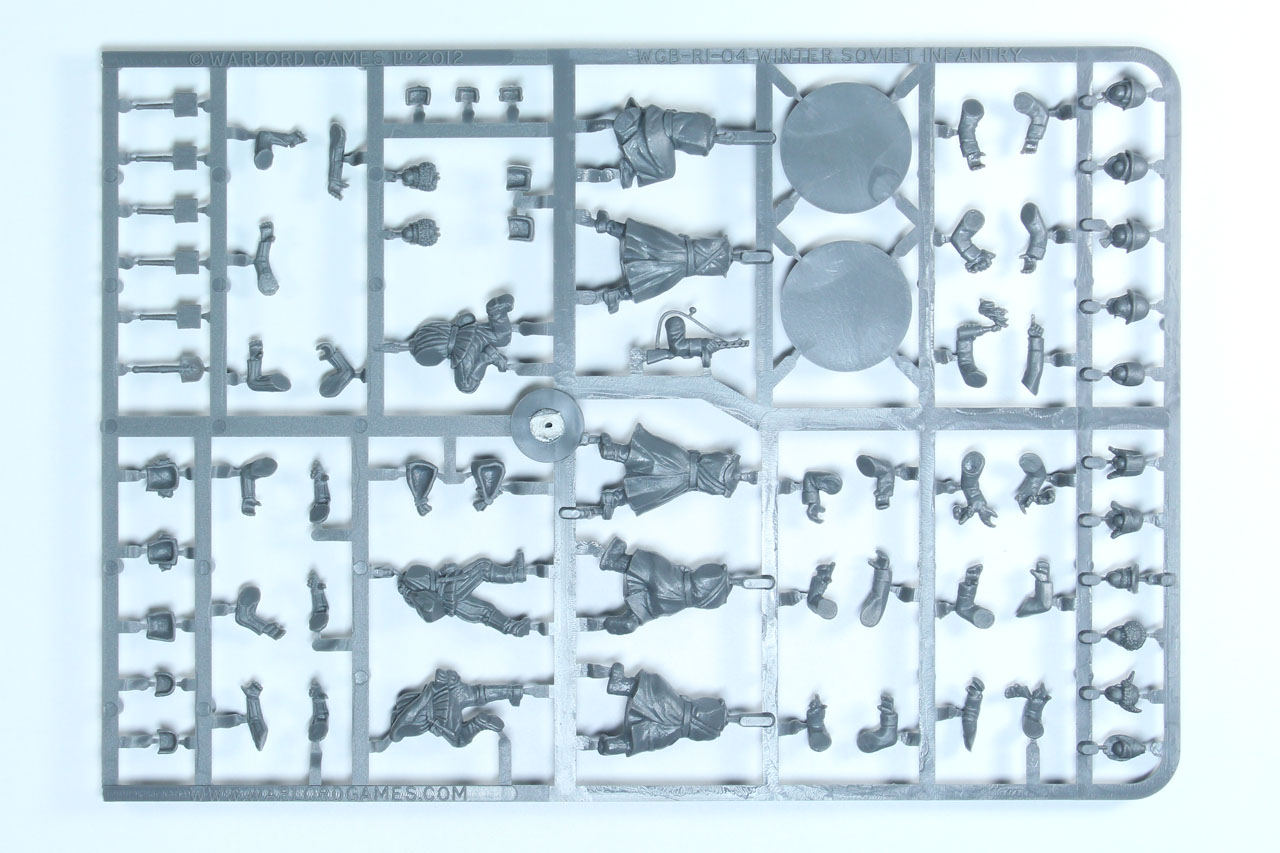
Before the Winter Germans were released in April, a couple of people used the bodies from the Winter Soviets and added German weaponry and heads. That is quite easy to do, as the Soviet kit is from the older design pattern, where you had open hands and separate weapons. The cloaks have a different design to the German ones, but with some backpacks and the weaponry in front of them, you barely notice or it is repurposed clothing. That works at least for Ostfront armies.
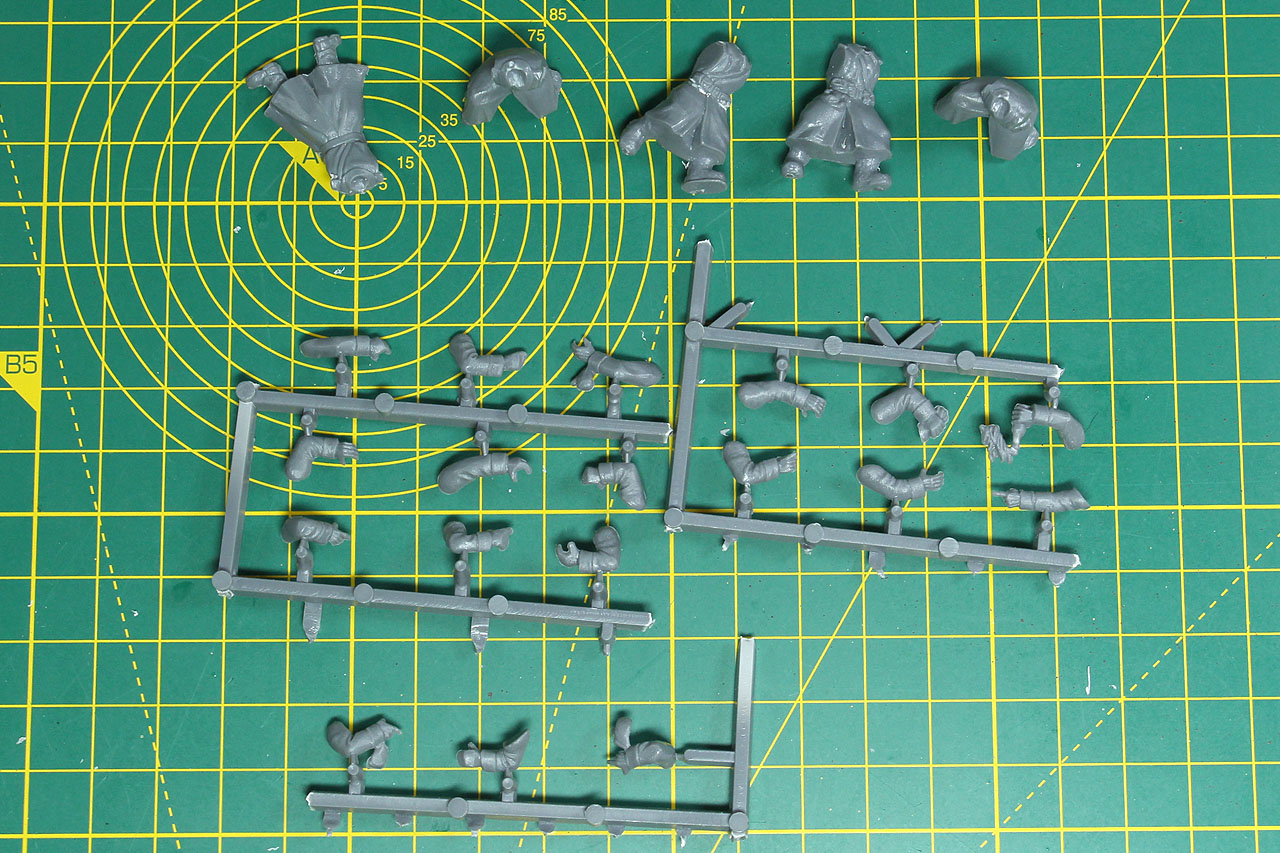
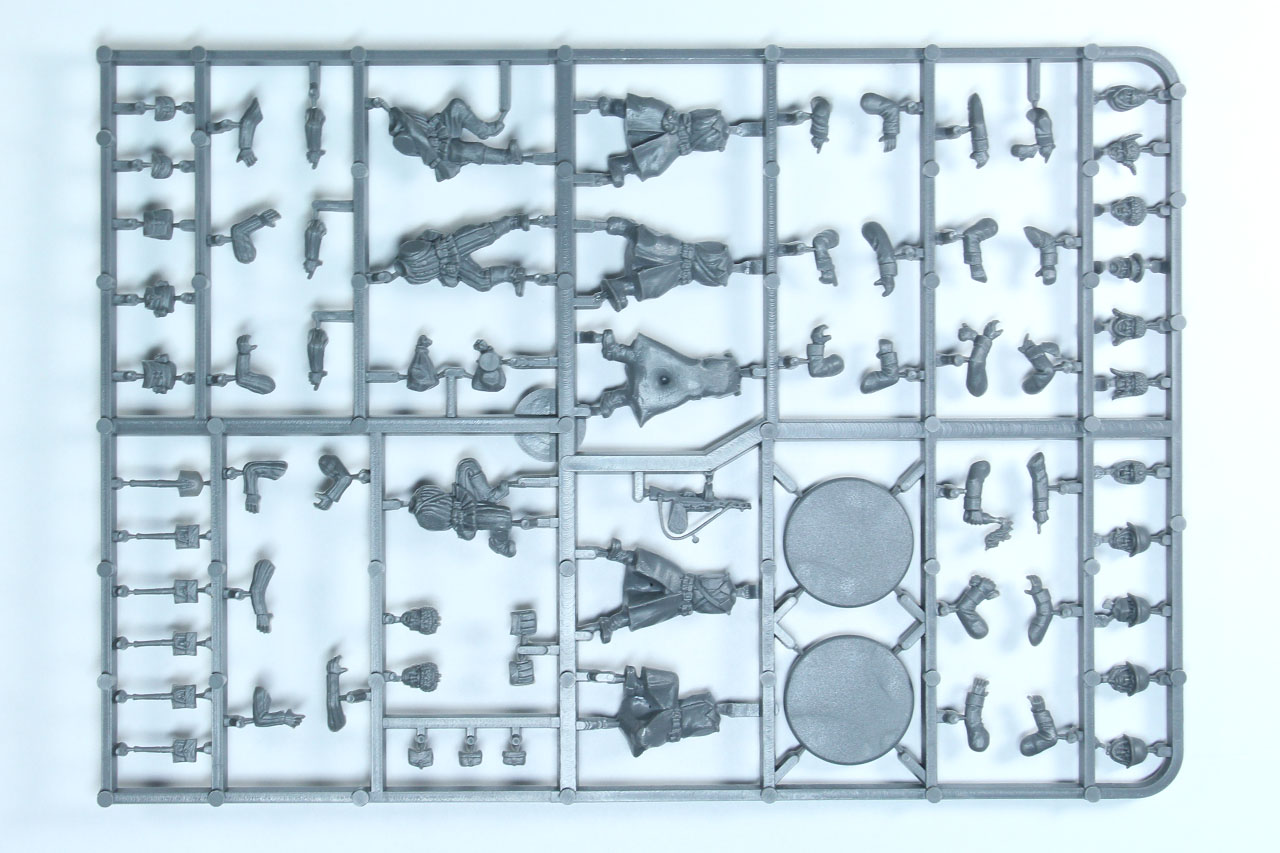
Bolt Action German Infantry (Winter)
After starting the themed week with the supplement The Road to Berlin itself, and covering several tanks as well, it is time to review the matching infantry kit of the Germans in winter gear. Last year, along with the The Battle of the Bulge, Warlord Games supplied the Germans with an extensive range of winter troops made from metal. Around the end of April, for the Salute, a new plastic kit for the "Winter Germans" was introduced, to cover the fights on both, Western and Eastern front during the winter.
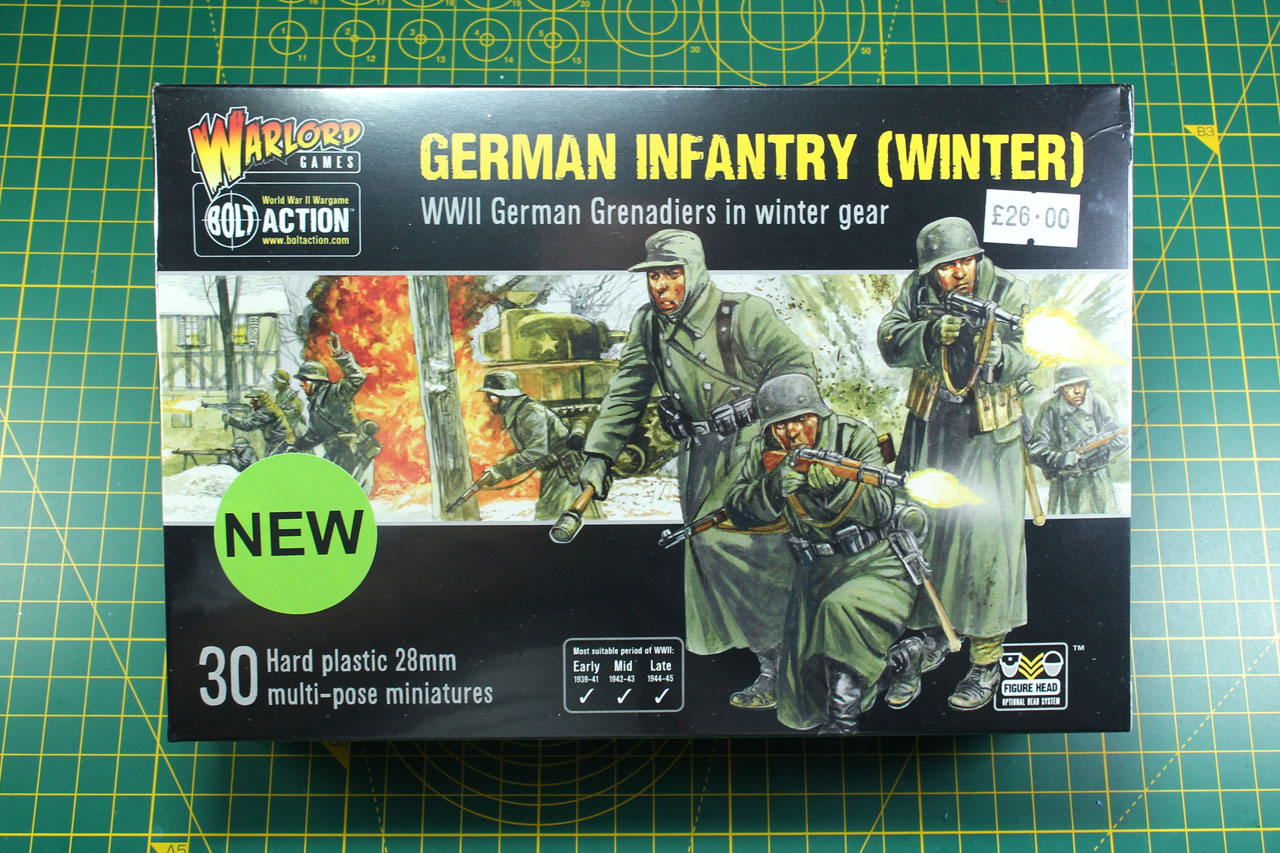
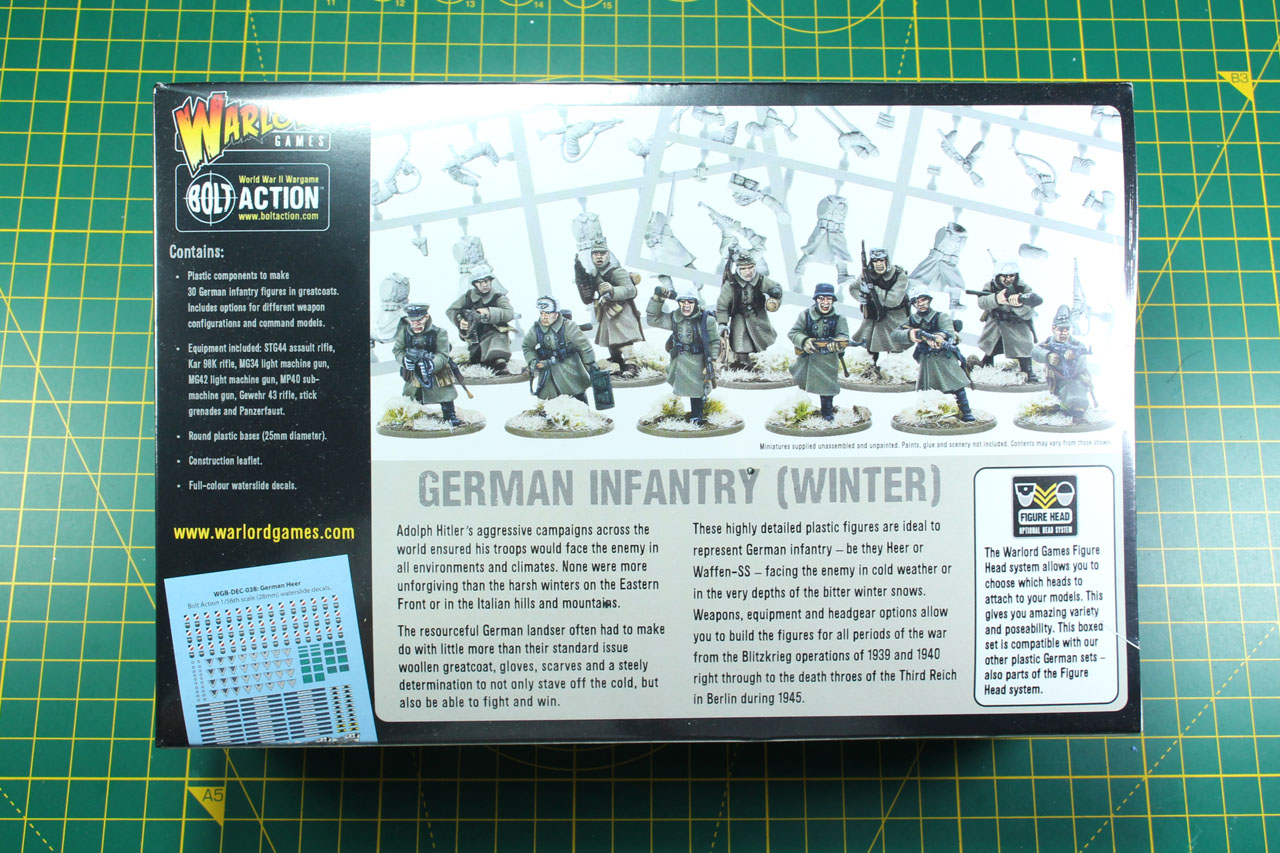
This box contains 30 miniatures in 28mm scale made from hard plastic. The price is set at 26 GBP. As you can see from the classification on the cover, these can be used for early, mid and late war settings.

Bolt Action King Tiger with Zimmerit plastic kit
The King Tiger is in a couple of variants available at Warlord Games, with the plastic kit in cooperation with Italeri being the youngest incarnation of the German heavy battle tank.
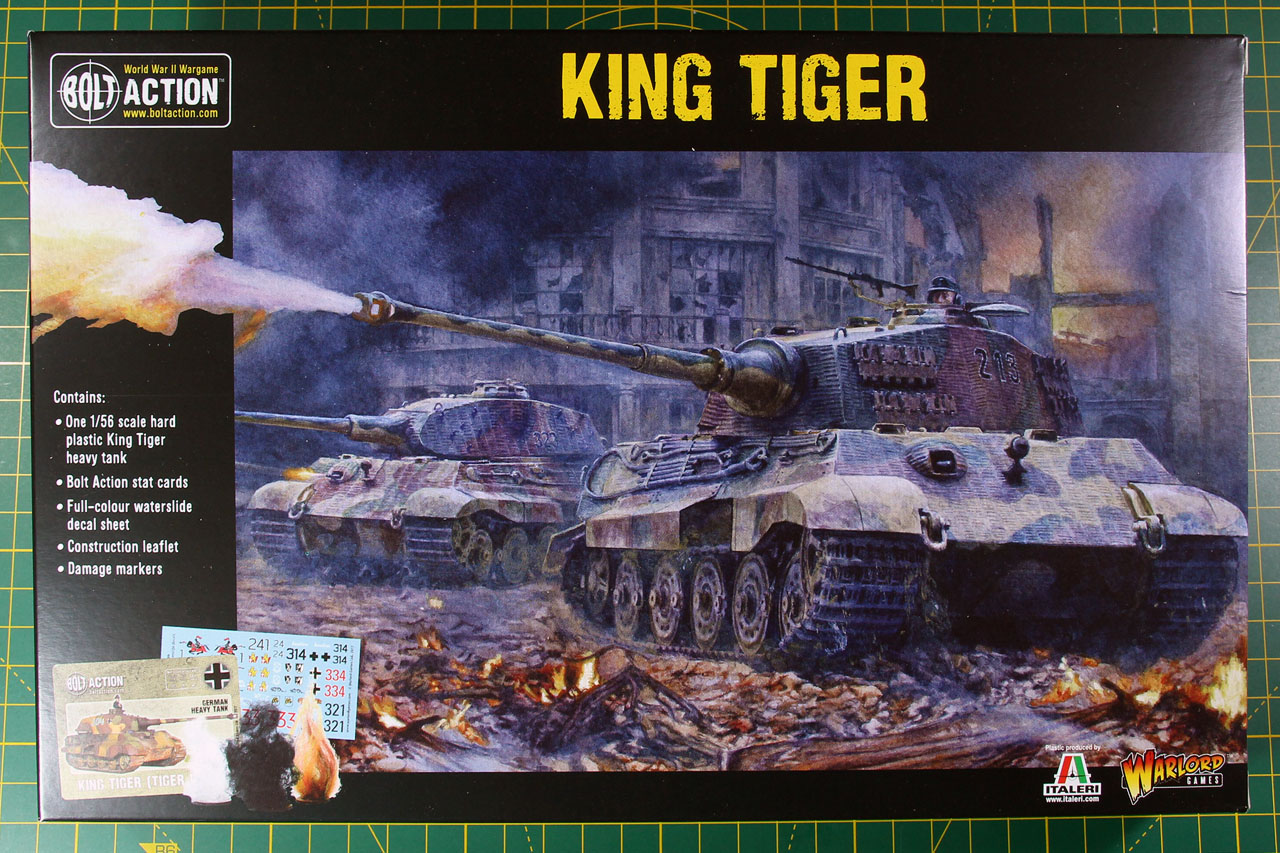
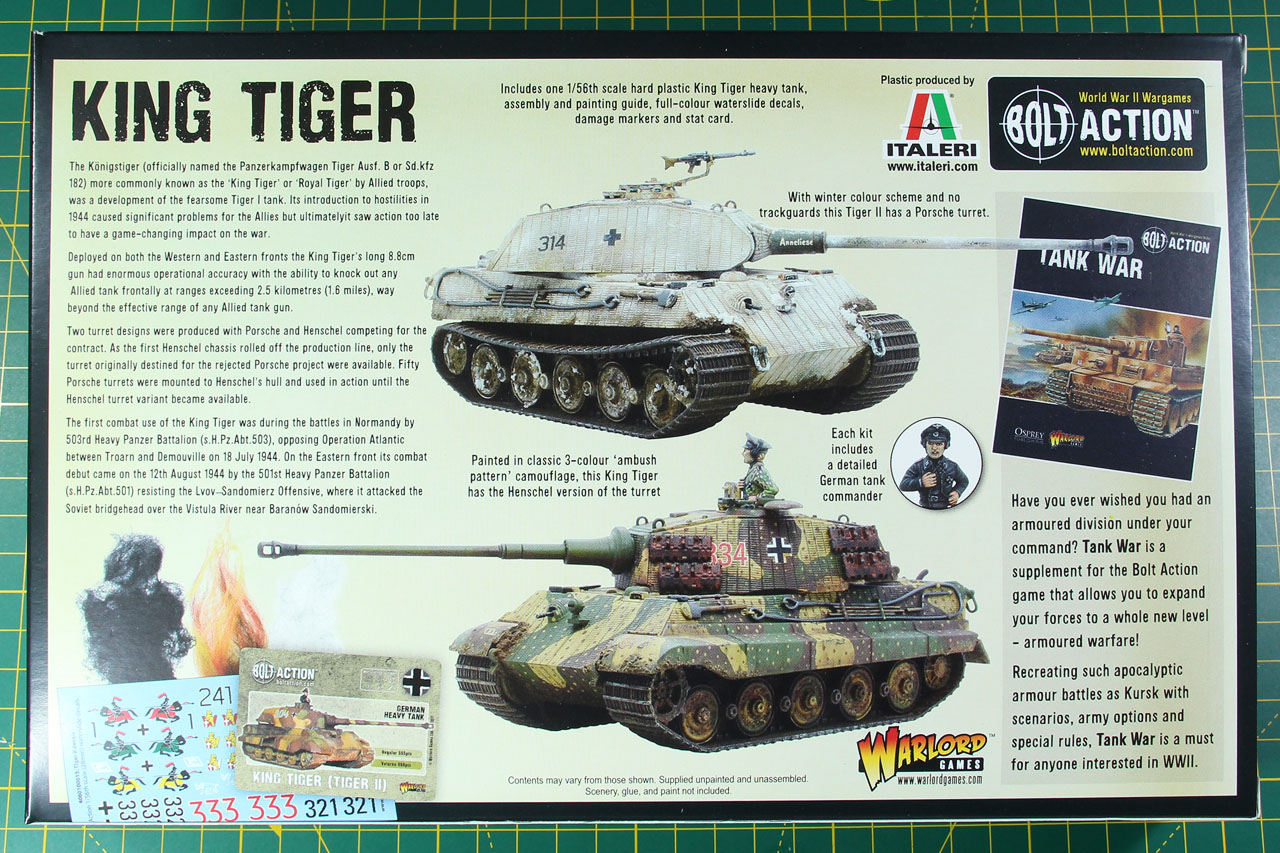
The King Tiger, or sometimes called Royal Tiger, has the internal designation of Sd.Kfz. 182 or Panzerkampfwagen VI Ausf. B Tiger II. Ausführung B and Tiger II showing it as a derivate of the Tiger I tank, but improved with sloped armour that made more use of the thick armour plates of the Tiger tanks. After initial problems with the reliability, it proved to be a remarkable battle tank towards the very last month of the war. The Tiger II was the pinnacle of the heavy tank series that actually got into production, unlike the Panzer VII Löwe or Panzer VIII Maus that never really left the drawing board (or in case of the Maus just had some mock-ups or prototypes).
Bolt Action IS-2 Heavy Tank
The heaviest plastic tank kit Warlord Games offers for the soviet forces is the IS-2 heavy tank - a perfect match for the Bolt Action campaign supplement The Road to Berlin and worthy enemy for the King Tiger. Time to honour it with a review on its own.
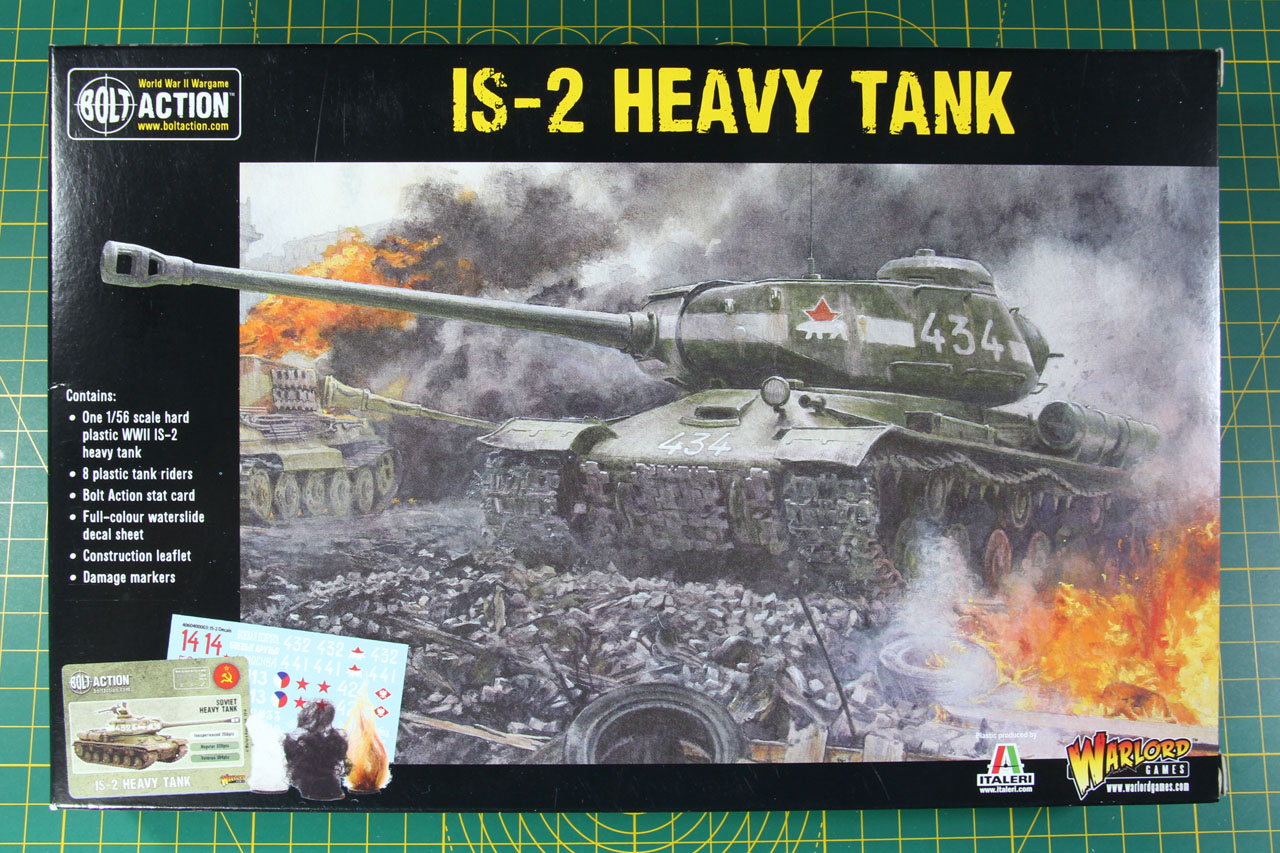
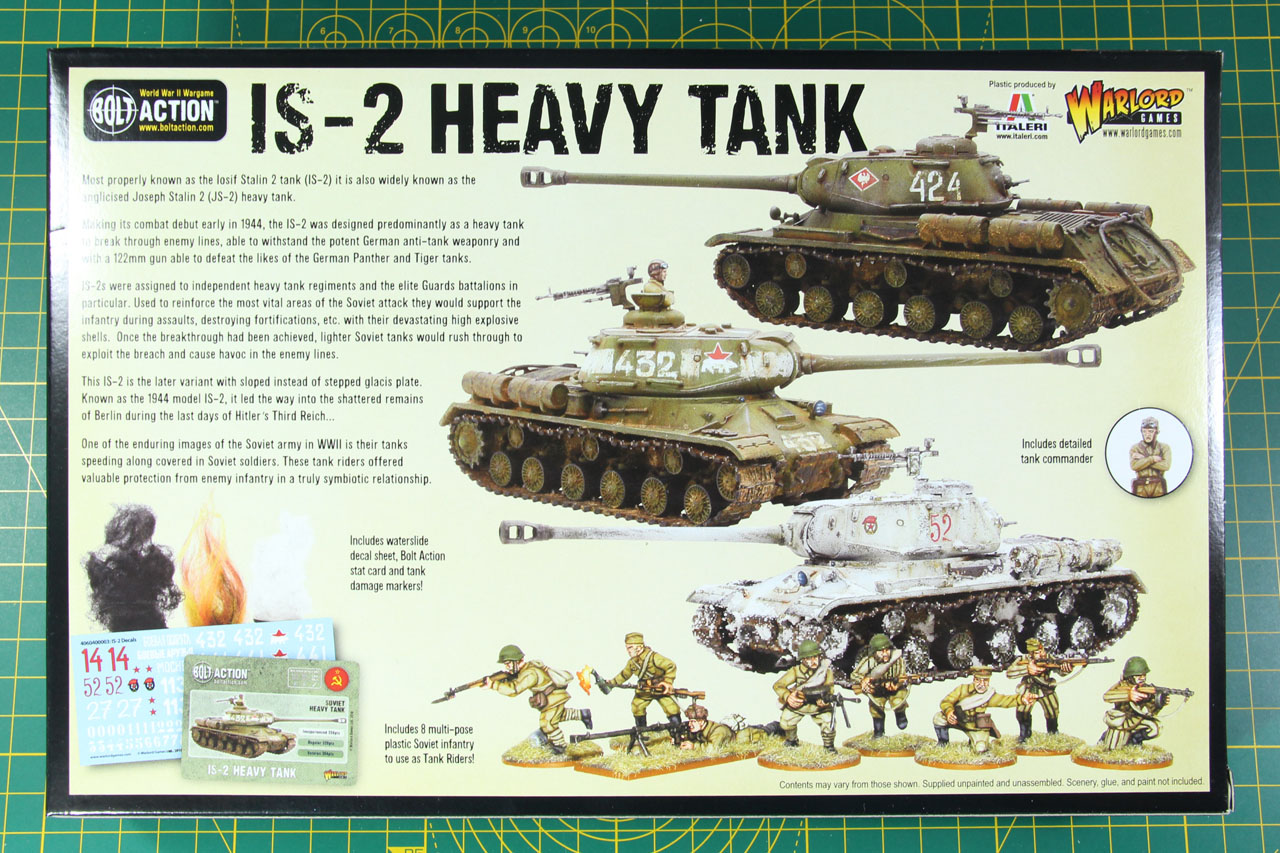
The IS-2 (Iosef Stalin, in Wnglisch often called JS-2 for Joseph Stalin) was the successor of the IS series heavy tank and counts as one of the most powerful tanks of World War 2. It was developed to withstand the German 8,8 cm guns and to counter Tiger and Panther tanks with the 122mm gun. It went into service in April 1944 and was used in the final offensive of the Red Army towards Berlin. Of the IS-2 were 3.850 units built between 1943 and 45, making it the most numerous tank of the IS series and triple the number of produced Tiger I. Besides being field by the Red Army / soviet forces, the IS-2 was part of the Polish and Czechoslovakian tank forces towards the end of the war. To the end of the war, the IS-3 was introduced as a derivative of the IS-2. IS-2s often would carry soviet soldiers into battle, offering valuable protection from enemy infantry. Warlord pays respect to this and adds a sprue of plastic infantry to this kit.
Warhammer Age of Sigmar Shattered Dominion Objectives
Usually Christmas or the turn of the year is the time for terrain with Games Workshop. But with the new Age of Sigmar edition just released there is a new set of objective markers available, the Shattered Dominion Objectives.

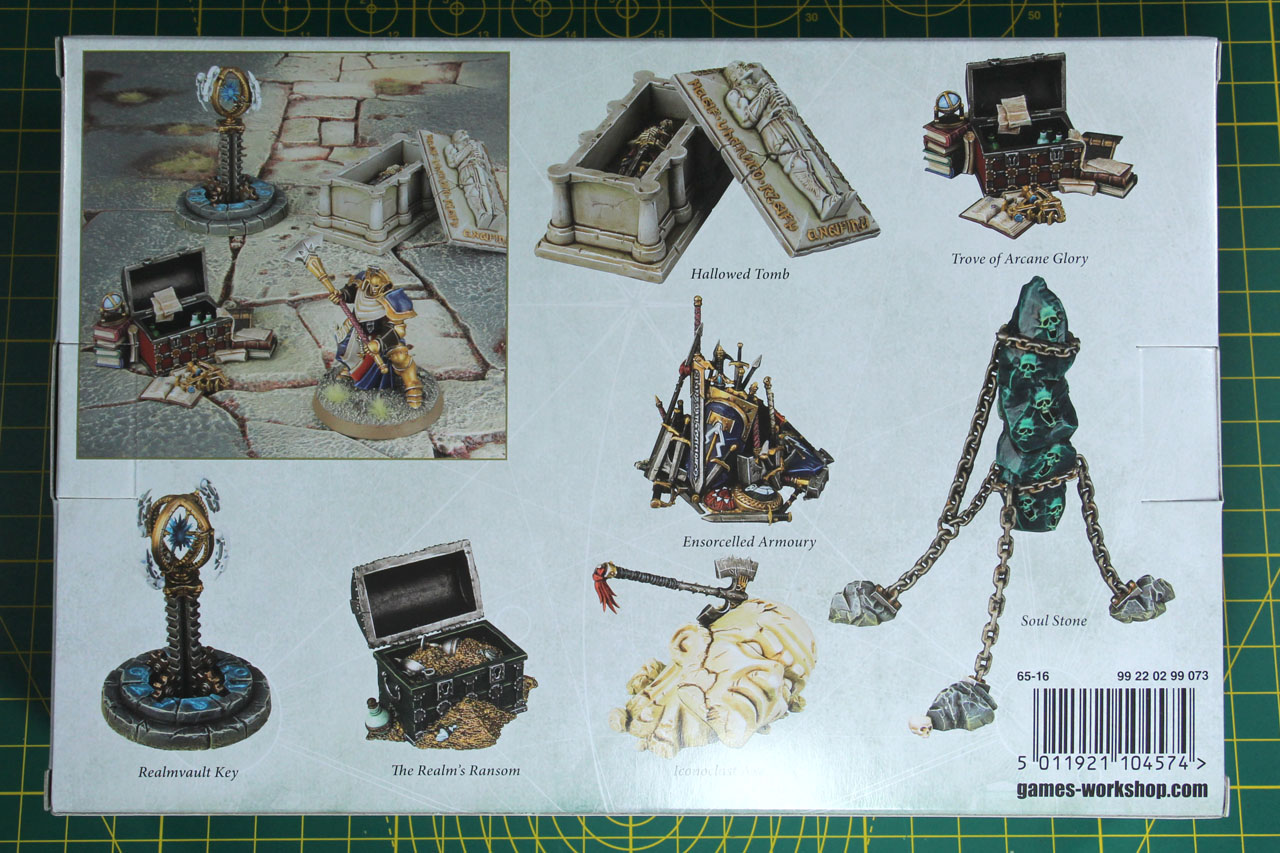
Of the new terrain sets, many have their own rules of how they affect the game play and benefit a certain faction (you remember the Shipwreck I covered earlier on this blog). Yes, this is technically terrain, but not really, they have names but no special rules (but hey, nobody is forcing you to not use your own house rules to change that). I am really interested in this - as it is a fantasy set - that will make good use with a broad variety of fantasy rules. So let's see in this review what is in the box.
Oathmark Elf Infantry
Further plastic kits were introduced for the new Oathmark - Battles of the Lost Age system by Osprey Games and North Star Miniatures, among them new Elven.

I was able to get my hands on a single sprue for this review, of which 6 are in the complete box with 30 Miniatures in 28mm scale. The price is set at 25 GBP. As you can see, each sprue contains options for spearmen, regular soldiers with hand weapon and shield or archers. And additional pieces for standard bearers and officers. In the box are 30 plastic 25mm square bases by Renedra as well.
Like us on Facebook

Follow me on Instagram

Categories
- events (201)
- fantasy (589)
- General (160)
- historical (627)
- Little Big Adventures (4)
- offtopic (5)
- reviews (531)
- science fiction (664)
- showroom (101)
- terrain (114)
- work-in-progress (413)