Asmodee Event Exclusive at SPIEL 2026 for Star Wars Legion and Marvel Crisis Protocol
Two Convention Exclusives at SPIEL 2026: Concept Boba Fett and Mephisto
Asmodee is bringing two of this year's Atomic Mass Games convention exclusives to SPIEL in Essen, and for once you don't have to sprint to the booth on Thursday morning to get one. Both miniatures can be reserved in advance through a ticket system, so the usual first come, first served scramble is off the table.
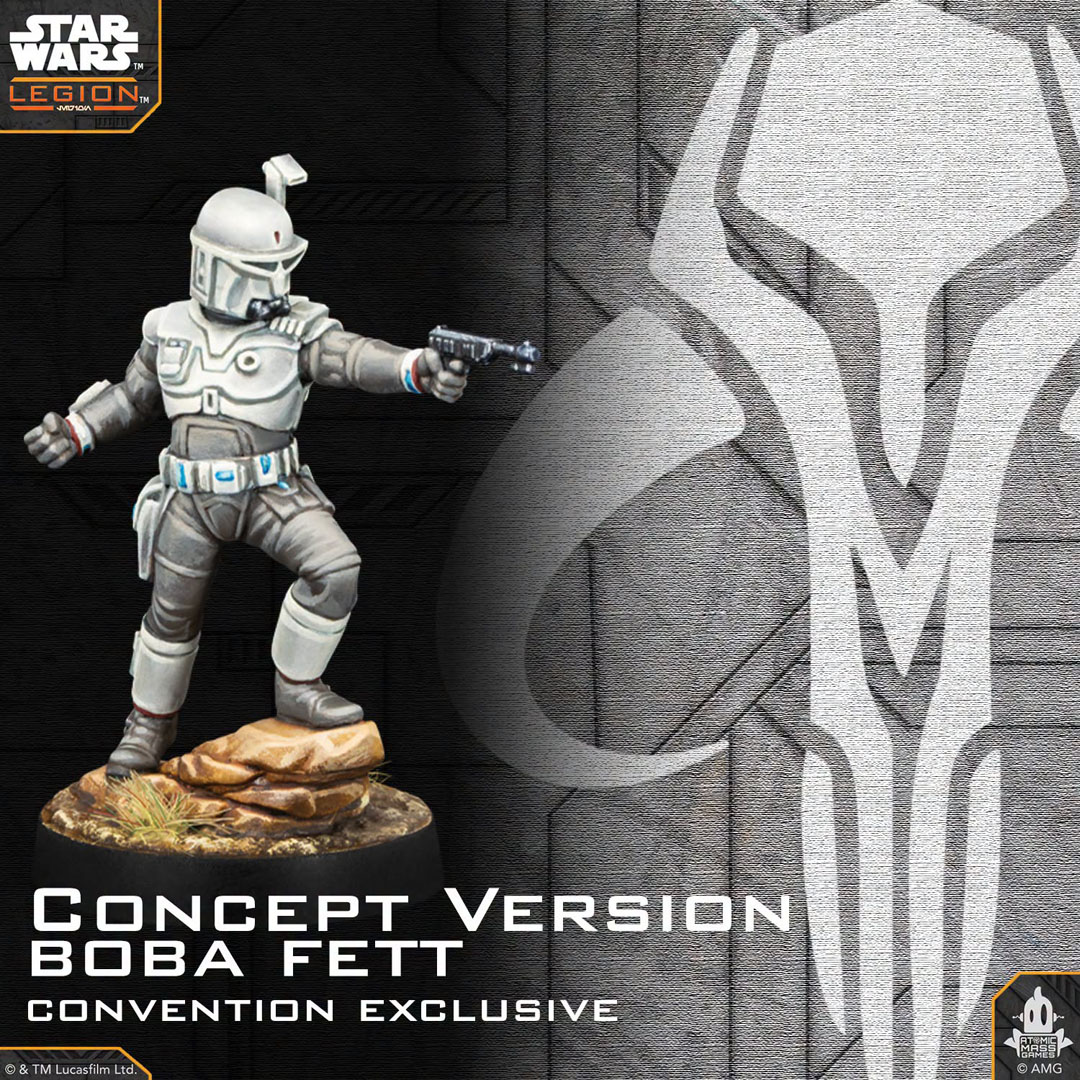
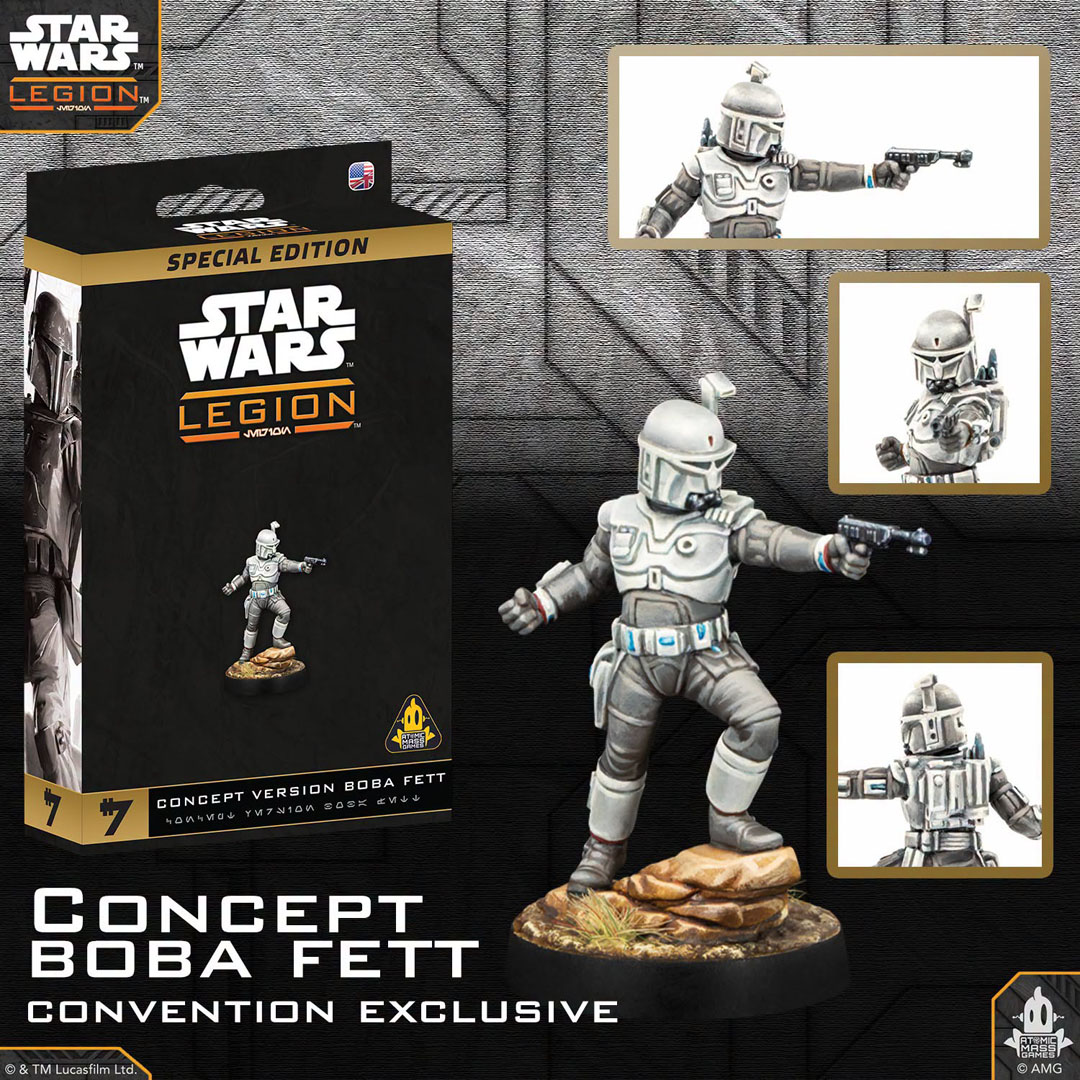
Star Wars: Legion, Concept Boba Fett
Before Boba Fett became the battered green bounty hunter we know from The Empire Strikes Back, he was a very different design. This exclusive recreates Fett as he appeared in the original concept art for Empire Strikes Back, in the all-white look of the early design. The resin miniature comes with two helmet options, showing how the design evolved from concept to screen, plus foil game cards. It is meant as a stand-in for the regular Boba Fett in your games, so there are no tokens in the box. Price: 40 EUR.
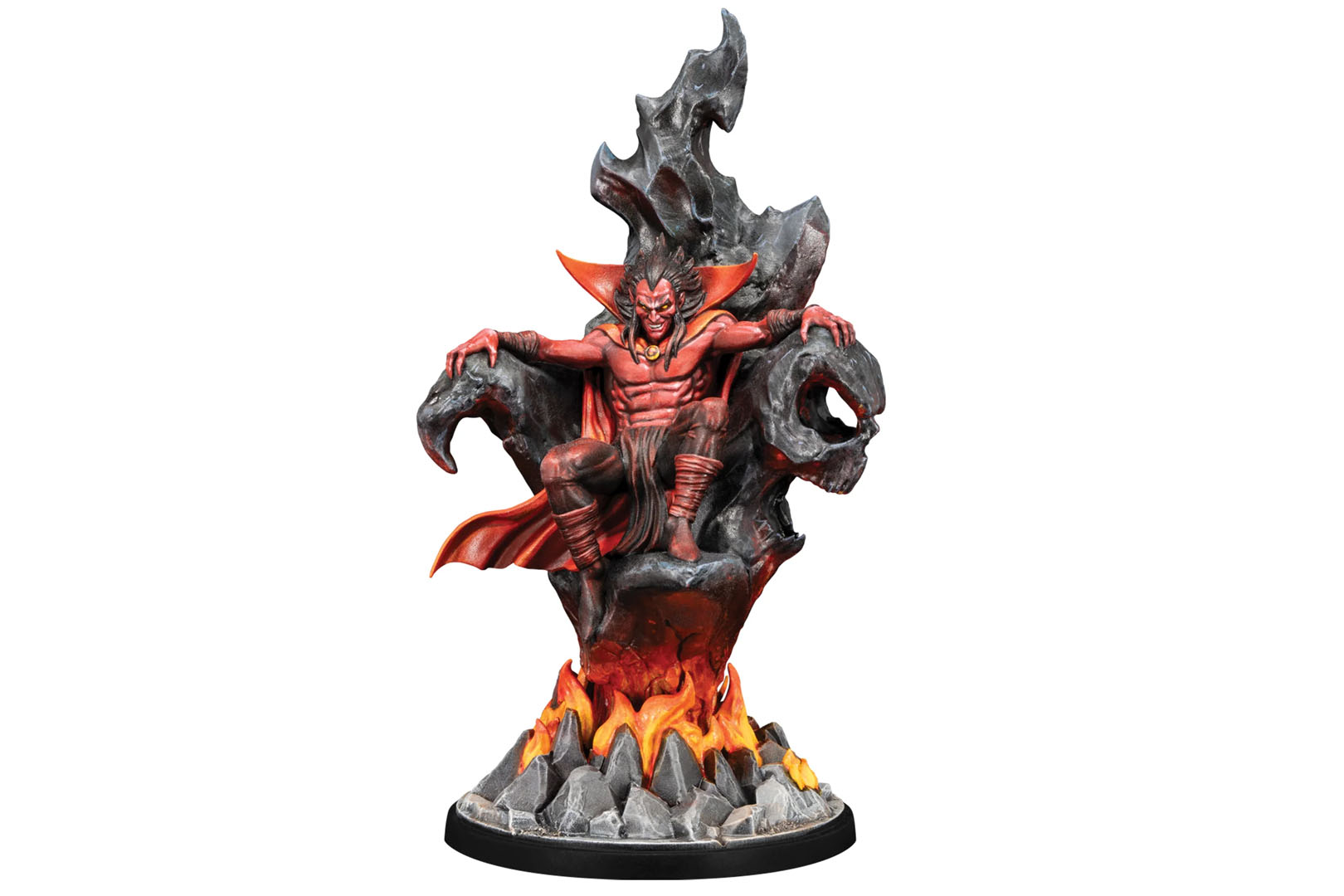
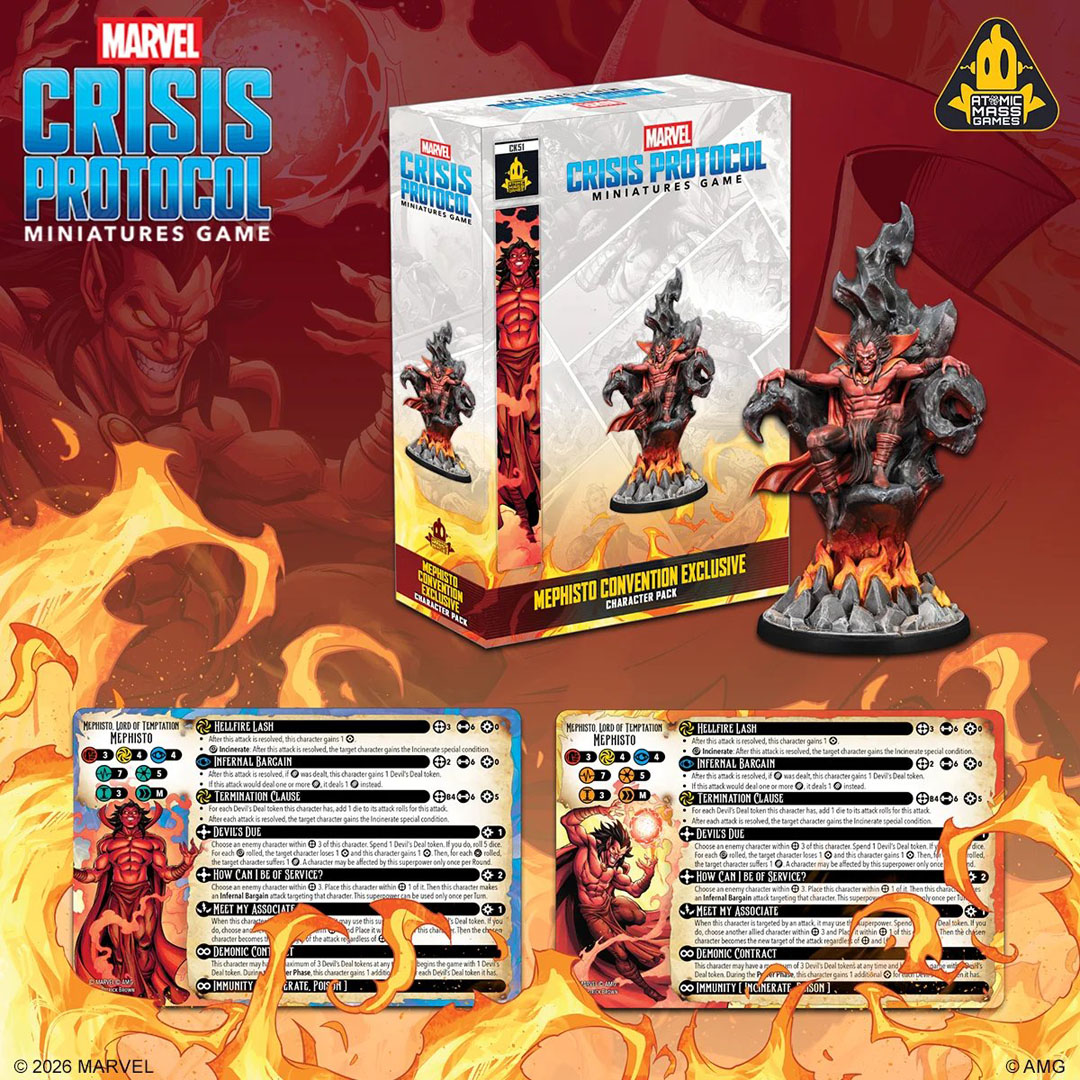
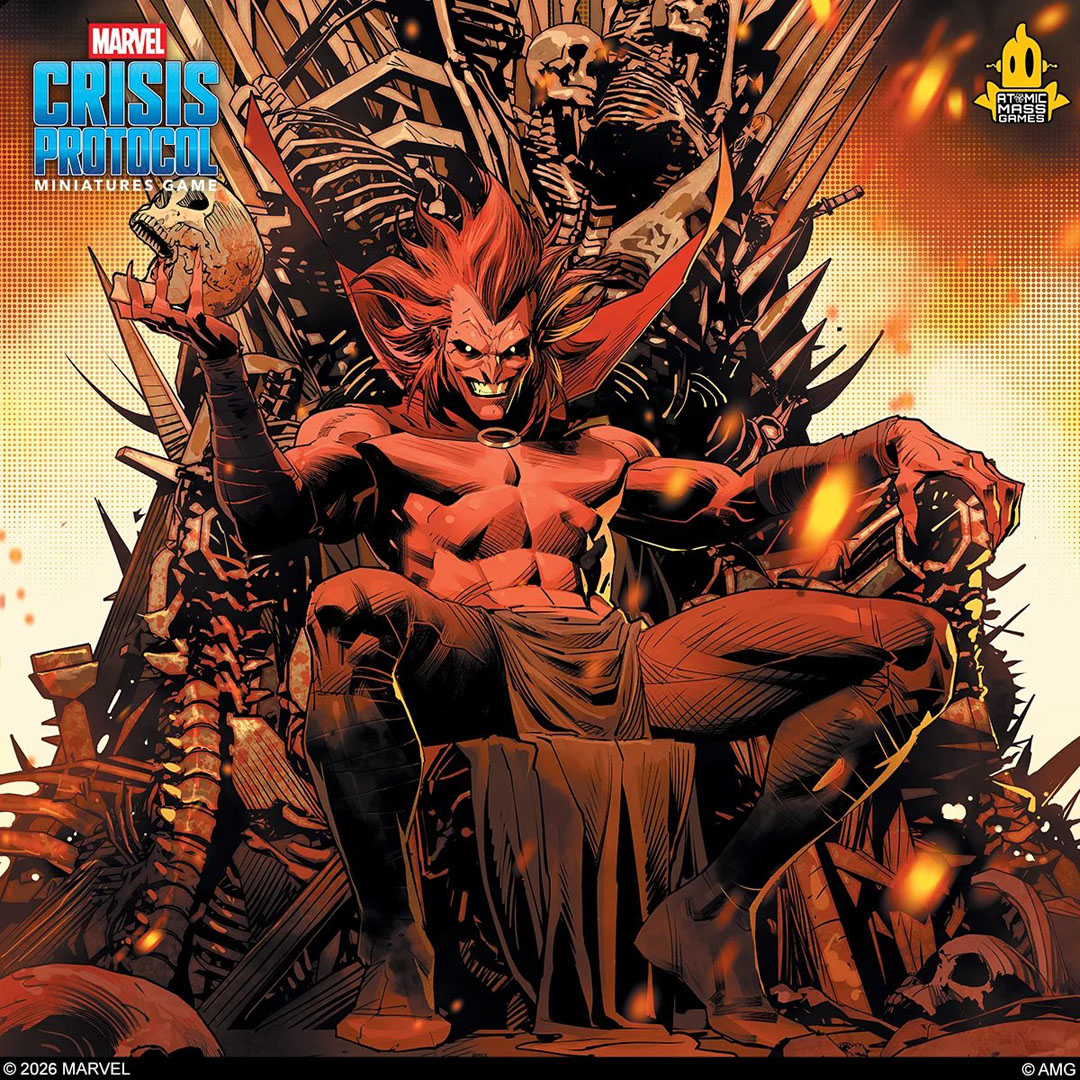
Marvel: Crisis Protocol, Mephisto
September 2026 Review
Alright, here we go, the real home stretch for this year, because we've hit Q4!
September had a pretty good run of events. Holger and I went to the Rhein Main Multiversum and the Bitbox 2026. Both trips were well worth it. It felt good to see everyone again, even though we just missed Flo, so that reunion will have to wait for Antwerp or Lützensommern.
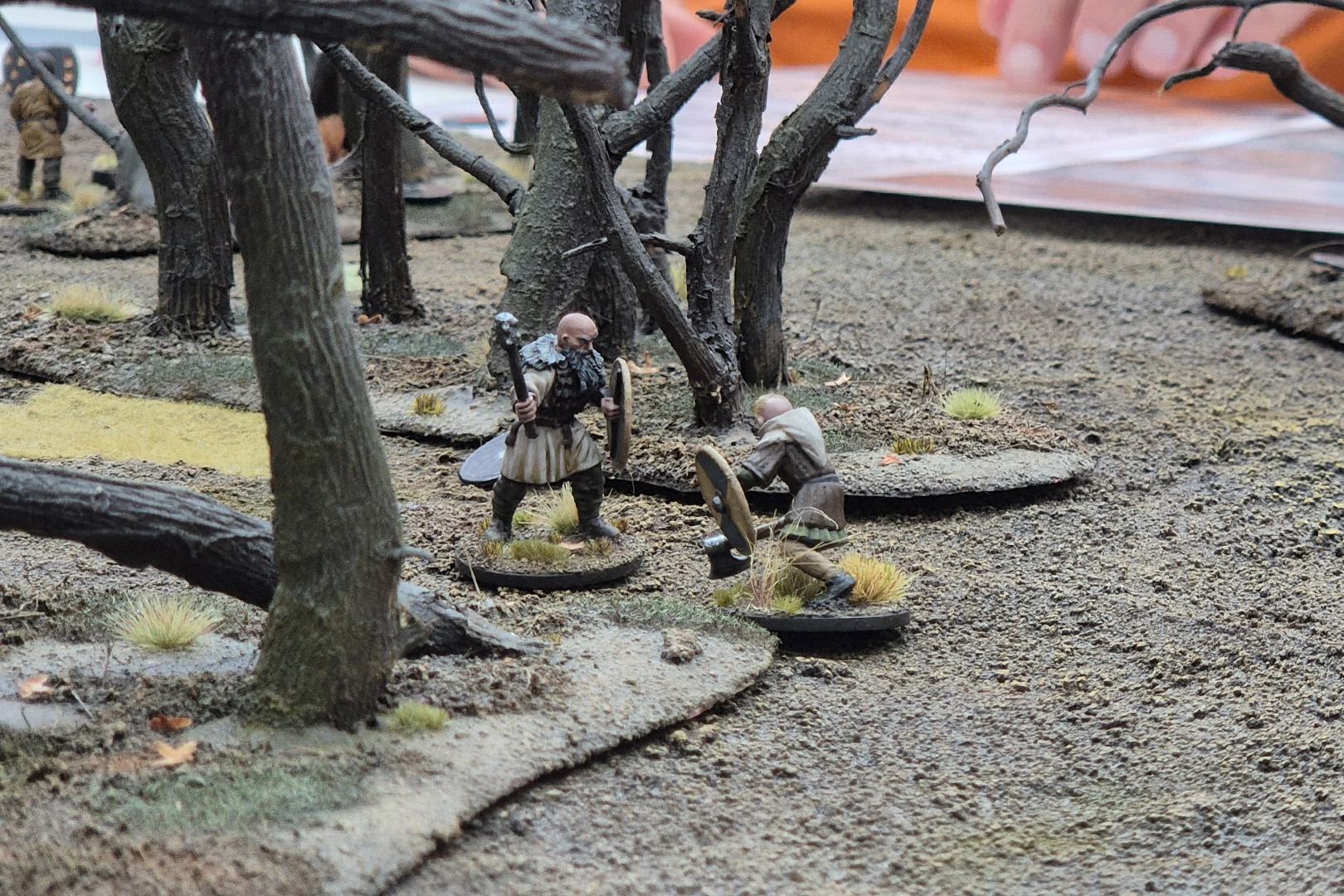
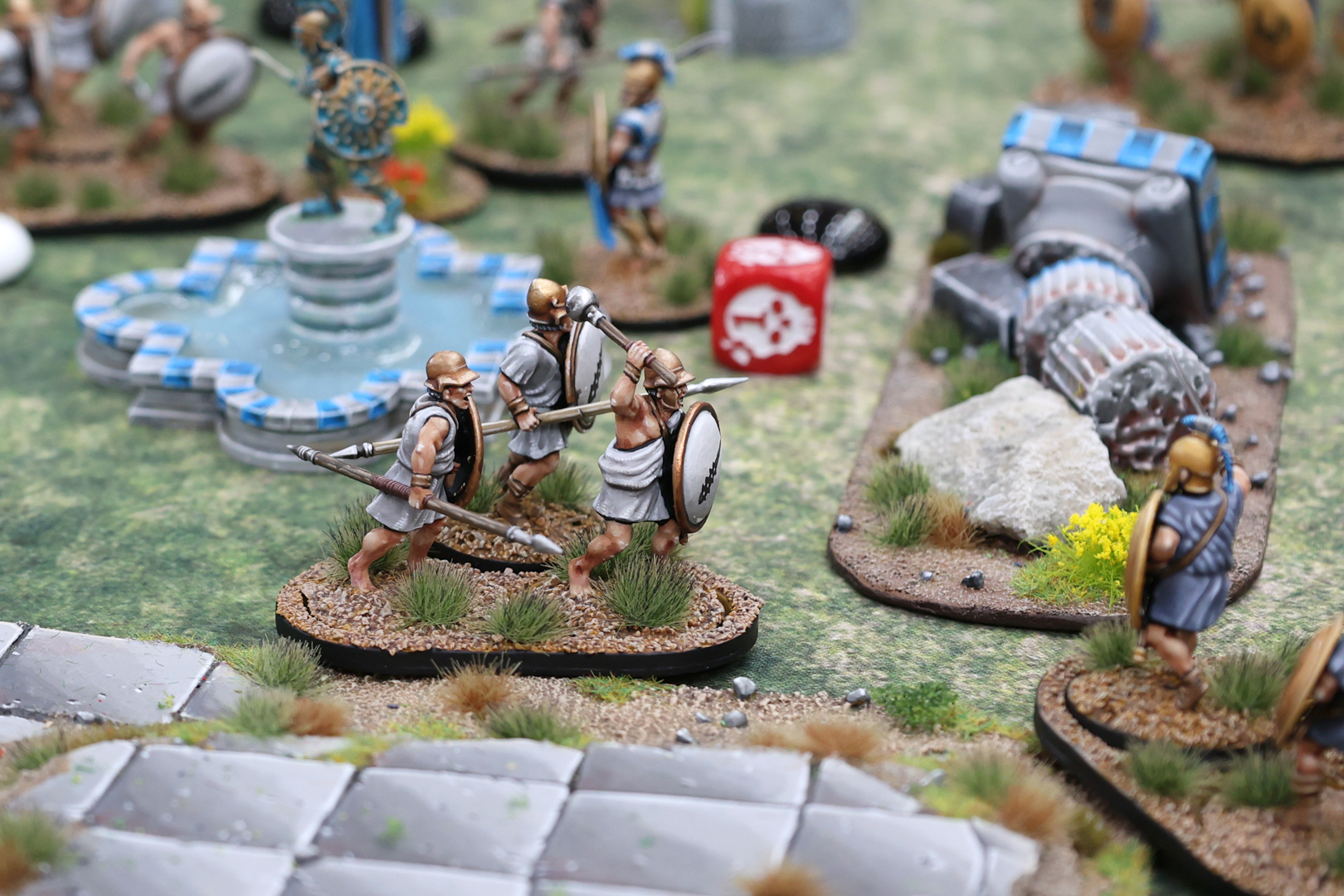
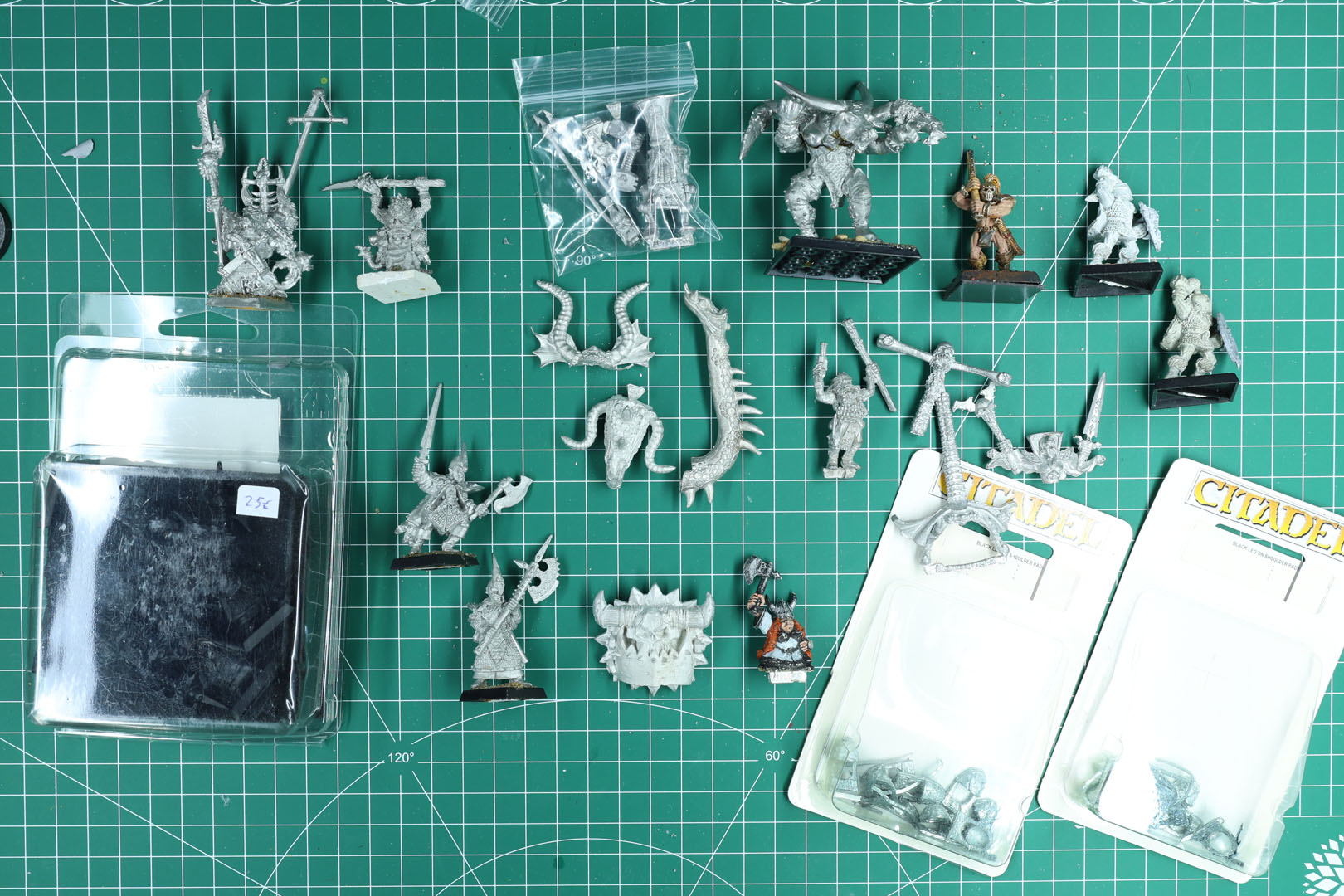
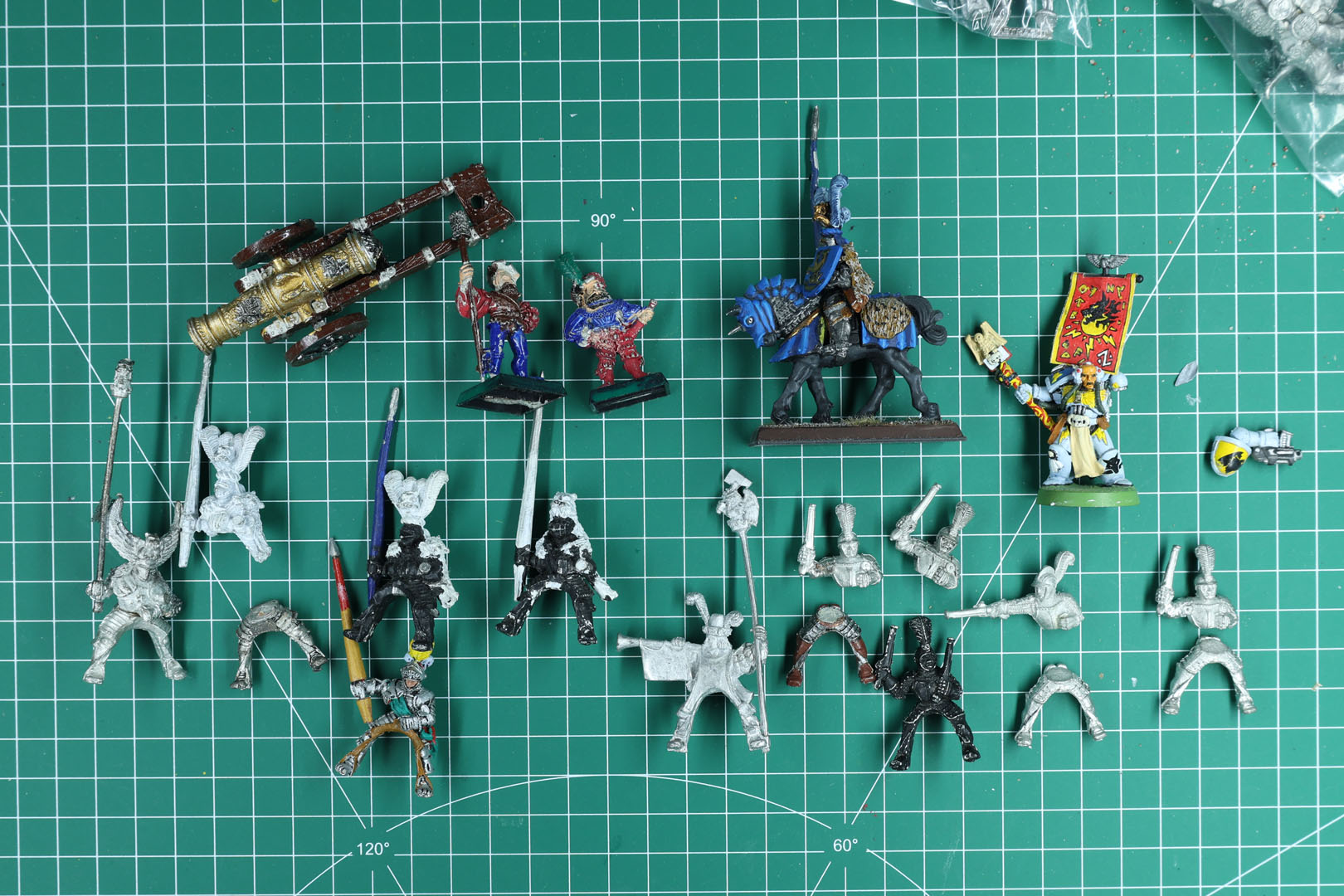
I still need to process the haul, i.e. strip the paint and sort everything into the relevant projects.
42 – the answer to the question of life, the universe, and everything
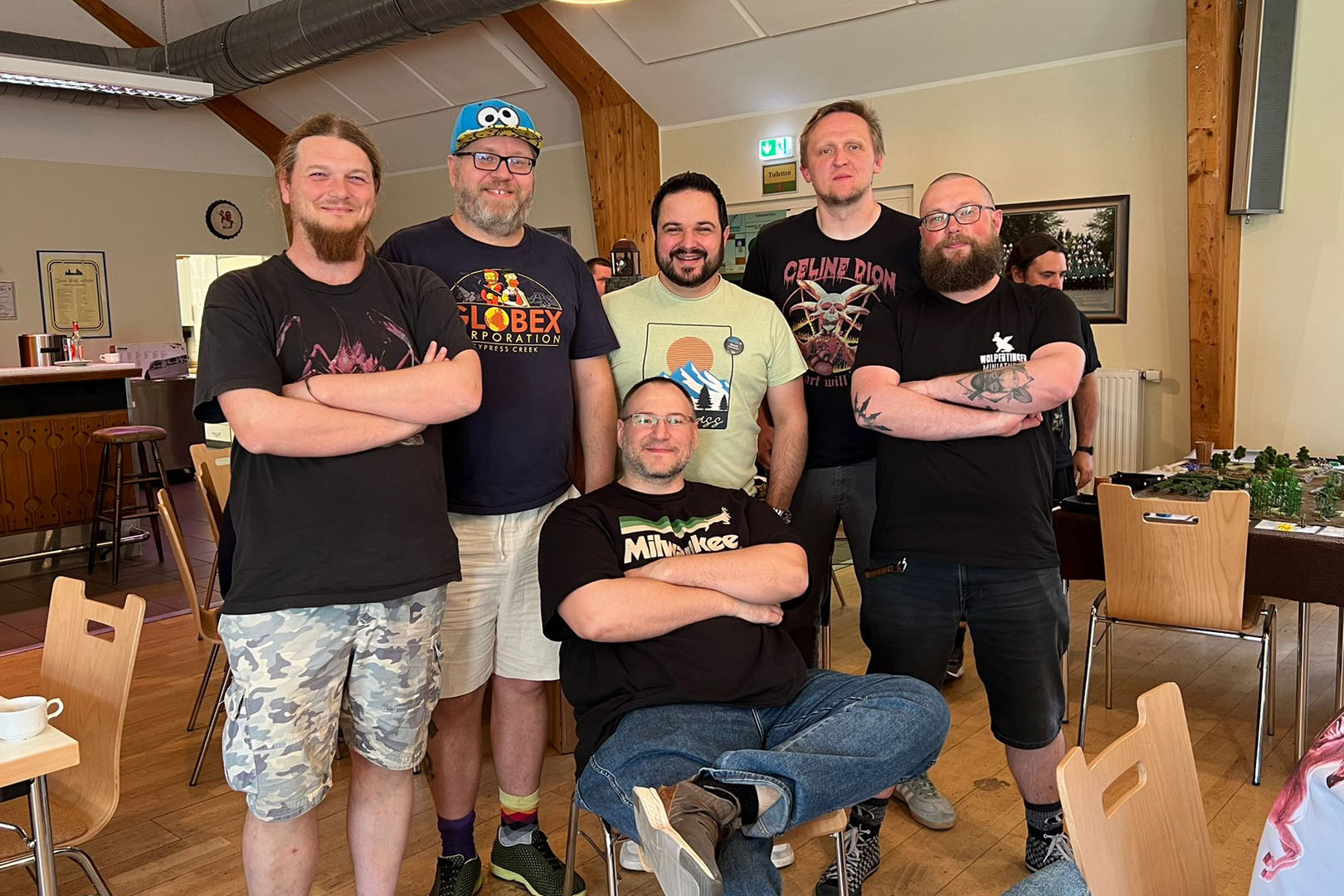
I'm 42 now. Full stop. No, I don't feel the need for a sports car, I'm not going to get myself an espresso machine with a portafilter, and no outdoor kitchen either (although an Ooni pizza oven would be a nice thing to have). I also don't think that, as a hobbyist, you need a midlife crisis to become aware of your own mortality. The Pile of Shame makes that clear enough, and if you divide your monthly painting output by the size of your own miniature stash, you get a figure that even life-extending measures / becoming a Vulcan etc. probably couldn't get you through. For some people, the rumor is that number comes out at around 270 years.

Bitbox 2026 – Tabletop Flea Market and Haul
After a pause that was far too long for my taste, last Sunday, September 20th, it was finally time again – time for the Bitbox! Franz invited us to Mülheim an der Ruhr, to the children's and youth center St. Barbara, or "der springende Punkt" as it is now called. It has been the same trusted location for a good 10 years, and there were plenty of familiar faces, too.
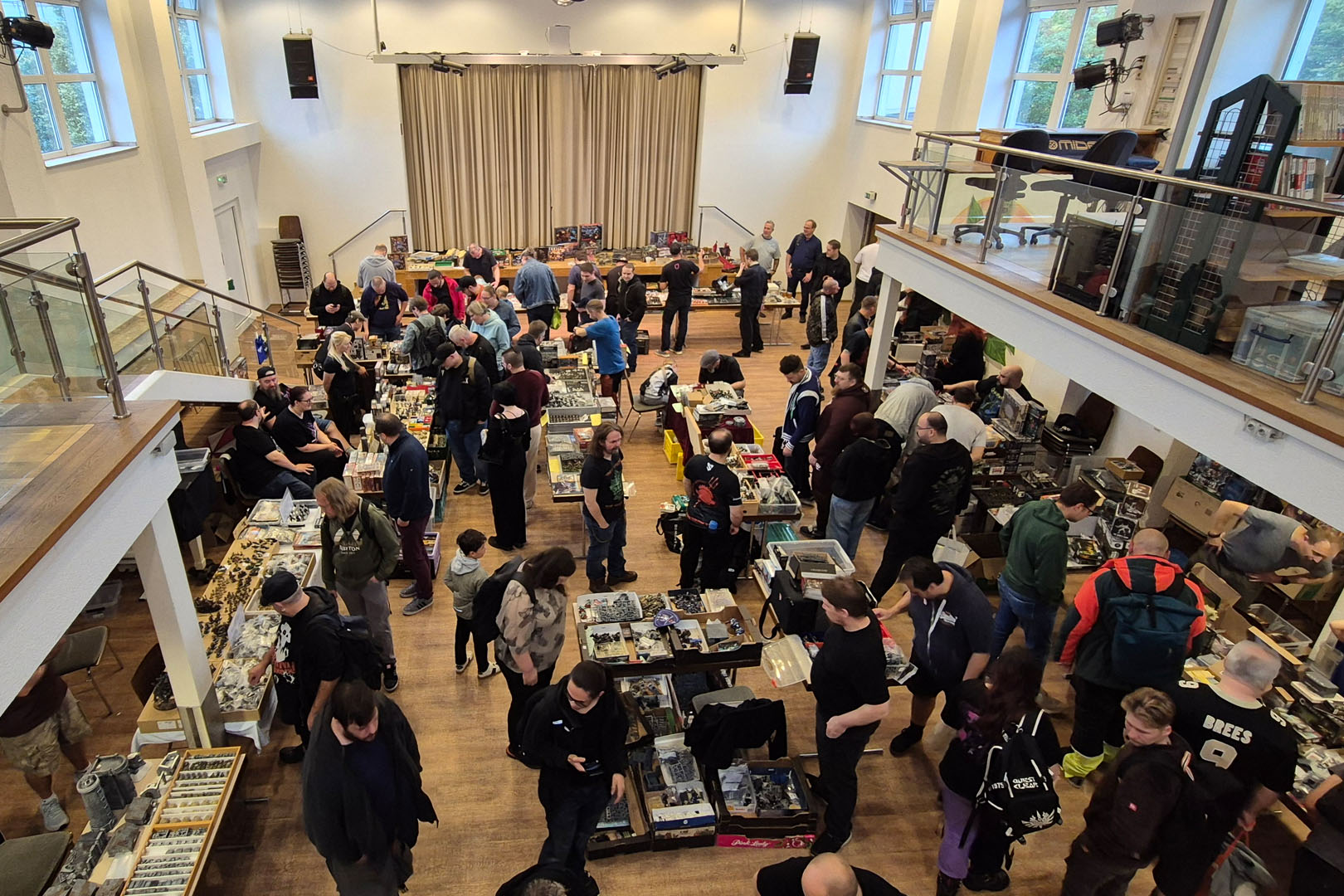
Over the years the time window has been tightened a bit, since a few hours are plenty for both visitors and sellers. These days it runs from 10 am to 1 pm. Right at 10, Franz opened the autumn Bitbox 2026 and the rooms filled up quickly. As always, the long table of Franz and Werner stood at the head of the hall in front of the stage, and once again there was plenty of pewter and plastic with a lot of history to be had.
Space Hulk – The Final Frontier
As I want to properly narrow the scope of this project, let me write this down as the Final Frontier of my Space Hulk project. I prepared an overview of all the Terminators that I'd need in one of the last articles.
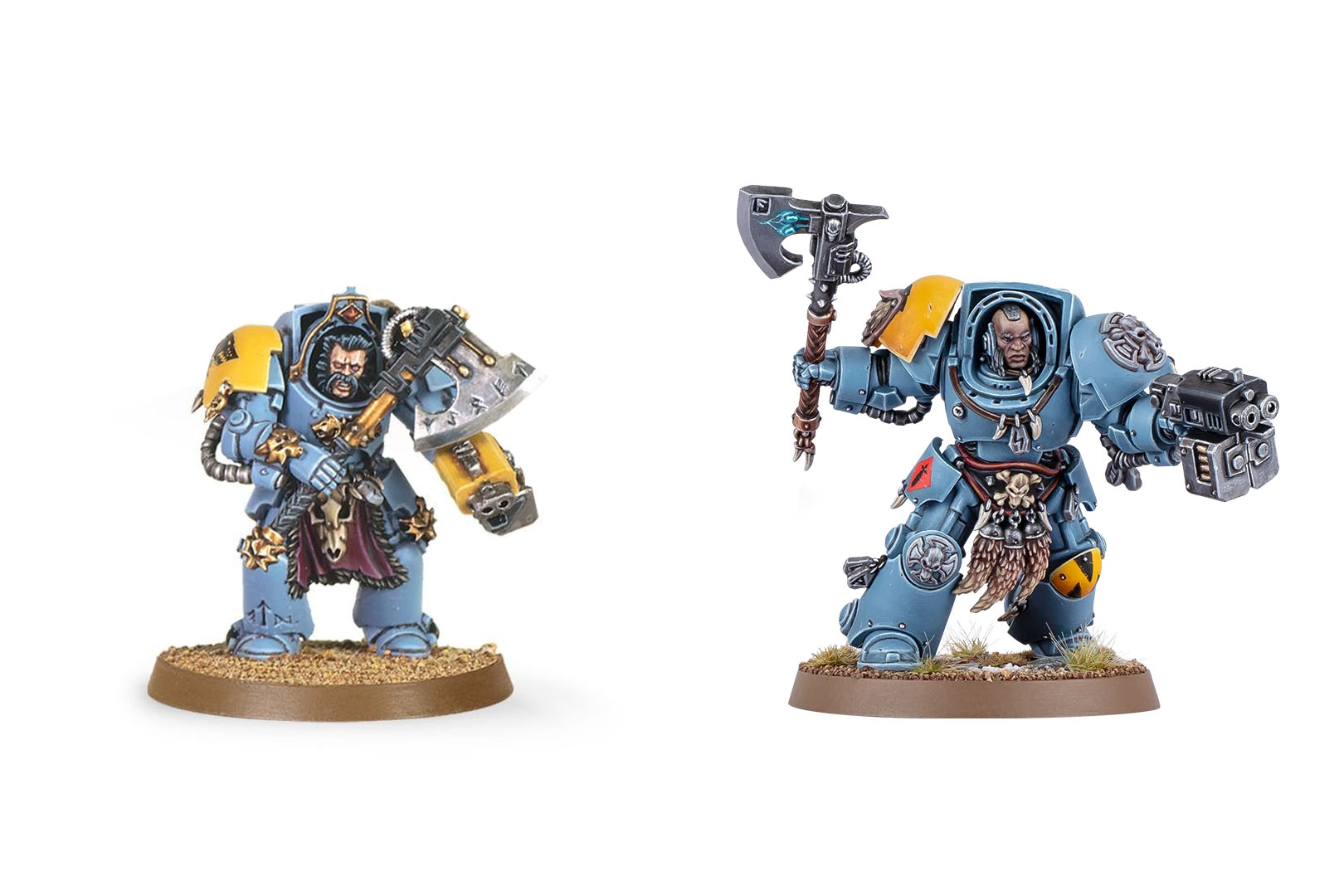
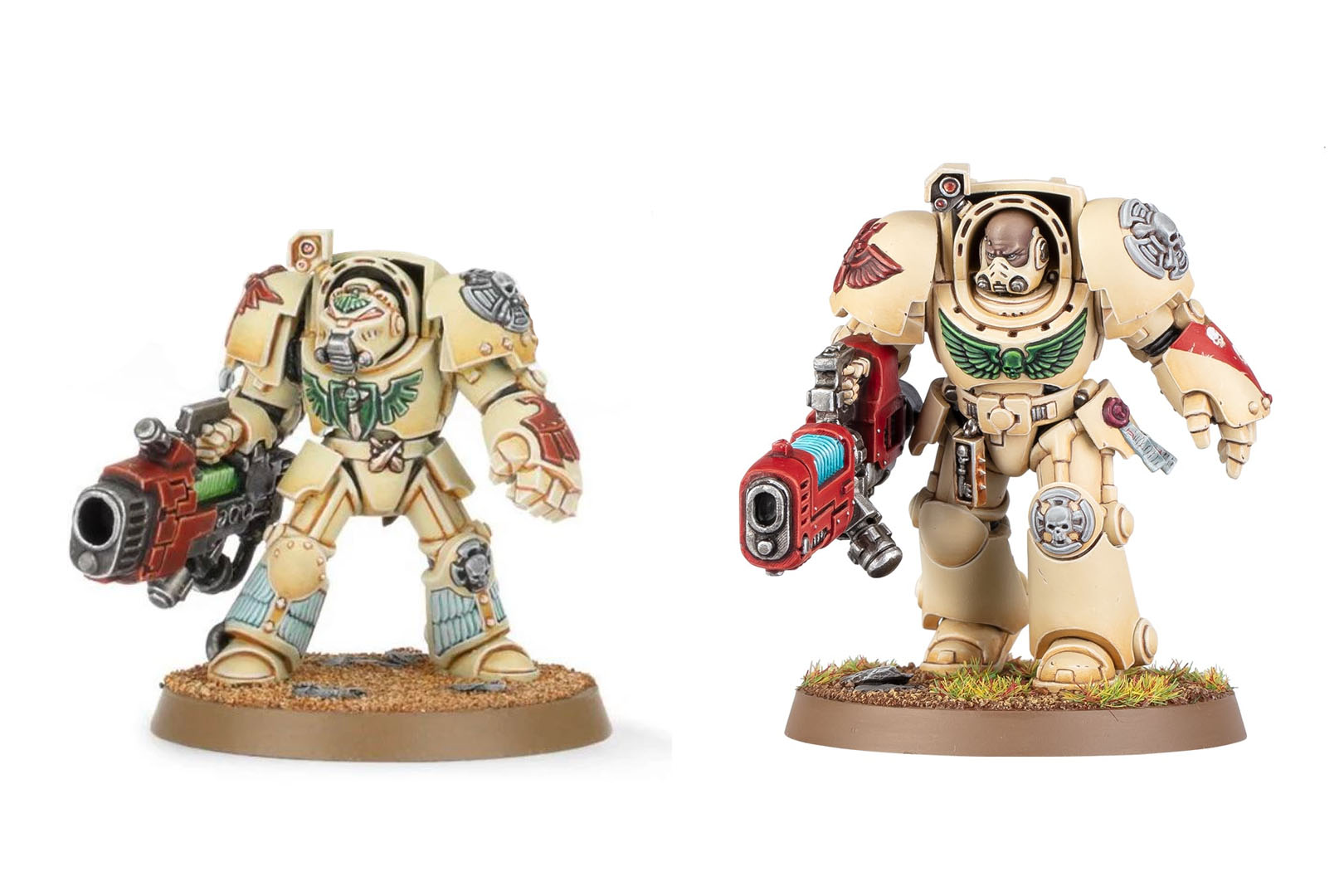
We are going to need a total of 20 different Terminators to cover all the poses / options from all four campaigns (4th Edition Core Games - Heroes of the Imperium, Duty and Honour, Bringer of Sorrow and Return to Kalidus). The three mission files, which were iPad digital releases, brought rules for the plastic Terminator kits of the 2010s, meaning the multi-part plastic terminators (for more options than the Black Reach mono poses, especially introducing the Cyclone Missile Launcher), the Deathwing Command Squad and the Space Wolves Wolf Guard in Terminator Armour.
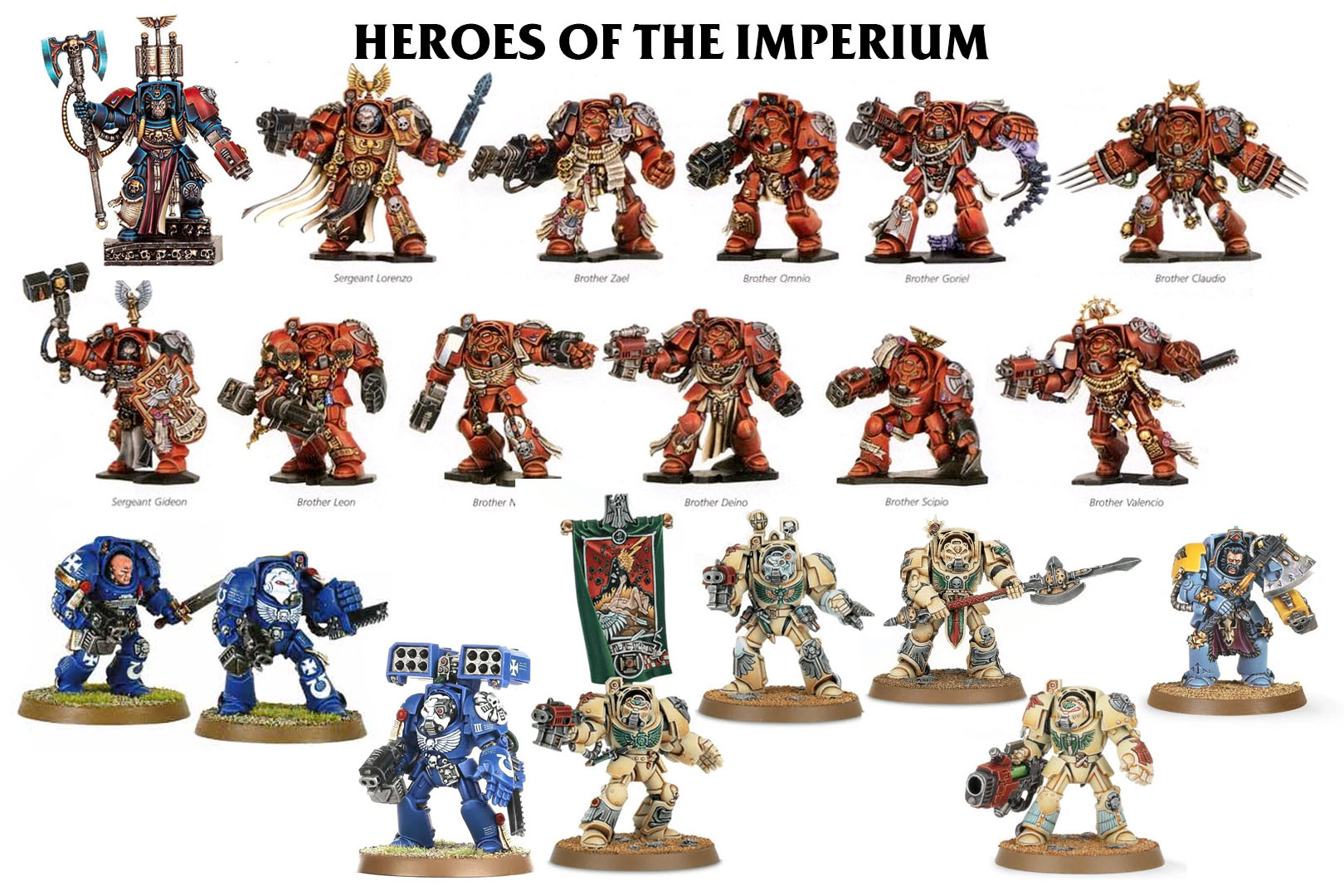
As mentioned, I'm going to recreate this completely with Imperial Fists. But you could easily recreate this in different flavours, as the Wolf Guard and Deathwing got their upgraded and upscaled kits as well. It would be quite easy to cover the 20 poses and weapon options in a fitting thematic matter with these.
Rhein Main Multiversum 2026
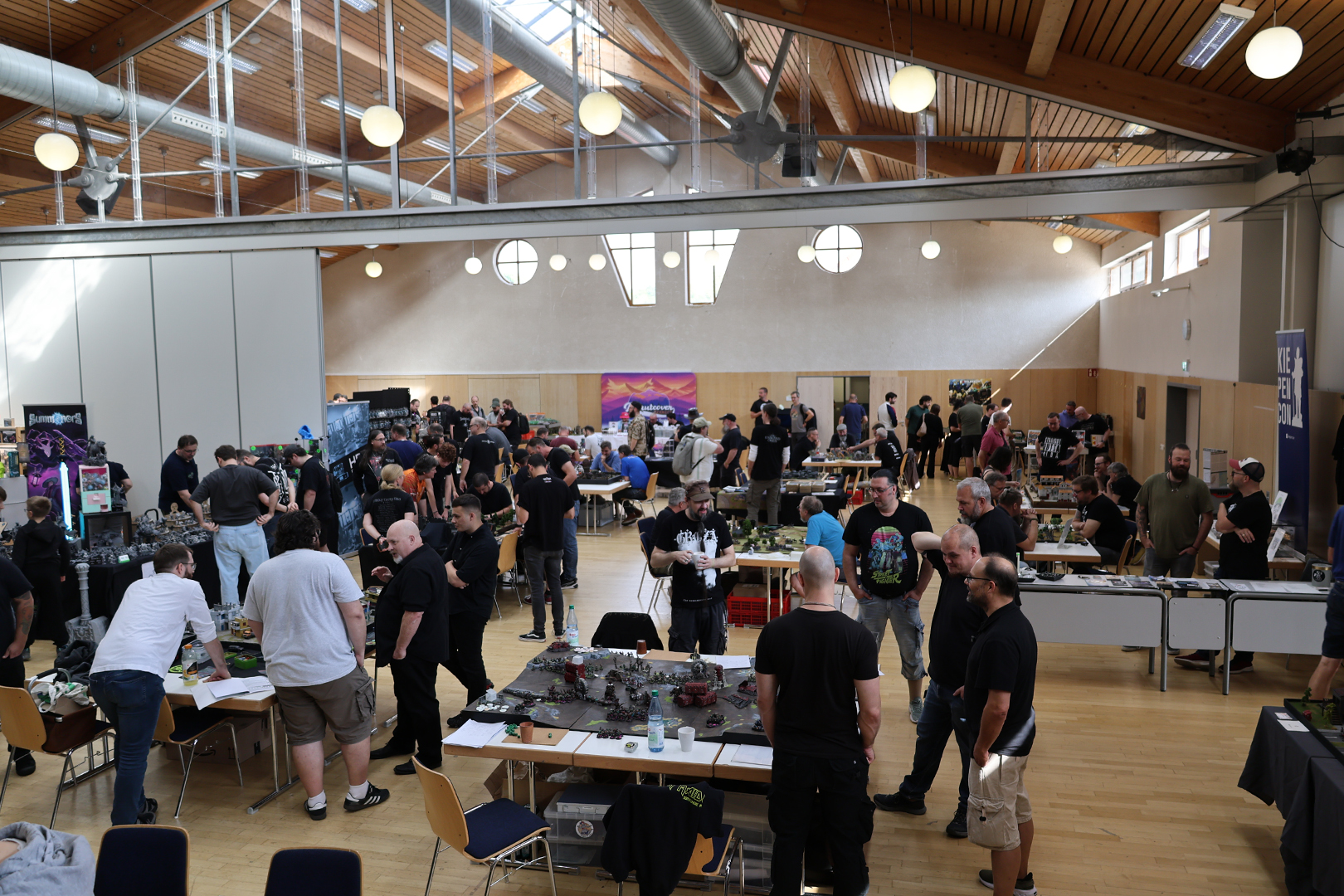
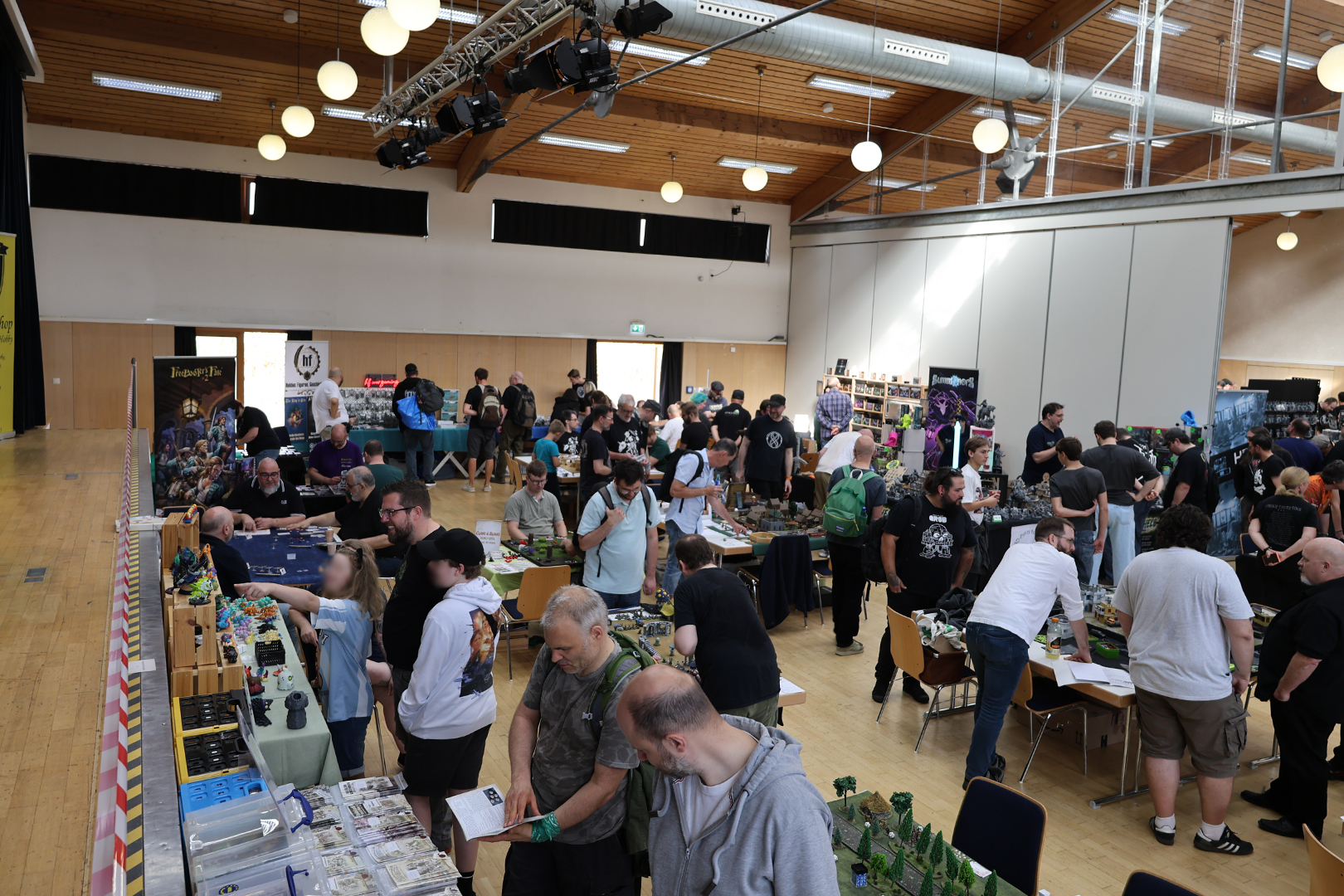
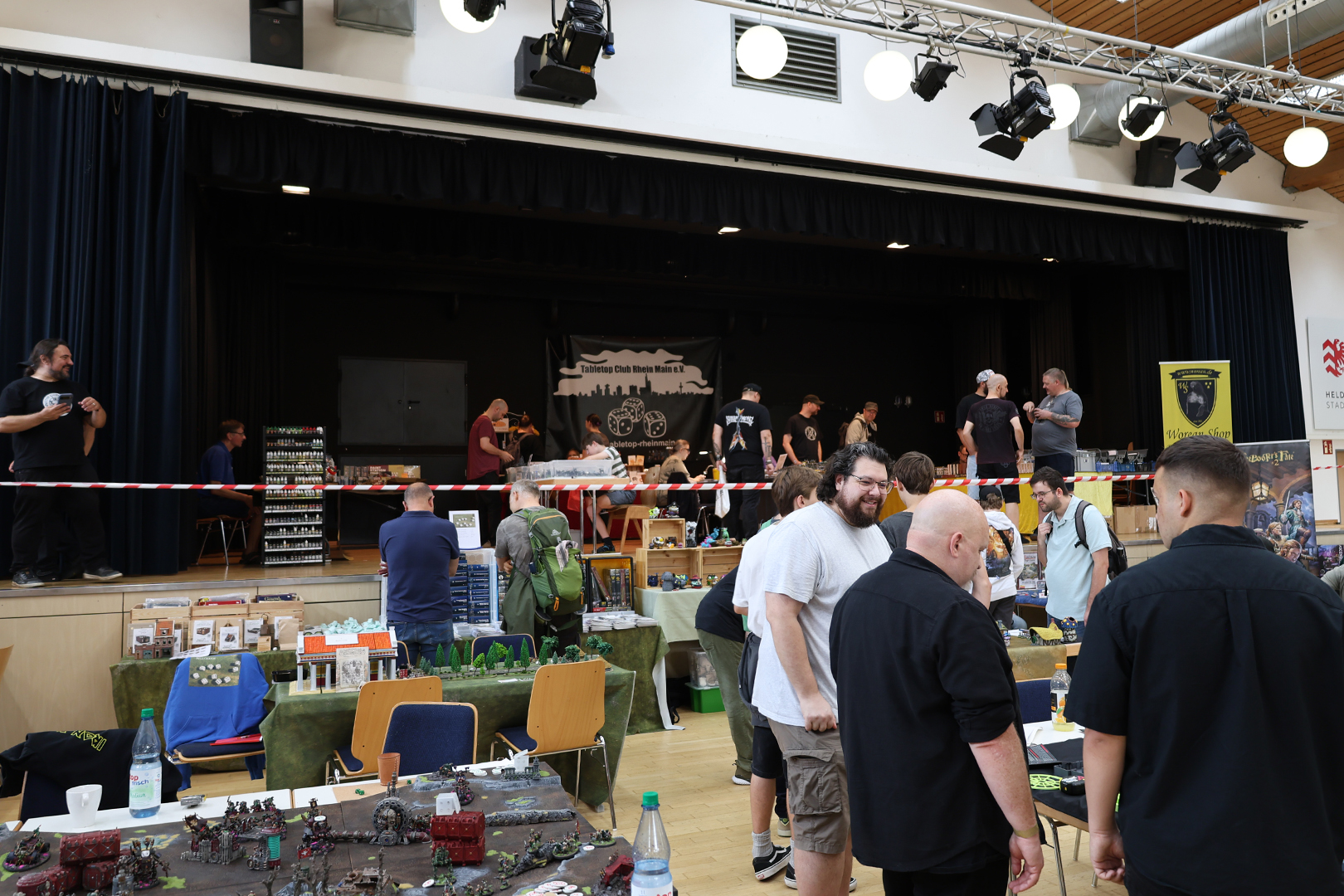
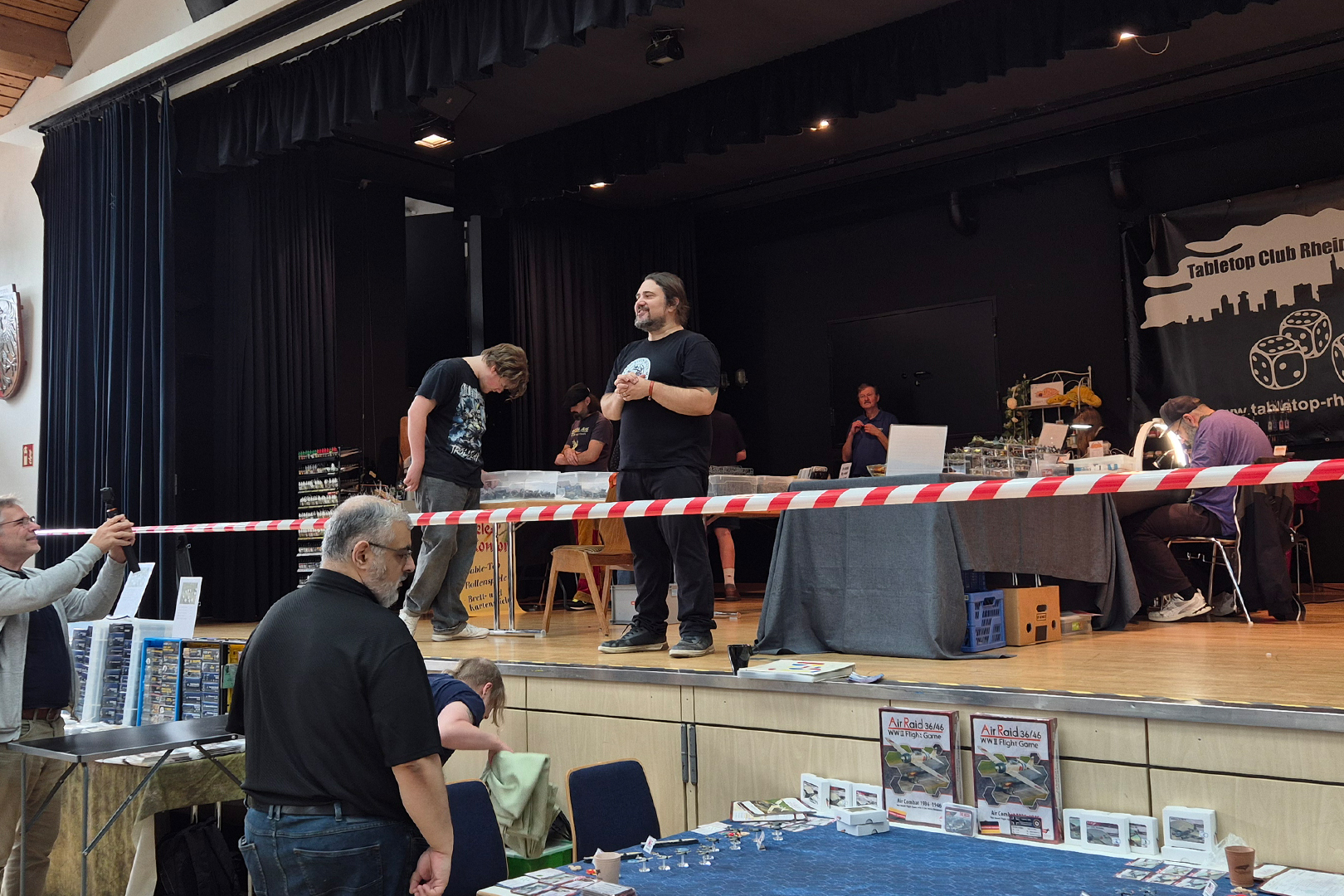
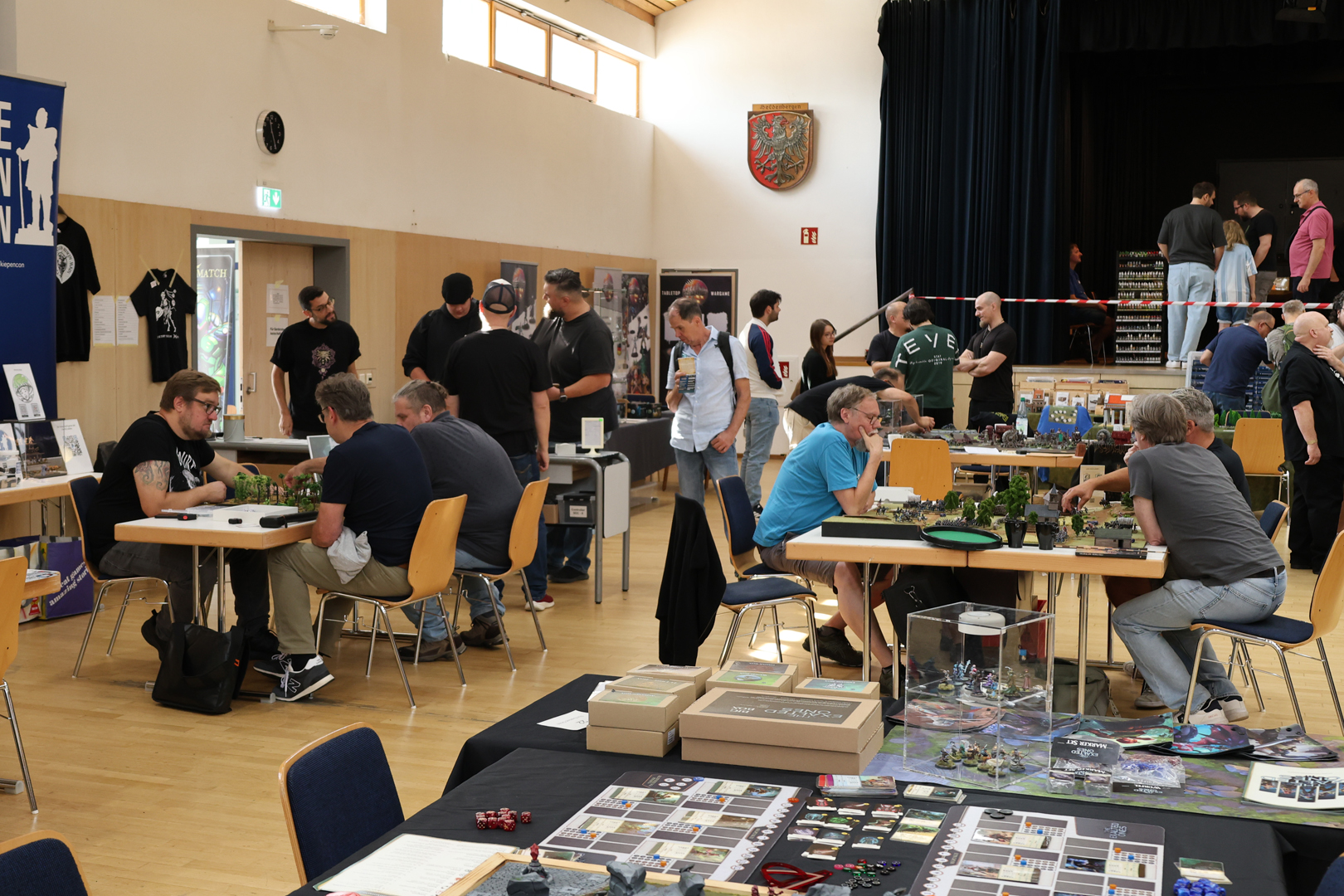
For the 12th time now, the Rhein Main Multiversum, run by the Tabletop Club Rhein Main, opened its doors this weekend, and numerous hobbyists made their way to Nidderau to check out the gaming tables and trader stands.
The Multiversum has been held for a few years now at the Kultur- und Sporthalle Heldenbergen in Nidderau, Hesse, and was open to visitors on Saturday, 12 September 2026, from 10am to 8pm, as well as on Sunday, 13 September 2026, from 10am to 3pm. You can find an overview of past events and my show reports going back to 2018 here: Rhein Main Multiversum, so we'll skip going over the car park situation again and get straight into the event.
StarCraft TMG – Two Player Starter Set Founders Edition
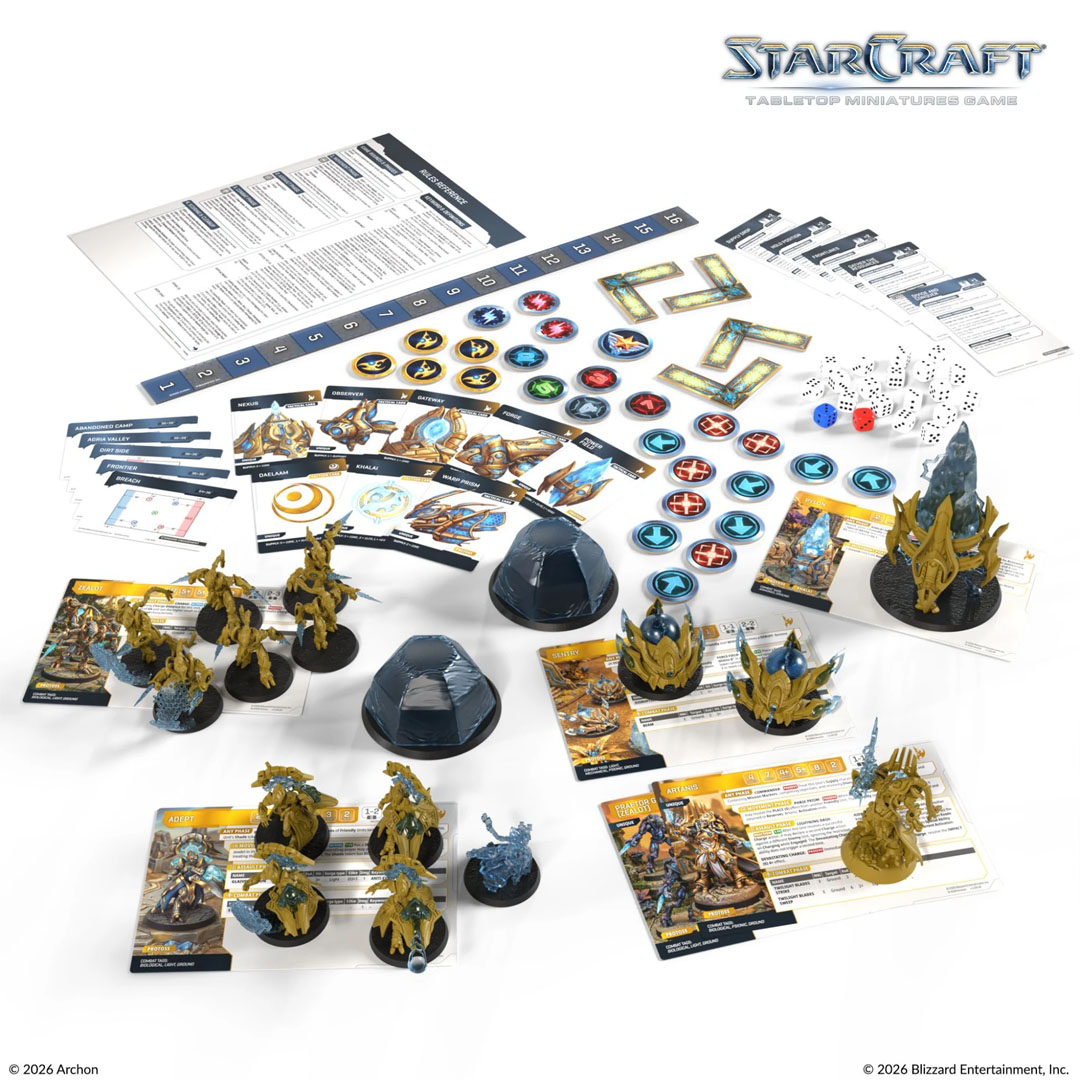
We got our hands on Archon Studio's StarCraft: Tabletop Miniatures Game, specifically the Two Player Starter Set and the Protoss Starter Set, both in their Founders Edition. This is going to be a two-part unboxing, so before we get into sprues and box contents, let's set the stage: what the Gamefound campaign actually was, what StarCraft brings to the table as an IP, how the three factions differ, and what separates the Founders Edition from the sets that'll eventually sit on store shelves.
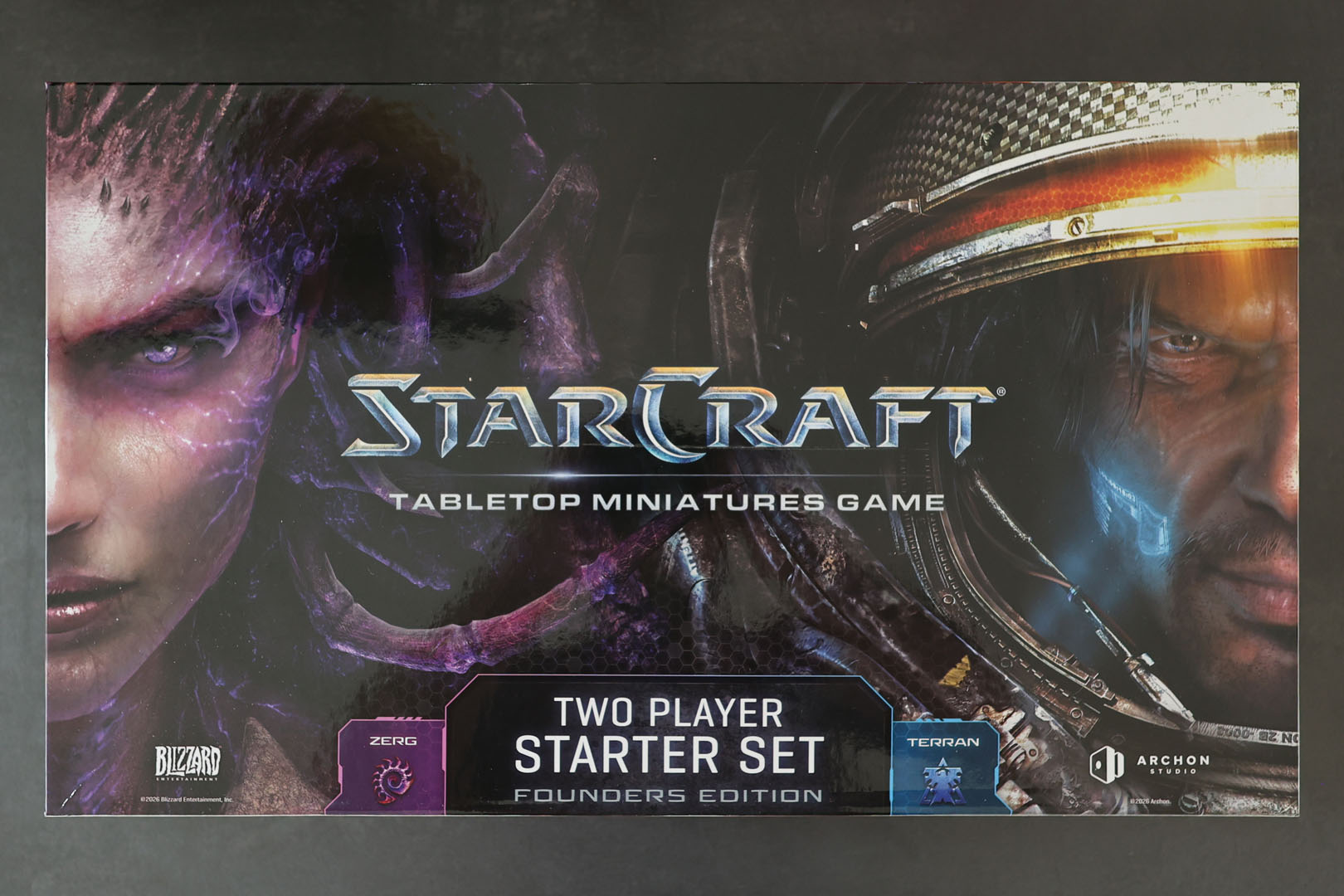
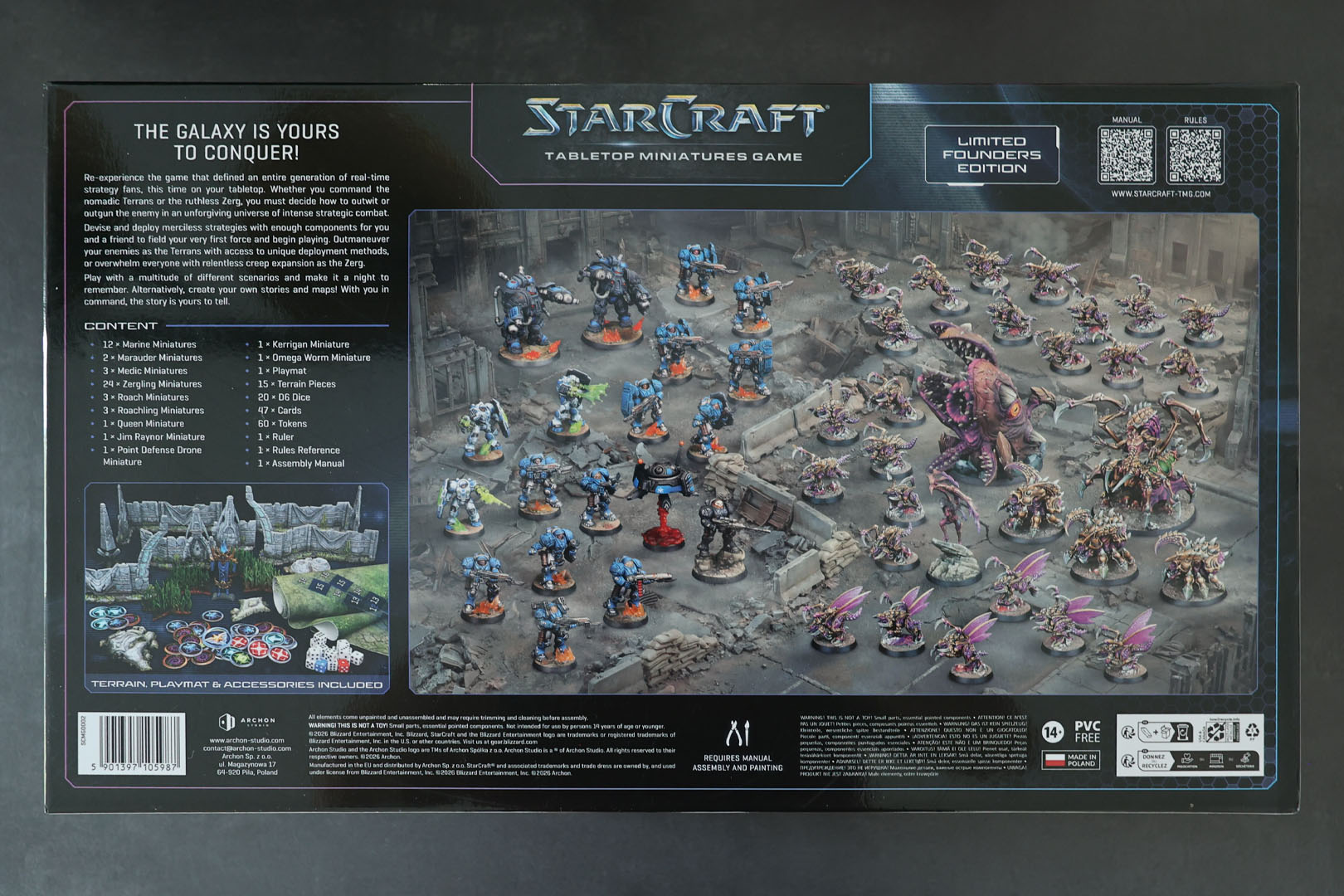
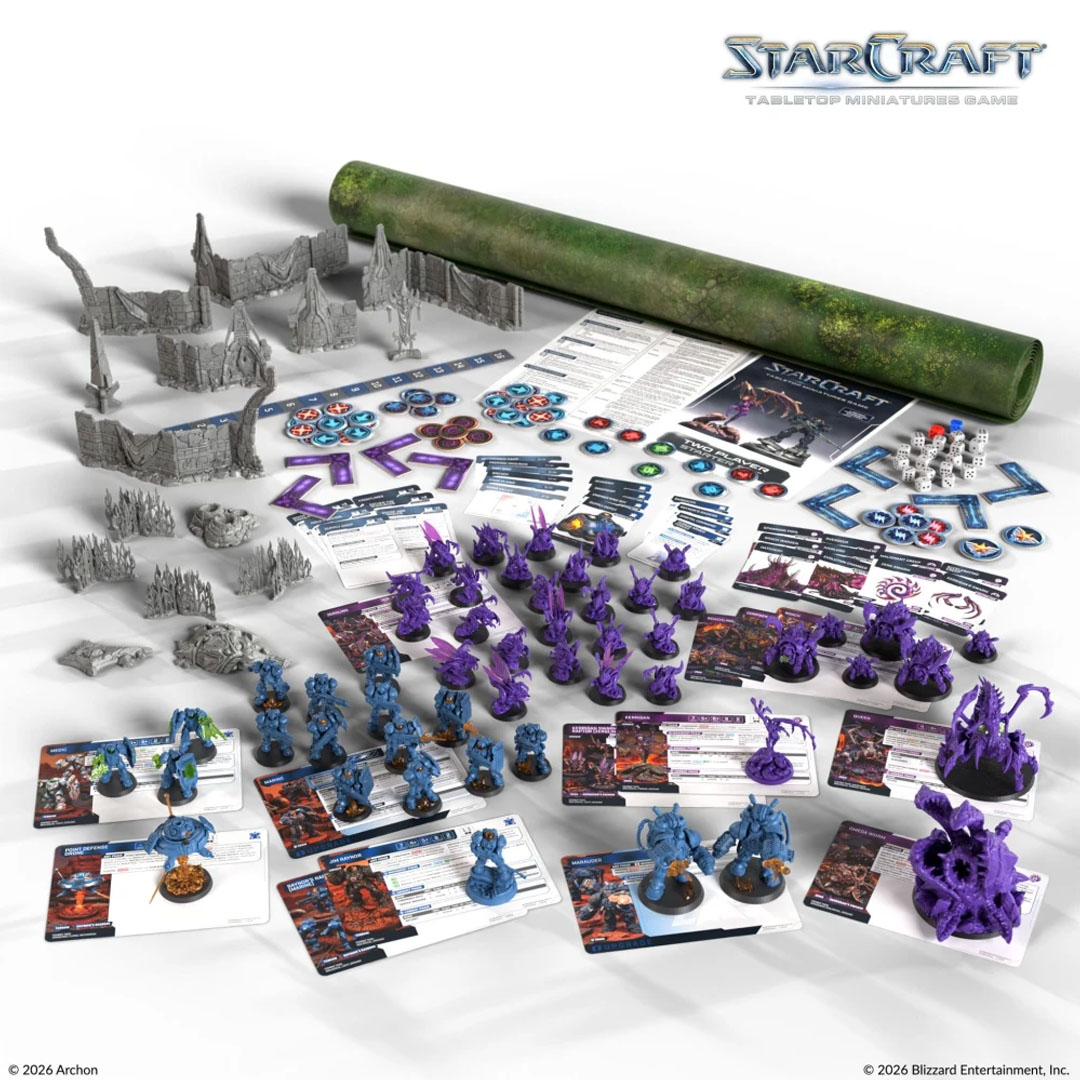
The Two Player Starter Set pits Terran against Zerg, while the standalone Protoss Starter Set lets us bring the third faction into the mix, which is exactly why we picked up both for these unboxing reviews (thanks to Celebration Parallax for providing them). Buying both bundled together via Gamefound came out to roughly 255 EUR, cheaper than picking them up separately at 175 EUR for the Two Player Set and 95 EUR for the Protoss Set. The RRP now after release is 199 EUR and 109 EUR for these boxes respectively. We'll cover the contents of both sets, this one below, and the Protoss set in the second part of this unboxing.
The Gamefound Campaign
Unlike some other product ranges, StarCraft: TMG didn't launch through a traditional crowdfunding campaign with stretch goals and years of waiting. Archon Studio, the Polish plastic specialists behind Dungeons & Lasers and the manufacturing partner behind Squidmar's Strakh dragon model, had already partnered with Blizzard Entertainment in March 2025 and were manufacturing the game straight for retail. What ran on Gamefound was a time-limited, direct-to-consumer preorder phase: from launch through mid-April 2026, fans could lock in the Two Player Starter Set and the Protoss Starter Set at a steep discount before the game moved into normal hobby retail and distributor channels. Archon has been upfront that this Founders phase was a one-time thing meant to build an early community around the game, not a recurring model, once that preorder window closed, these specific bundles were gone for good. Nevertheless, that promise was a bit oversold, as the regular range covers boxed sets with similar savings and without the waiting time of the Gamefound campaign.
What Is StarCraft, Anyway?
For anyone who spent the late 90s and 2000s more focused on painting than PC gaming: StarCraft is Blizzard's genre-defining real-time strategy series, built around three wildly asymmetric factions that somehow still stay balanced against each other, a big part of why the game became (and still is) an esports institution. Archon Studio's tabletop adaptation translates that into 32mm-scale skirmish combat, roughly 1,000 to 2,000 point games played in 60 to 120 minutes, aiming to capture StarCraft's tactical identity without needing the reflexes of a professional RTS player.
StarCraft TMG – Protoss Starter Set Founders Edition
As there are three factions in StarCraft, and the third one, the Protoss, was still missing from our first unboxing. Similar to how the story of StarCraft itself kicked off as a conflict between Terrans and Zerg, the Protoss aren't part of the Two Player Starter Set. Instead, they get their own standalone box - The Protoss Starter Set Founders Edition.
This isn't a stand-alone game in the sense of including everything you need from scratch, it's more of an addition to the Two Player Starter Set. It covers the Protoss force (miniatures, cards, and cardboard) and the dice to play with, but no terrain or playmat, those still come from the Two Player box.
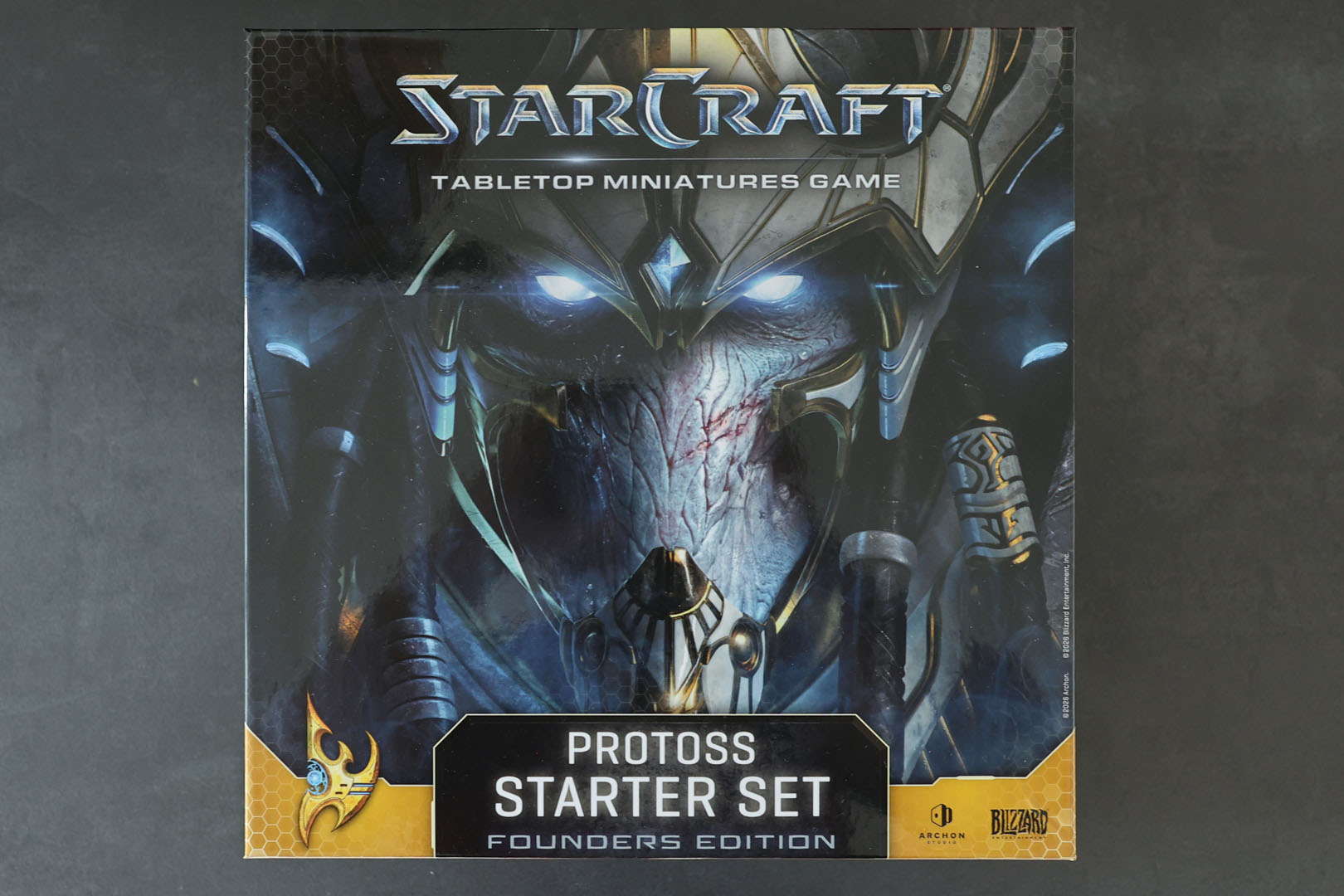
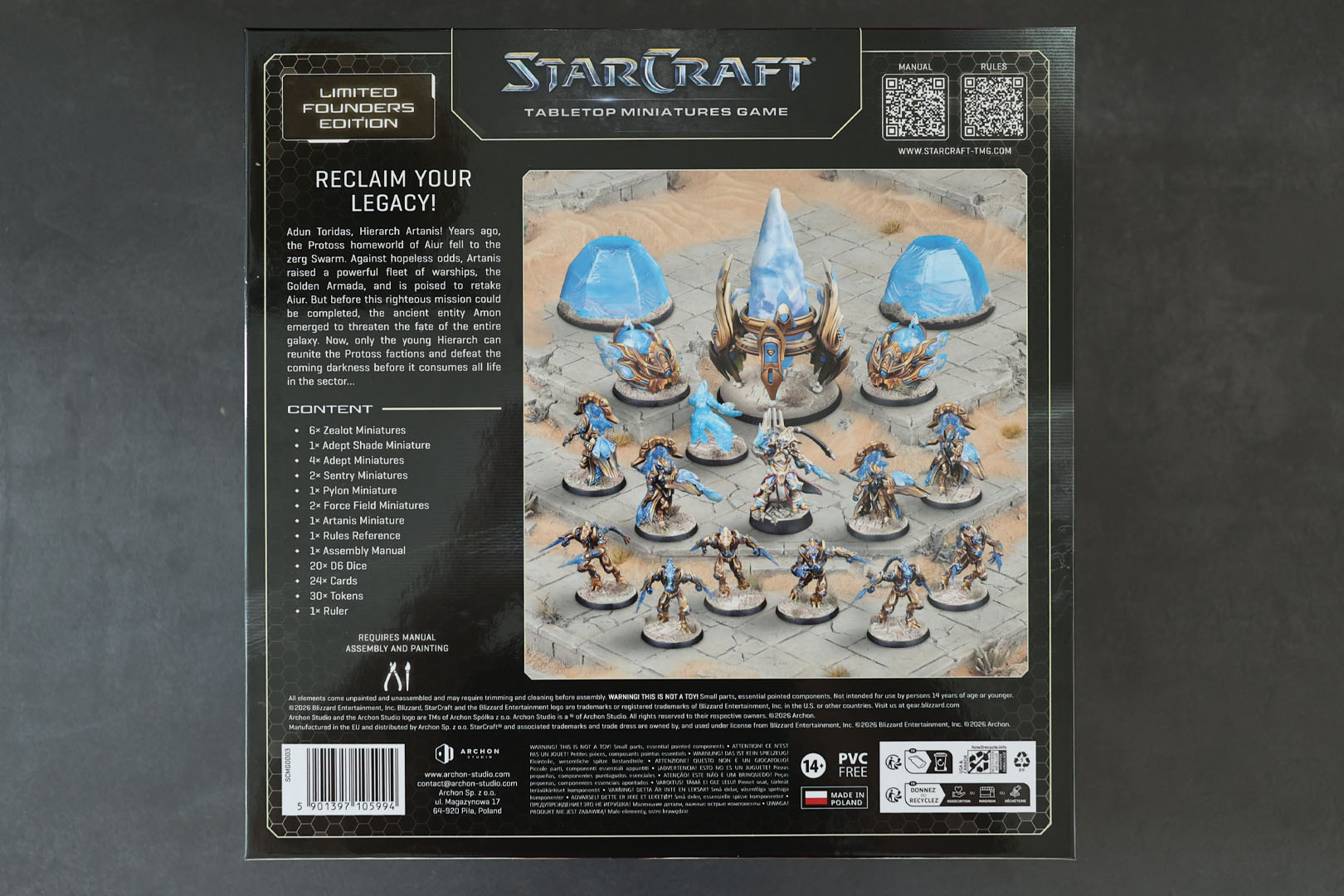
The Protoss Starter Set Founders Edition was ~95 EUR within the Gamefound campaign, and the RRP now after release is 109 EUR, the same as the regular Protoss Starter Set. We covered the Terrans and Zerg in the first unboxing, and we'll cover the Protoss in this one.
August 2026 review
Let's head into the last third of 2026!
Star Wars
With the summer school holidays behind us, we were able to set up the next dates for our board game meetup and we continued our Imperial Assault campaign. Our latest scenario was the mission Incoming; unfortunately for us, we lost near the end as all of our rebels got injured by the bombardment. A close scenario with high tension until the end.
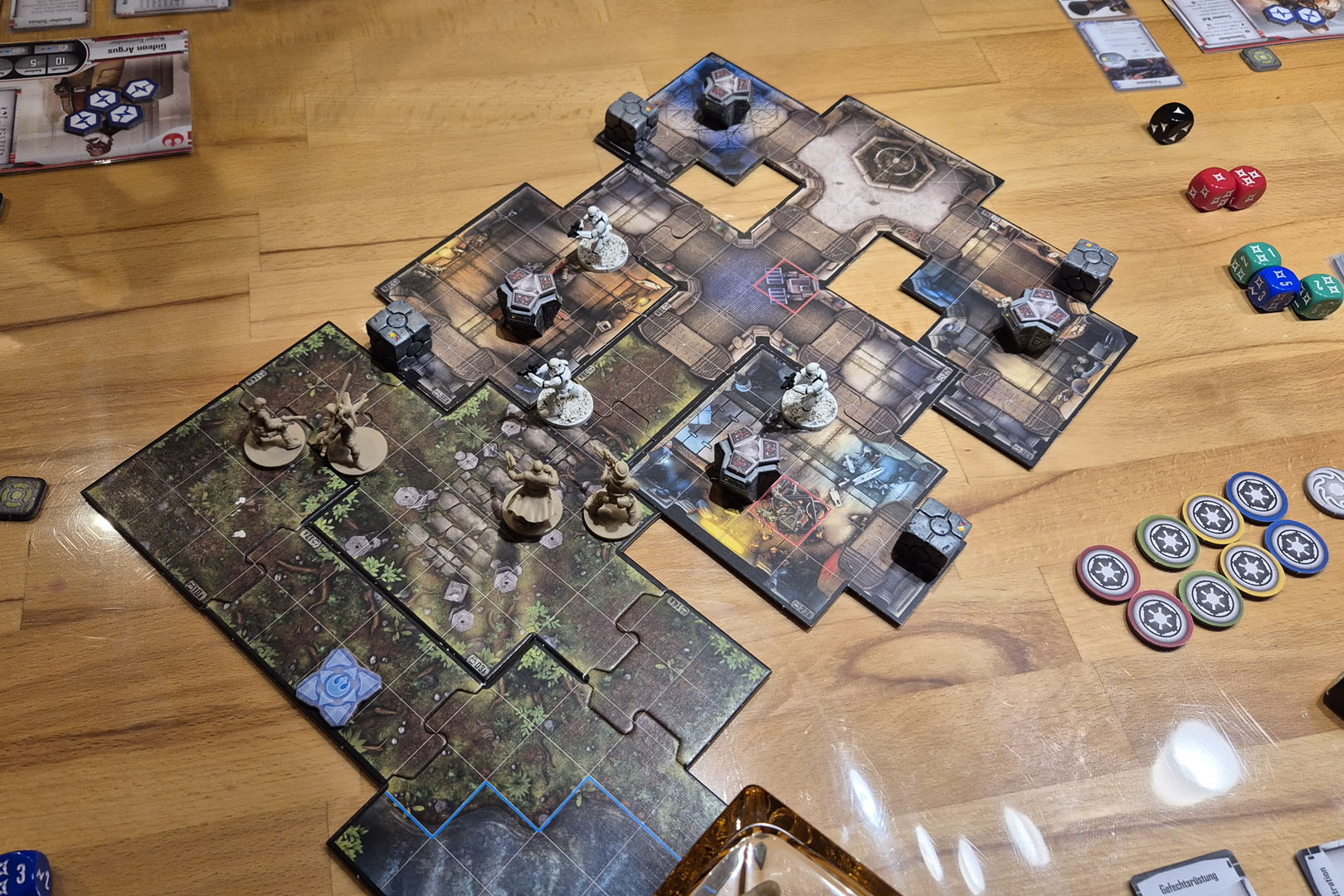
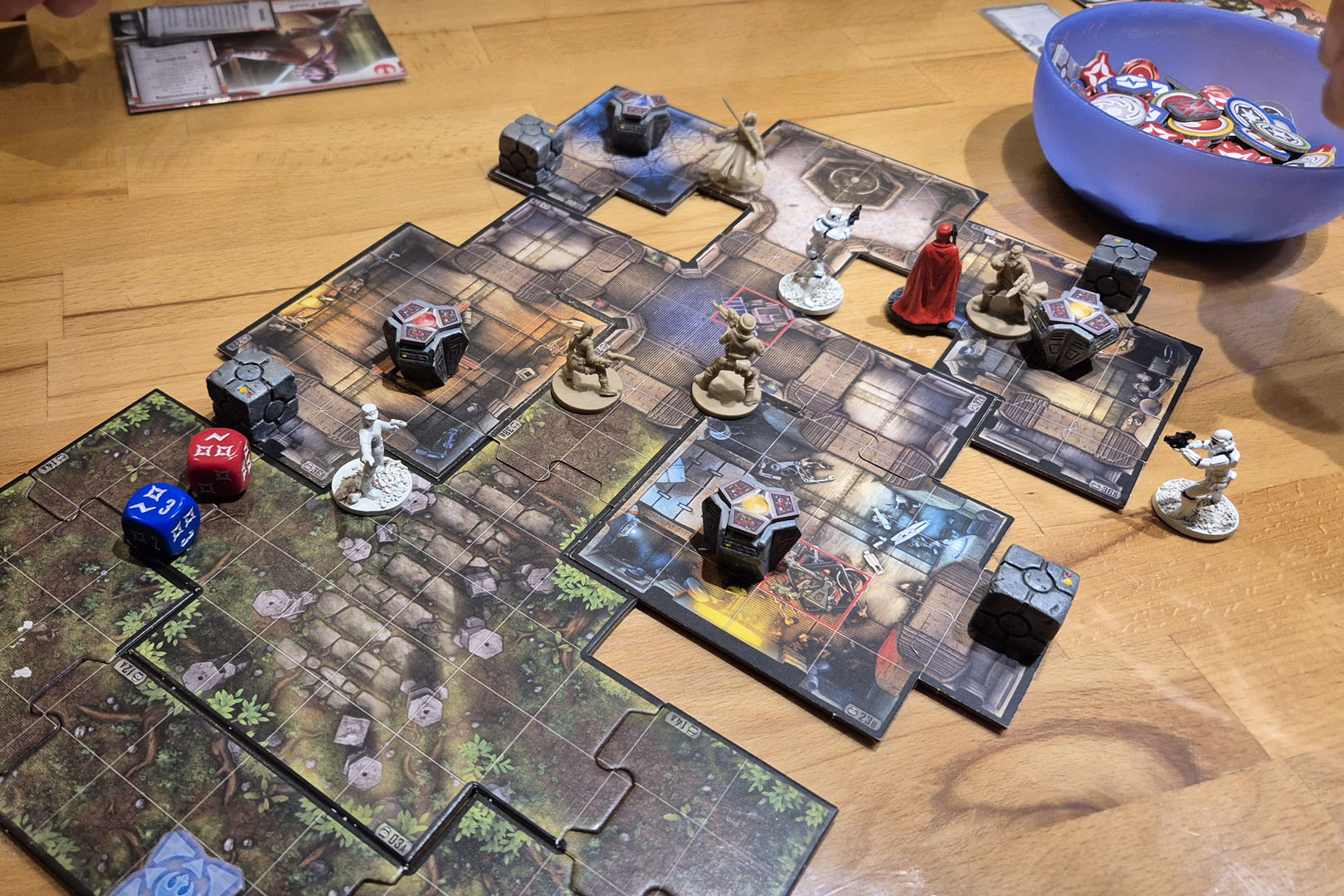
But Imperial Assault wasn't the only Star Wars content this month. We covered the Mandalorian Army Box in the Special Edition with an unboxing, as well as the Mandalorian Warriors and Mandalorian Leaders with reviews of their own.
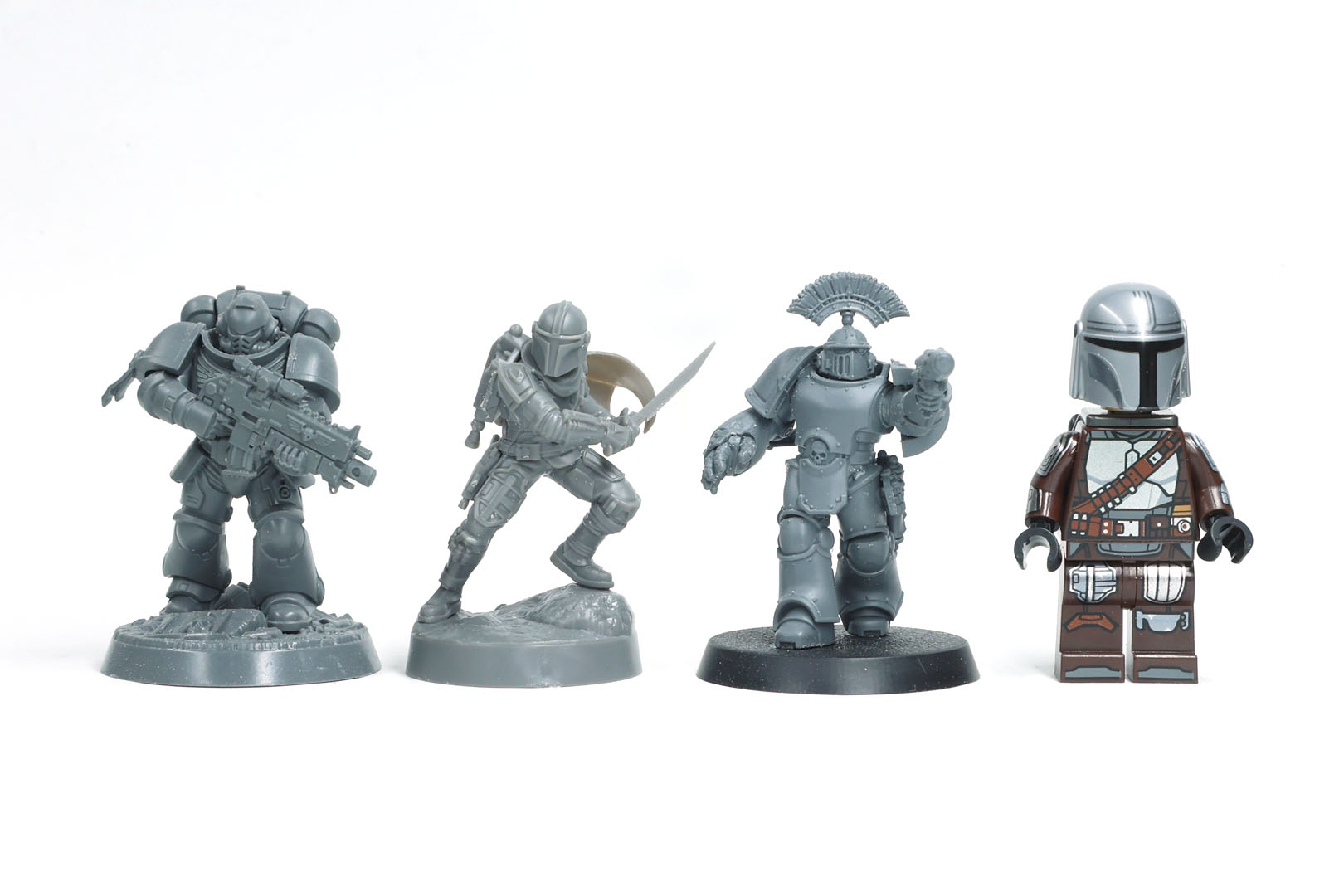
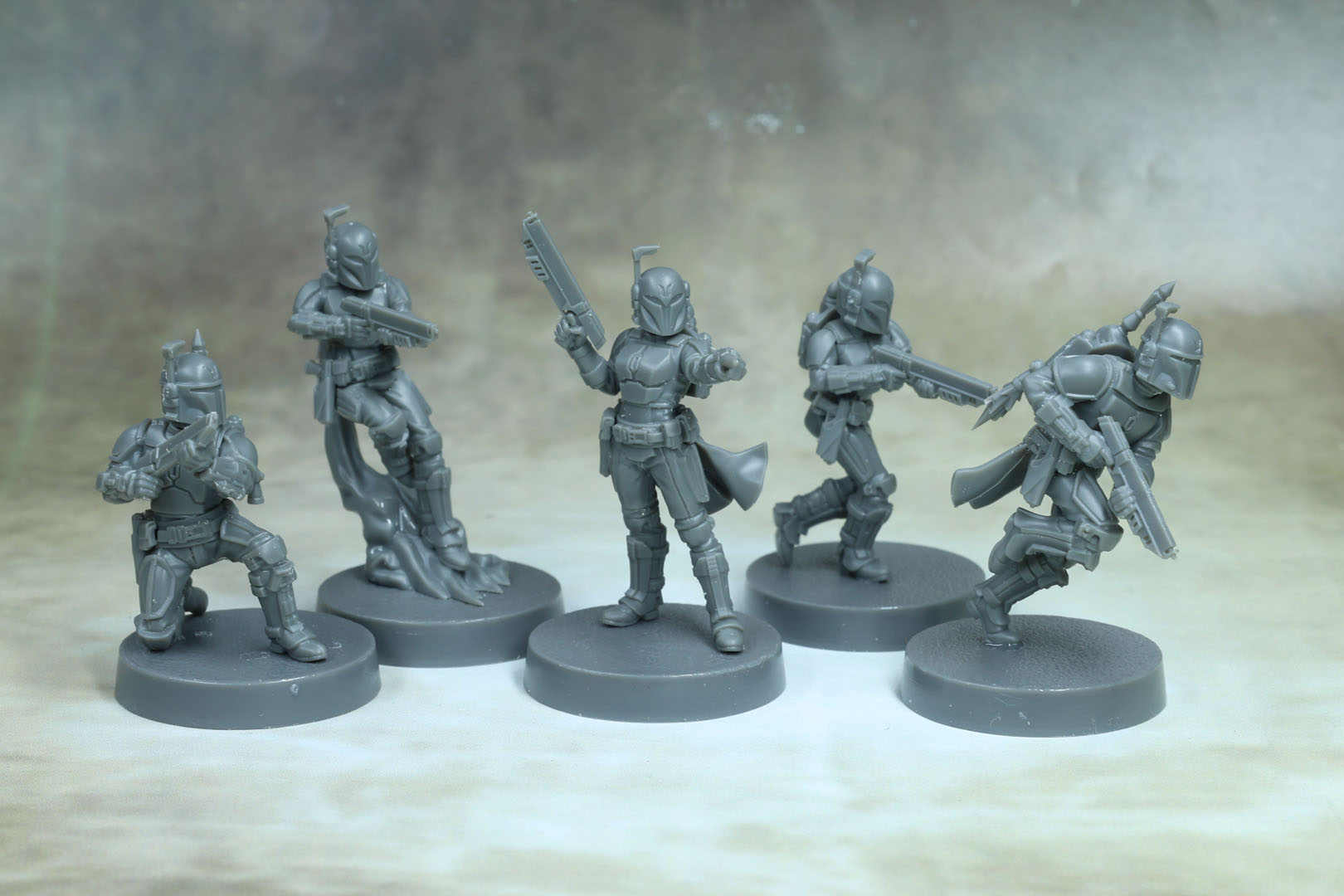
Star Wars Legion – Mandalorian Special Edition Army Box
We have already covered two of the Starter Sets for Star Wars Legion on here, with the Rebel Alliance and Galactic Empire. And now it is time for another faction, the Mandalorians.
These were released in summer and will return as a re-print towards winter. The Mandalorian Army box comes as a limited Special Edition, including additional leaders. Regarding the coverage, we will do an initial unboxing of the box itself, just like we did with the others, and then add further in-depth reviews of the individual kits, which are linked further down inside this article.
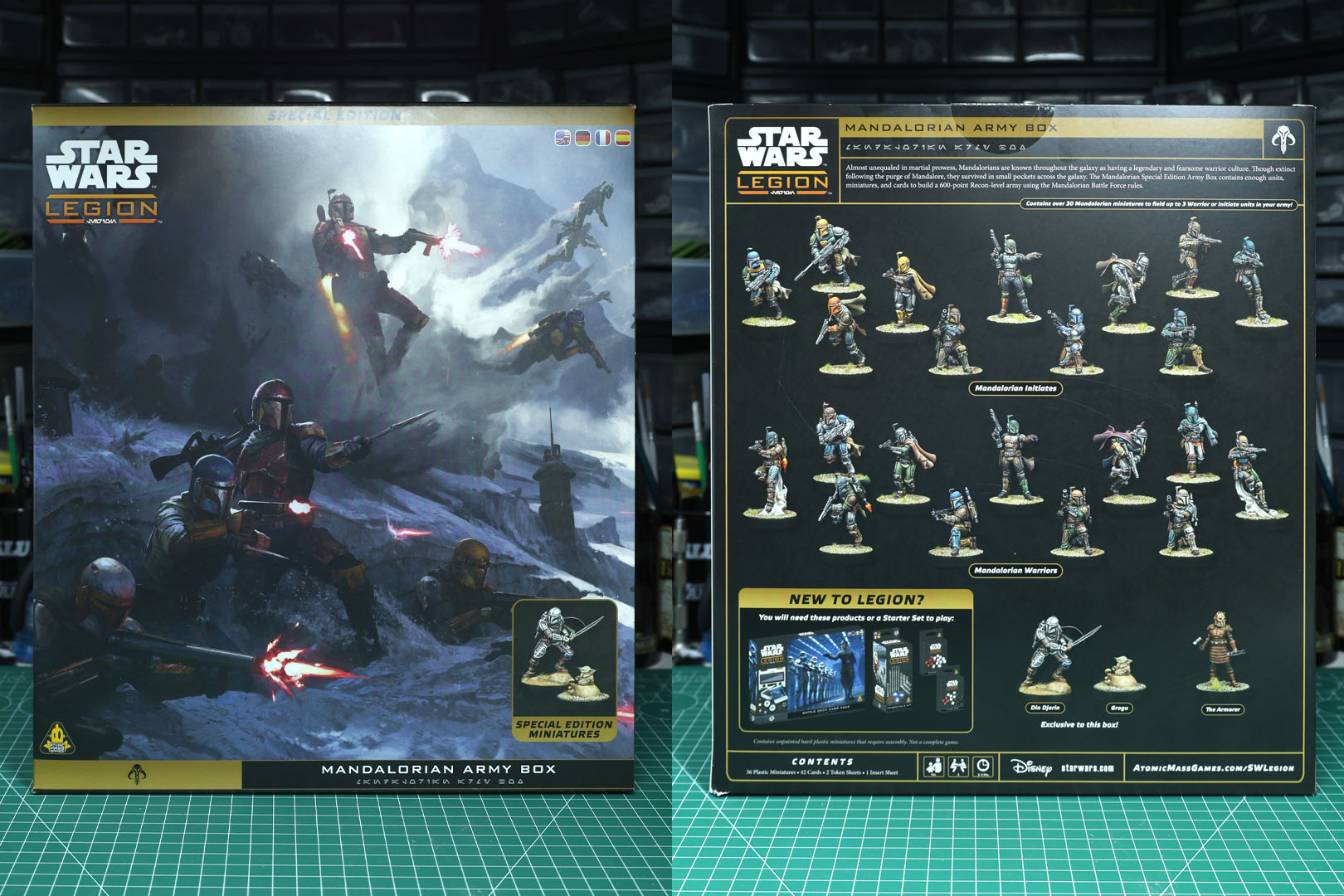
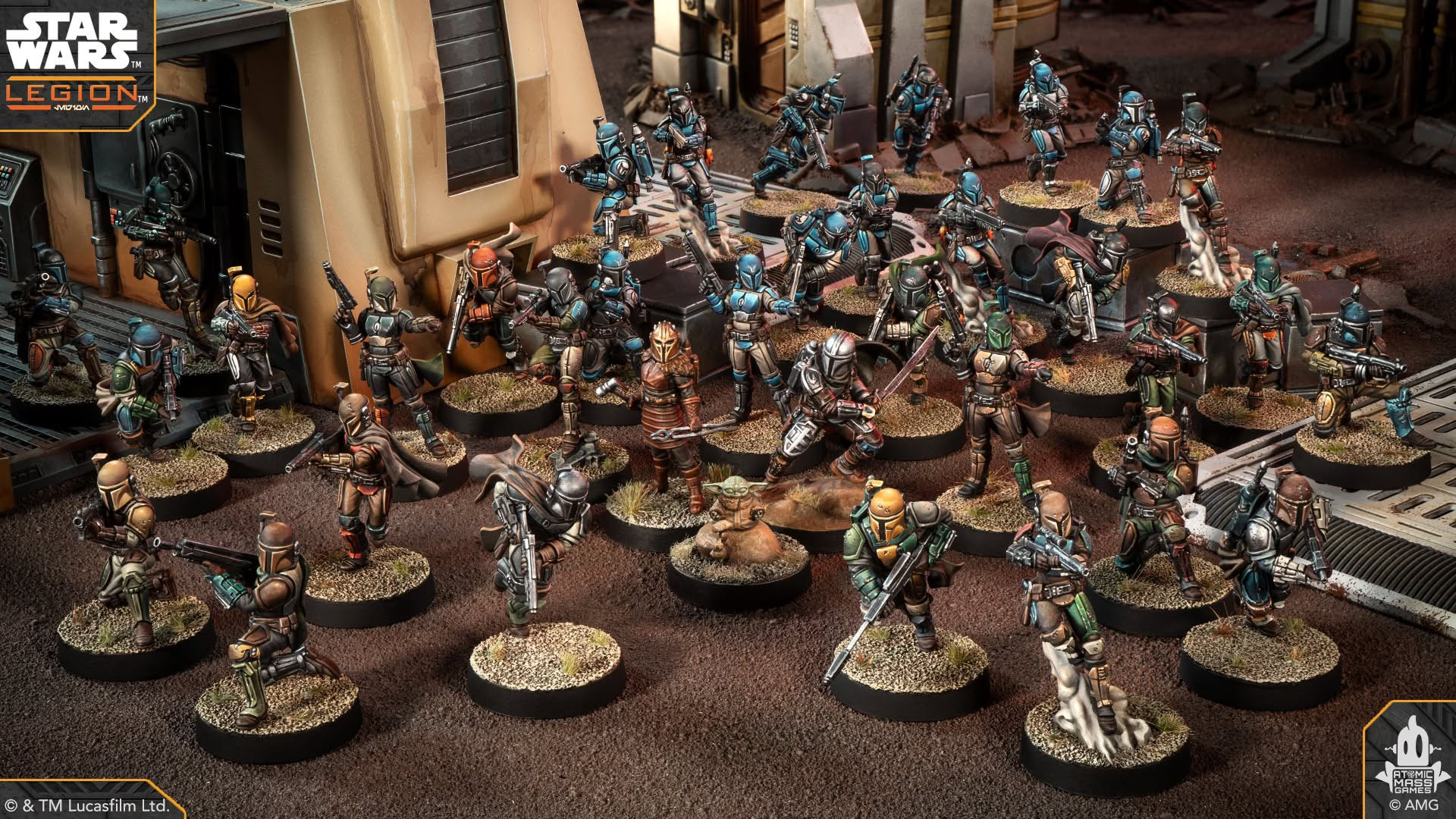
Just like the other Starter Sets, the SWQ150 Mandalorian Special Edition Army Box provides you with a 600-point Recon Level Army and covers 36 miniatures (the Galactic Empire box has 37), though the RRP is 139.99 USD instead of the 99.99 USD RRP of the other two Starter Sets. The printed content of each Star Wars Legion Starter Set is multilingual, covering English, German, French and Spanish.
These new starter sets contain new hard-plastic miniatures, as well as everything else you need to start playing Star Wars Legion: tokens, cards, dice and rulers. The only thing not included is the rulebook, which is available as a free digital download.
Star Wars Legion – Mandalorian Warriors
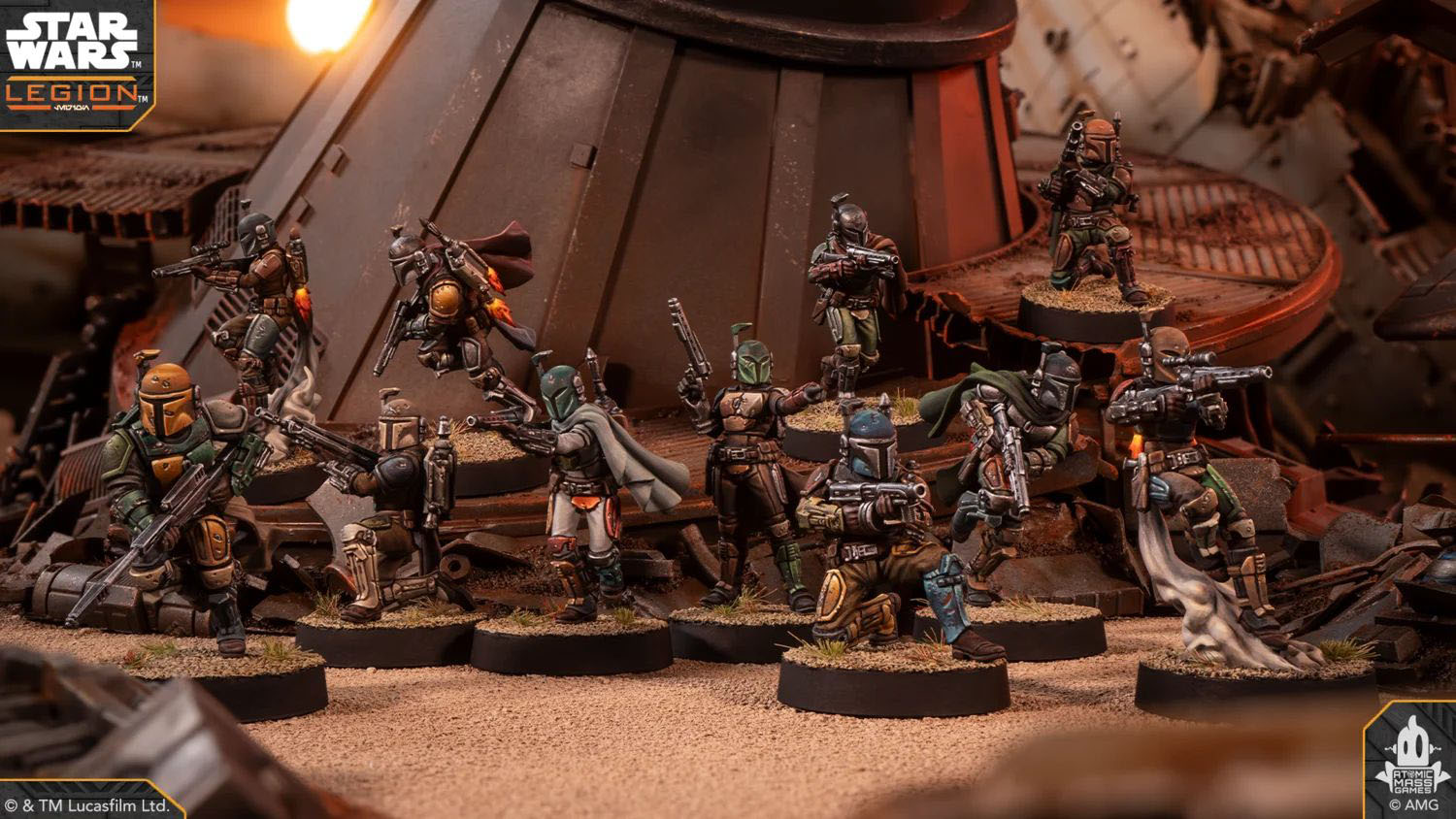
The core of the new Mandalorian Army box is the SWQ81 Mandalorian Warriors boxed set, which can be used to build multiple types of units: Initiates, Warriors, as well as Clan Kryze Veterans.
There are further infantry units for the Mandalorians, but these are specialised towards specific clans, like the Clan Wren Veterans or Super Commandos of either Maul's Shadow Collective or Clan Saxon.
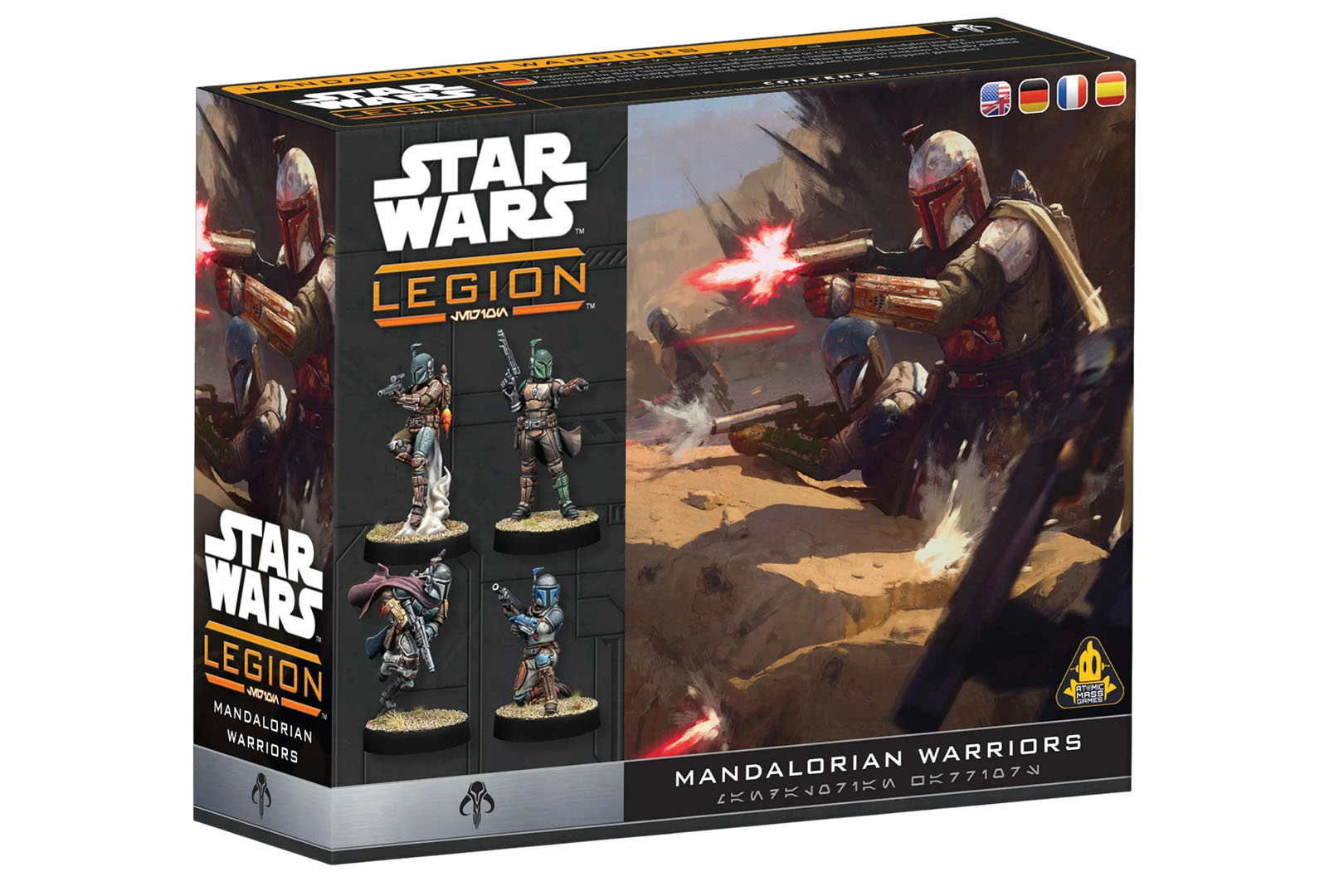
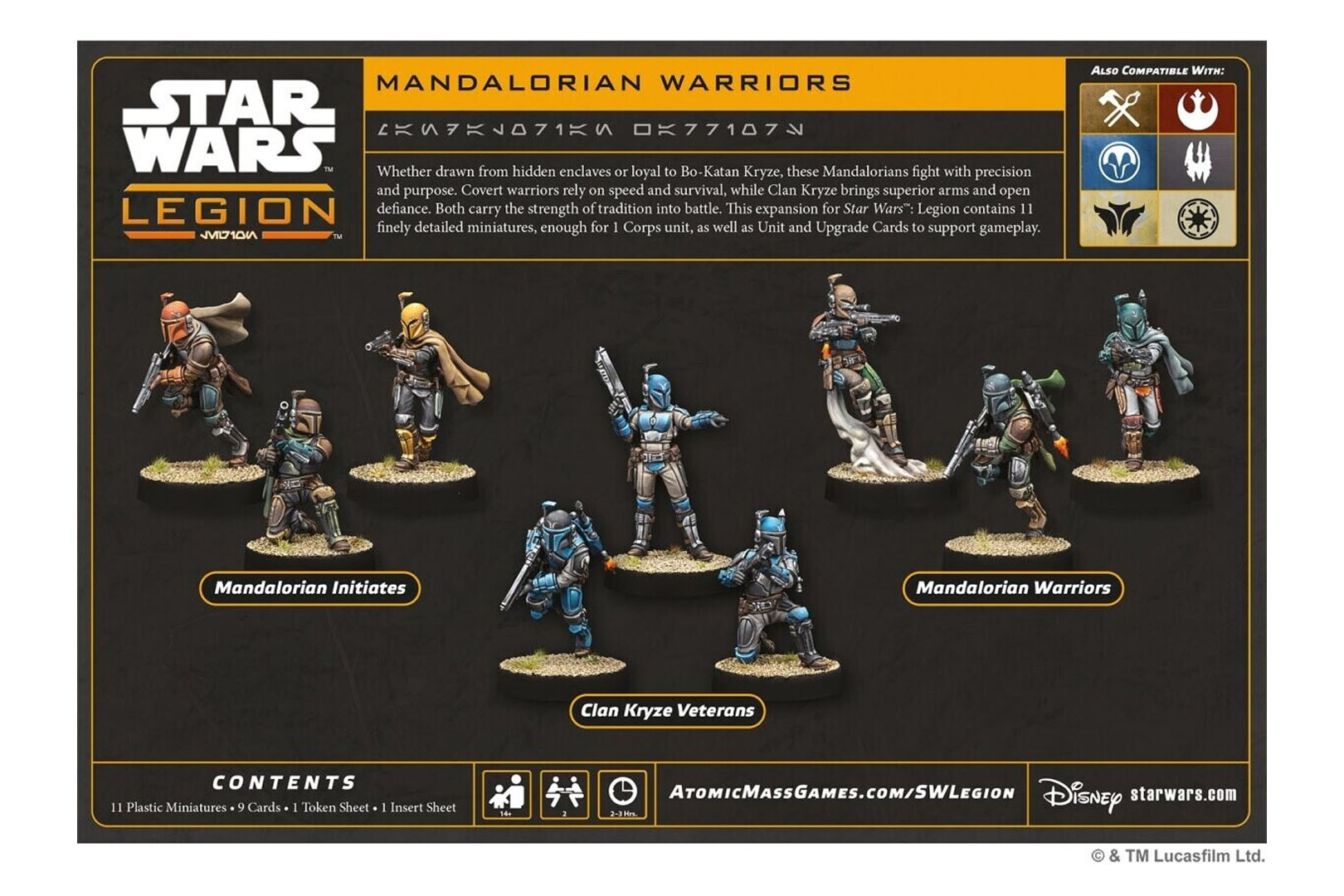
This boxed set, with an RRP of 62.99 USD, covers 11 miniatures of Mandalorian Warriors with various options, which we will cover further below in this review.
In case the only 'Mandalorian' you know is Boba Fett, let me give you a brief introduction:
The Mandalorians are a warrior culture from the planet Mandalore, historically feared across the galaxy for their beskar armour, clan-based society, and creed built around honour, combat and family (the idea that 'this is the Way'). Their history is marked by devastating wars, including conflicts with the Jedi and the Galactic Republic, and a near-total collapse of their culture during the era of the Empire, known as the Night of a Thousand Tears, which fractured them into scattered, hidden groups. They are not one unified people but rather a patchwork of clans and coverts with differing beliefs, ranging from strict traditionalists to more secular Mandalorians who do not follow the religious 'Way'.
If you want to dig into the lore, the best entry points are:
- The Mandalorian (TV series) – the most accessible modern introduction, following a lone Mandalorian bounty hunter, Din Djarin.
- The Clone Wars and Rebels (animated series) – cover Mandalore's civil wars, Death Watch, and Duchess Satine's pacifist government, plus deeper Bo-Katan Kryze material.
- Legends-era material (if you are open to older, non-canon lore) like the Karen Traviss novels, which go deep into Mandalorian culture and language (Mando'a).
Like us on Facebook

Follow me on Instagram

Categories
- events (212)
- fantasy (611)
- General (162)
- historical (649)
- Little Big Adventures (4)
- offtopic (5)
- reviews (554)
- science fiction (714)
- showroom (108)
- terrain (119)
- Uncategorized (1)
- work-in-progress (423)