Warhammer 40,000 – Tank Wrecks Pt 3
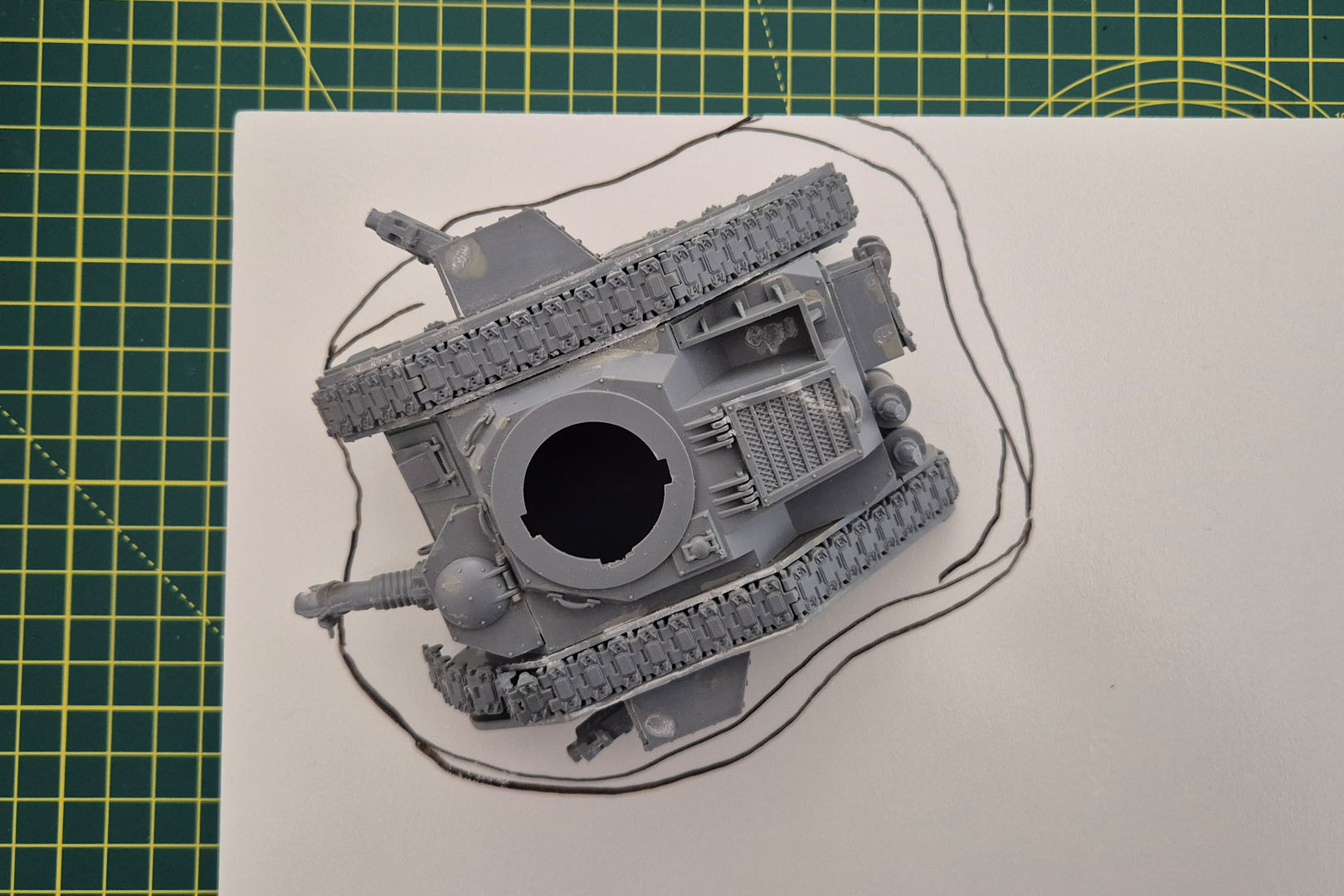
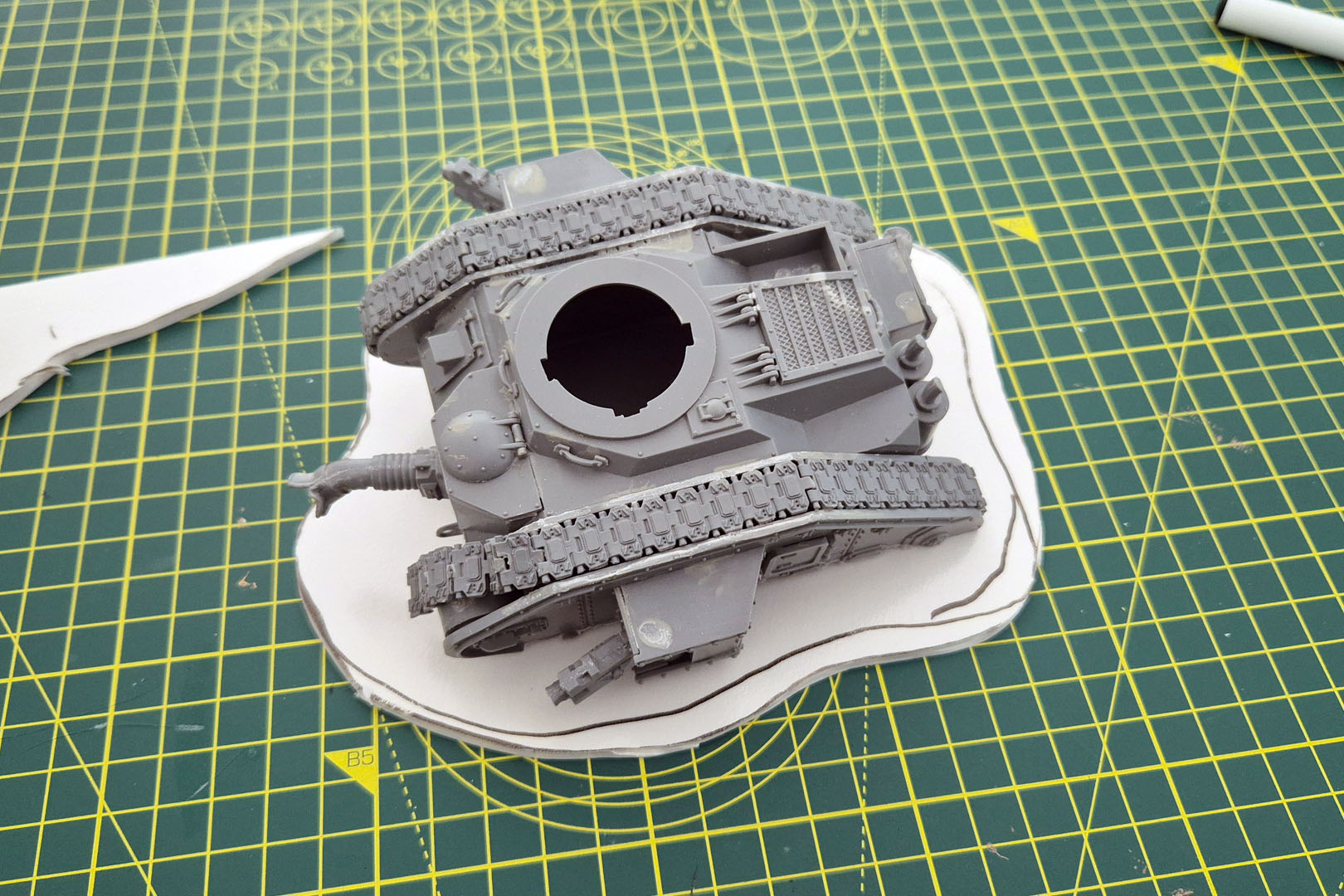
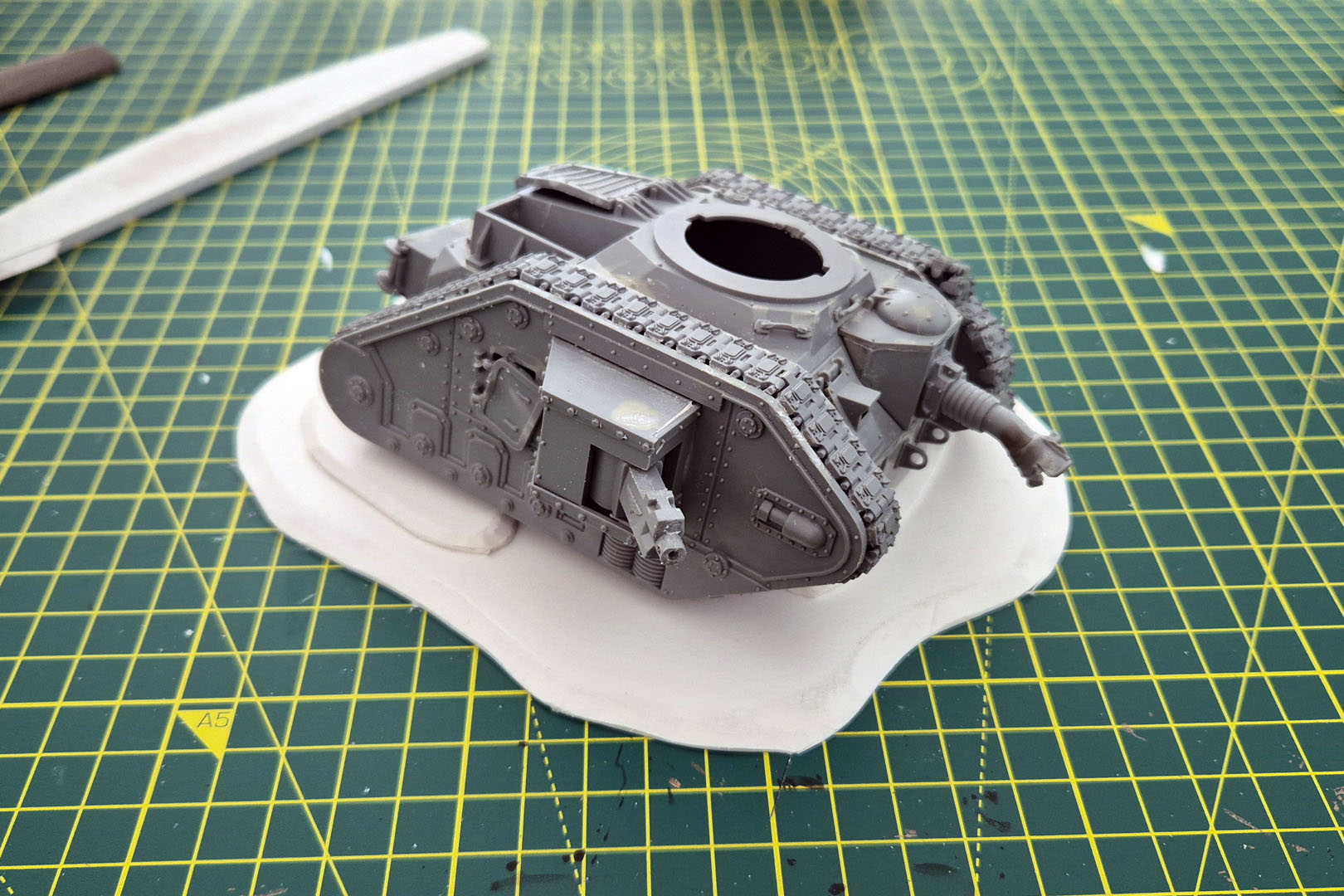
Let’s continue with our work on our eBay-rescue Leman Russ tank and turn it into a proper piece of terrain. I do not need a base for every terrain piece, but it makes sense in this case: it will help the wreck blend in more naturally with the tabletop and the surrounding scenery.
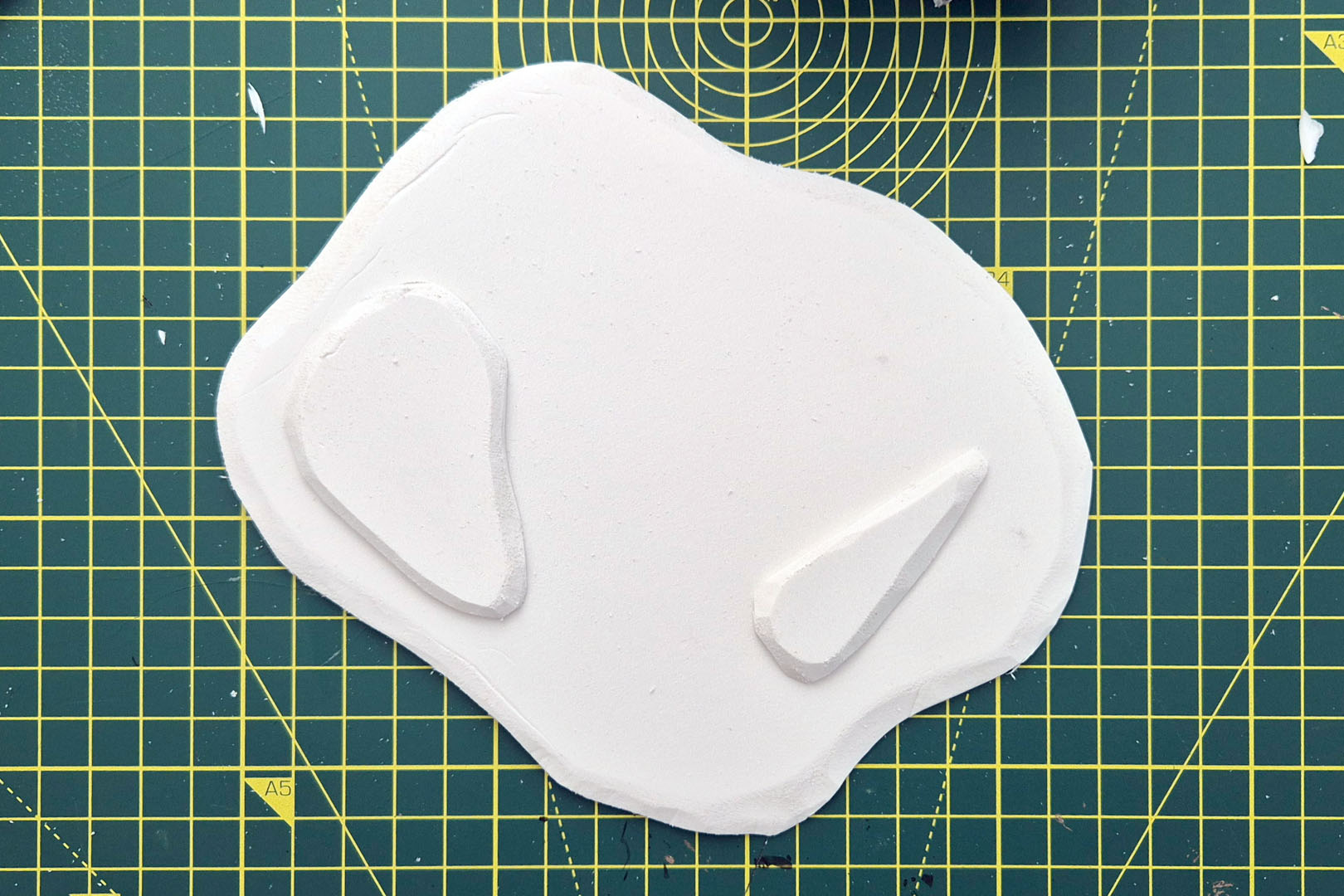
Just as with the cactus plants, I used PVC hard-foam board in A3 format and 3 mm thickness. Roughly mark out the outline, leaving a little extra room so that you can angle the rim of the base. I also used a few smaller pieces to create additional height and variation across the base.
Wheels & Tracks – Living Legends 2026
Last weekend, on August 8th and 9th, 2026, Wheels & Tracks - Living Legends took place in Laubuseschbach. This was the third time this gathering of historic military vehicles has been held, with the venue being the motocross track of the MSC.
Since it's already been 10 years since we attended Stahl auf der Heide, the big open day of the German Tank Museum, and since Tankfest in Bovington or Militracks in Overloon hadn't worked out for us so far, it was once again time to take a close look at the various vehicles in "large scale". Since Laubuseschbach is only three-quarters of an hour away from me, I packed up my son, father-in-law, and Holger (who had also joined some of our other trips, e.g. Stahl auf der Heide) and met up on-site with Evi and Tobias from Ancient Tracks.
Admission was 20 EUR per day ticket, or 30 EUR for both days. Children up to 12 years old had free admission. On top of that came the cost of the ride-alongs, which cost 5 or 8 EUR depending on the vehicle class.
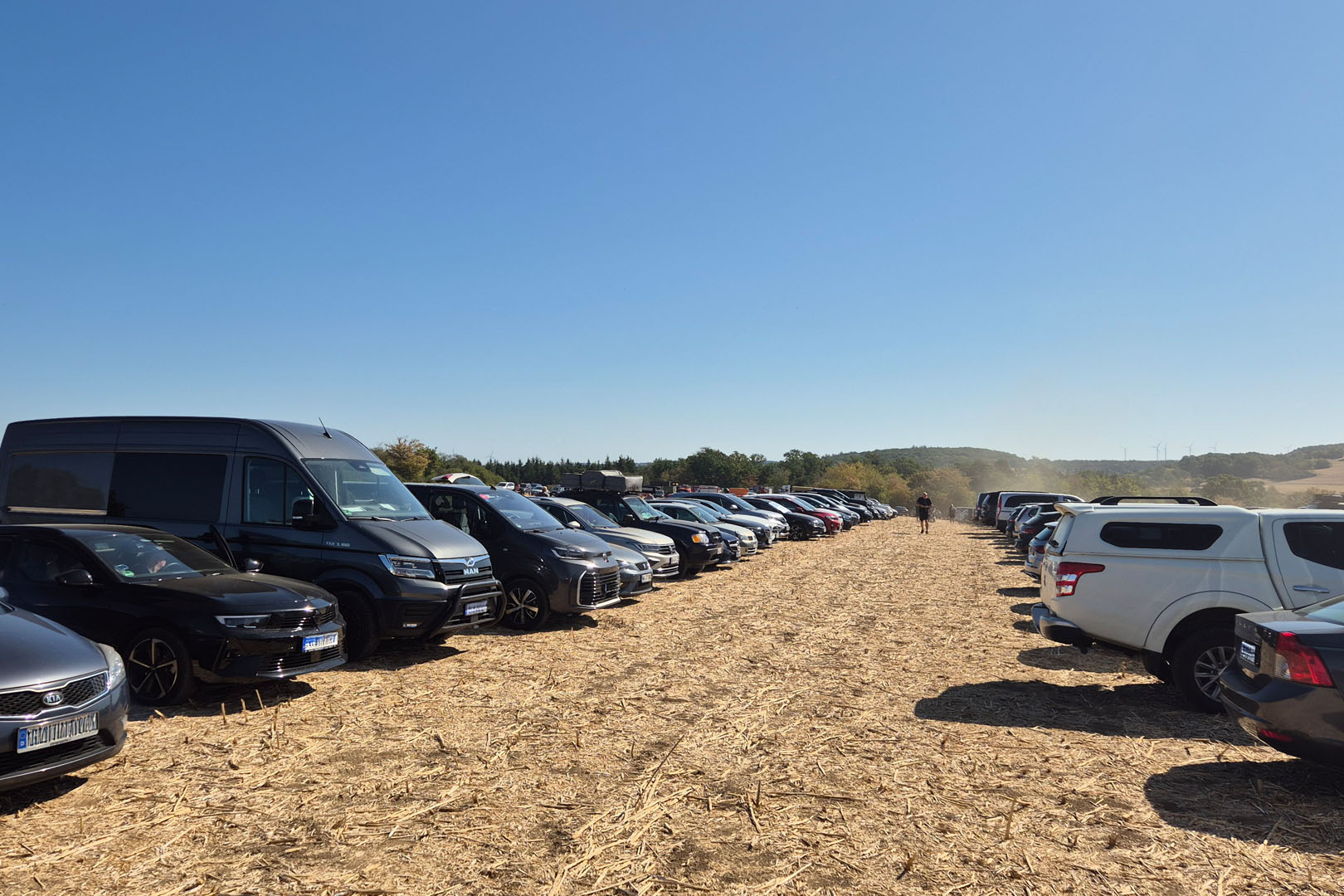
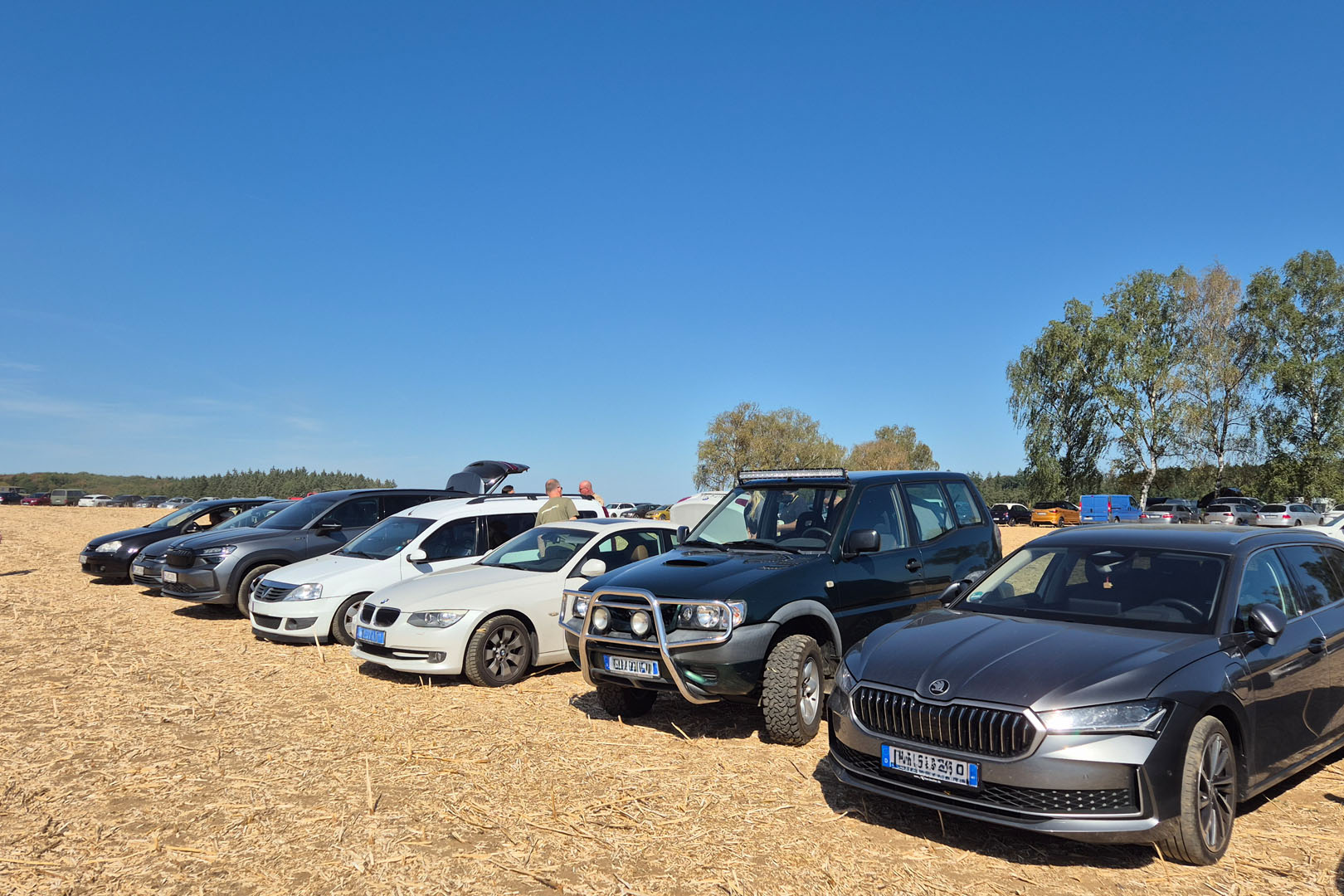
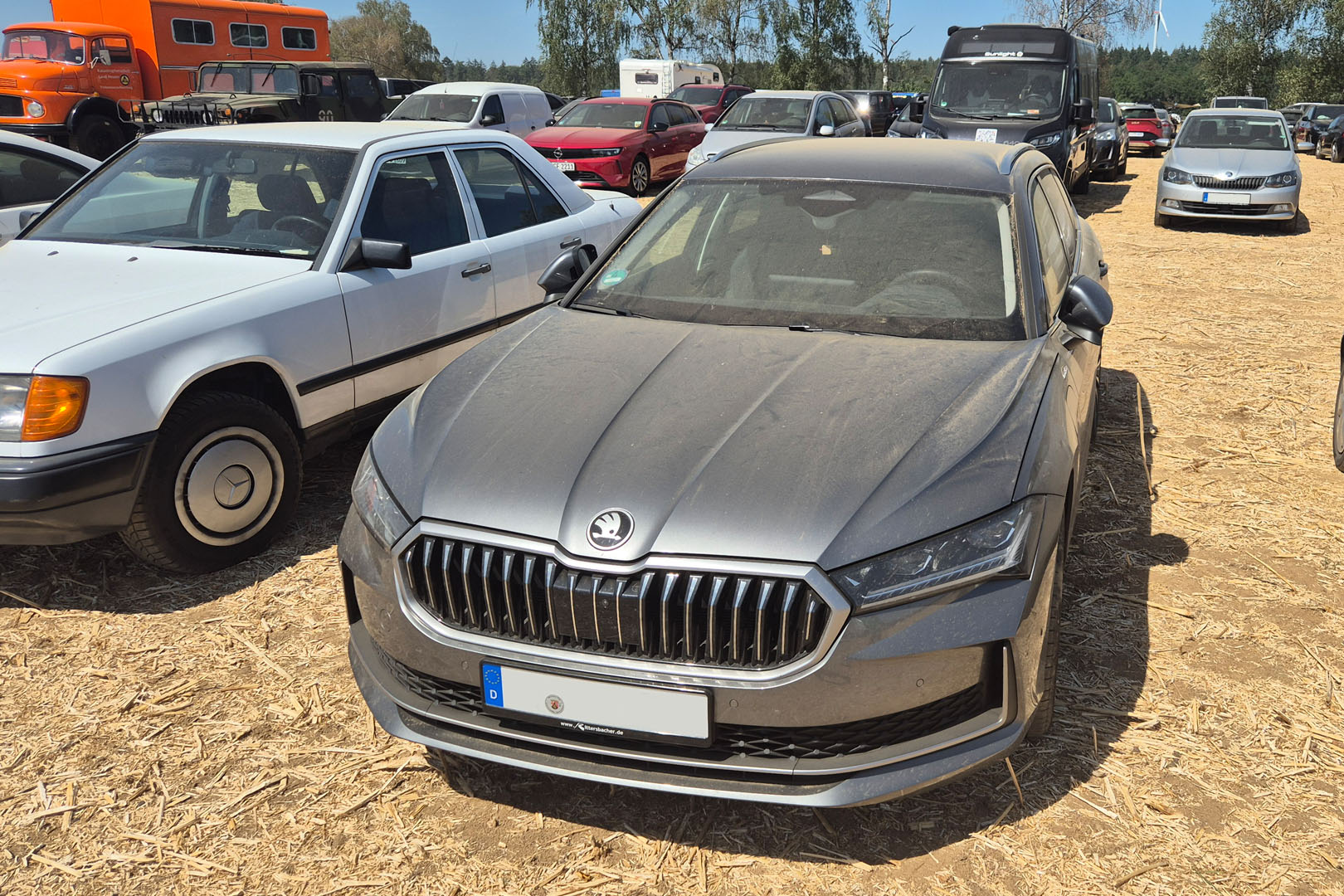
Regular readers know the drill: a photo of the parking lot is a must for our event reports. In this case, even with a small before-and-after picture of the car. We'll explain why further below.
The parking lot itself is spacious, since you park in a field right next to the large display area. Parking came to an extra 3 EUR.
Too Fat Lardies – What a Tanker!
The TooFatLardies have built a solid reputation for producing wargames that prioritise historical feel over rulebook complexity, with games like Chain of Command or Sharp Practice. With What a Tanker!, they returned to the Second World War back in 2018, publishing rules for tank combat with vehicles from various nations of that era. And while I didn’t have the chance to give that game a try at LARDwerp back in 2022, I finally had the chance to do so with Team Würfelkrieg last month, and I’d like to share my experience with the rules in this review.
To give you a brief orientation on the scale of the game: if you want a tabletop game that scratches the same itch as World of Tanks, putting you in the commander’s seat of a WWII tank without drowning you in charts and counters, you should keep reading.

As the release was a few years ago, the printed rules are a bit scarce (~30 GBP / 35 EUR), but no worries — you can still pick up the digital download in their store for 17 GBP.
What Is It About?
What a Tanker! is a tabletop wargame for two or more players set during the Second World War. Each player controls one or more tanks, with the goal of knocking out the opposing side’s vehicles, either through sustained damage or a catastrophic hit. The game covers the full span of the war from 1940 to 1945, with national tank lists for Germany, the USA, the Soviet Union, Great Britain, France, Italy and Japan all included in the rulebook.
Those lists are substantial. On the German side alone, you’ll find everything from the early Panzer II and Panzer III variants of the Blitzkrieg years, through the mid-war workhorses like the Panzer IV F2-G and StuG III, right up to the heavy hitters of the late war: the Panther, the Tiger I, the Jagdpanther and the King Tiger. The Allies are equally well covered. British players can work their way from A13 Cruisers and Matilda IIs up through Cromwells and Sherman Fireflies to the Churchill Mk VII, while Americans progress from M3 Stuarts and Grants into the various Sherman variants and ultimately the M26 Pershing. Soviet players get a compelling path through T-34 variants, KV heavies and the fearsome IS-2. Each nation also has a career ladder that maps tank progression year by year, so there is a genuine sense of historical context to how forces develop over the course of the war.
June 2026 review
Halfway through 2026!
The year is already half over, and we have seen quite a bit so far. CONflict Rheinland may have taken place at the end of May, but the coverage only went online in June, so I’m including it here as well. Once again we had our own table, played a good amount of games, and had a really solid day overall. What more could you want?
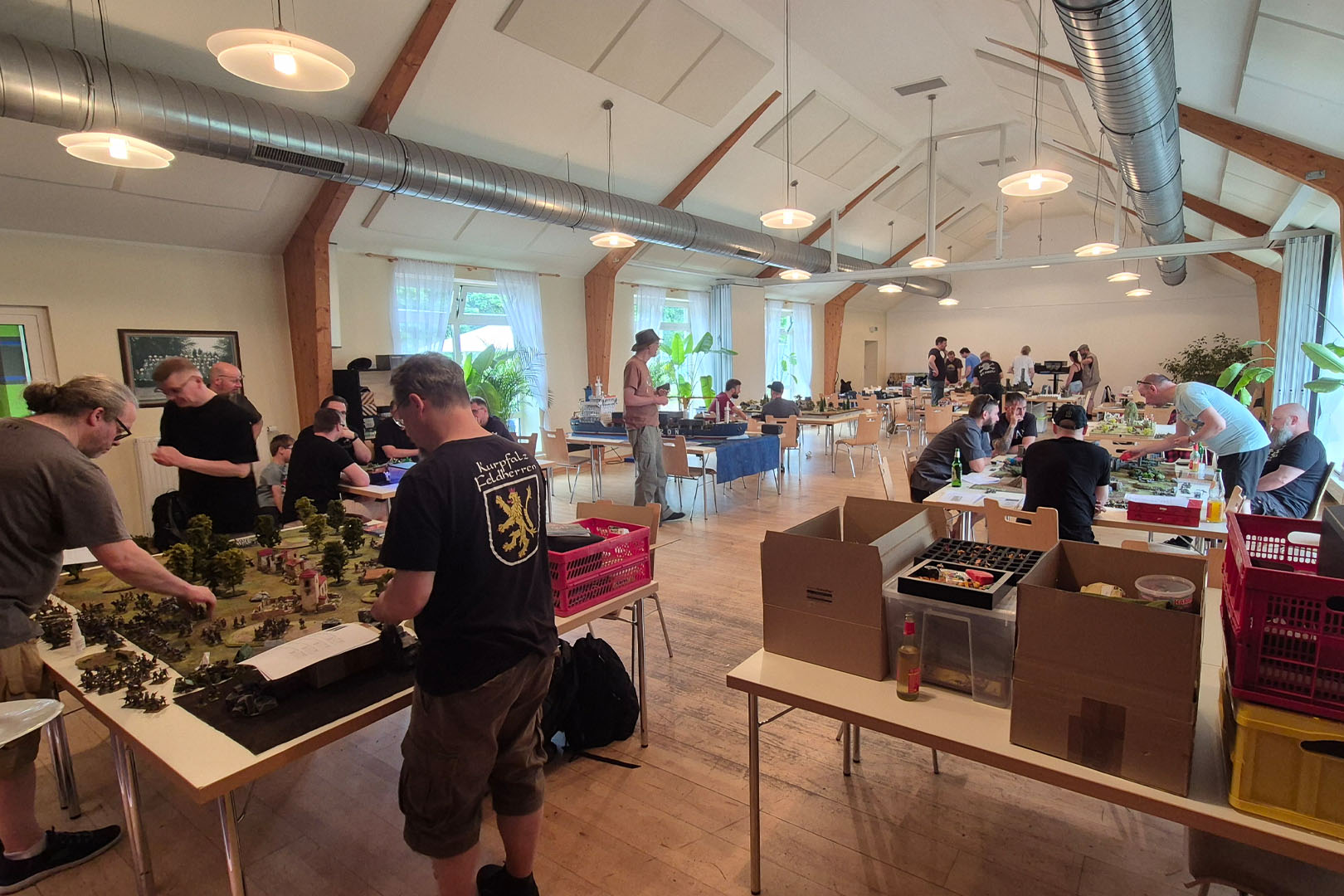
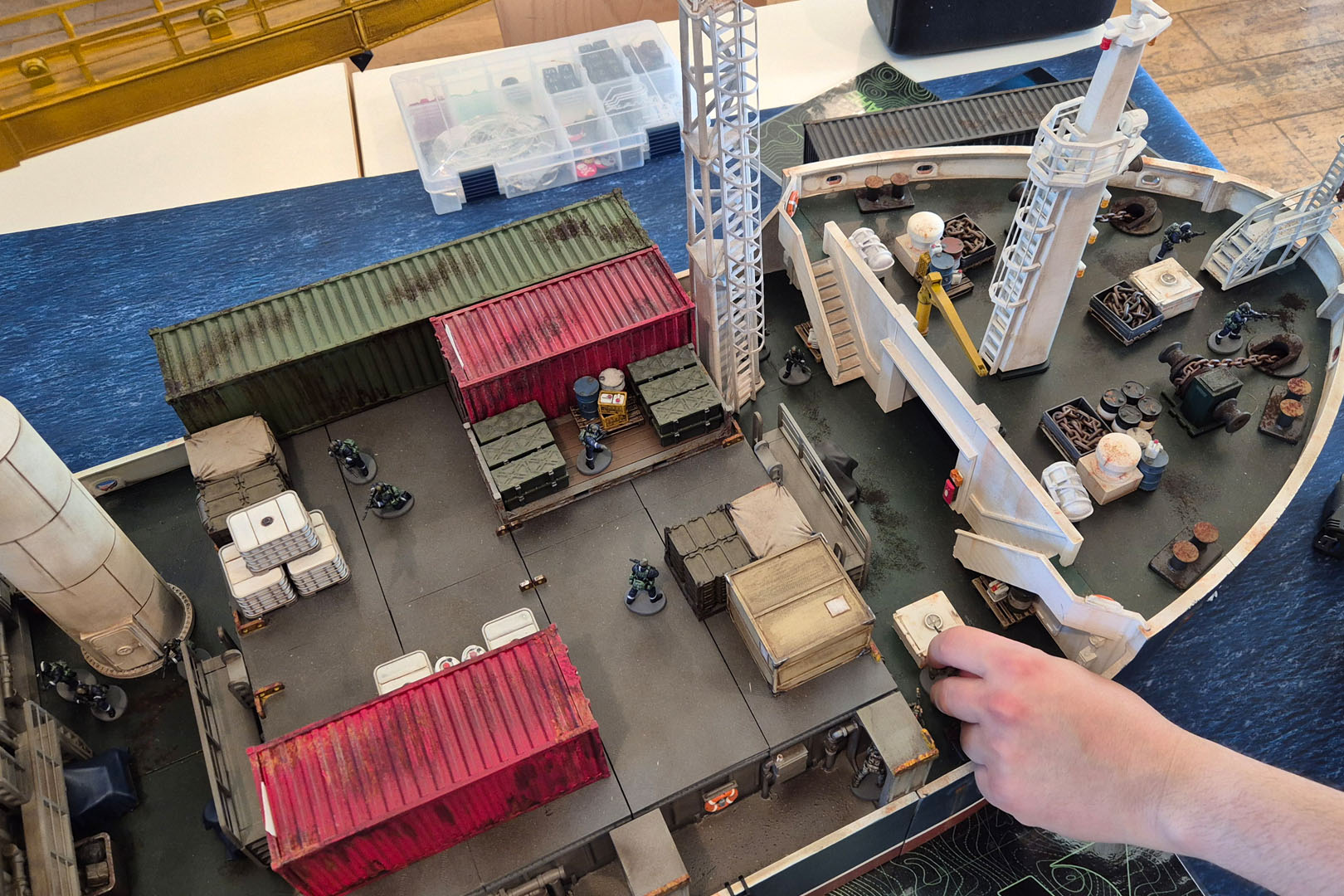
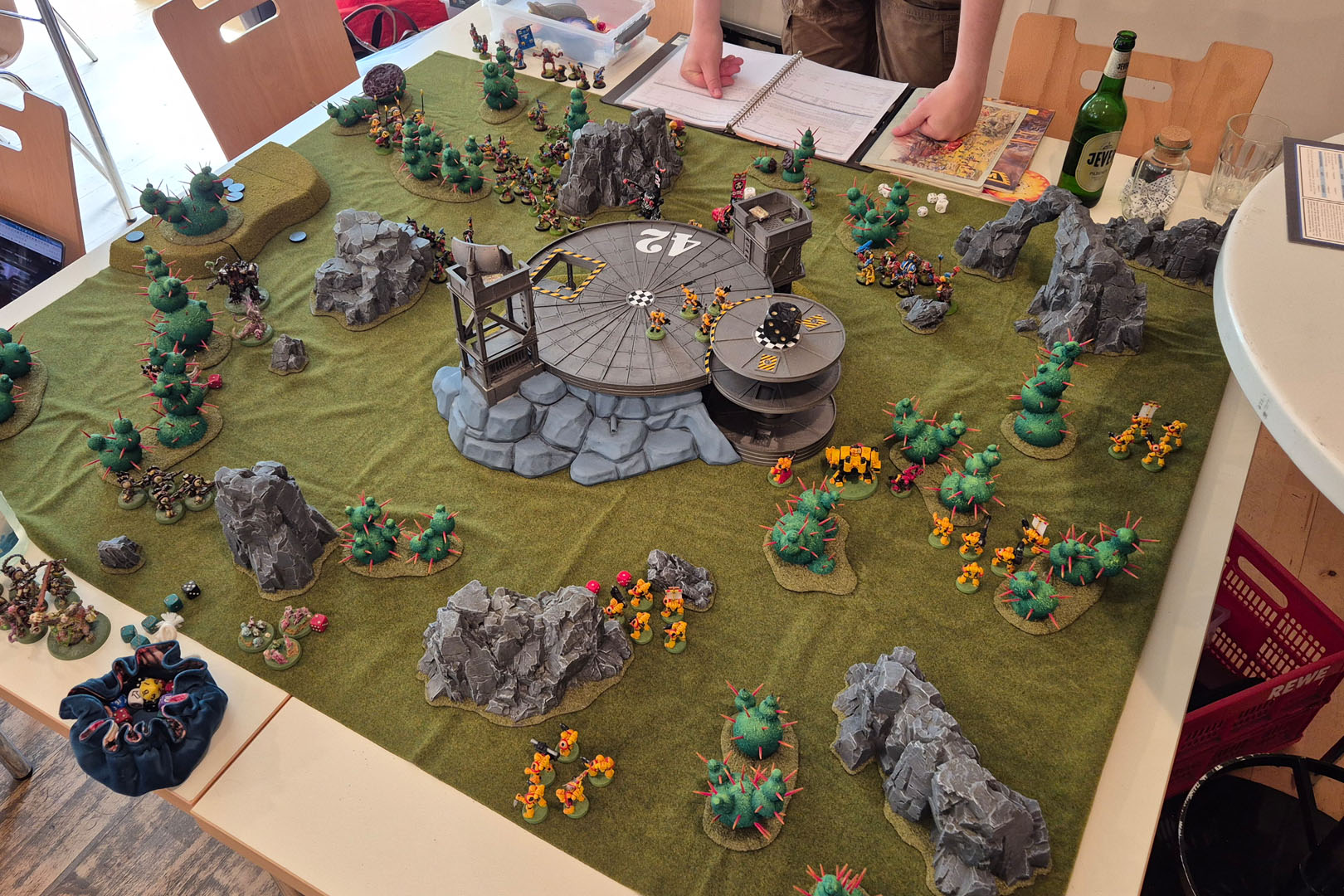
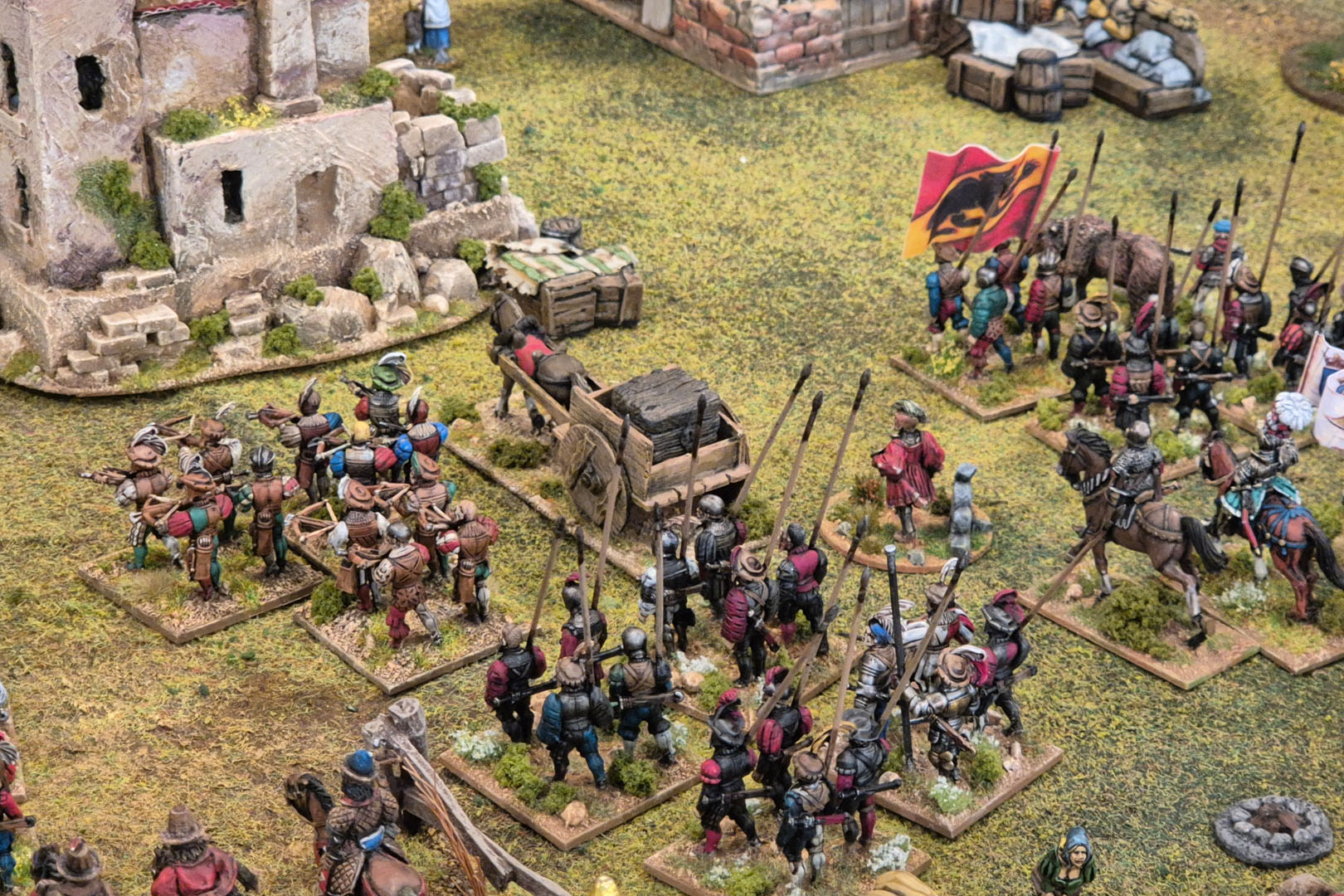
It is a bit of a shame, though, that the next tabletop event, as things stand now, will not be until September: Rhein Main Multiversum 2026 in Nidderau. So there will have to be a few private sessions in between.
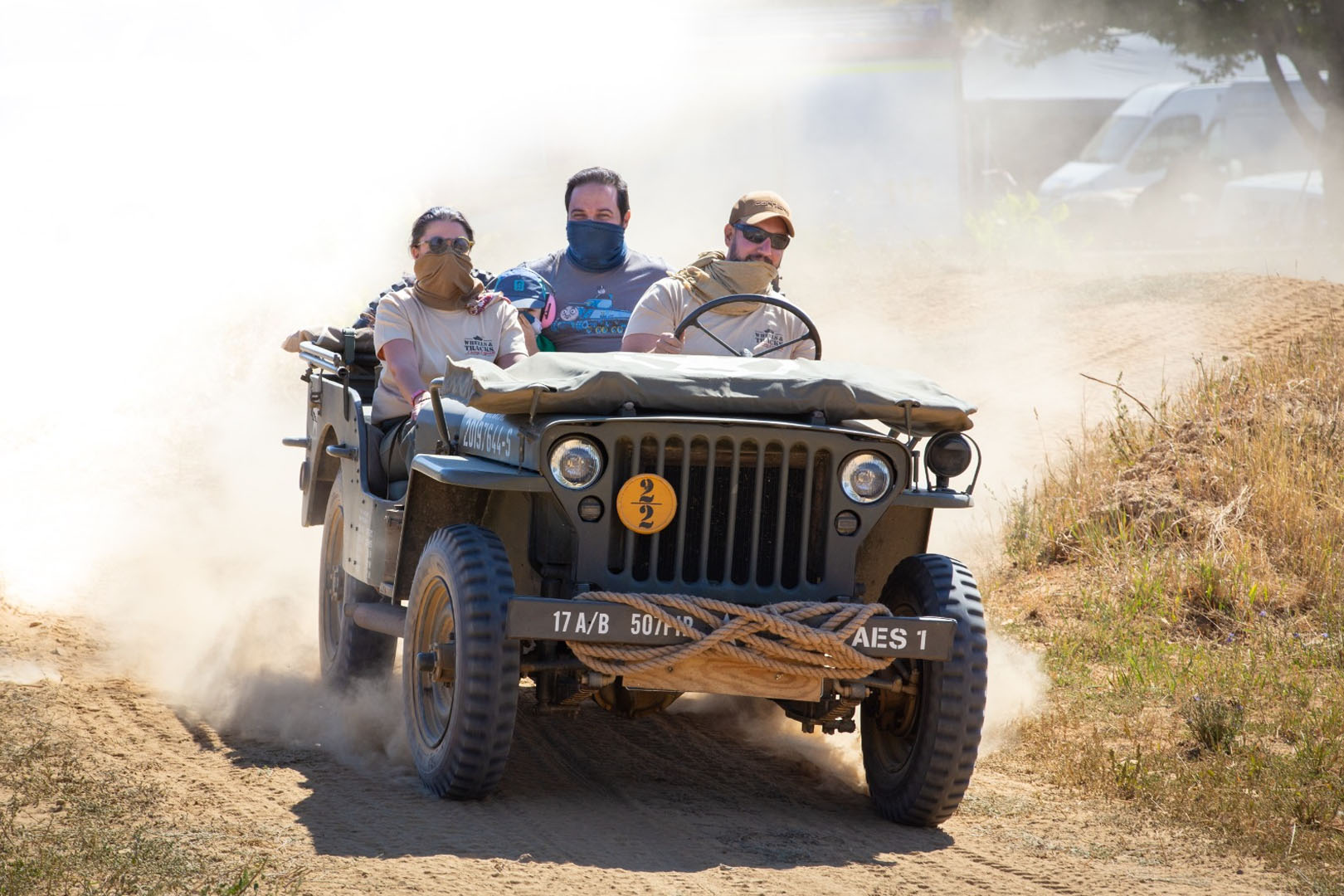
Speaking of private gaming sessions, there were a few of those in June as well. I met up with Team Würfelkrieg for some gaming and bbq, and we played a few rounds of What a Tanker! That will definitely be continued with more games later on. The highlight, though, was the ride in the Willys Jeep.
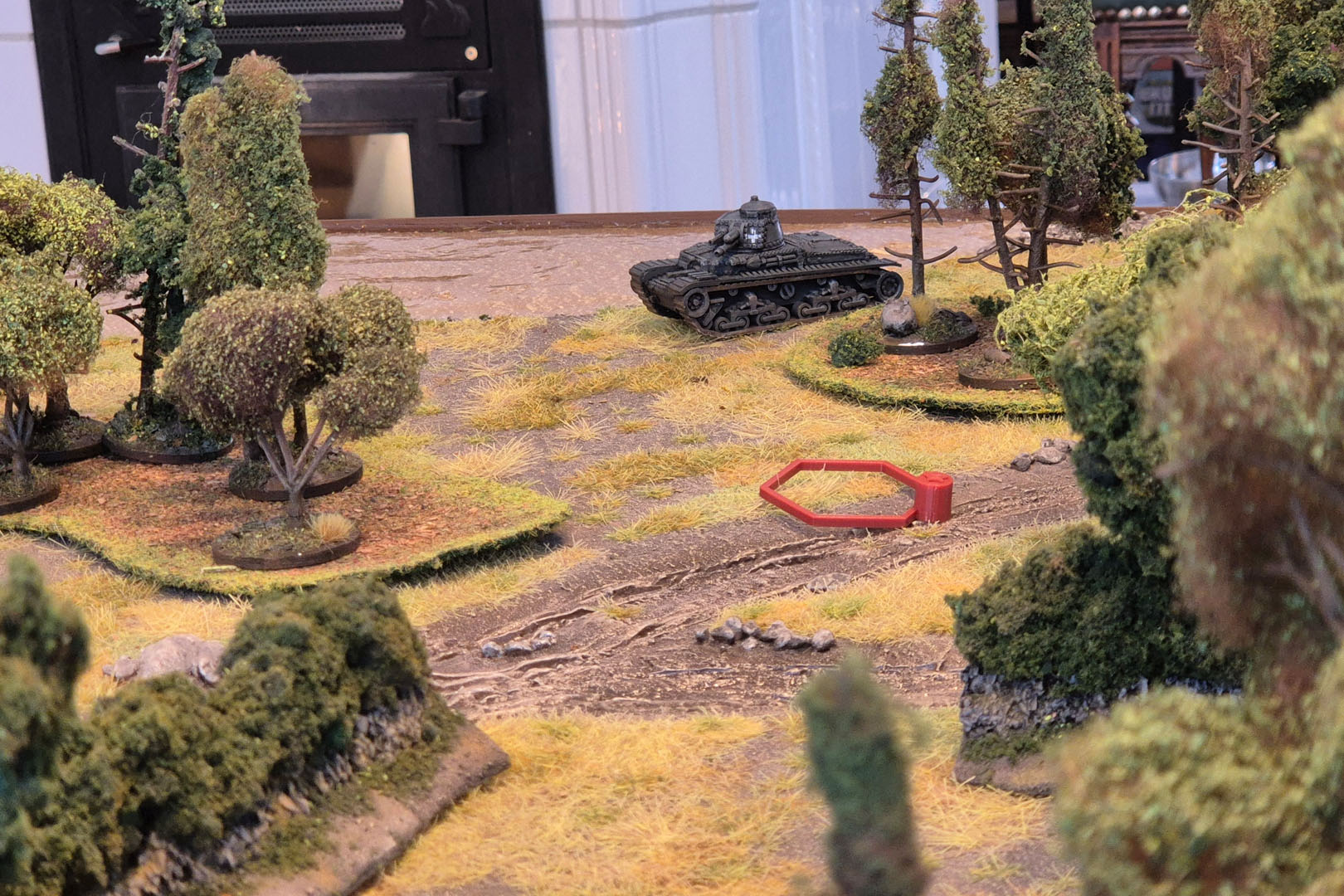
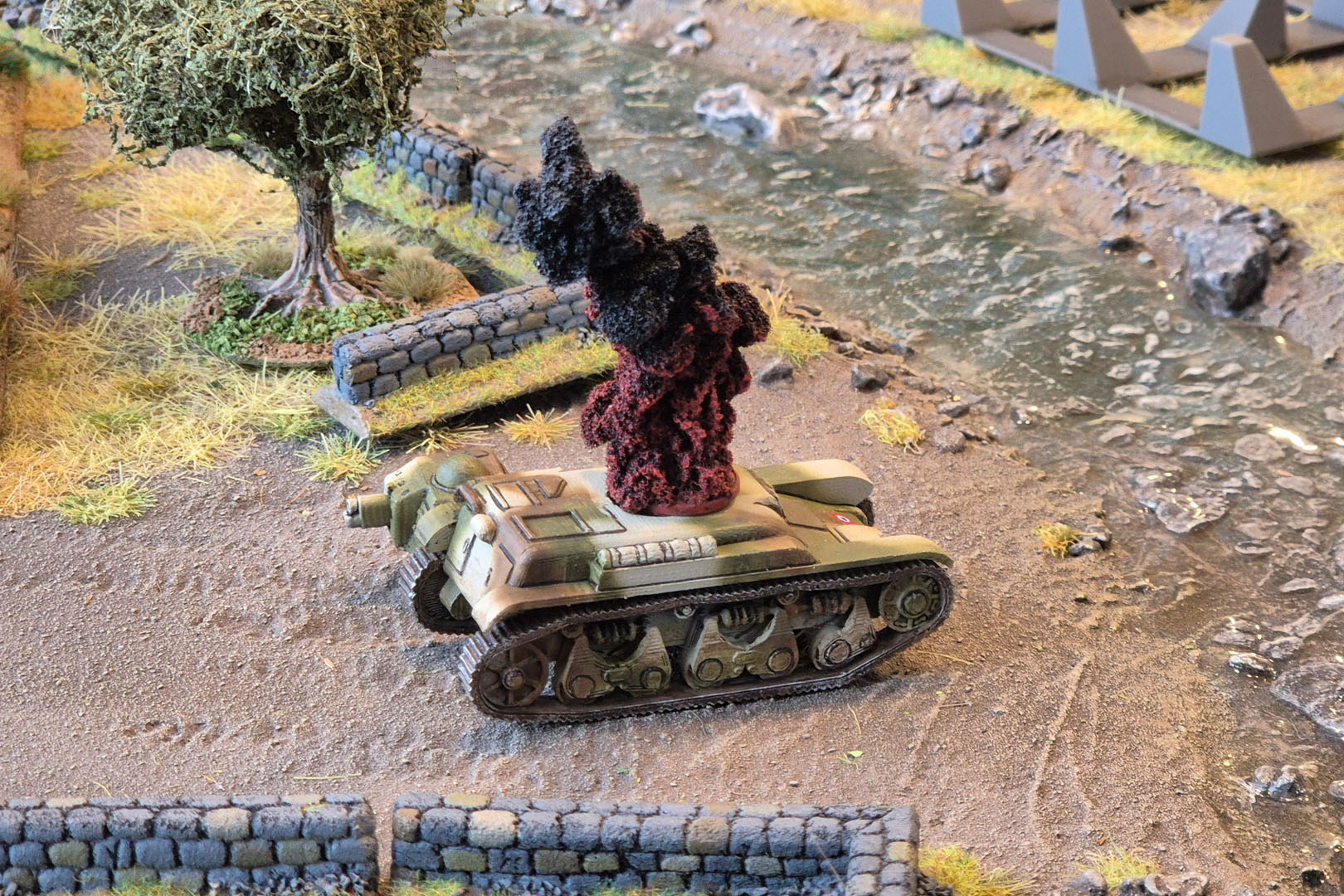
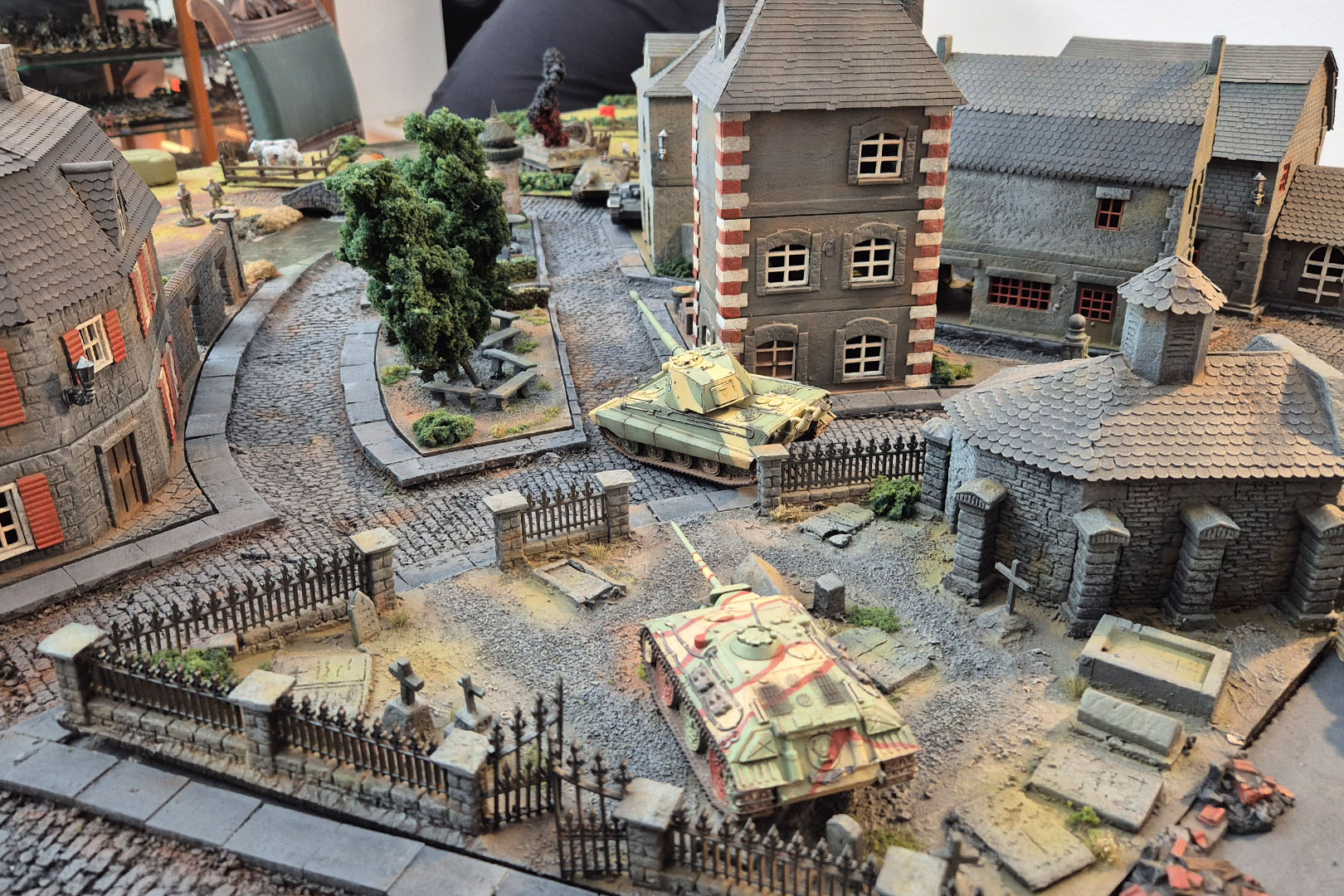
Konflikt ’47 – House rules for Löwe Project Fenris
With the progress of the kickstarter campaign of Panzerdivision Cerberus one of the stretch goals was presented, the Löwe tank with a Sci-Fi / Weird War weapon set. But as this would be not just a stretch but simply not fitting most World War 2 settings, I didn't write house rules for Bolt Action but rather Konflikt '47 for this unit.
Enjoy!
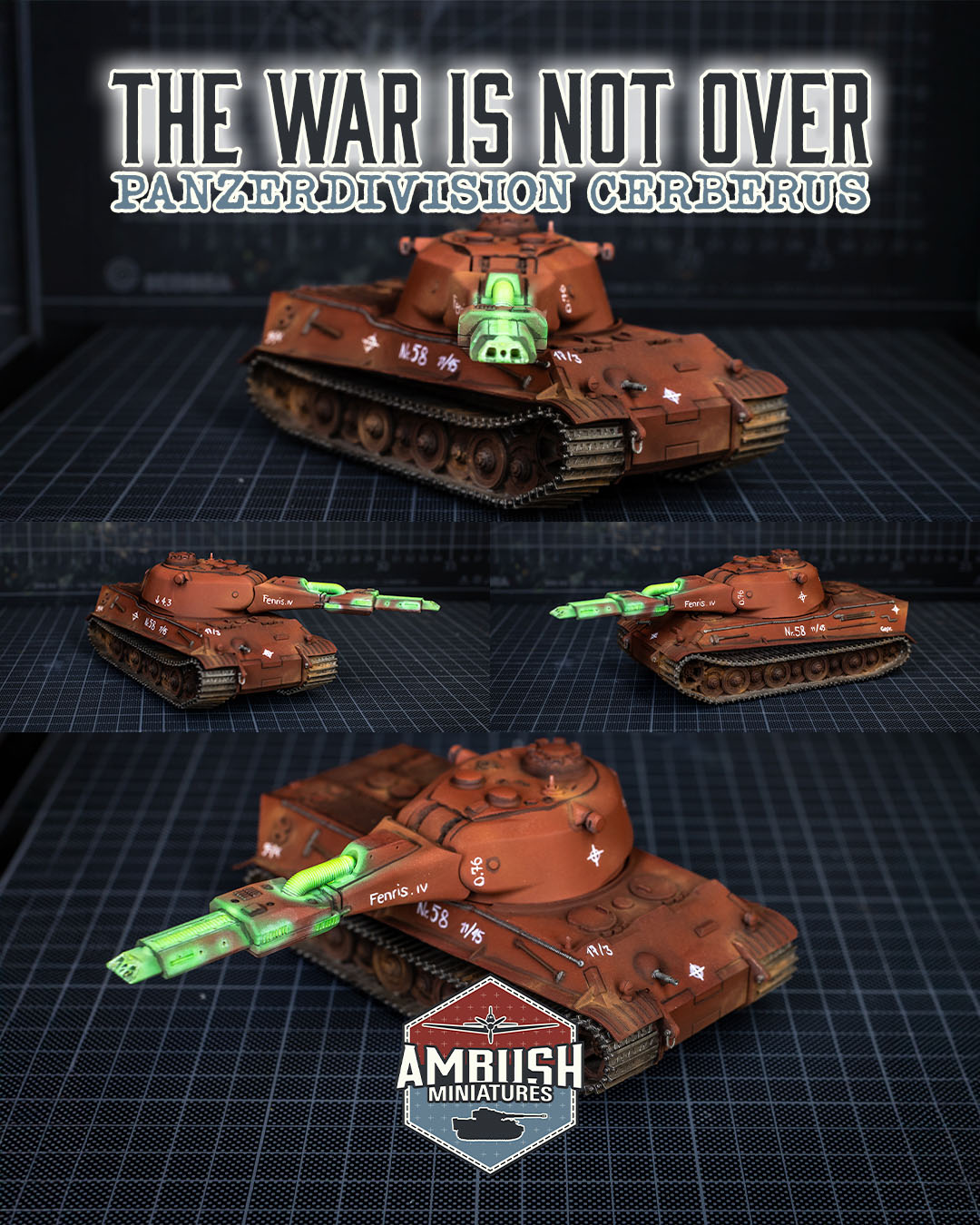
Panzerkampfwagen VII Löwe Project Fenris
The Panzerkampfwagen Löwe was one of the more ambitious German heavy tank projects of the war, envisioned as a breakthrough vehicle with exceptional armour and heavy armament. Various proposals were made for the design, ranging from a somewhat lighter version to an even more heavily protected super-heavy concept. Had it been built, the Löwe would likely have been used much like other German heavy tanks: as a fearsome assault vehicle intended to smash through enemy positions and challenge opposing armour head-on. But whispers spoke of an alternative weapon developed for the Löwe. Not simply another gun, but something far more experimental. A weapon based on a completely new and untested technology. Project Fenris.
Reports are scarce and often contradictory. Some describe devastating battlefield performance, while others claim effects that seem almost impossible to explain.
(Use these house rules or just use PzKpfw. VI Königstiger Ausf. X from p. 47 of the Axis army book)
Unit Type: Super-Heavy Tank
Requisition Points: 487pts (Regular), 585pts (Veteran)
Standard Weapons: 1 turret-mounted Schienenkanone and 1 forward-facing hull-mounted MMG
Movement Rate: Advance Up to 9", Run 9"-18"
Damage Value: 11+
Quality / Morale Value: Regular (9), Veteran (10)
Rift Unit (Only if Armed with Schienenkanone): Rift Dice (1), Hyper Velocity Weapon (see K'47 rulebook, page 84)
Options: May add 1 pintle-mounted MMG for +15pts, Replace Turret-mounted Schienenkanone with Super Heavy Anti-tank Gun -35pts.
Special Rules: - Armoured All Around
- Slow
Warhammer 40,000 – Tank Wrecks Pt 2
After stripping the Leman Russ in the last article, it was time for the next step.
I needed inspiration for a tank wreck, and gathering ideas wasn’t all that easy. Since Warhammer tanks are much closer to World War II-era vehicles than to modern combat tanks, I looked for inspiration there. That led me to a Panzer IV wreck in Normandy and a Sherman wreck, this one was used in Lebanon in the 1980s, but in terms of design it is still very much a 1940s tank.
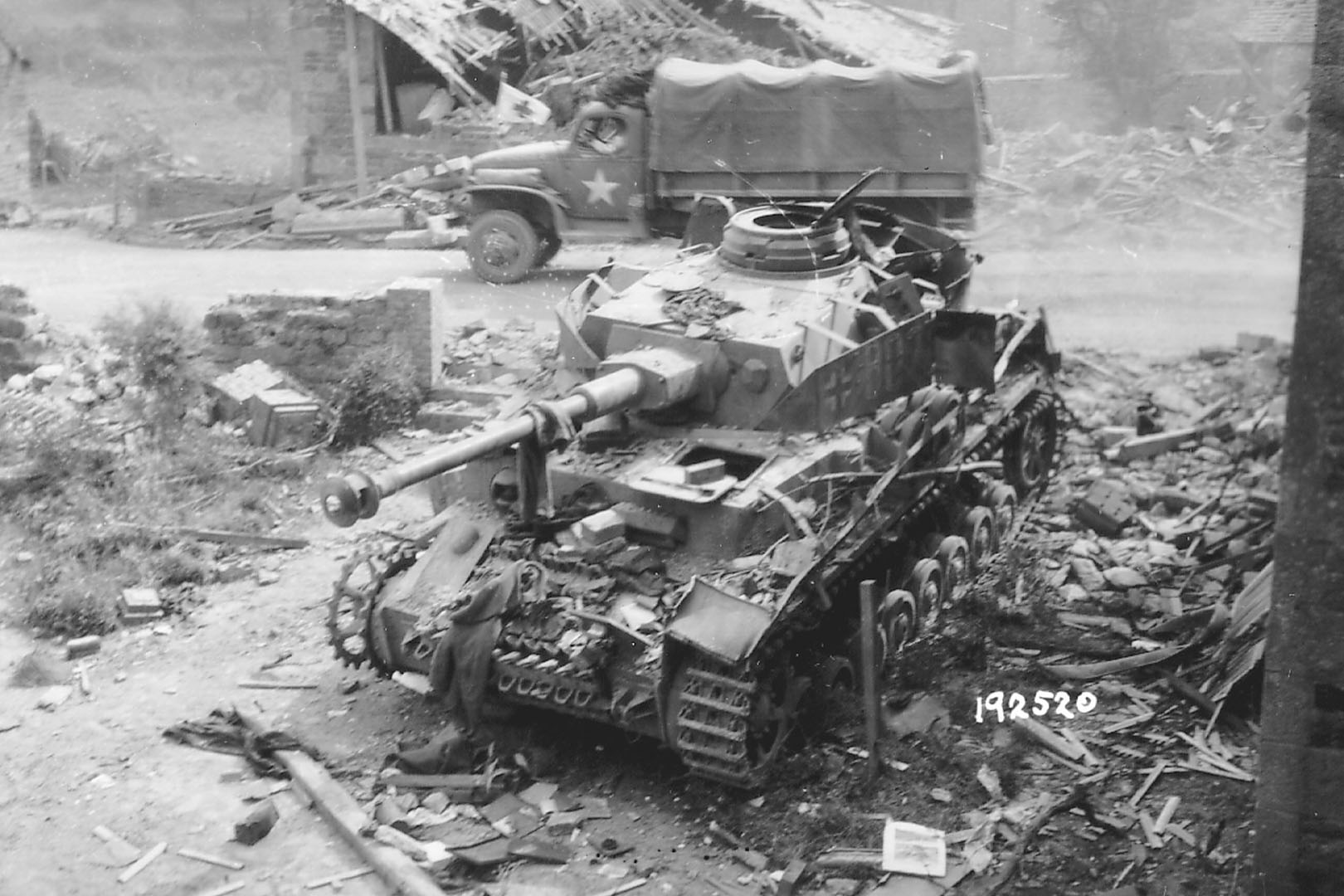
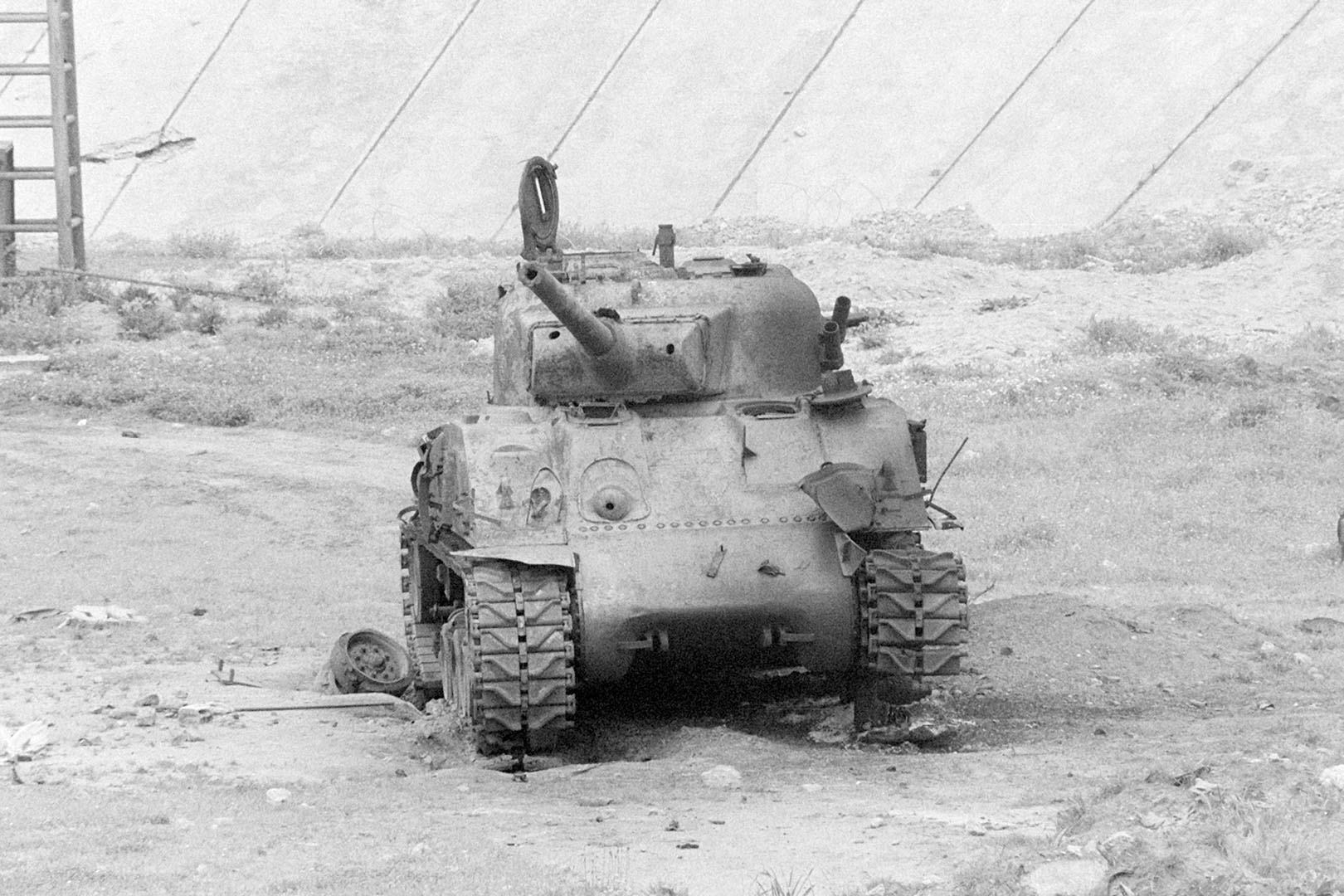
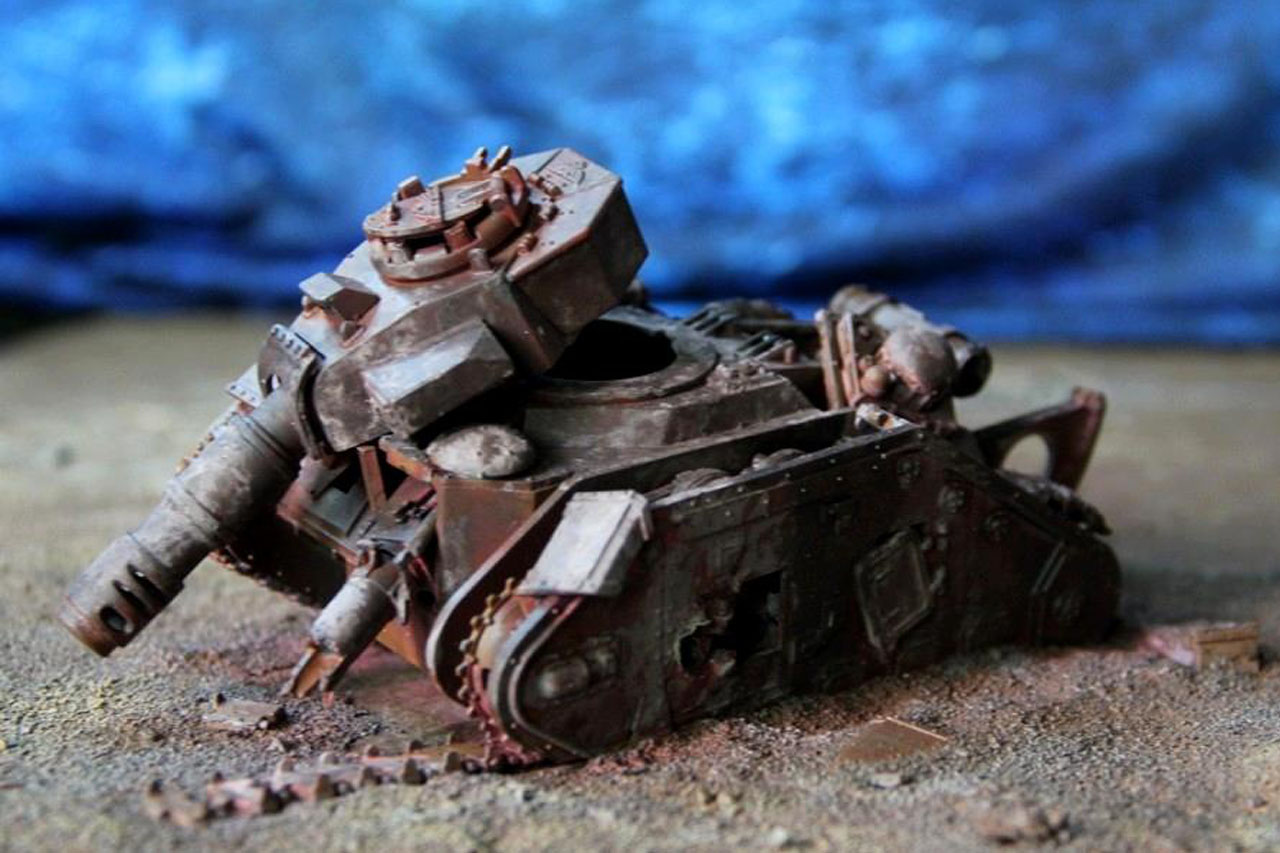
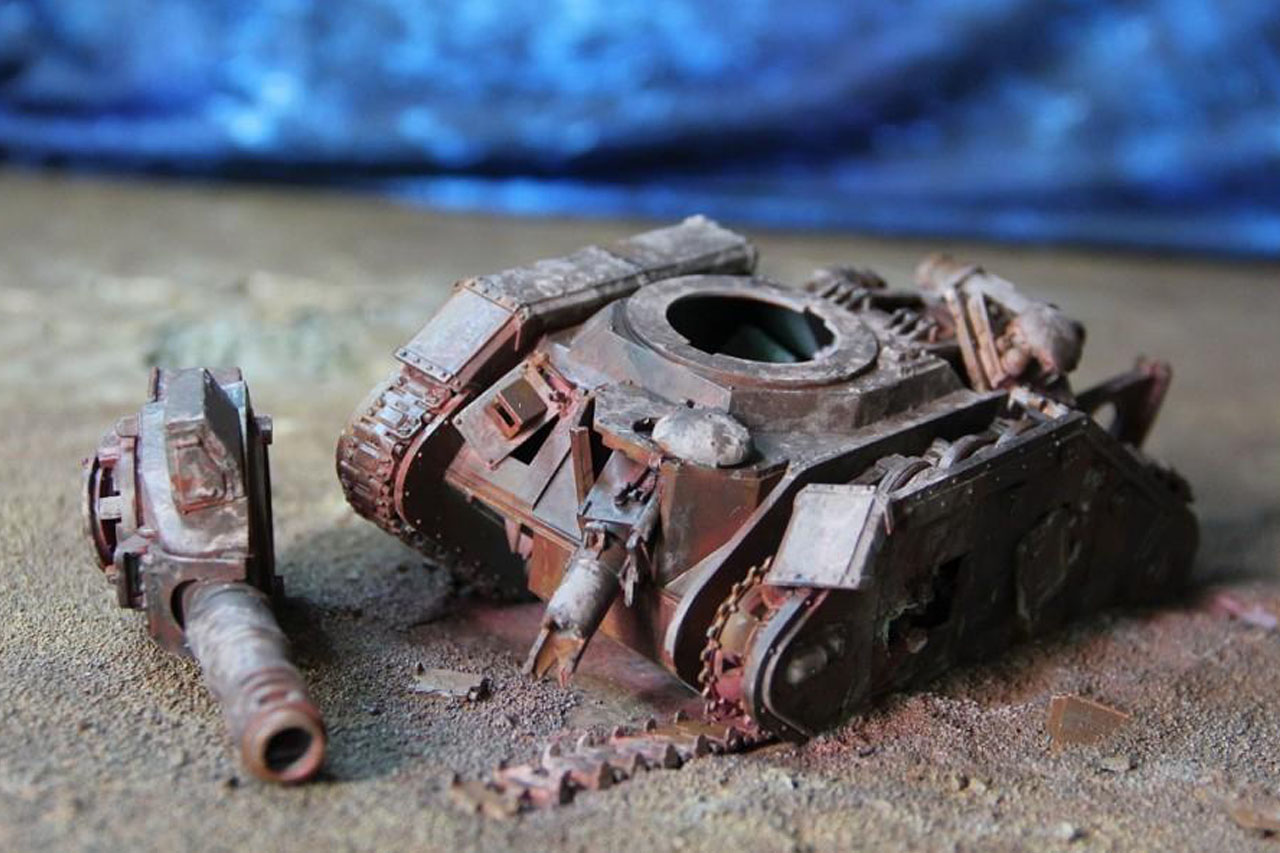
The question was how to transfer this kind of damage onto the Leman Russ while still keeping it retro. I found a great reference on DakkaDakka by NeoxRonin: an excellent burned-out wreck. As you can see when comparing it to the model from the last article, the version is much more modernized and a little too grimdark for the colourful tables of retrohammer but it is still an amazing paint job and conversion. He also used Death Korps trench rails and air filters on the model, along with replacing the sprocket and wheels with parts from a model kit.
Warhammer 40,000 – Tank Wrecks Pt 1
In addition to the other items I've built for my terrain collection, I wanted to add some tank wrecks. In 40k 2nd edition, they actually served multiple purposes, as vehicles (and some other larger models like walkers/dreadnoughts) were not simply removed from the table, but were recommended to stay on the table as wrecks, to provide cover or an obstacle for the remaining units.
I have an "eBay rescue," if you will or rather, a former colleague of mine stopped playing Warhammer and sold off his remaining collection to me — that I wanted to turn into a terrain piece. As it was someone’s first kit of this size, some pieces were not properly cleaned beforehand or had issues with the glue. Therefore, it was a perfect fit for terrain, as it would be a bit too much work to put this to use in the retro army. Not impossible, but simply a good donor vehicle for my purposes.
But first, let us take a look at this Leman Russ kit.
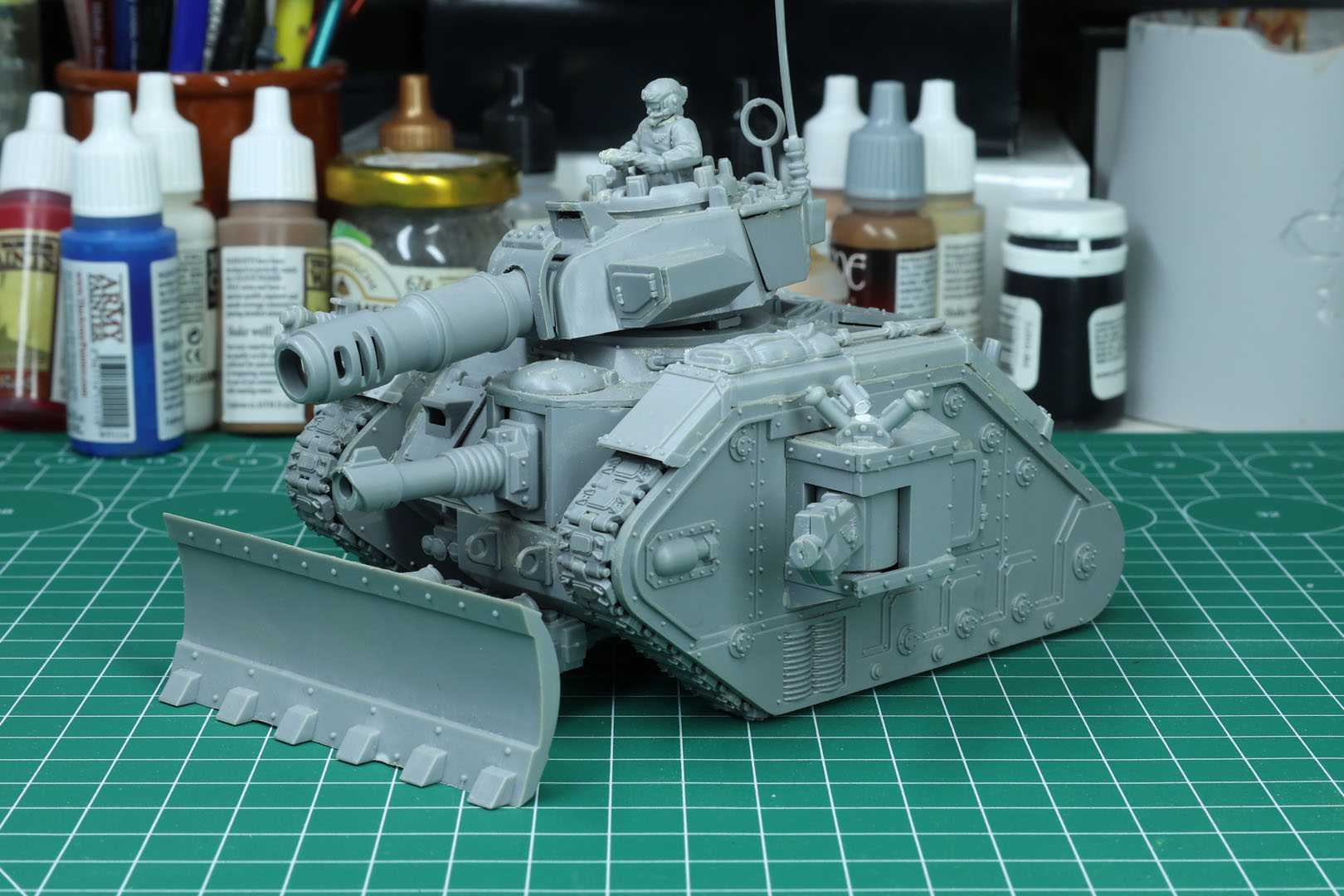
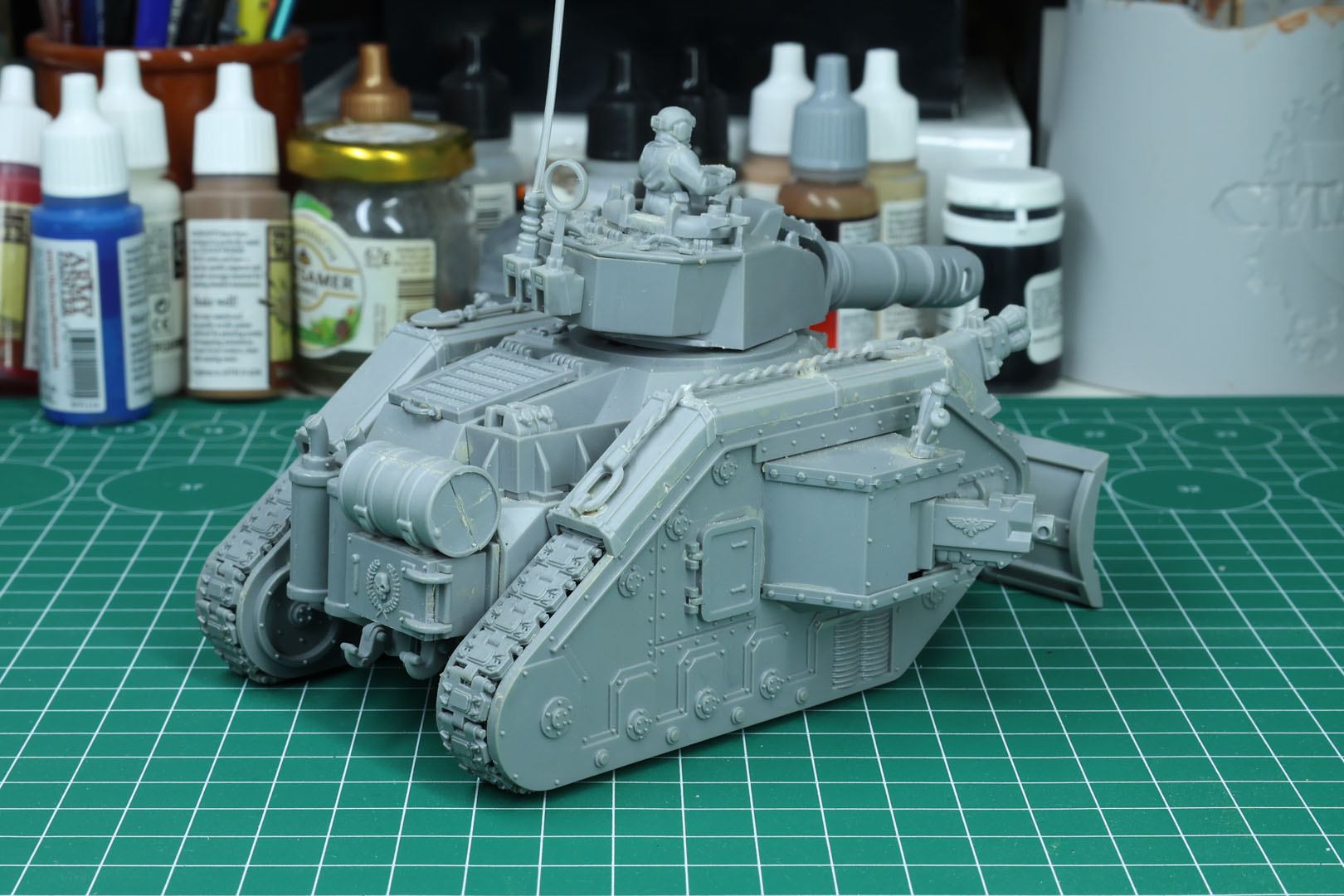
For the Leman Russ Battle Tank, a few "marks" were released over time. The initial/original plastic kit was released in 1994, which got an upgrade in 2003 (for the release of the updated 3rd edition codex) with a newer Imperial Tank Accessories Sprue, and a bigger update in 2009.
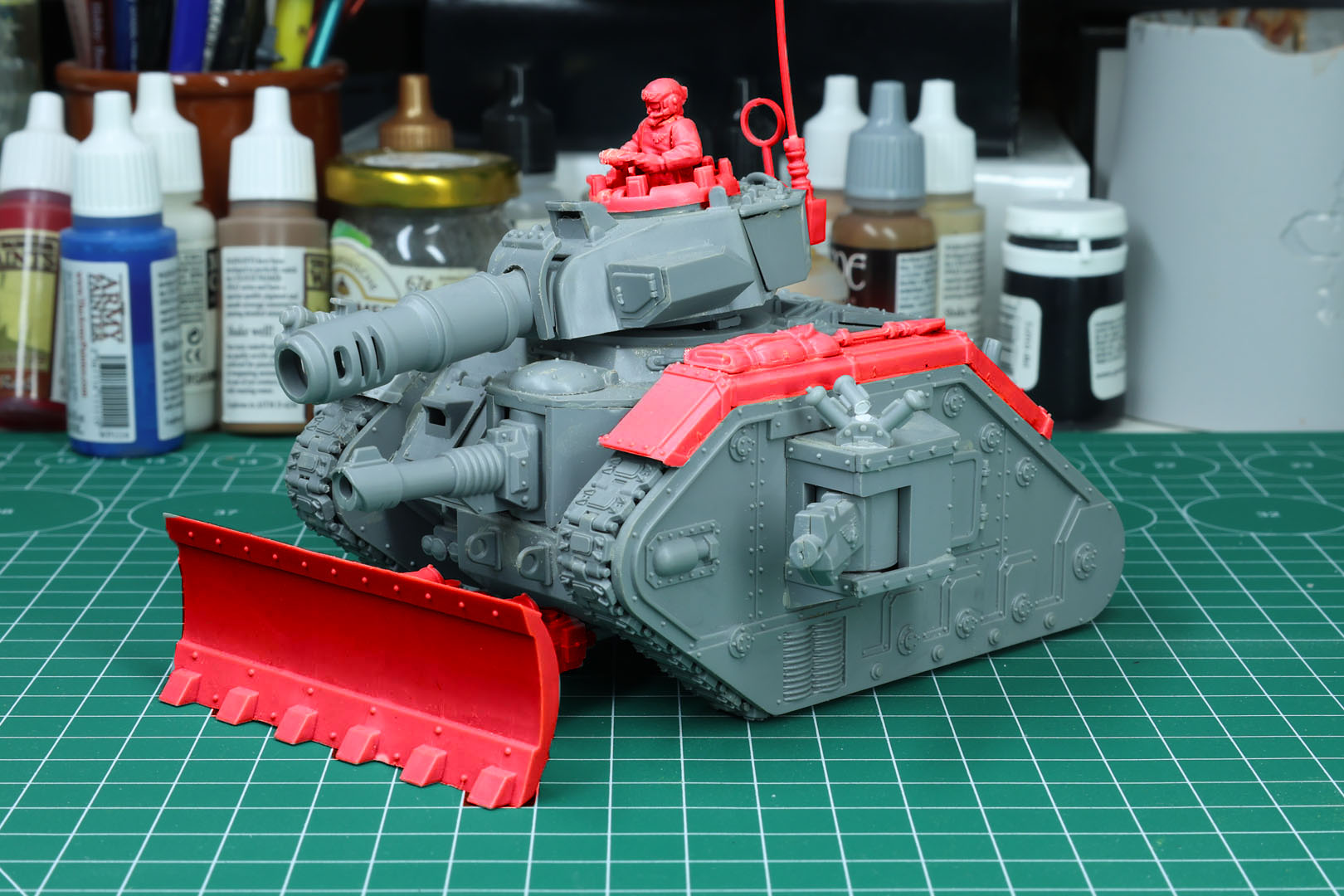
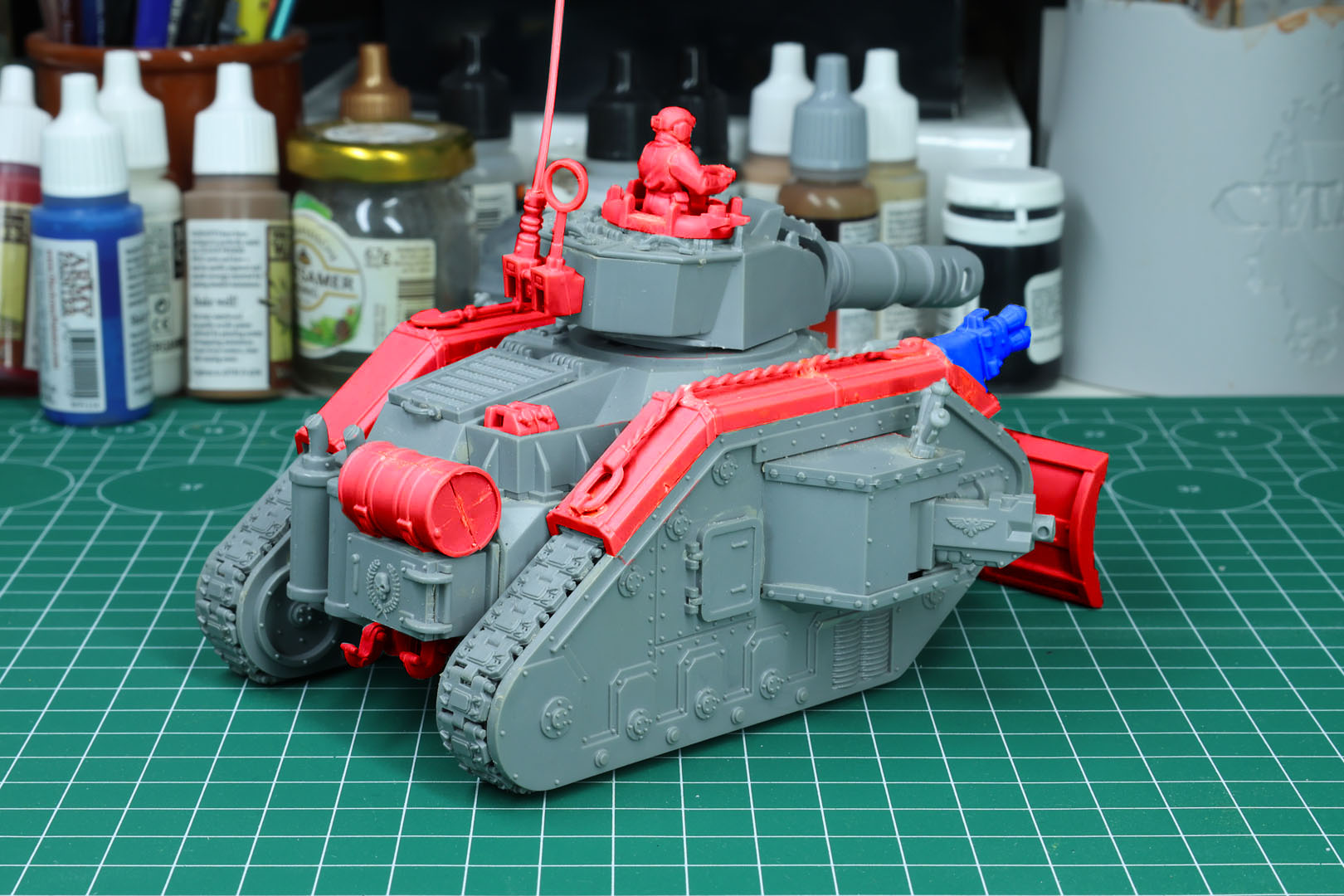
What we have here is the 2003 model, which is the same as the 1994 one but with different tank accessories (the classic sprue of 1994, the "newer" sprue of 2003). All the bits marked in red come from the 2003 sprue and are, as such, not fitting for the 40k 2nd edition time frame of 1993 to 1998 and shall be removed.
Until I finish the reviews and build reports on the Leman Russ, you can look up the assembly instructions that I uploaded on the blog for orientation if you intend to do something similar.
Horus Heresy – Legiones Astartes Fellblade Super-Heavy Battle Tank
More than 15 years have passed since I last covered a Super-Heavy Tank kit in 'full scale' on this blog. When the Fellblade teaser was shown at the Dropsite Preview, I was really excited about this kit. You know what that means: we're not doing things by halves here, so we've gone for a full review and build report with 100 (!) pictures!

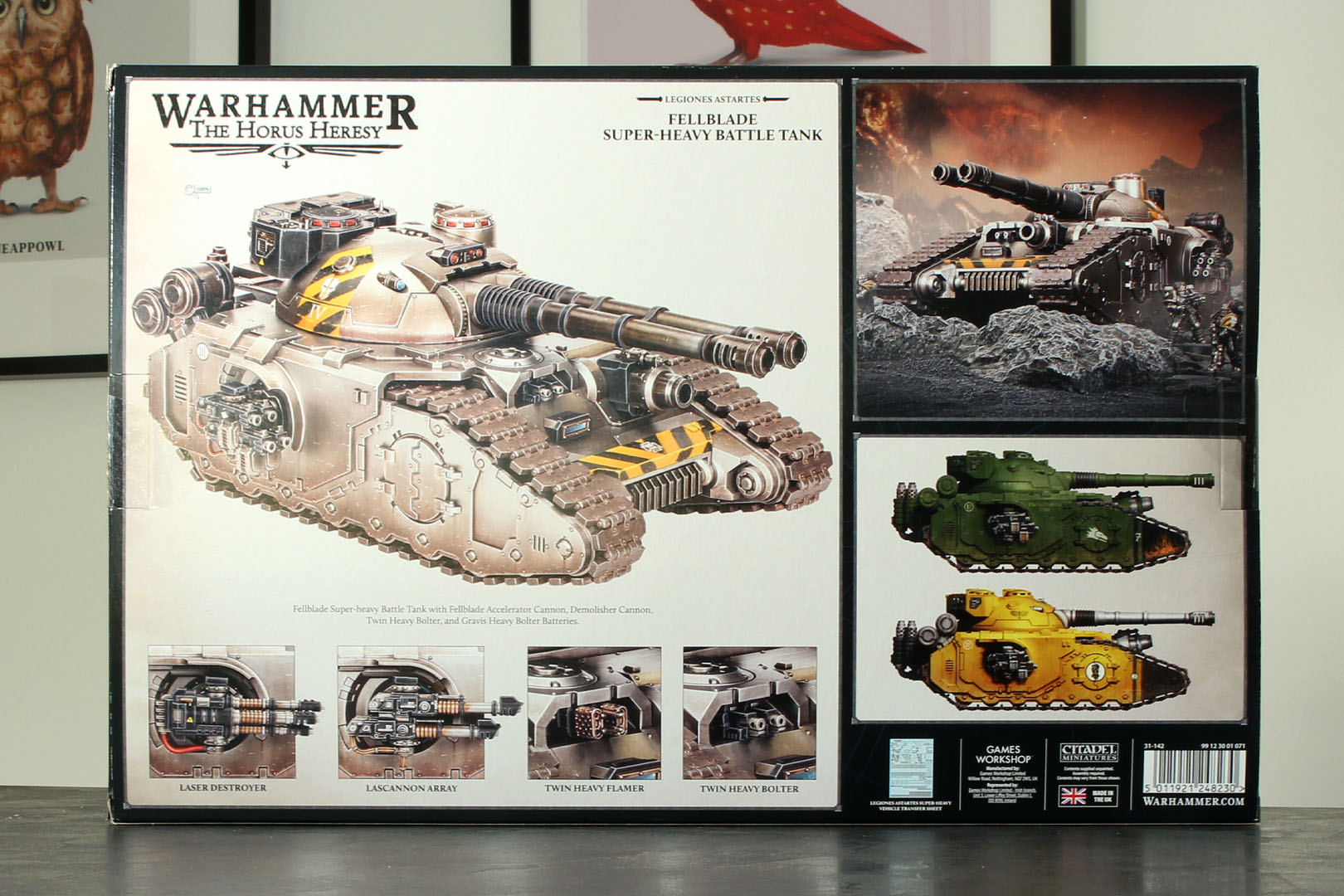
But let's dive in. The Fellblade Super-Heavy Battle Tank of the Legiones Astartes for Horus Heresy is available for pre-order today, September 20th, and will be released on October 4th. It is a full plastic kit and has an RRP of 125 GBP / 160 EUR.
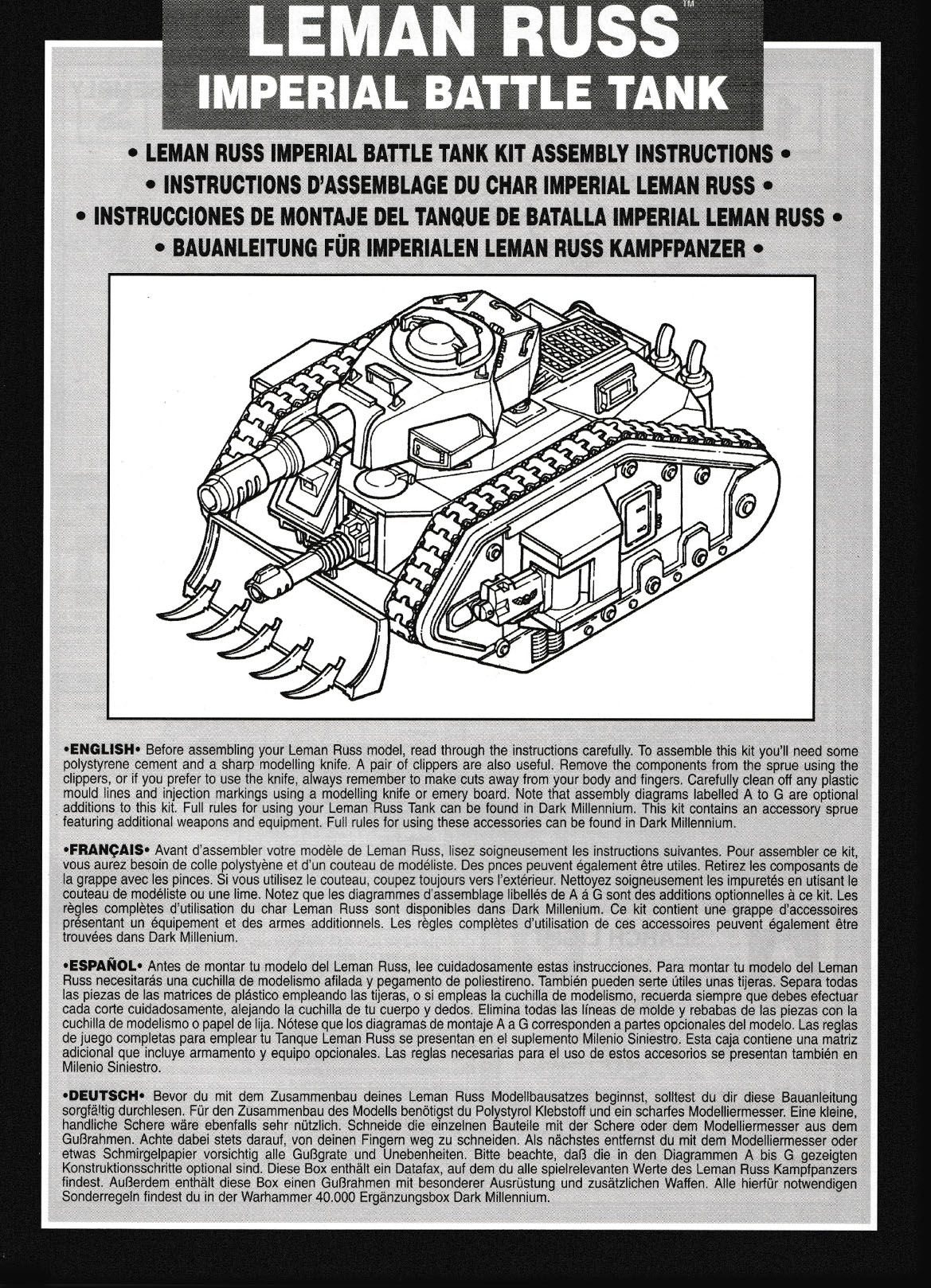
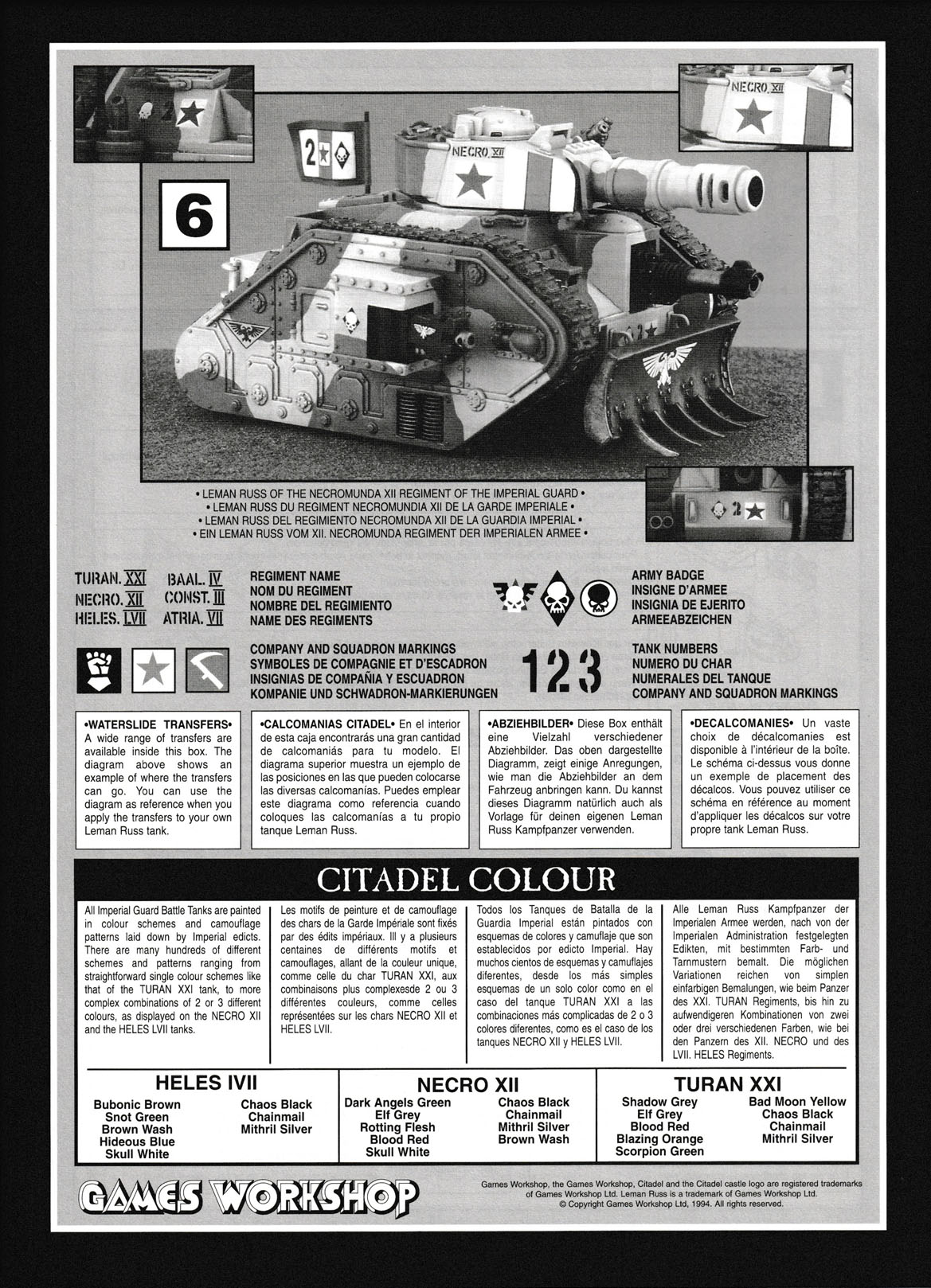
Warhammer 40,000 – Leman Russ Imperial Battle Tank Assembly Instructions
As part of our retro projects and coverage, I'd like to give you some throwbacks and vintage insights on the older kits. And today we're covering the Leman Russ Imperial Battle Tank.
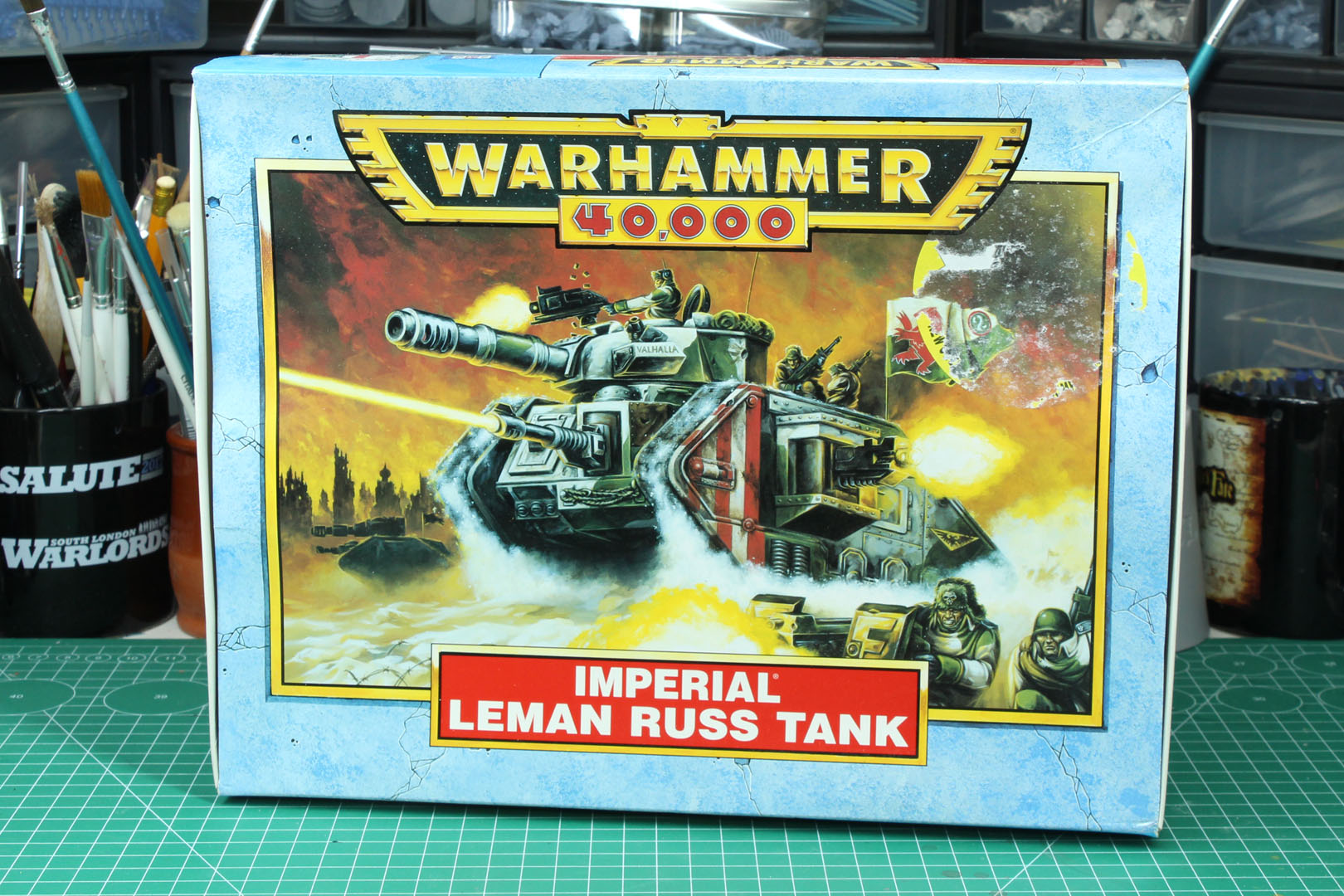
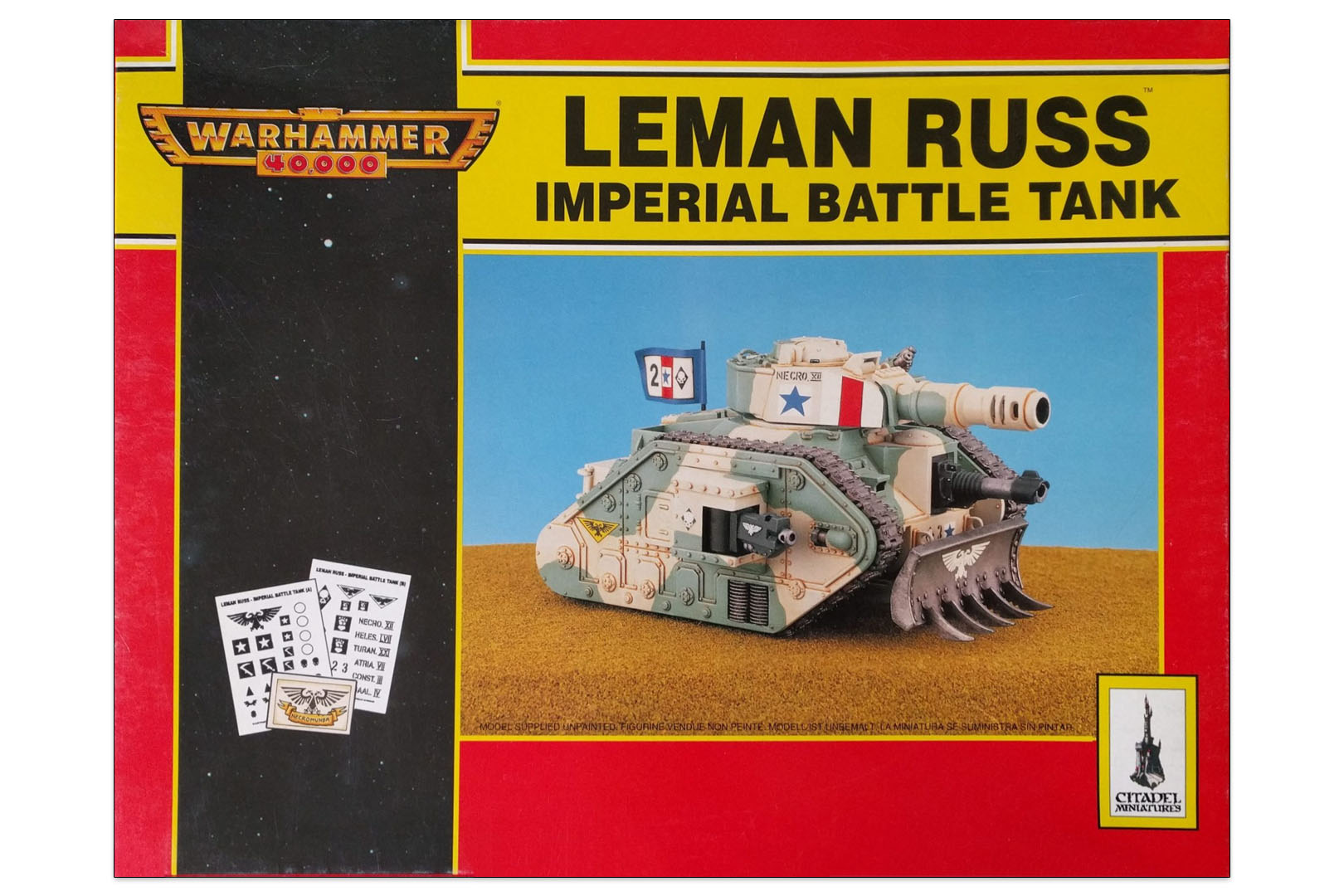
While the Leman Russ Imperial Battle Tank is still around in a pattern / design that is very close to the vintage kit, there are some differents. We're going to look into it in one of the upcoming classic reviews, but here for now are the assembly instructions, as a first piece of guidance and check up to see if you got all the pieces you need or something is missing.
This is the instruction that came with the mid to late 90s boxed set of 2nd edition of Warhammer 40k. It was gray-scale and did not only provide the build instructions across eight pages but the data fax as well. All of it in four different languages, English, French, Spanish and German.
Horus Heresy – Mechanicum Krios Battle Tank / Venator
An entirely new kit from the Mechanicum Heavy Support Force is the Krios Battle Tank including the Venator variant.
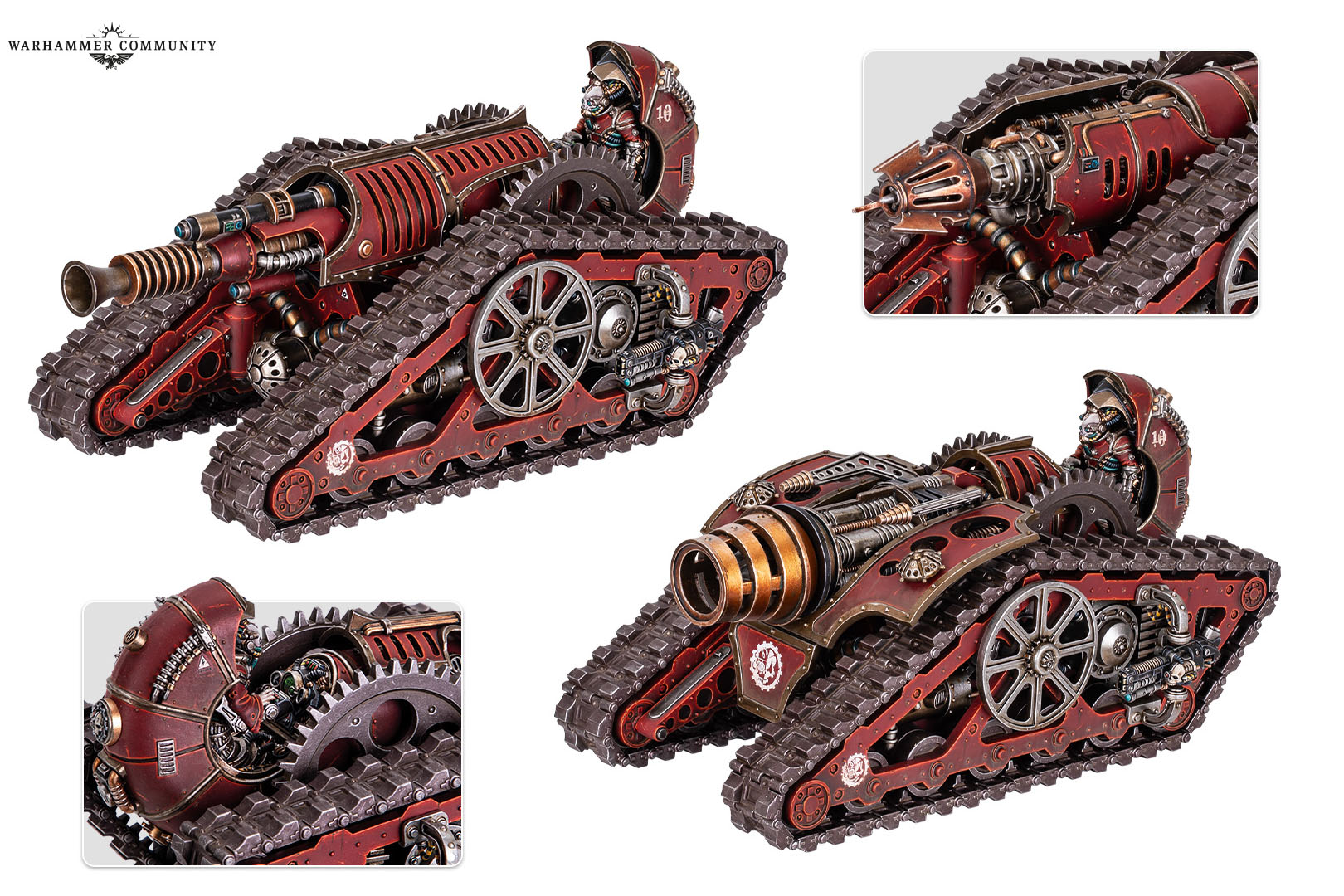
This vehicle was moved from a former Forge World resin kit into a multi-part plastic kit, covering both variants and three different weapon load outs. You can build from this set the regular Krios Battle Tank (either with Lightning Cannon or Irradiation Blaster) or Krios Venator with a Pulsar Fusil. We do not have a official RRP yet, as the kit is currently only available as part of the Mechanicum Heavy Support Force, but pricing is very likely between 55 to 62,50 EUR.
Like us on Facebook

Follow me on Instagram

Categories
- events (210)
- fantasy (604)
- General (161)
- historical (644)
- Little Big Adventures (4)
- offtopic (5)
- reviews (552)
- science fiction (710)
- showroom (107)
- terrain (119)
- Uncategorized (1)
- work-in-progress (422)