Space Hulk – The Final Frontier
As I want to properly narrow the scope of this project, let me write this down as the Final Frontier of my Space Hulk project. I prepared an overview of all the Terminators that I'd need in one of the last articles.
We are going to need a total of 20 different Terminators to cover all the poses / options from all four campaigns (4th Edition Core Games - Heroes of the Imperium, Duty and Honour, Bringer of Sorrow and Return to Kalidus). The three mission files, which were iPad digital releases, brought rules for the plastic Terminator kits of the 2010s, meaning the multi-part plastic terminators (for more options than the Black Reach mono poses, especially introducing the Cyclone Missile Launcher), the Deathwing Command Squad and the Space Wolves Wolf Guard in Terminator Armour.
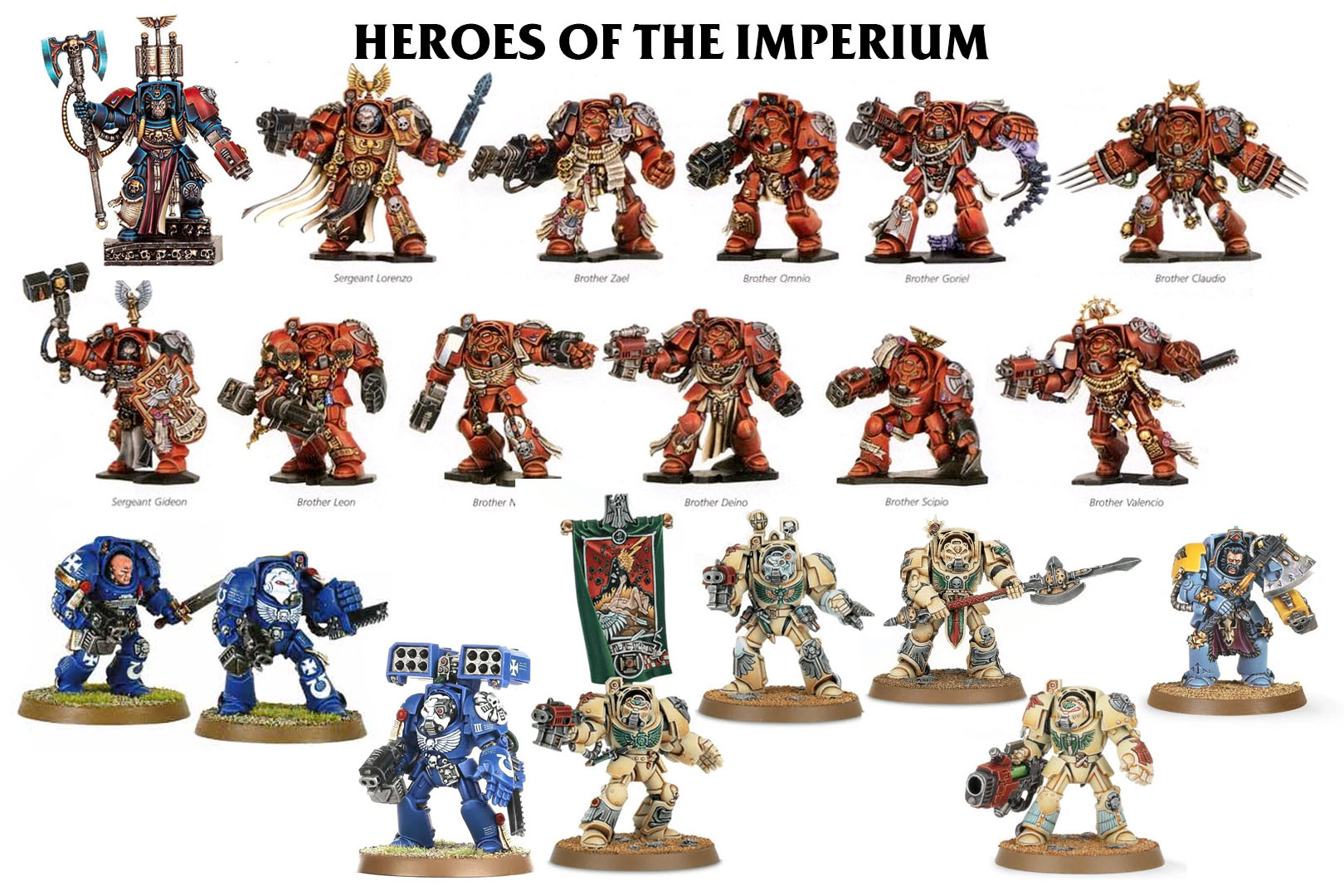
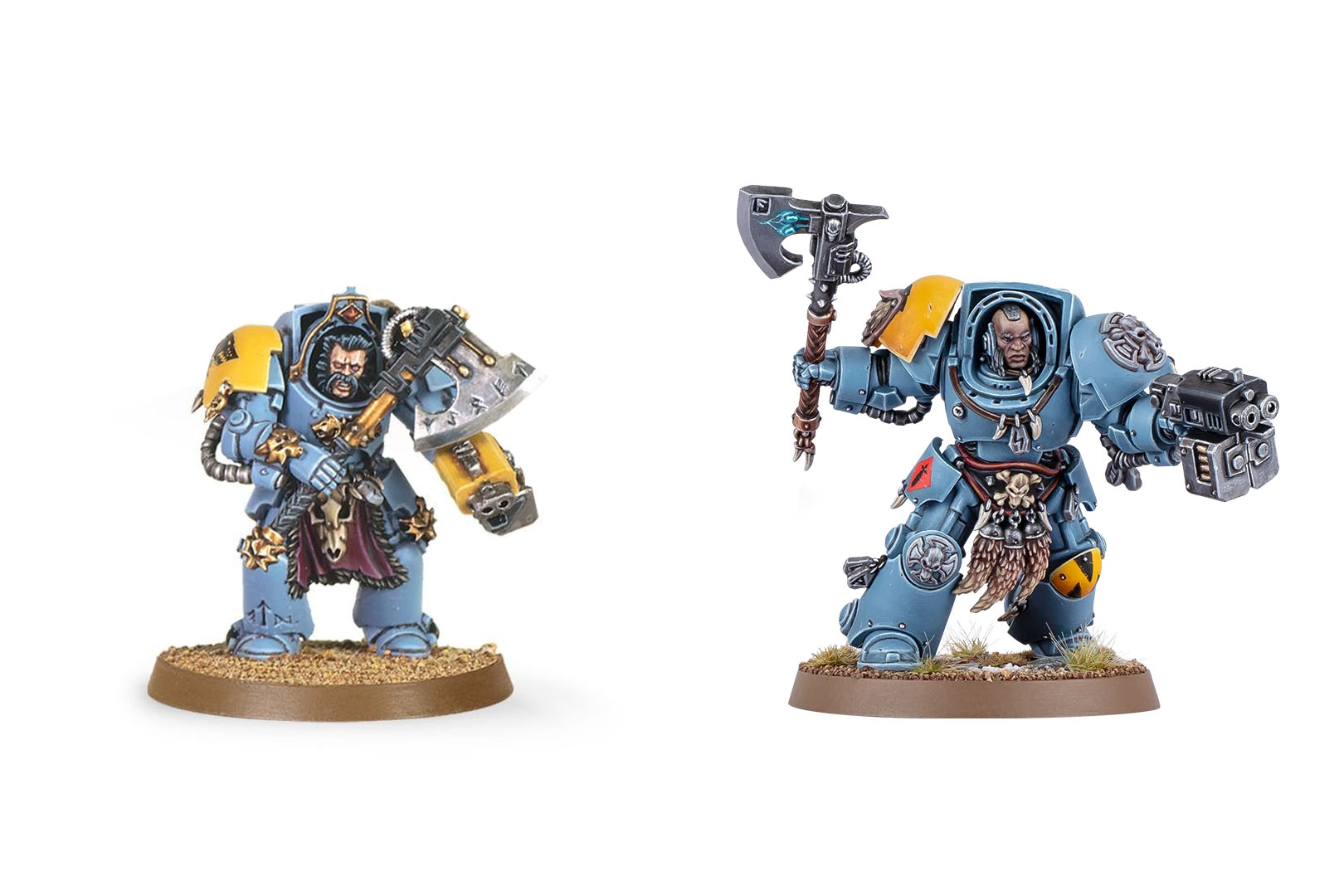
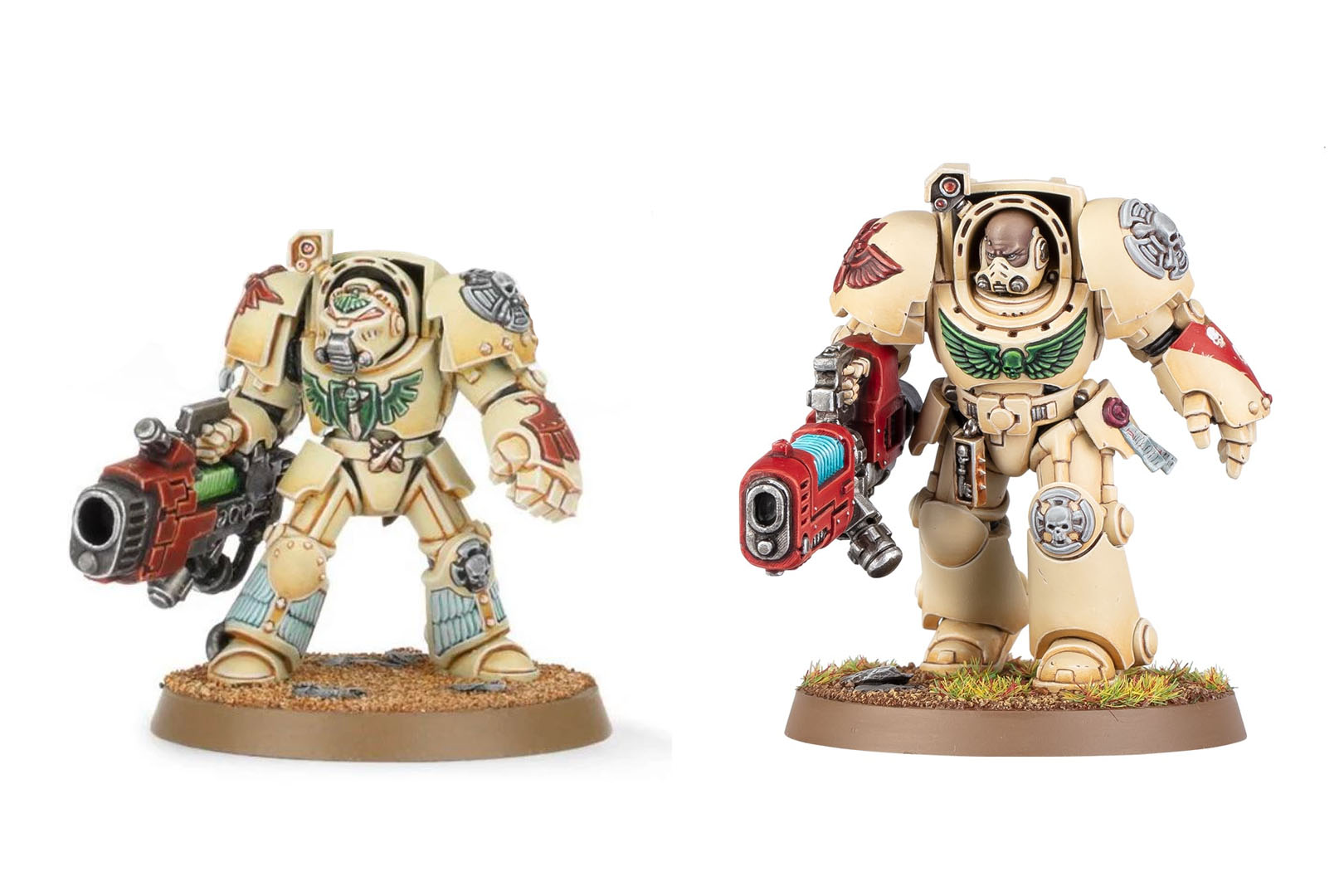
As mentioned, I'm going to recreate this completely with Imperial Fists. But you could easily recreate this in different flavours, as the Wolf Guard and Deathwing got their upgraded and upscaled kits as well. It would be quite easy to cover the 20 poses and weapon options in a fitting thematic matter with these.
Dino’s Miscellaneous 2026 – Part 1
As you’ve probably noticed, I haven’t been posting as many articles on the Bunker lately. Unfortunately, I’ve had—and still have—too much going on in my personal life to post articles more frequently and live up to my quality standards. So I’ve decided to offer a more unfiltered look at my hobby activities by posting more spontaneous updates from time to time. As soon as something happens in a specific area of a project, I’ll write a corresponding article that fits better with the actual topic.
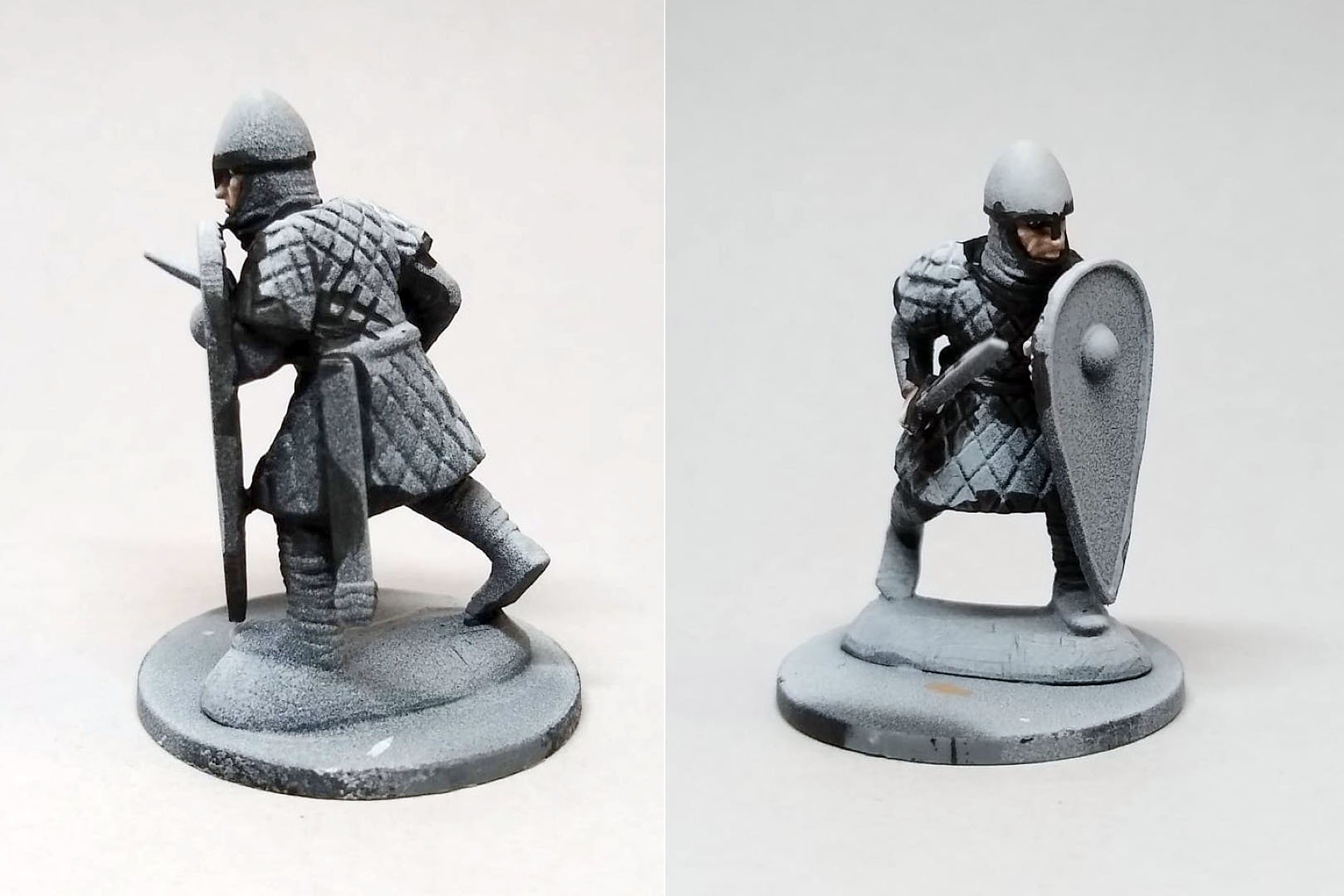
So… a few days ago, I had a strangely productive evening where I prepared a few miniatures and painted the skin on two of them. This soldier is for Drudenfuss… Oathmark… Dragon Rampant… uh… SEVERAL systems where I can use a "medieval" guy. I enjoyed assembling it so much that I wanted to get right to it. I cut off the sword scabbard that ran under the gambeson and peeked out through a hole, and glued a leftover sword scabbard from a Victrix Gaul over it. That should look right. I’m just not sure yet how to proceed with this one, because in my mind’s eye I see so many brown surfaces, but no colors yet.
Yeah... what color should we paint it when the time comes? Any ideas?
At the same time, I painted the Rhapsode's skin—this is in preparation for the Rhein Main Multiversum, where we'll get a first look at the Thebans' army list for Mortal Gods. Tonight I'll tackle the belt and the tunic. But I'm not sure about this either... I could paint the cloak red so it would fit in with the army’s overall look. After all, a cavalryman I painted earlier also has a red cloak. But somehow the white tunic doesn’t feel quite right and is only painted that way to match the army’s theme. Hmm… maybe a dark brown for the cloak? Or green with a few beige stripes? Decisions, decisions…
Warhammer 40,000 – Tank Wrecks Pt 3
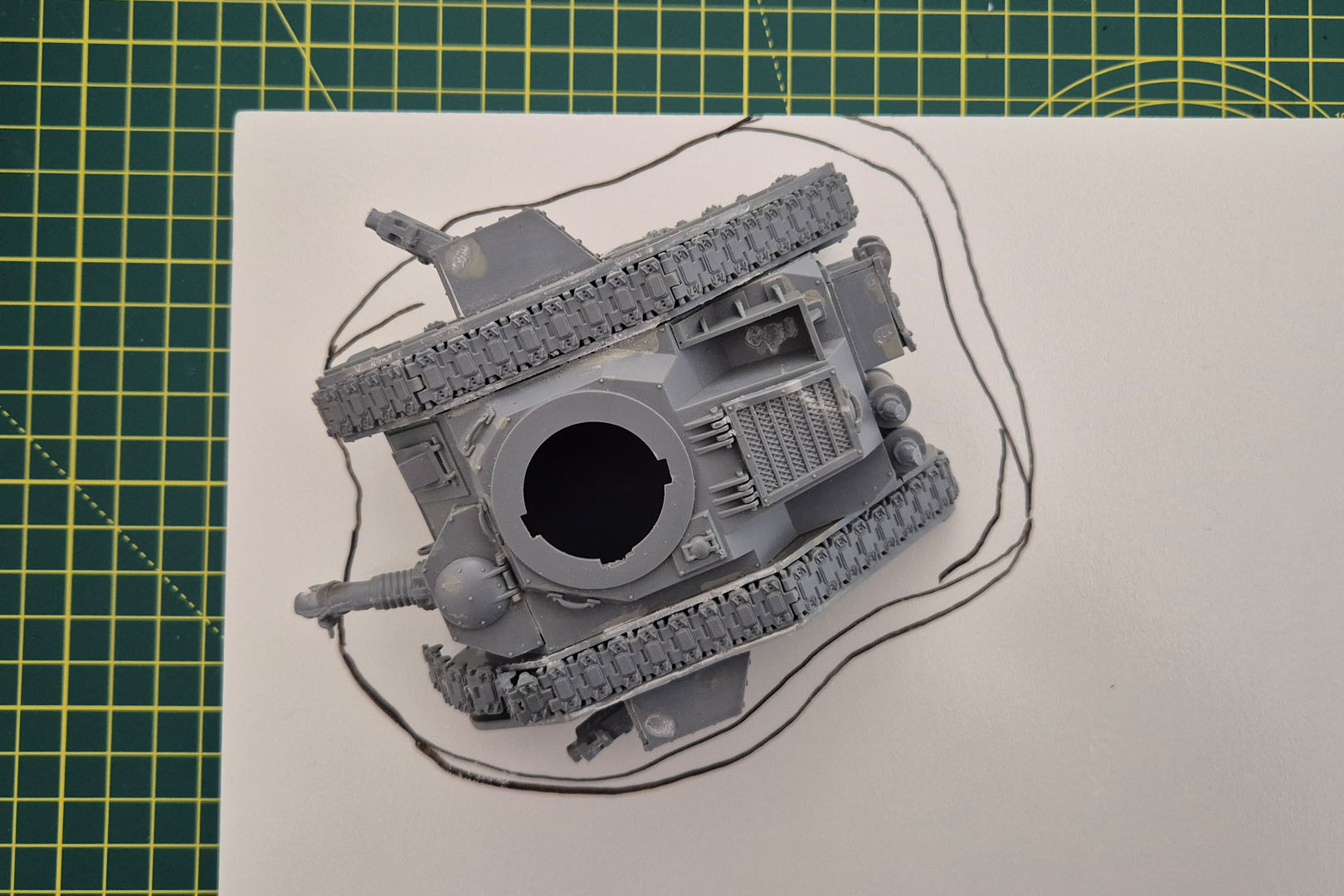
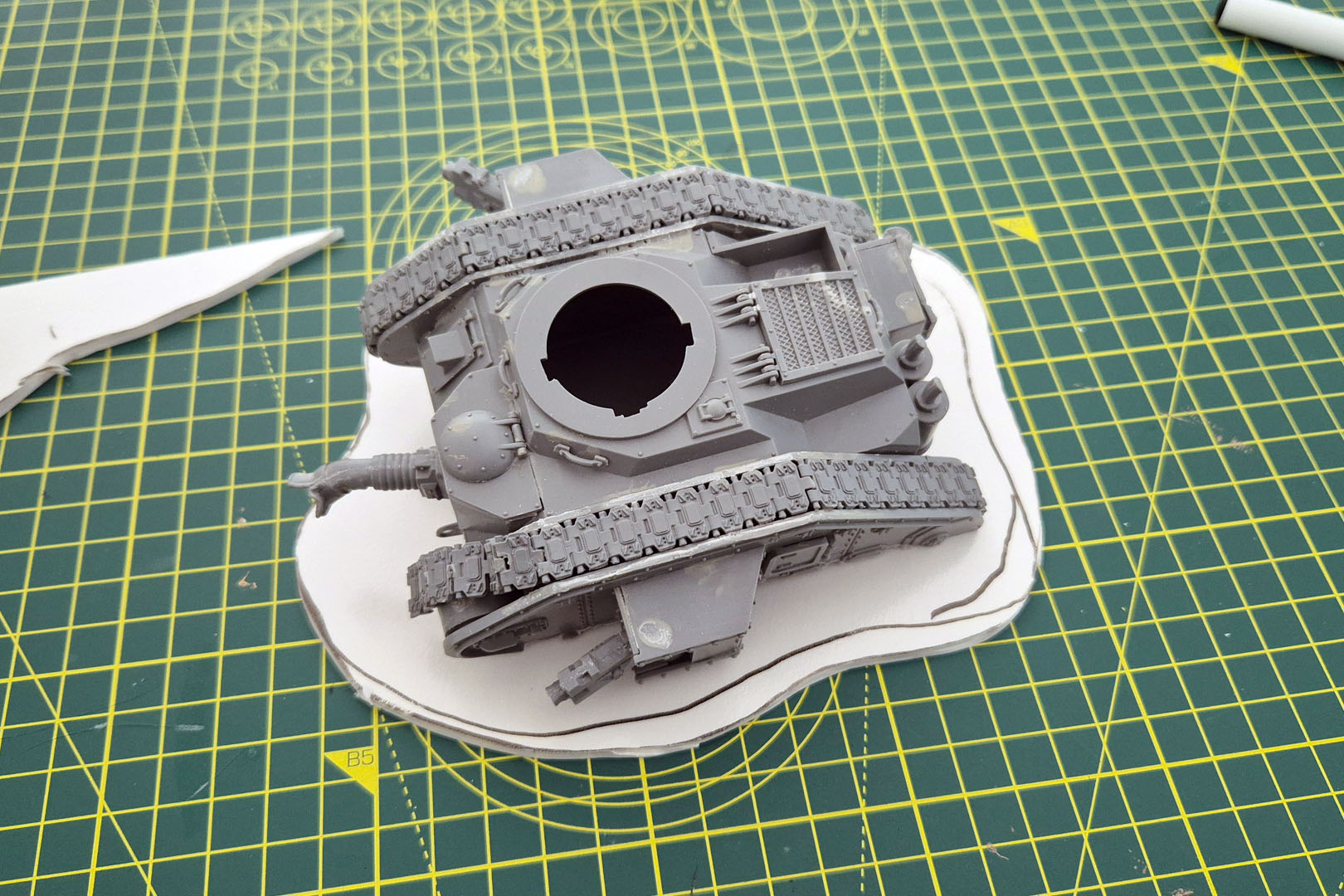
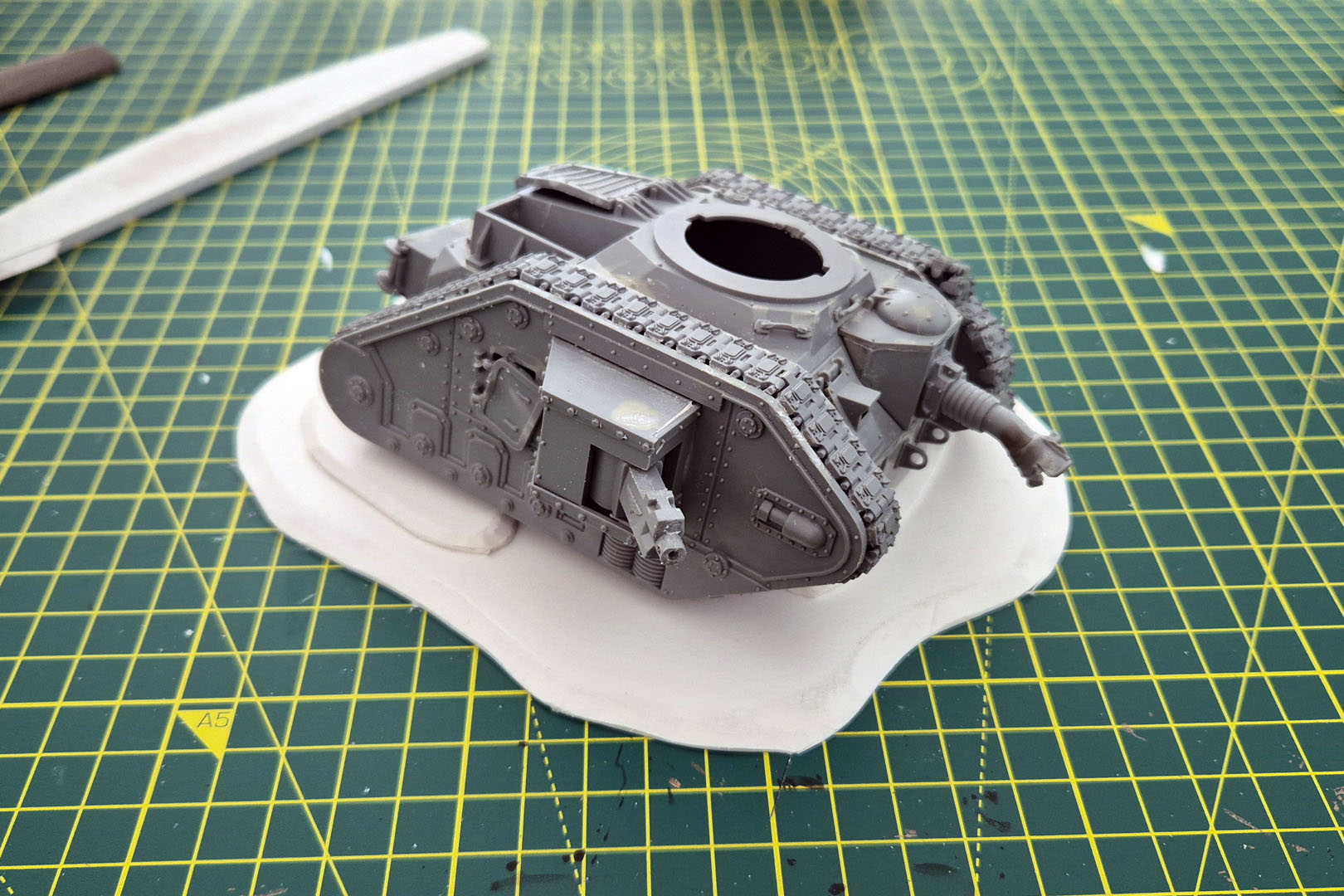
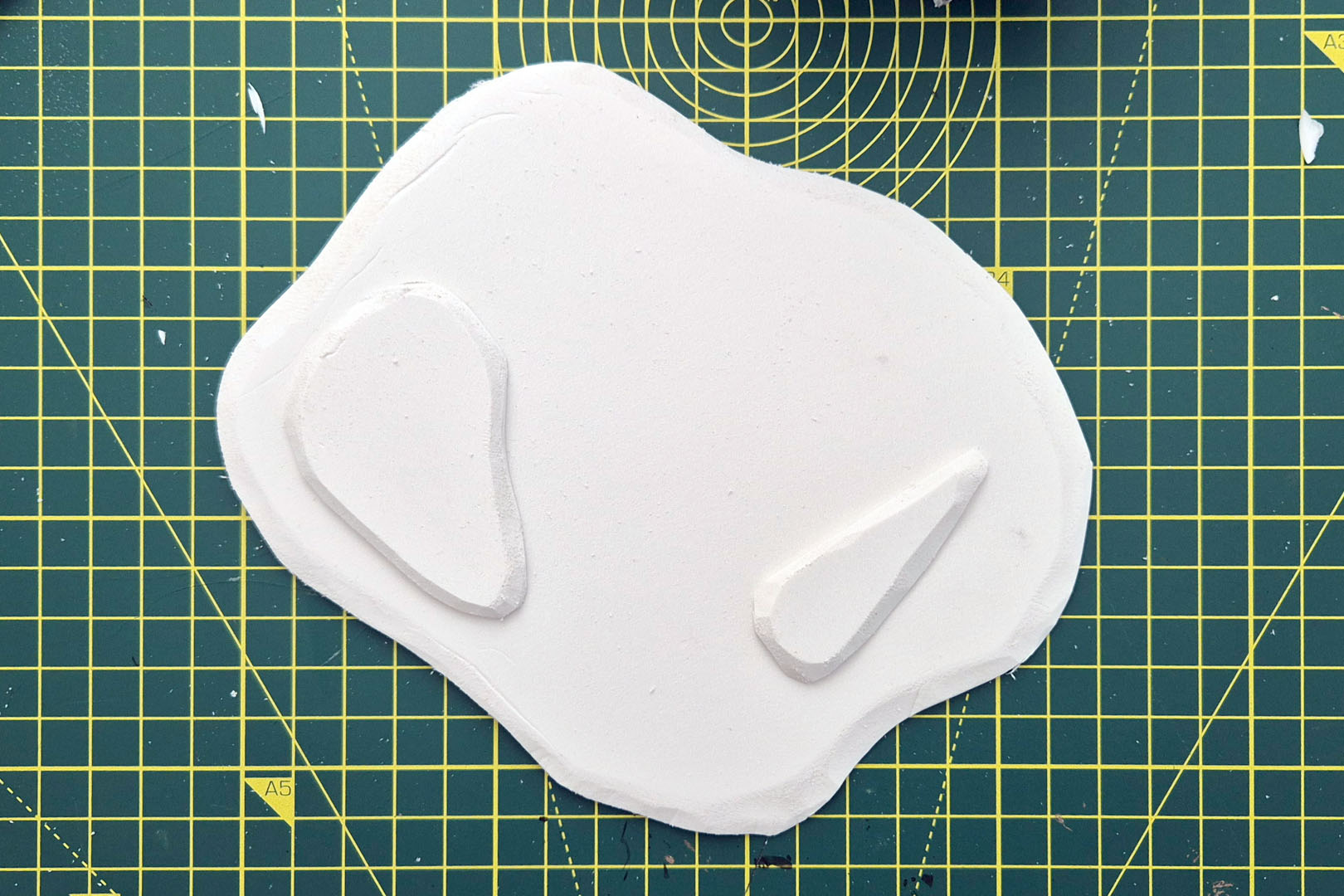
Let’s continue with our work on our eBay-rescue Leman Russ tank and turn it into a proper piece of terrain. I do not need a base for every terrain piece, but it makes sense in this case: it will help the wreck blend in more naturally with the tabletop and the surrounding scenery.
Just as with the cactus plants, I used PVC hard-foam board in A3 format and 3 mm thickness. Roughly mark out the outline, leaving a little extra room so that you can angle the rim of the base. I also used a few smaller pieces to create additional height and variation across the base.
Warhammer 40,000 – Space Marine Terminators Pt 2
We already covered the introduction to the classic Terminators back in March on the blog, and now it’s time to move on to the characters and additional options.
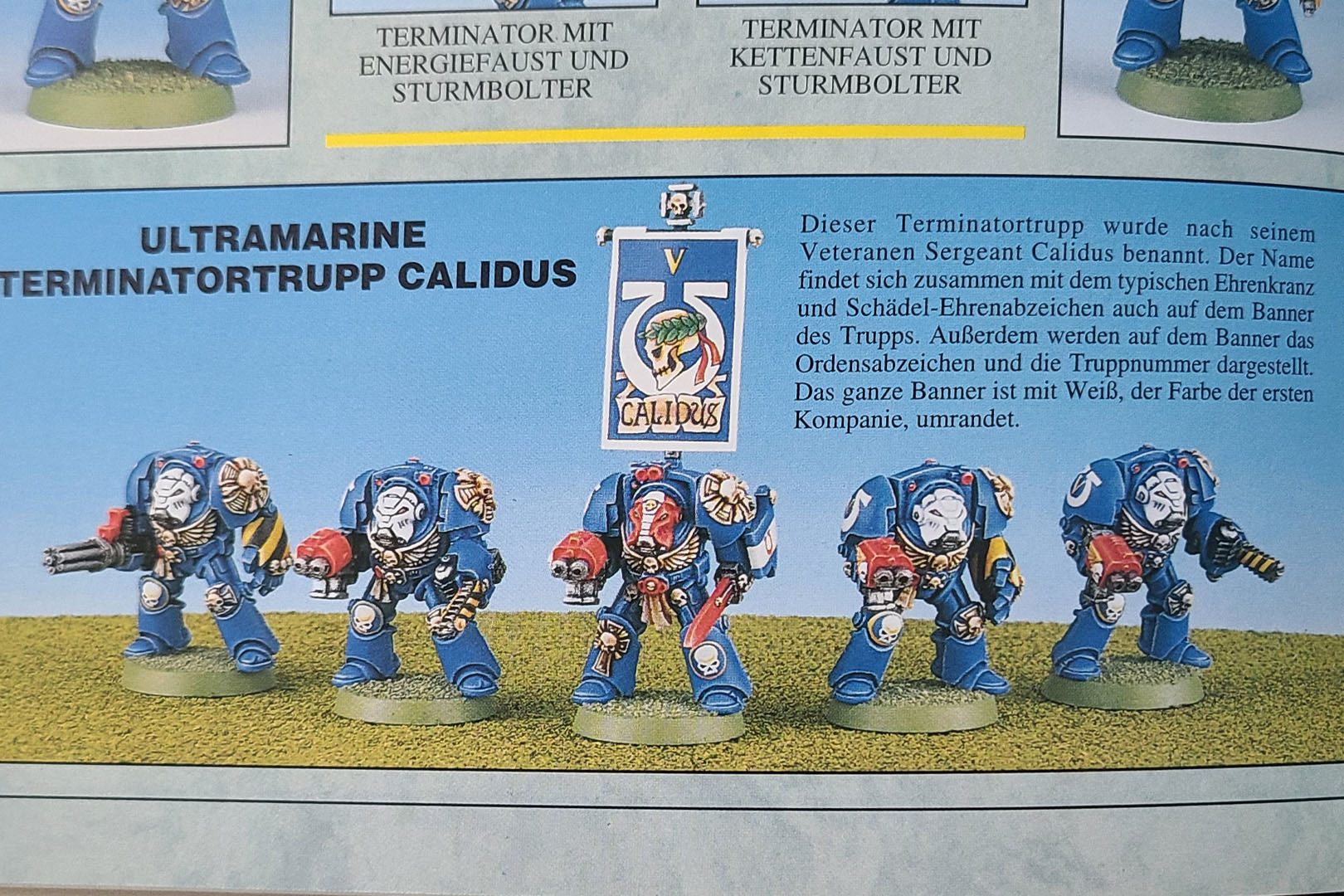
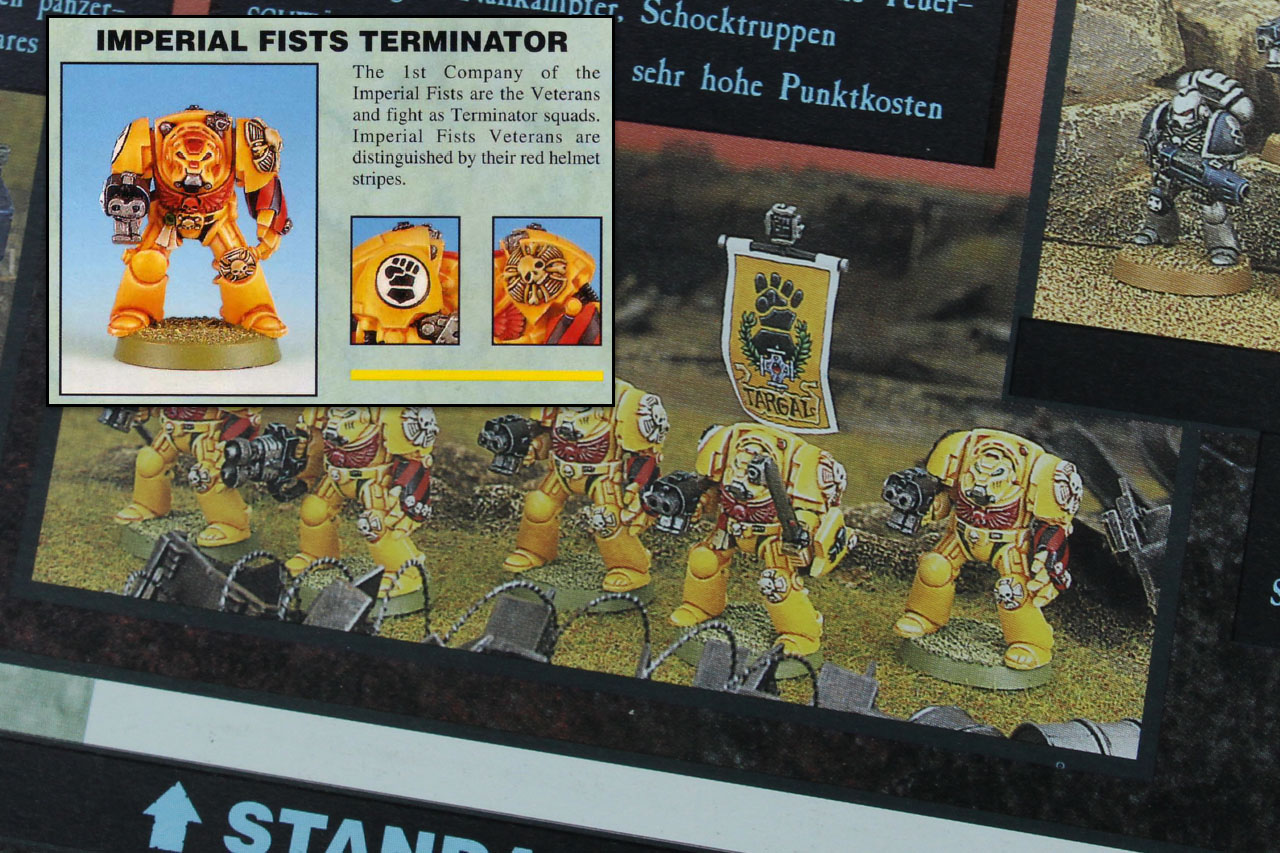
As outlined in the previous article, the 1990s models came in three basic poses, plus a Sergeant, a Chaplain, and a Librarian in Terminator Armour. Naturally, depending on the projects you have in mind, that also includes the models for the Space Wolves and the Dark Angels’ Deathwing. According to the Codex Ultramarines for the second edition of Warhammer 40,000, a Space Marine Terminator Squad consisted of five models: one Sergeant and four regular Marines. “Regular” is a relative term here, as these are veterans of the First Company. This also means that, according to the Codex Astartes, Terminators wear the helmet colour of veterans, which for Ultramarines would be white. That would also apply to the Imperial Fists, although in earlier editions this was not always implemented consistently by the ’Eavy Metal team.
This squad was equipped entirely with a power fist and storm bolter, but one model could be armed with a Terminator Heavy Weapon. In addition, each model in the squad could exchange its power fist for a weapon from the Terminator Assault Weapons section of the wargear list. In practical terms, this meant that a model could be equipped with a storm bolter and Cyclone missile launcher, assault cannon, or heavy flamer. The melee options for Terminators consisted either of a pair of lightning claws, a chainfist, or a thunder hammer with storm shield, while the Sergeant alone could also take a power sword. All of these options were covered by the miniature range. The same applies to the Space Wolves’ Wolf Guard and the Dark Angels’ Deathwing. Options such as plasma cannons for Terminators only appeared after the second edition.
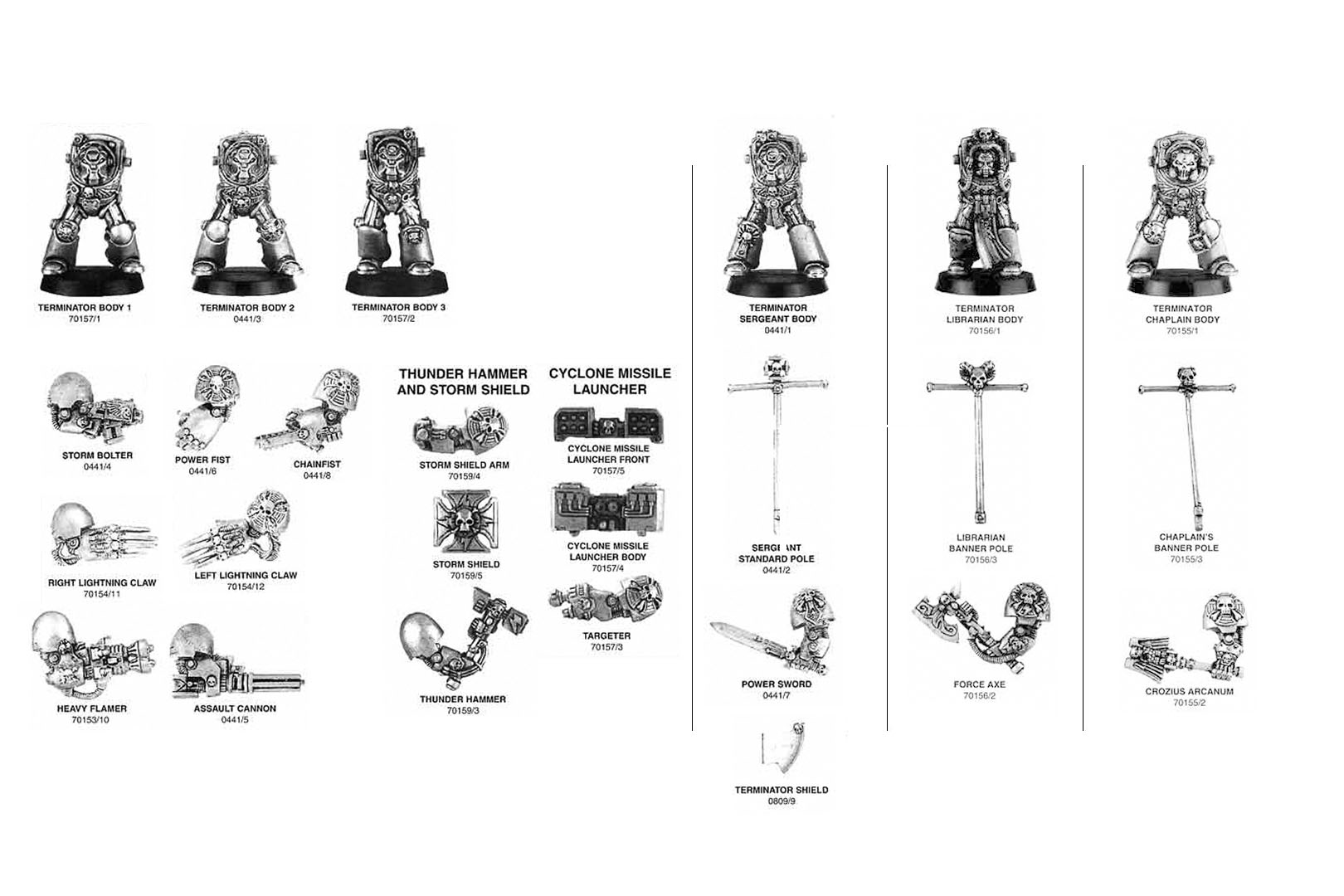
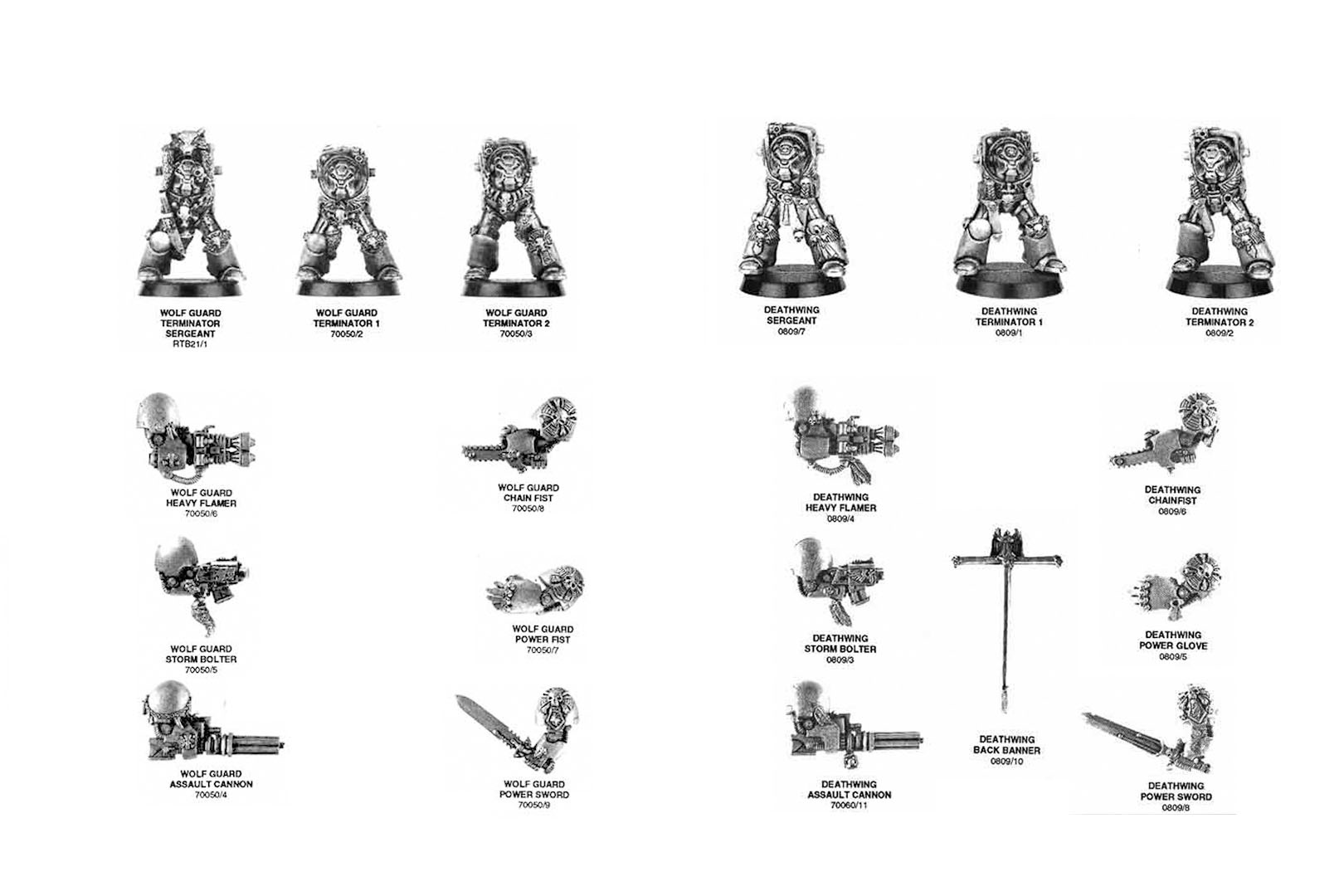
For character models, there was the option to be equipped in Terminator Armour. This was either the classic loadout of storm bolter and power fist, or alternatively a pair of lightning claws, thunder hammer and storm shield, storm bolter and chainfist, or storm bolter and power sword. The character models in Terminator Armour each came with a storm bolter; in the case of the Chaplain, a Crozius Arcanum, and in the case of the Librarian, a psychic axe. The Terminator Captain only appeared rather late in the 1990s (UK White Dwarf #229, January 1999) and is therefore, not just strictly speaking, not a true second-edition model.
Warhammer 40,000 – Tank Wrecks Pt 2
After stripping the Leman Russ in the last article, it was time for the next step.
I needed inspiration for a tank wreck, and gathering ideas wasn’t all that easy. Since Warhammer tanks are much closer to World War II-era vehicles than to modern combat tanks, I looked for inspiration there. That led me to a Panzer IV wreck in Normandy and a Sherman wreck, this one was used in Lebanon in the 1980s, but in terms of design it is still very much a 1940s tank.
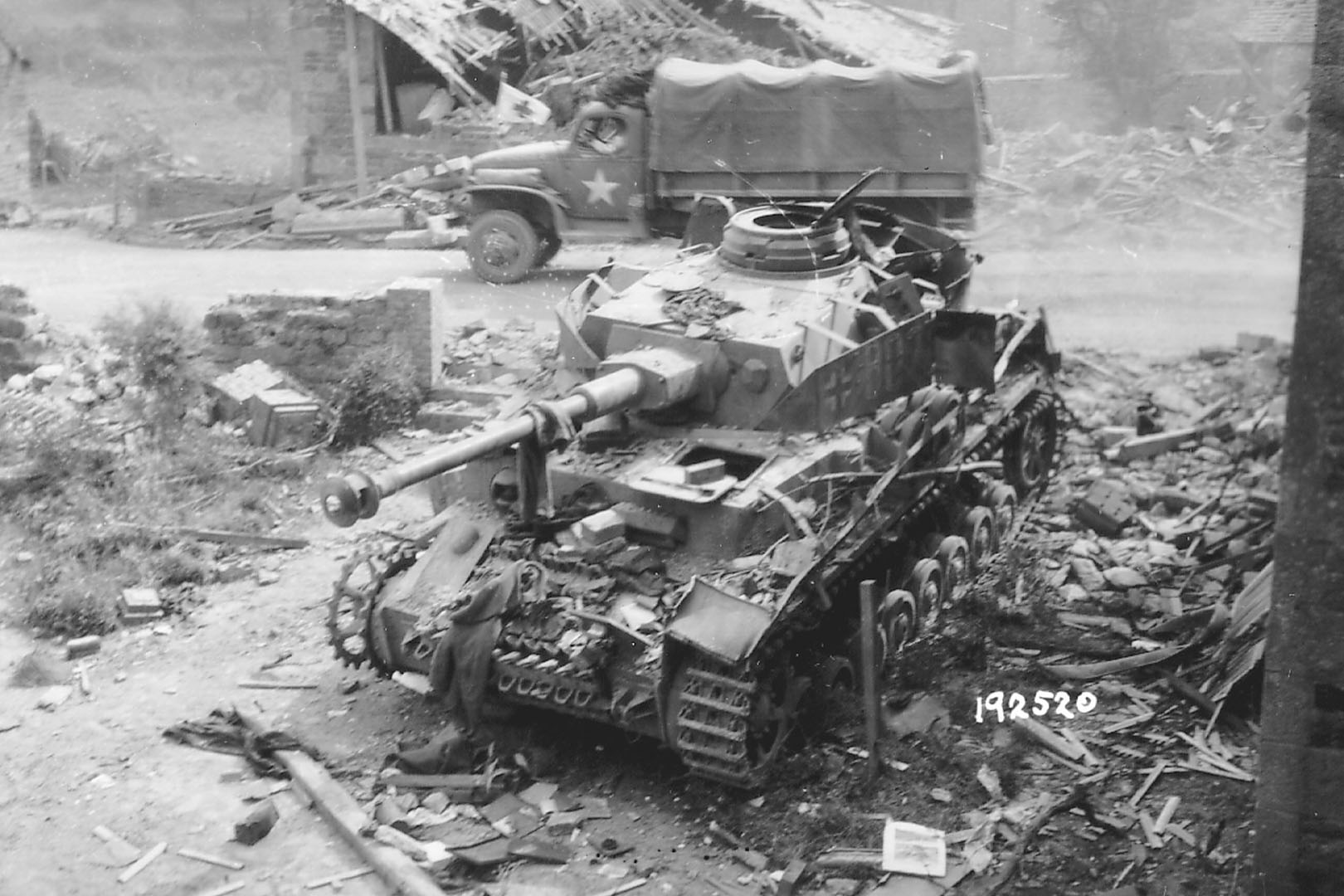
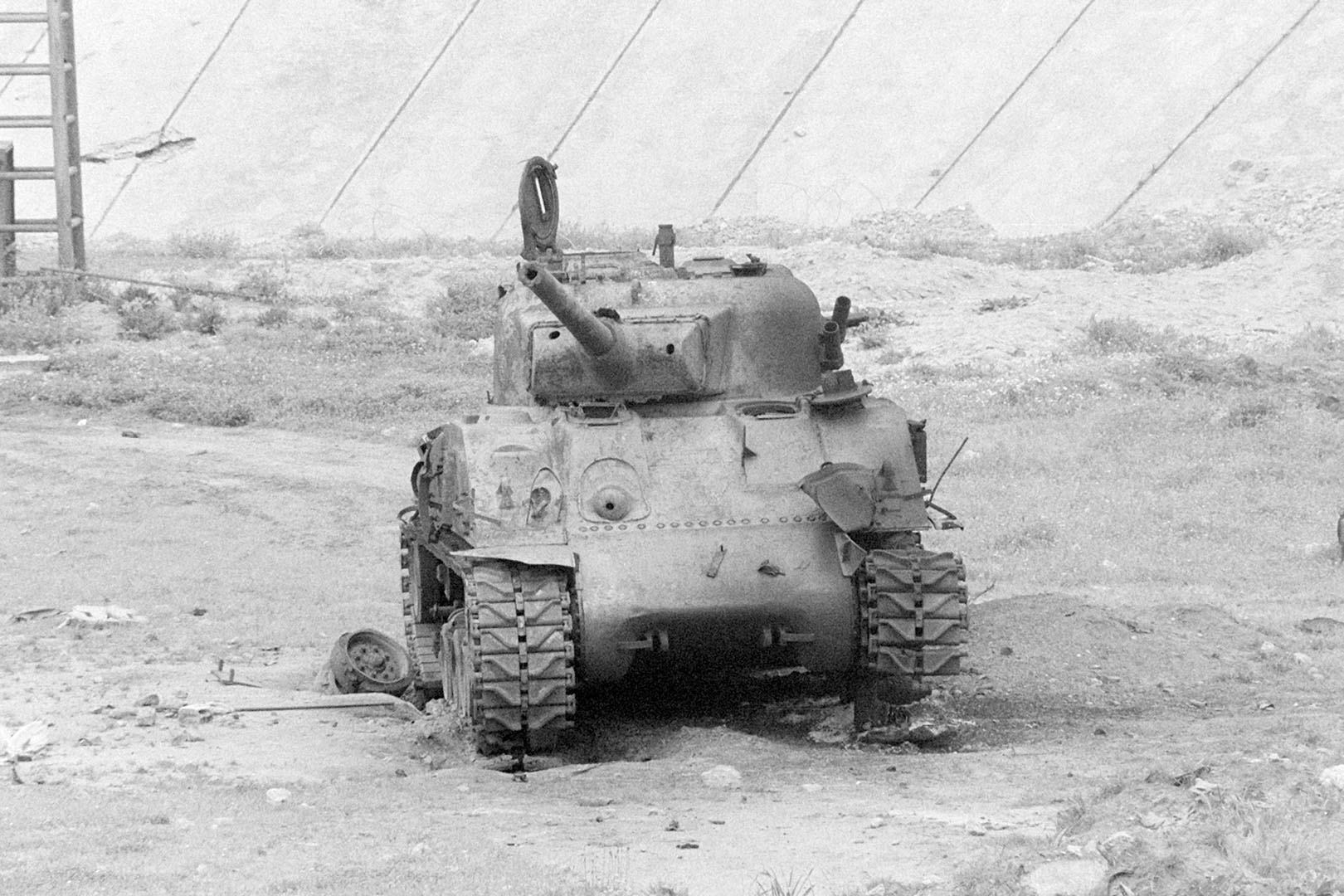
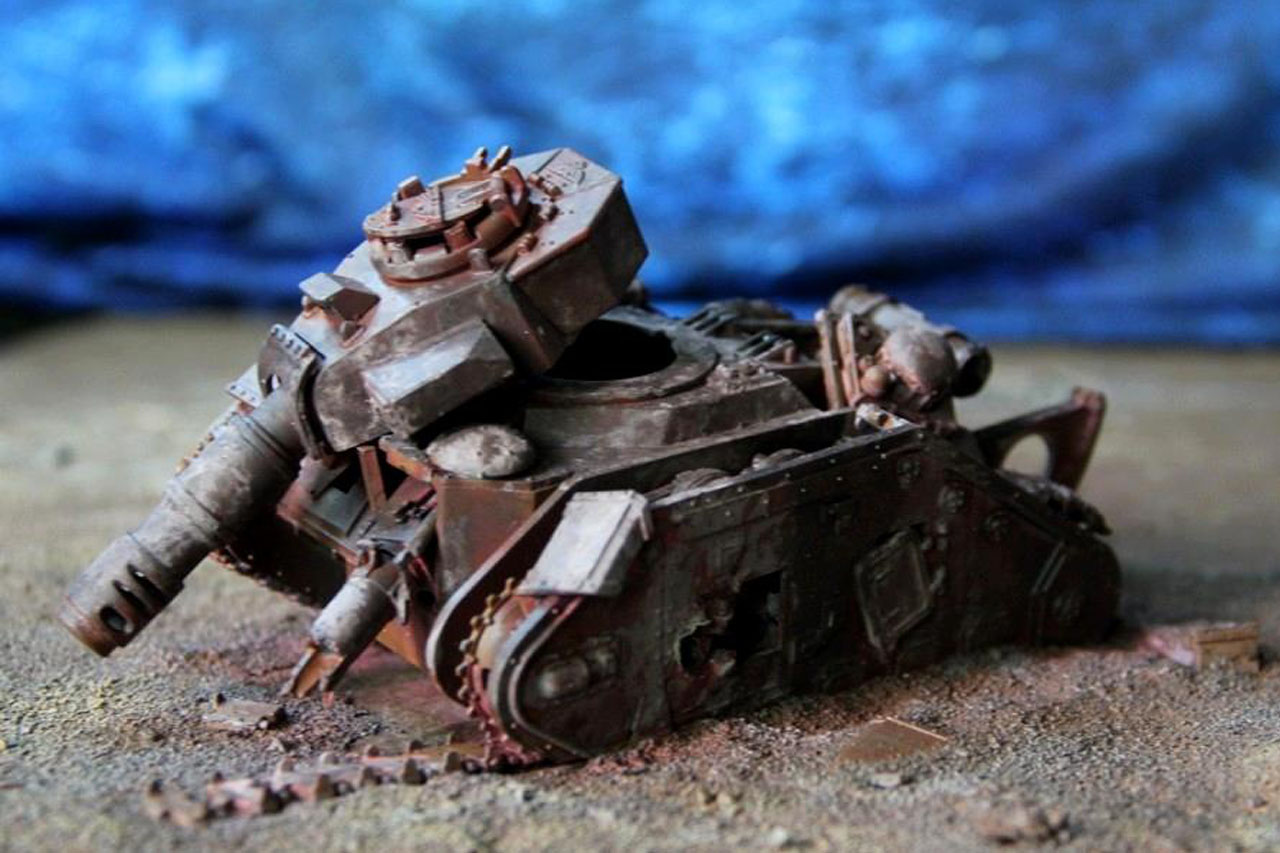
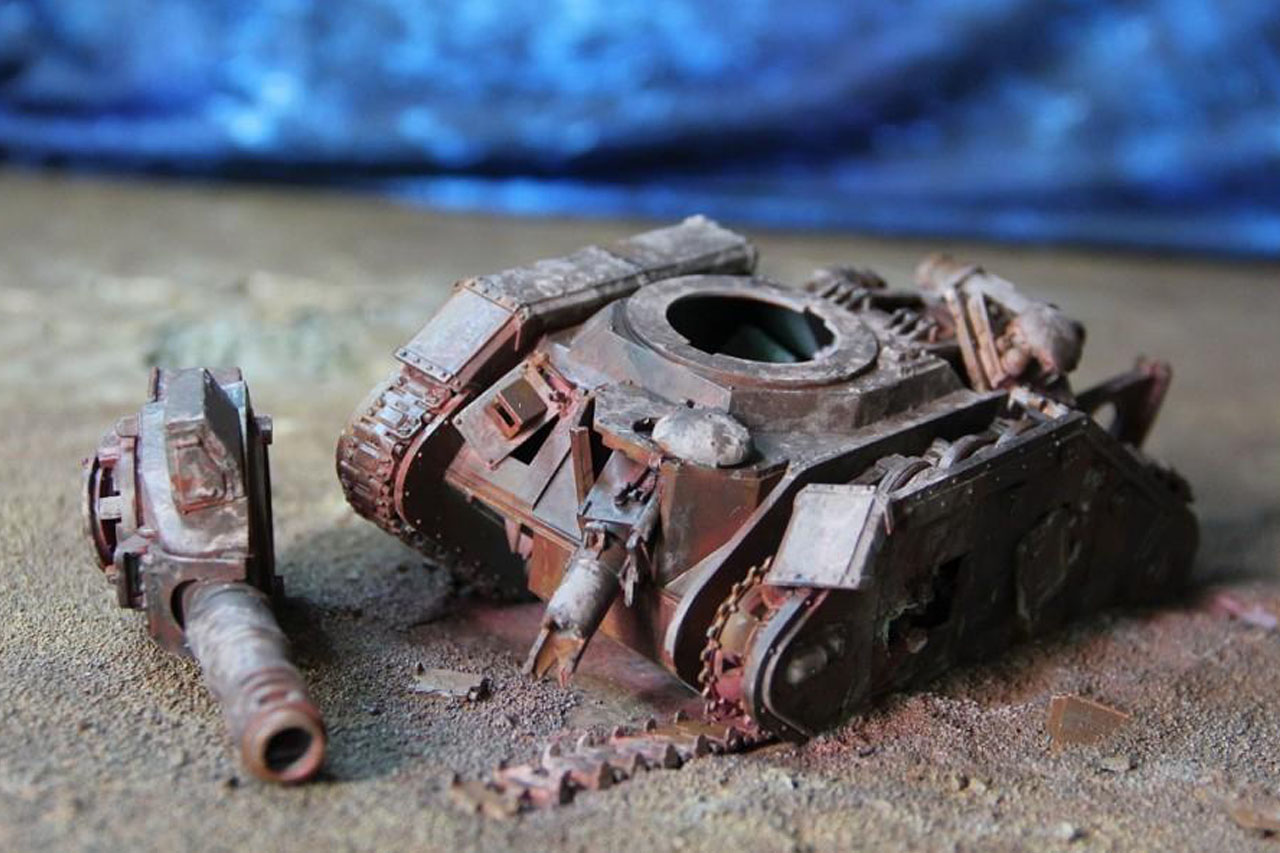
The question was how to transfer this kind of damage onto the Leman Russ while still keeping it retro. I found a great reference on DakkaDakka by NeoxRonin: an excellent burned-out wreck. As you can see when comparing it to the model from the last article, the version is much more modernized and a little too grimdark for the colourful tables of retrohammer but it is still an amazing paint job and conversion. He also used Death Korps trench rails and air filters on the model, along with replacing the sprocket and wheels with parts from a model kit.
Warhammer 40,000 – Alien Cactus Plants
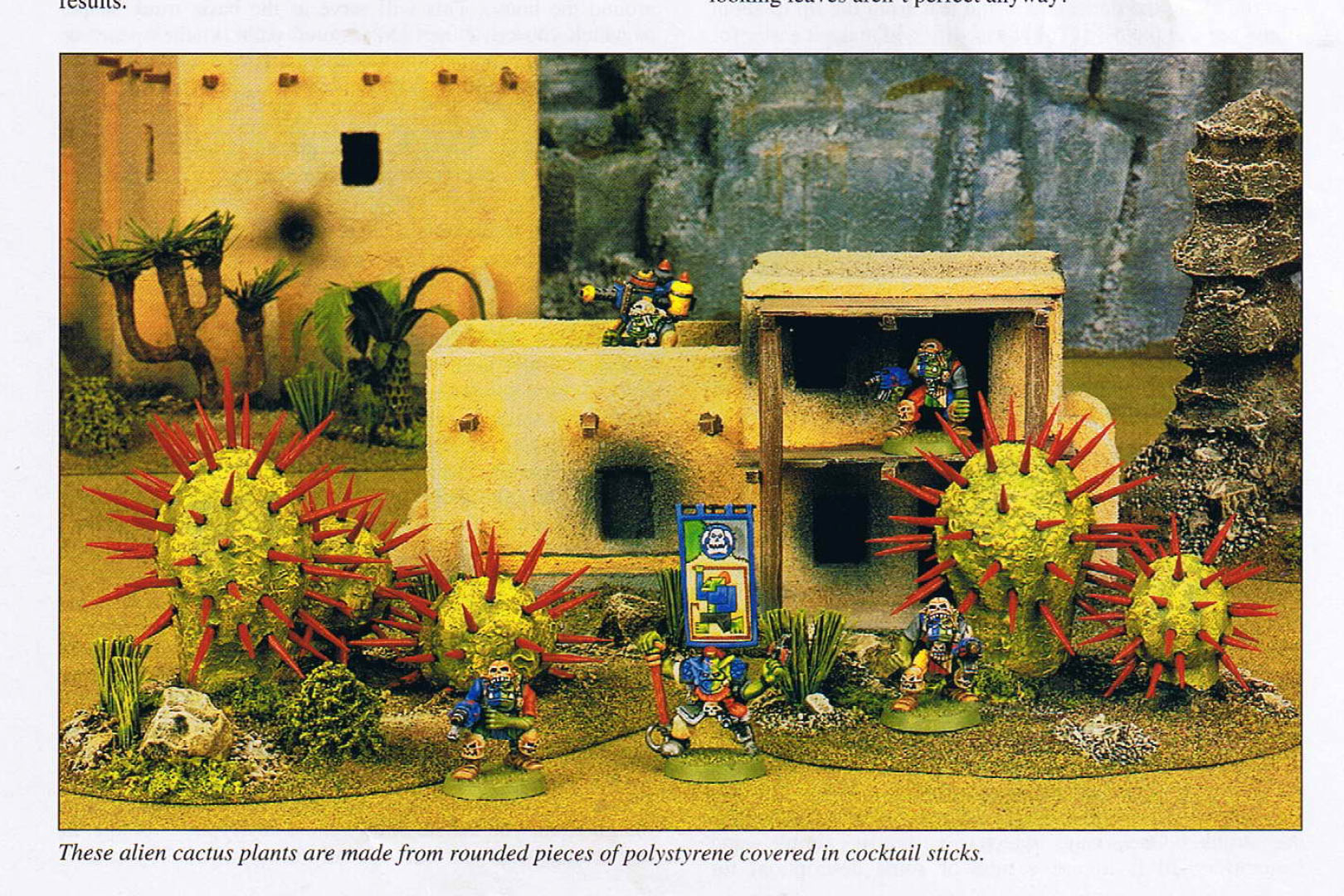
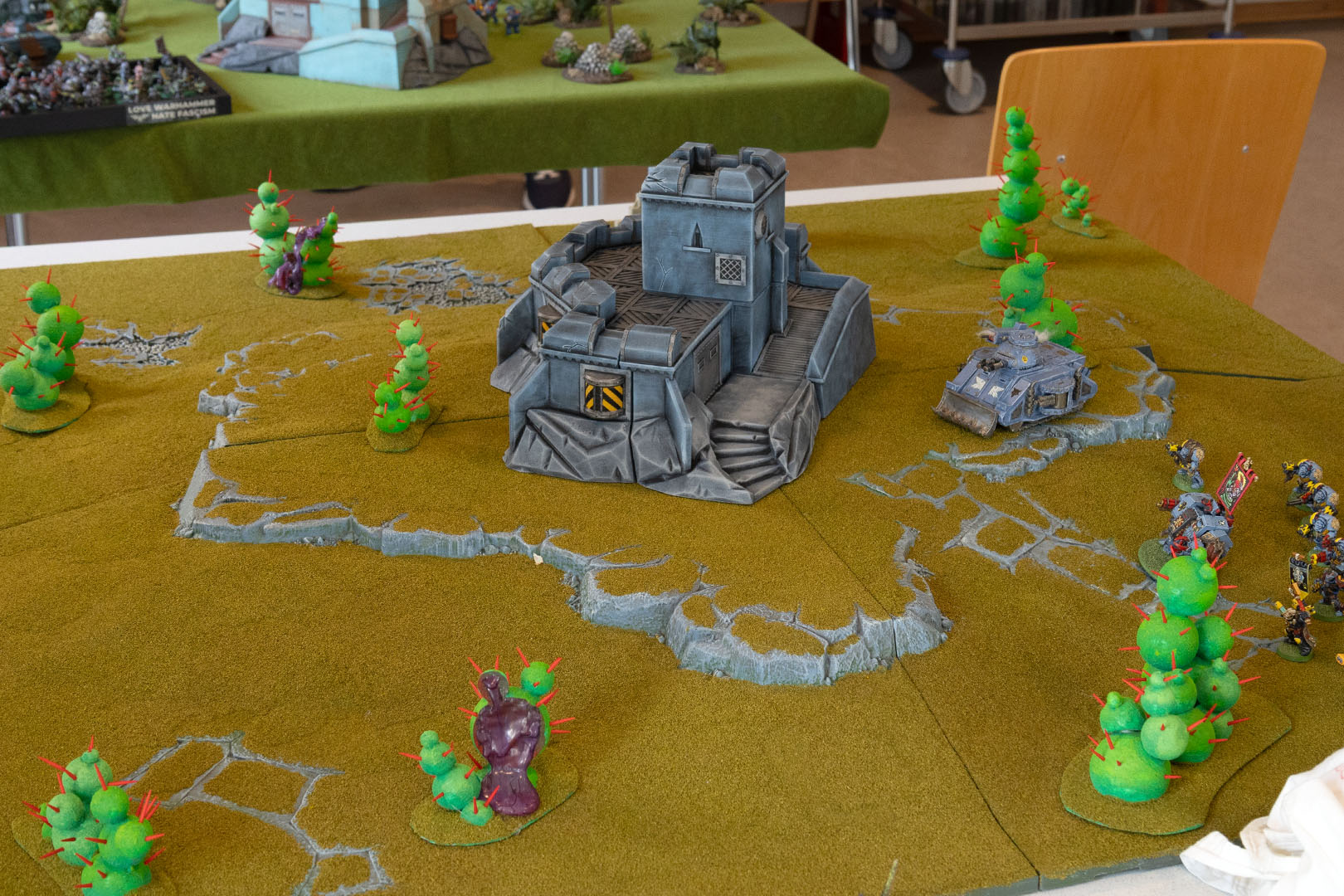
You can't play on an empty stomach ... err table, and therefore not only ruins and buildings are needed, but some proper flora and sometimes even fauna. One of the most iconic pieces of plant terrain are the alien cactus plants we've seen across multiple battle reports and army shots.
The picture below shows them in an Ork village in UK White Dwarf 164, from an extensive terrain building article by Adrian Wild on modelling cover for your games of Warhammer 40,000.
And after seeing them in action at the Chaosbunker Classics, I decided I had to build my own and I'd like to share how I did it!

Warhammer 40,000 – Tank Wrecks Pt 1
In addition to the other items I've built for my terrain collection, I wanted to add some tank wrecks. In 40k 2nd edition, they actually served multiple purposes, as vehicles (and some other larger models like walkers/dreadnoughts) were not simply removed from the table, but were recommended to stay on the table as wrecks, to provide cover or an obstacle for the remaining units.
I have an "eBay rescue," if you will or rather, a former colleague of mine stopped playing Warhammer and sold off his remaining collection to me — that I wanted to turn into a terrain piece. As it was someone’s first kit of this size, some pieces were not properly cleaned beforehand or had issues with the glue. Therefore, it was a perfect fit for terrain, as it would be a bit too much work to put this to use in the retro army. Not impossible, but simply a good donor vehicle for my purposes.
But first, let us take a look at this Leman Russ kit.
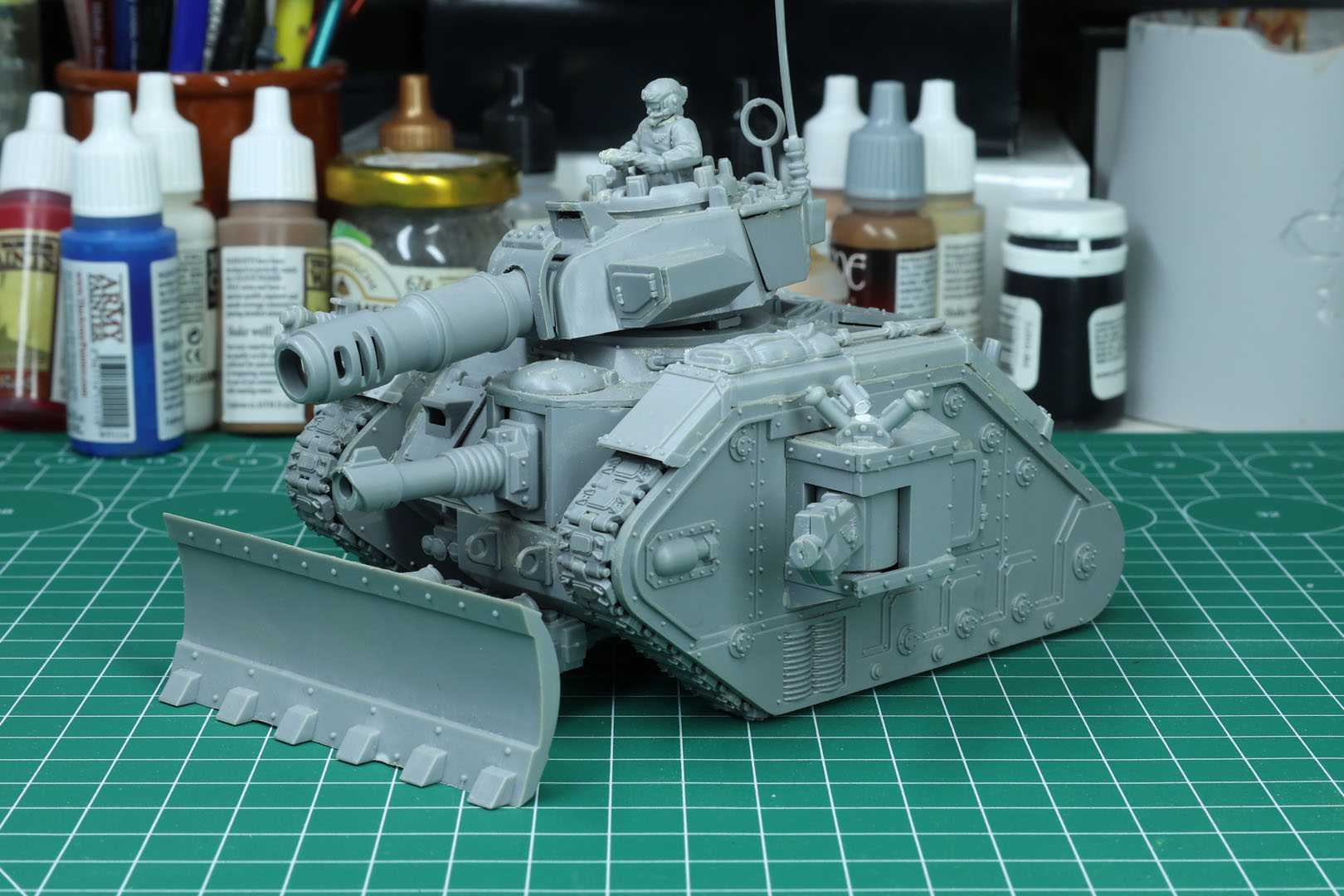
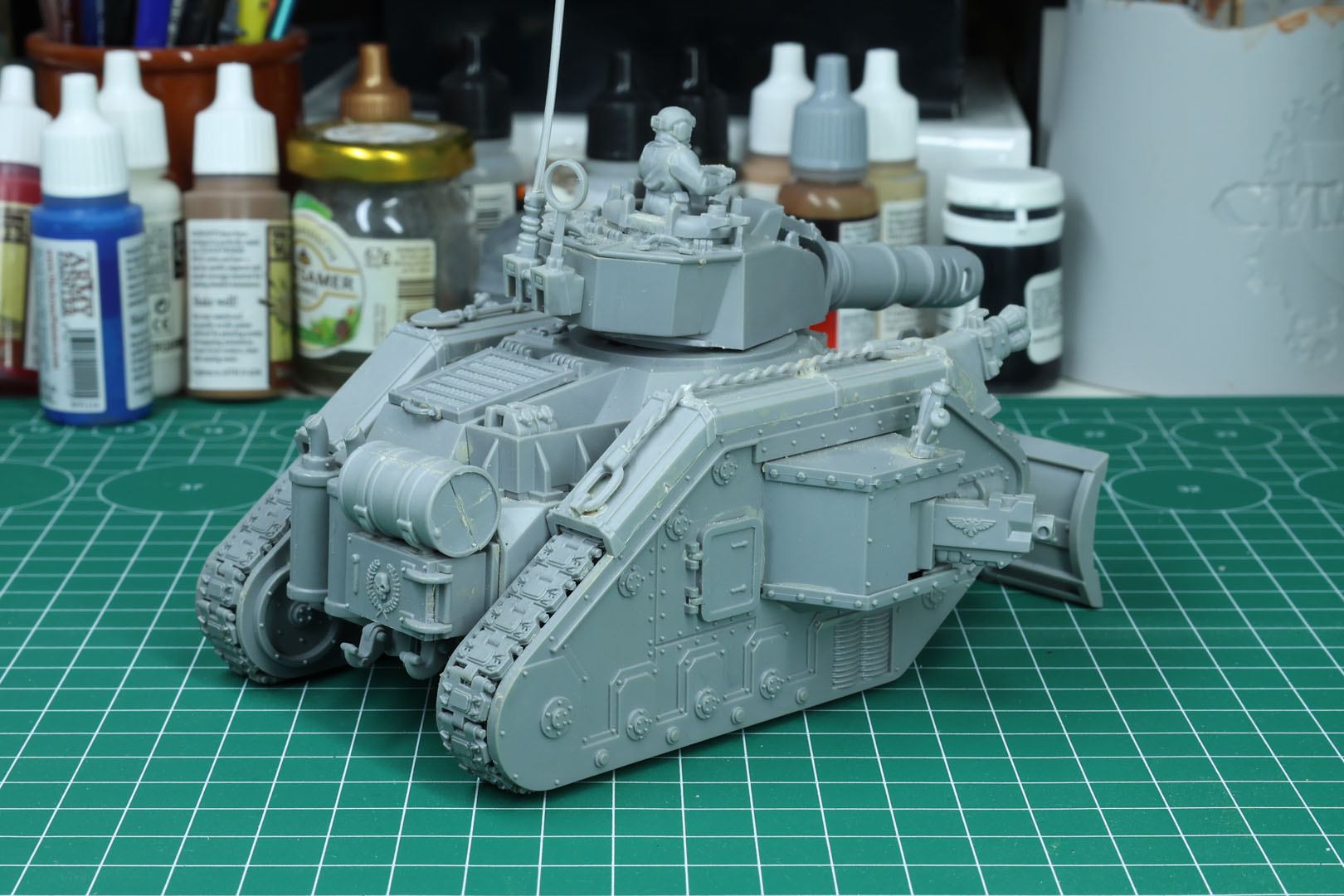
For the Leman Russ Battle Tank, a few "marks" were released over time. The initial/original plastic kit was released in 1994, which got an upgrade in 2003 (for the release of the updated 3rd edition codex) with a newer Imperial Tank Accessories Sprue, and a bigger update in 2009.
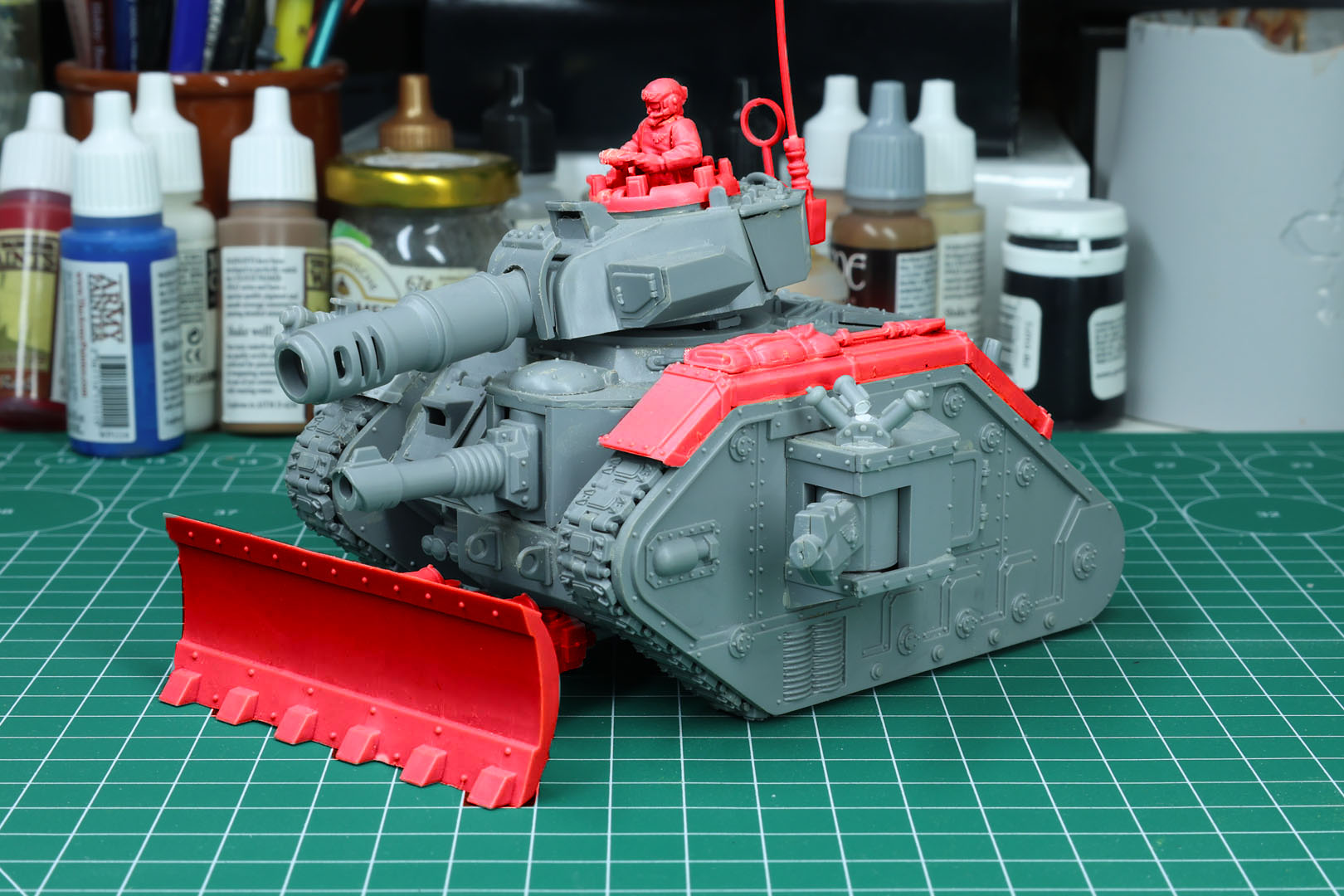
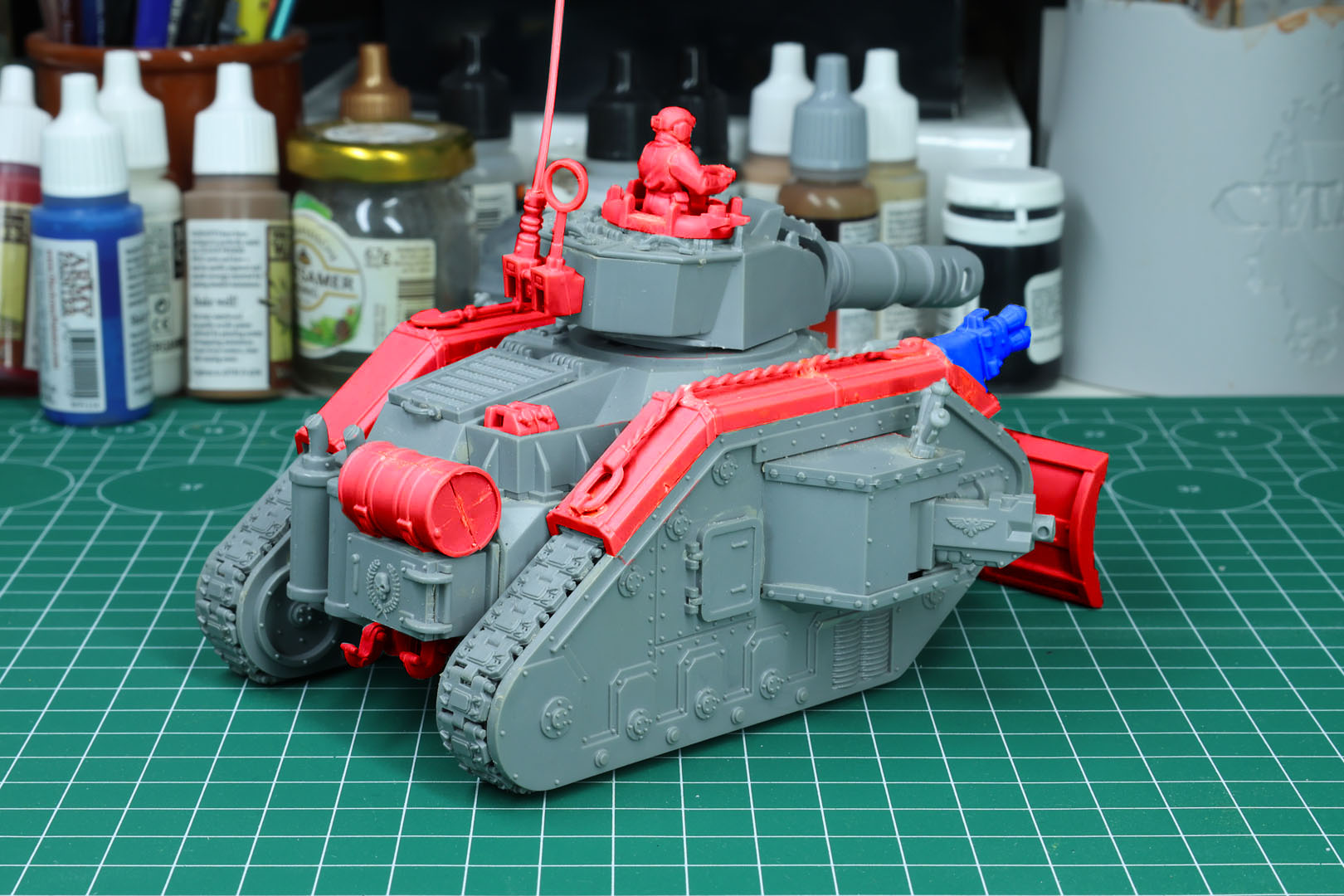
What we have here is the 2003 model, which is the same as the 1994 one but with different tank accessories (the classic sprue of 1994, the "newer" sprue of 2003). All the bits marked in red come from the 2003 sprue and are, as such, not fitting for the 40k 2nd edition time frame of 1993 to 1998 and shall be removed.
Until I finish the reviews and build reports on the Leman Russ, you can look up the assembly instructions that I uploaded on the blog for orientation if you intend to do something similar.
Warhammer 40,000 – Imperial Fists Call to Arms Pt 9
This article covers the very last days before the event. Every evening, I painted for at least three to four hours, once the kids were in bed.
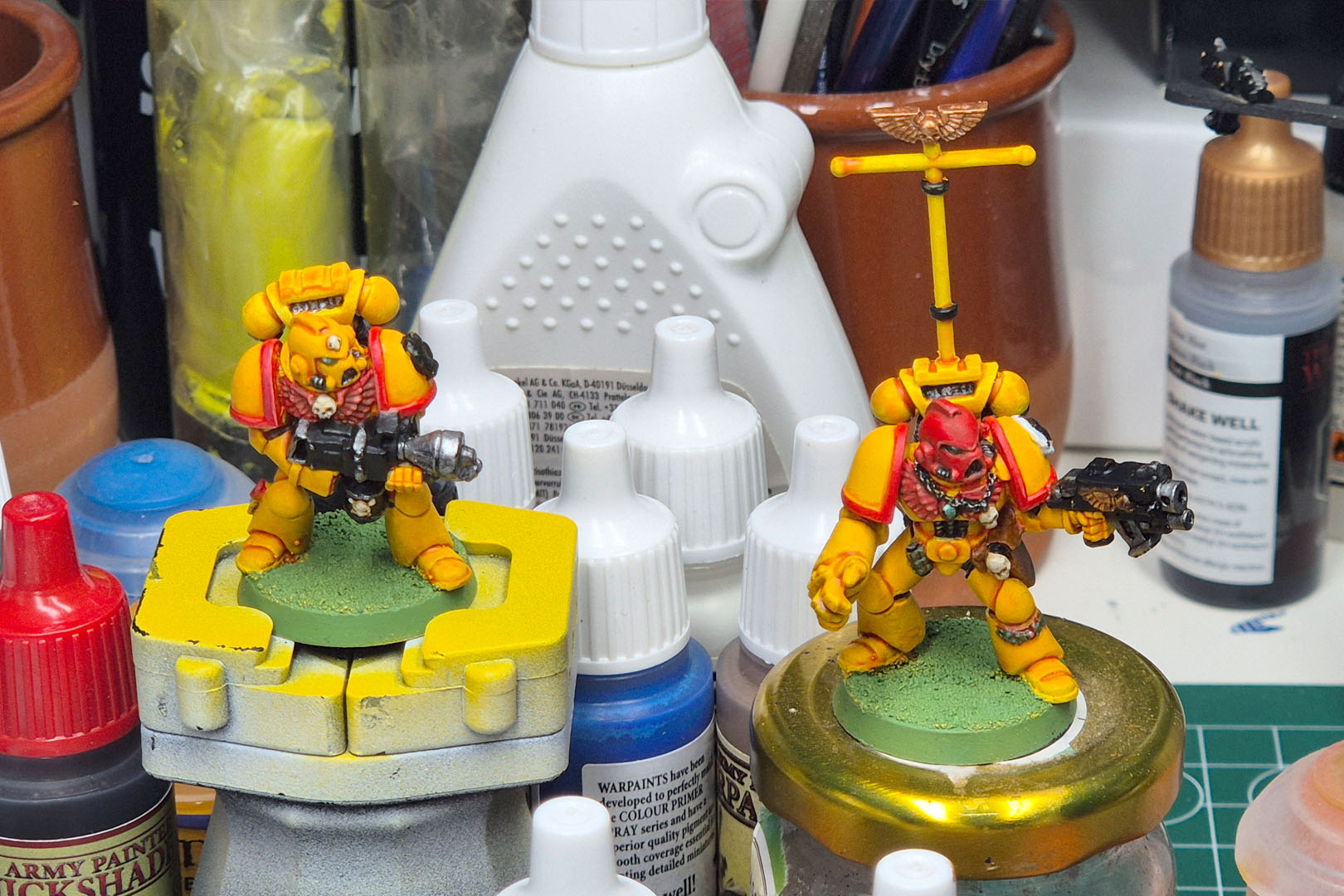
Tension was high, and there was no room for errors. I was trying to lock in the finishing line, but of course all the things you do not need suddenly come into play. For example, the Sergeant falling off the little pot from a height of only three or four centimetres, with everything breaking off instantly. That is something that would happen with some of the other multi-part miniatures as well, especially the Devastators.
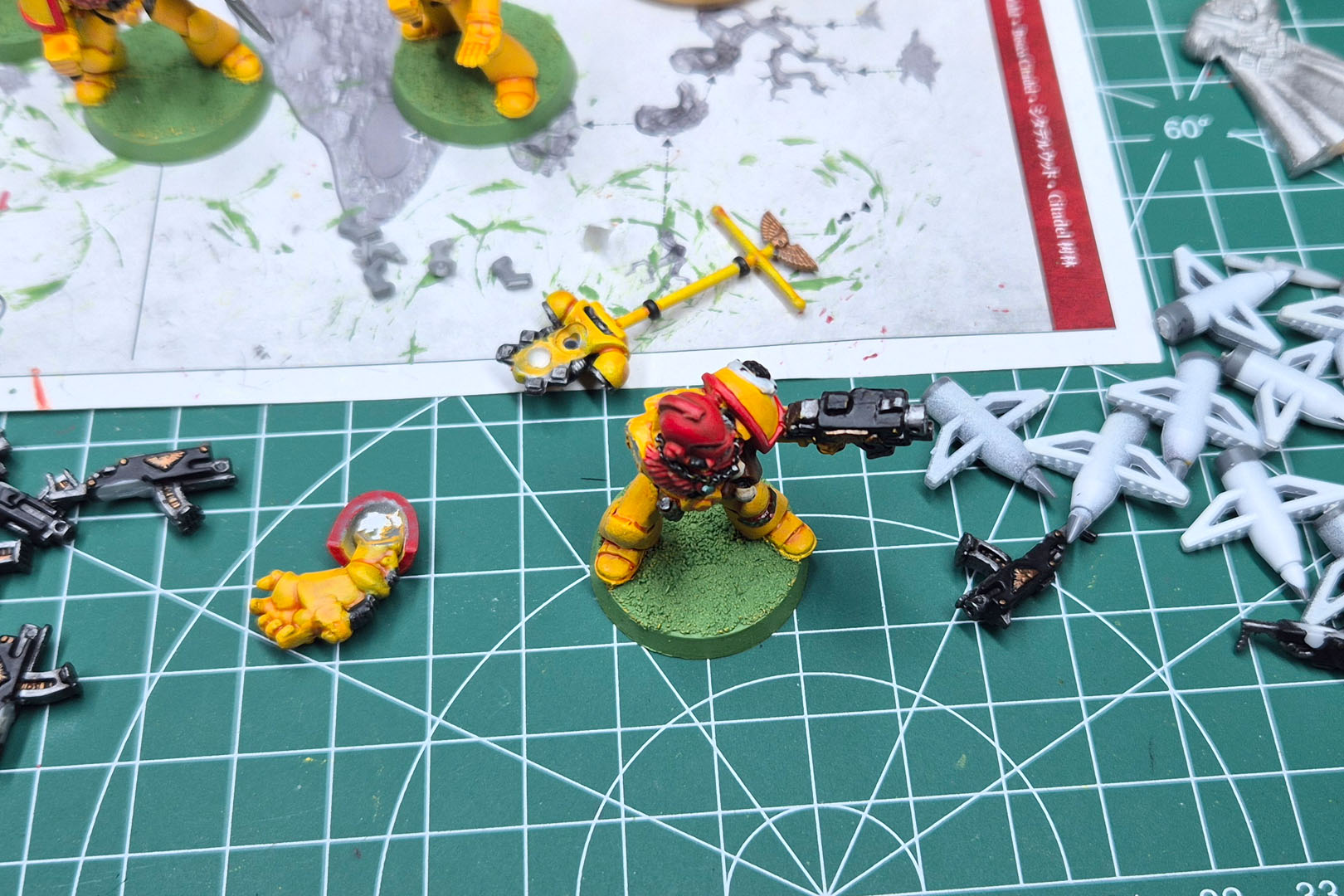
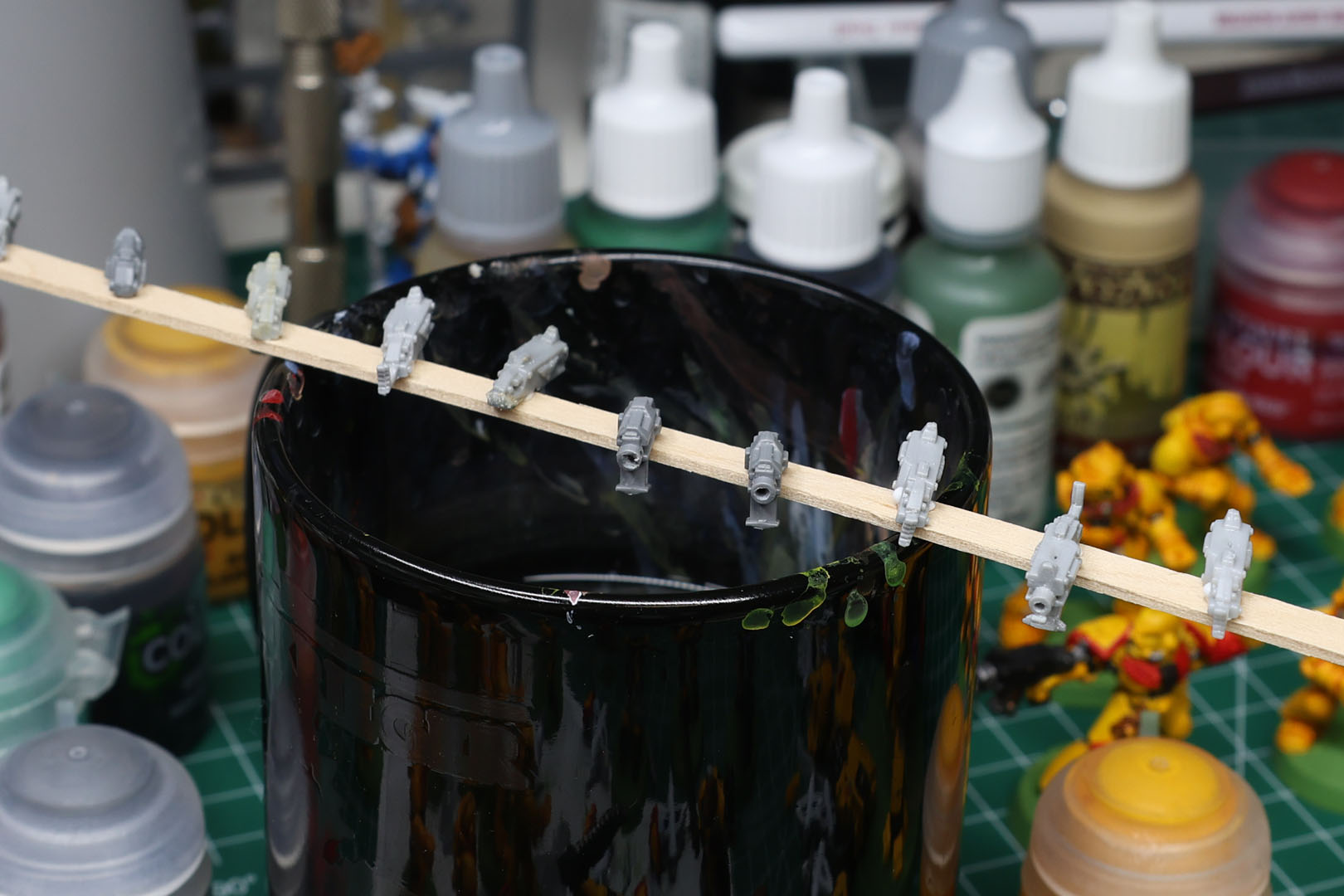
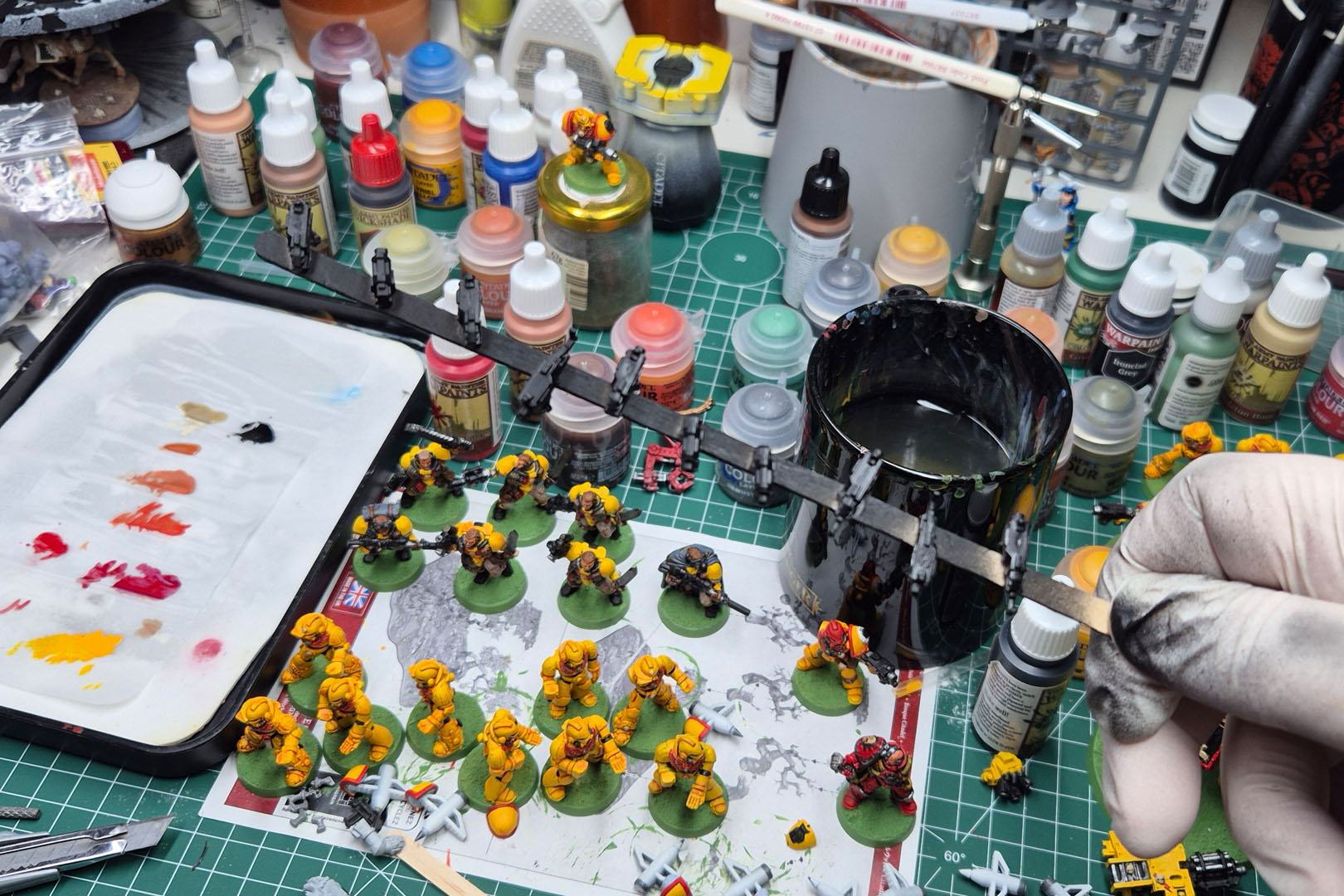
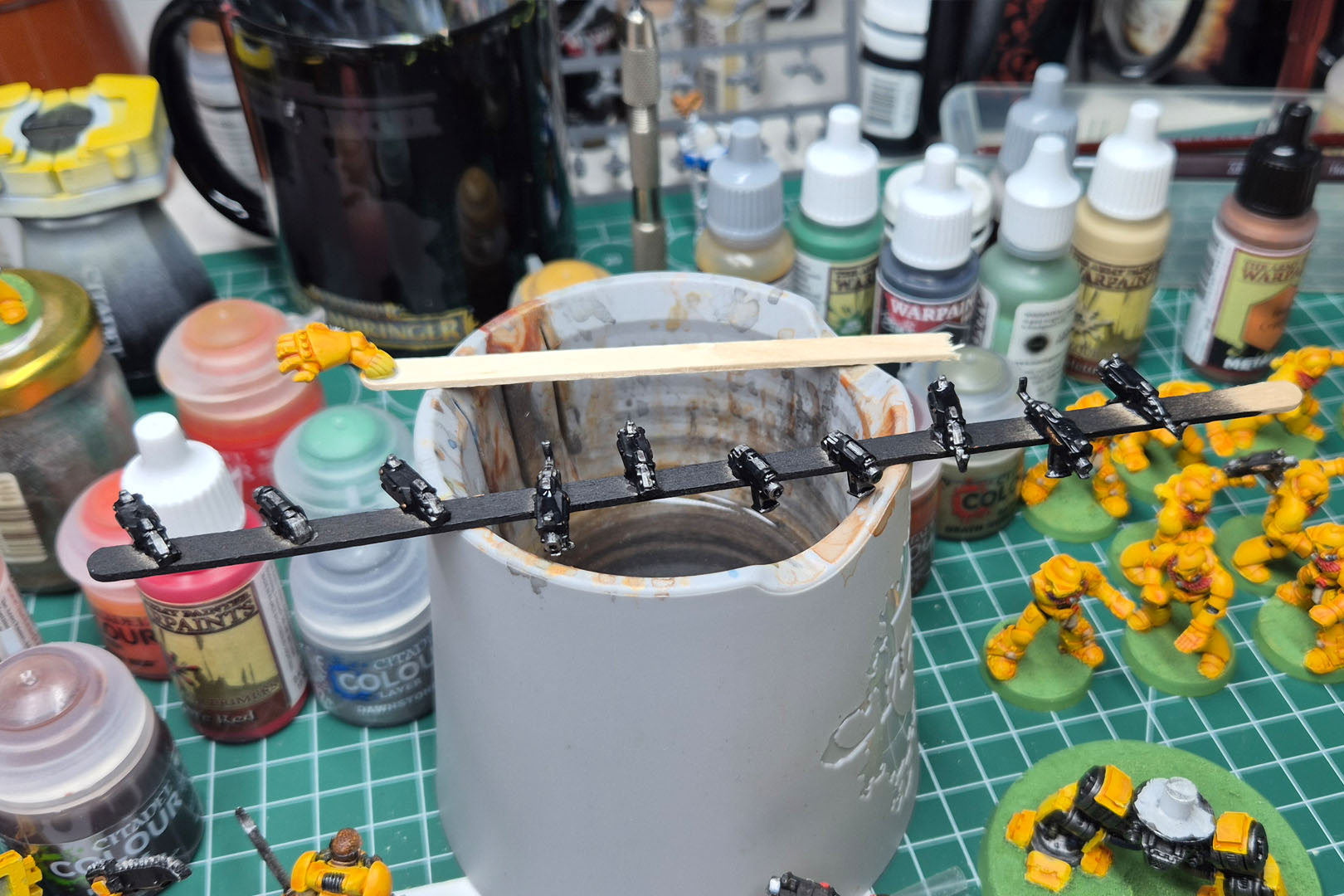
To get the weapons done quickly, I glued the bolters and bolt pistols onto a coffee stirrer and gave them a black primer. Then I touched up the metal parts with AP Gun Metal and True Copper, followed by a quick wash of Nuln Oil.
Warhammer 40,000 – Imperial Fists Call to Arms Pt 6
As the remaining time got less and less, I even brought the miniatures with me on my family trip and finished up the primer and added first colours. I was painting at the kitchen table after the kids went to bed.

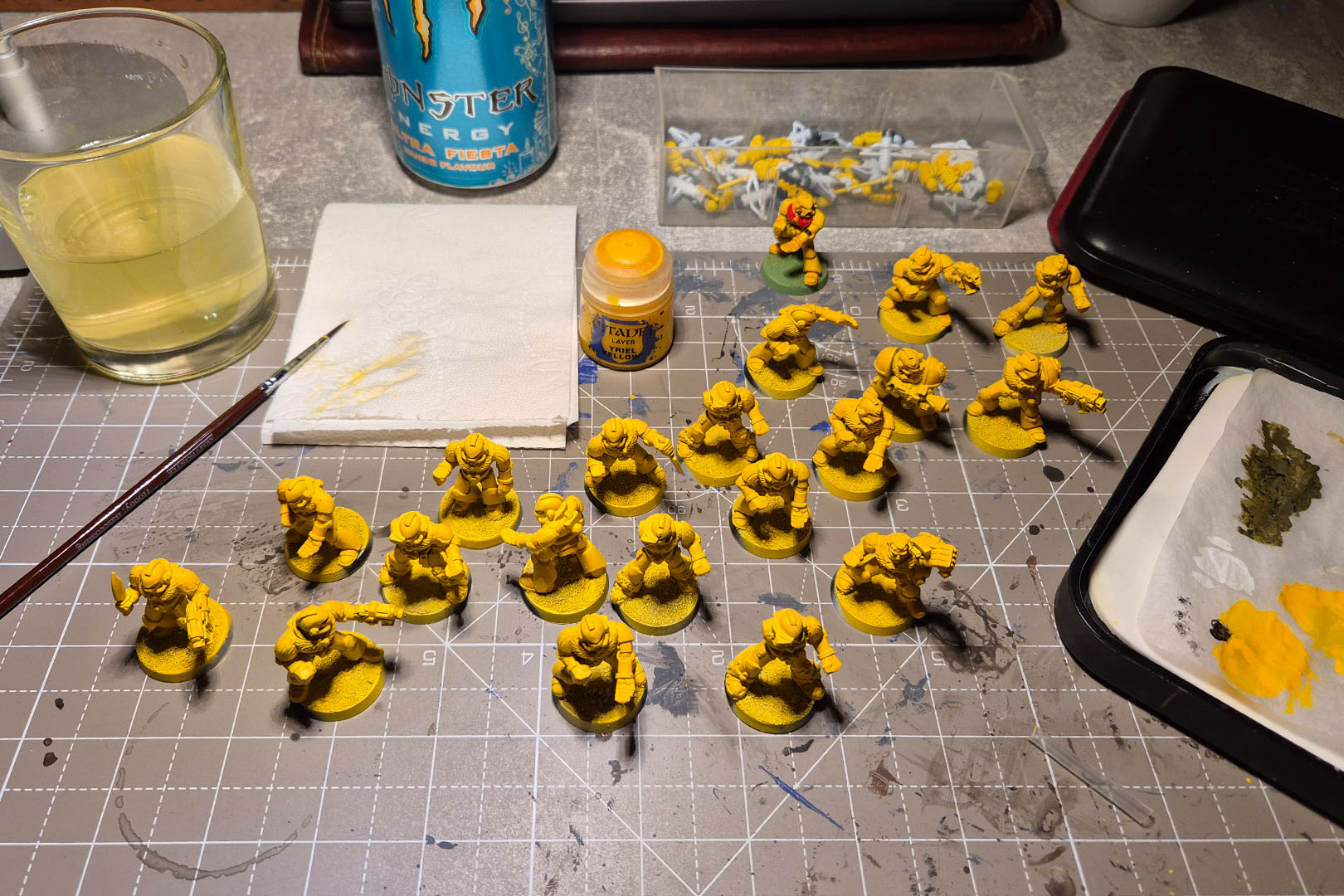
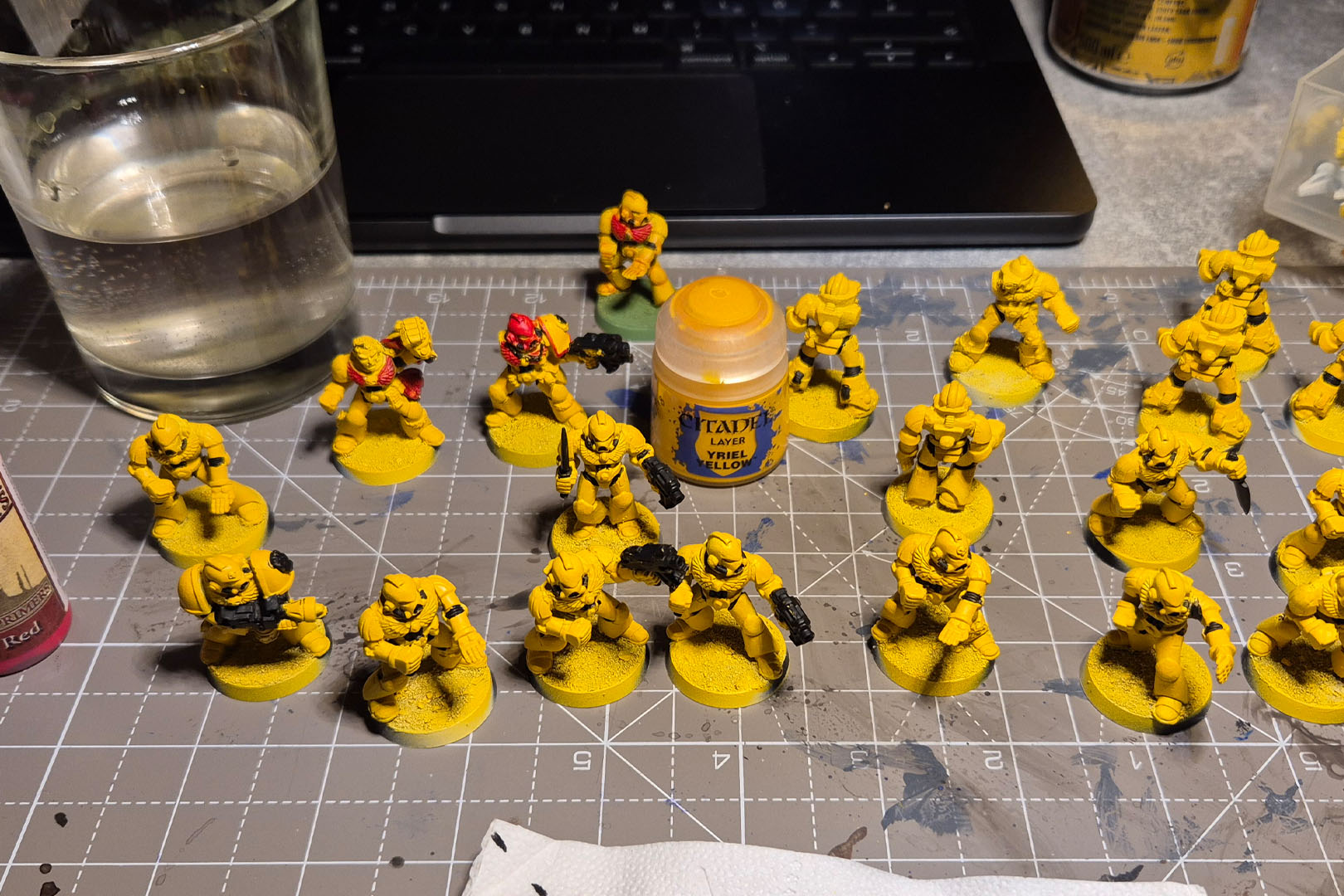
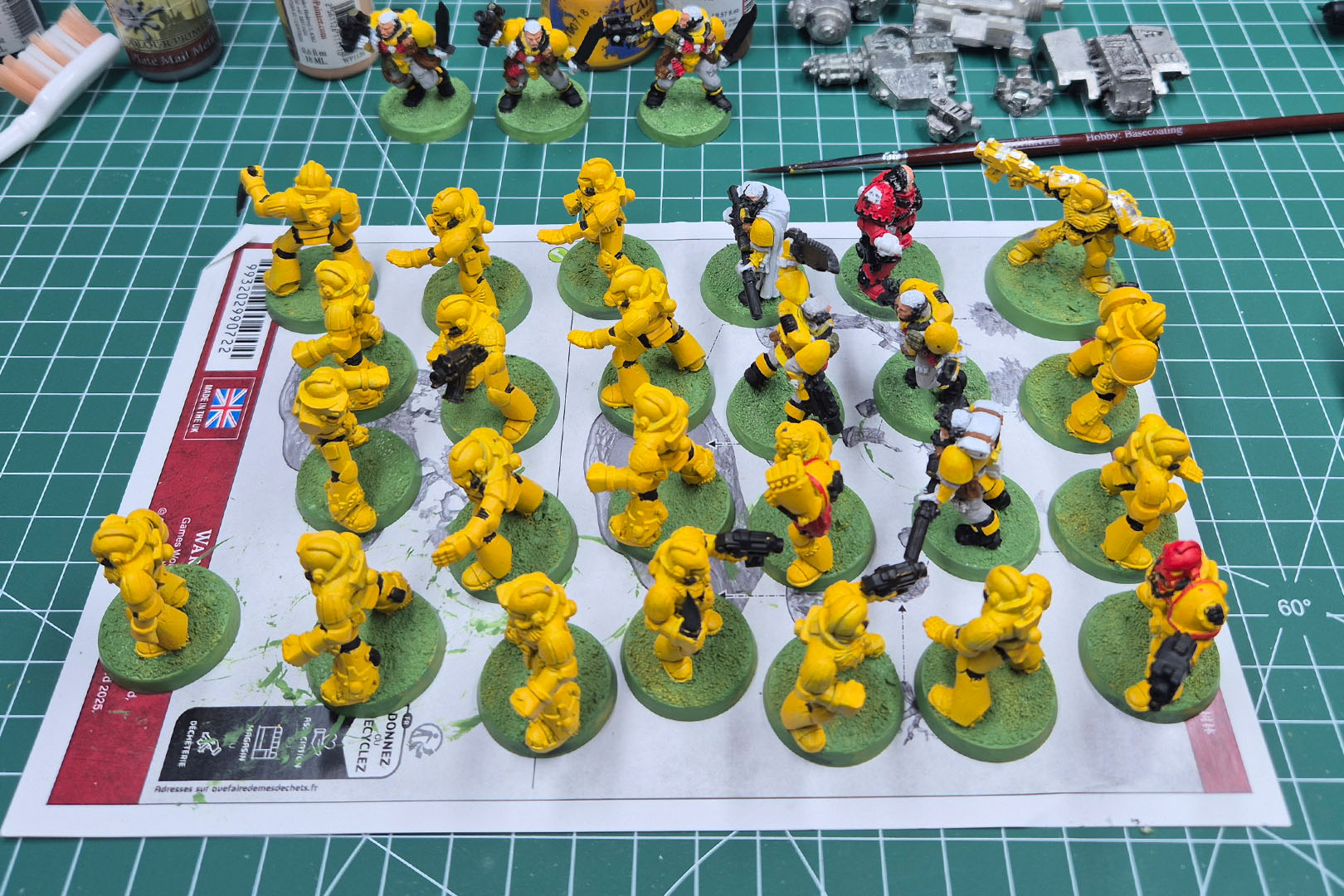
As mentioned before, I primed the miniatures white and gave them a coat of Titan Hobby Imperial Yellow. Those areas that I didn't fully cover, were touched up with Citadel Yriel Yellow. Weapons and the soft spots between the armour panels were painted in Army Painter Matt Black. Everything that would be red, received a AP Pure Red first coat, and everything that would be green a first coat of Citadel Deathworld Forest.
The bases were painted with IONIC Goblin Green.
Warhammer 40,000 – Imperial Fists Call to Arms Pt 5
Chapter Iconography
While I reached a certain degree of battle ready-ness for the event, as you can see from the coverage, I still want to show you how I got there.
I stood before the decision of going for decals or moulded shoulder pads, and went for the latter. I really liked the idea and while it is something that came around rather later to 2nd edition and was more prominent in 3rd edition onwards, I still think it looks quite fitting. For the Imperial Fists there were several designs of pre-sculped shoulder pads available (including terminators and some characters), and I managed to acquire quite a bunch and at least one for each character I had planned.
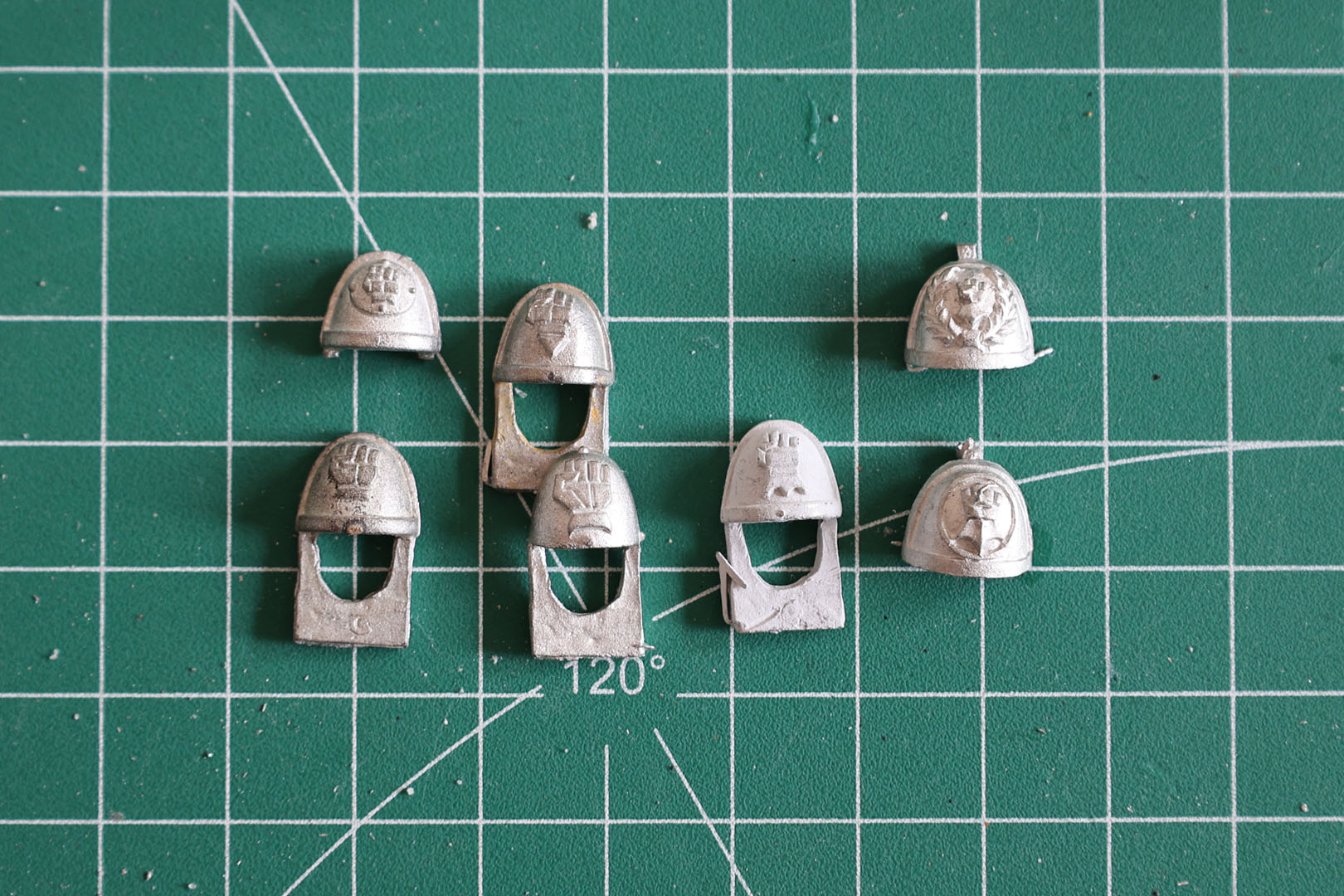
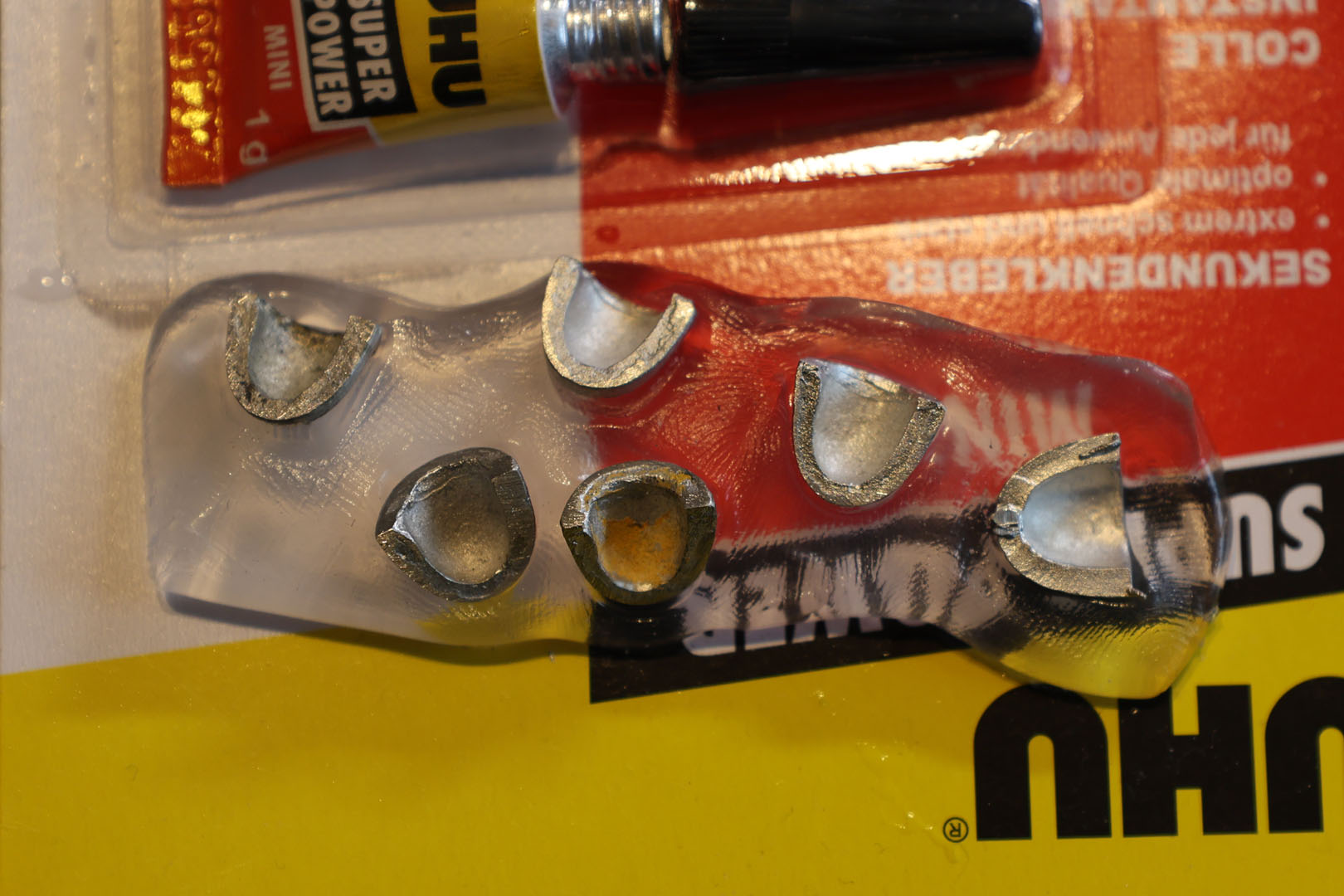
But the challenge would be, what to do about those, who already had a left shoulder (or right one in case of the Terminators). I could have cut down the entire pad and replaced it with a sculpted one, but went down a different route. Going with Oyumaru, also known as Instant mould, a reusable thermoplastic from Japan, that can be used to mould pieces from various materials and is easier to use than silicone moulding.
Like us on Facebook

Follow me on Instagram

Categories
- battle report (5)
- events (212)
- fantasy (612)
- General (162)
- historical (651)
- Little Big Adventures (4)
- offtopic (5)
- reviews (556)
- science fiction (715)
- showroom (108)
- terrain (120)
- work-in-progress (423)