Graal Miniatures – Marius Mules Legends of Rome
Earlier this month we gave you a short introduction to Graal Miniatures, and today we are taking a closer look at the infantry from the currently running Kickstarter, which covers Romans in 32mm scale. We have a few of the characters in blisters and a unit from one of the boxed sets on the desk.
Although Graal Miniatures also offers digital products via their Patreon, the crowdfunding campaign is purely about physical, resin 3D-printed models, intended for game systems such as Saga: Age of Caesars, Hail Caesar or Swordpoint.
But first, a bit of context, because Romans are a safe bet in tabletop gaming and are already available in 25-32mm from plenty of manufacturers, in metal as well as plastic. But not all Romans are the same. We will keep this brief and simplified to give you a quick overview, rather than turning it into a multi-volume master's thesis. Simply put, when people talk about Rome they usually mean the period from 509 BC to 476 AD (referring primarily to the Western Roman Empire, as the Eastern Roman Empire, or Byzantium, lasted until 1453). That is a span of roughly 1,000 years, and we will leave the Regal Period before the Roman Republic aside for now.
The Roman Republic, from 509 to 27 BC, can be divided into three eras: the Early Republic, in which Rome gradually conquered Italy, the Middle Republic with the Punic Wars and expansion across the Mediterranean, and the Late Republic, which includes Caesar, the Roman civil wars, the Marian reforms and the Gallic Wars. Even these three phases show differences in the soldiers' armour and weapons. The Republic was followed by the Imperial period (27 BC until the division of the empire into West and East in 395 AD), during which the Roman Empire reached its greatest extent in 117 AD. After that comes Late Antiquity, lasting until the end of the Western Roman Empire in 476 AD. To simplify things once more, in tabletop terms you can roughly split them into Republican Romans and Imperial Romans, which is where the most obvious visual differences lie. Set apart from those are the Late Romans of Late Antiquity, who look quite different again.
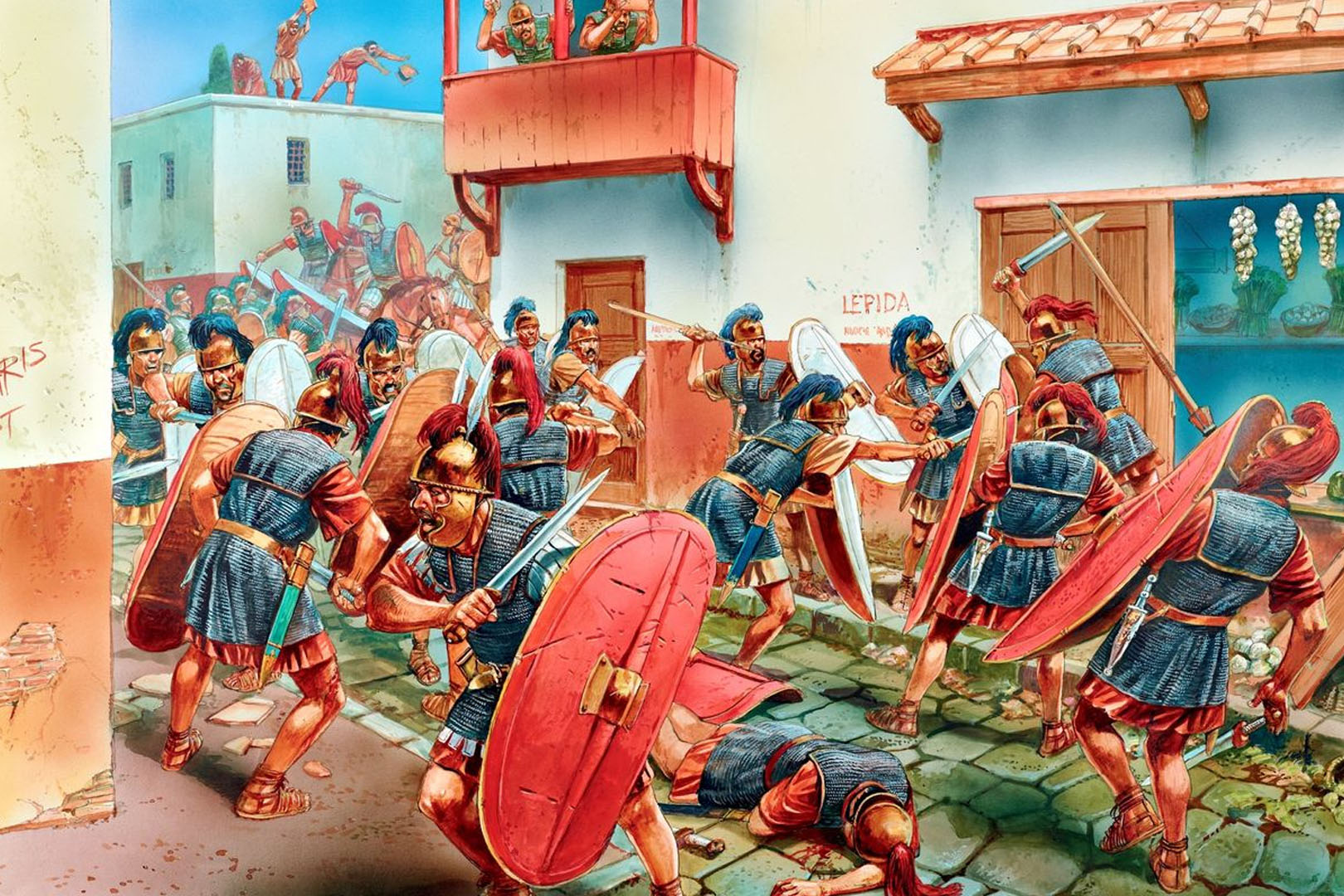
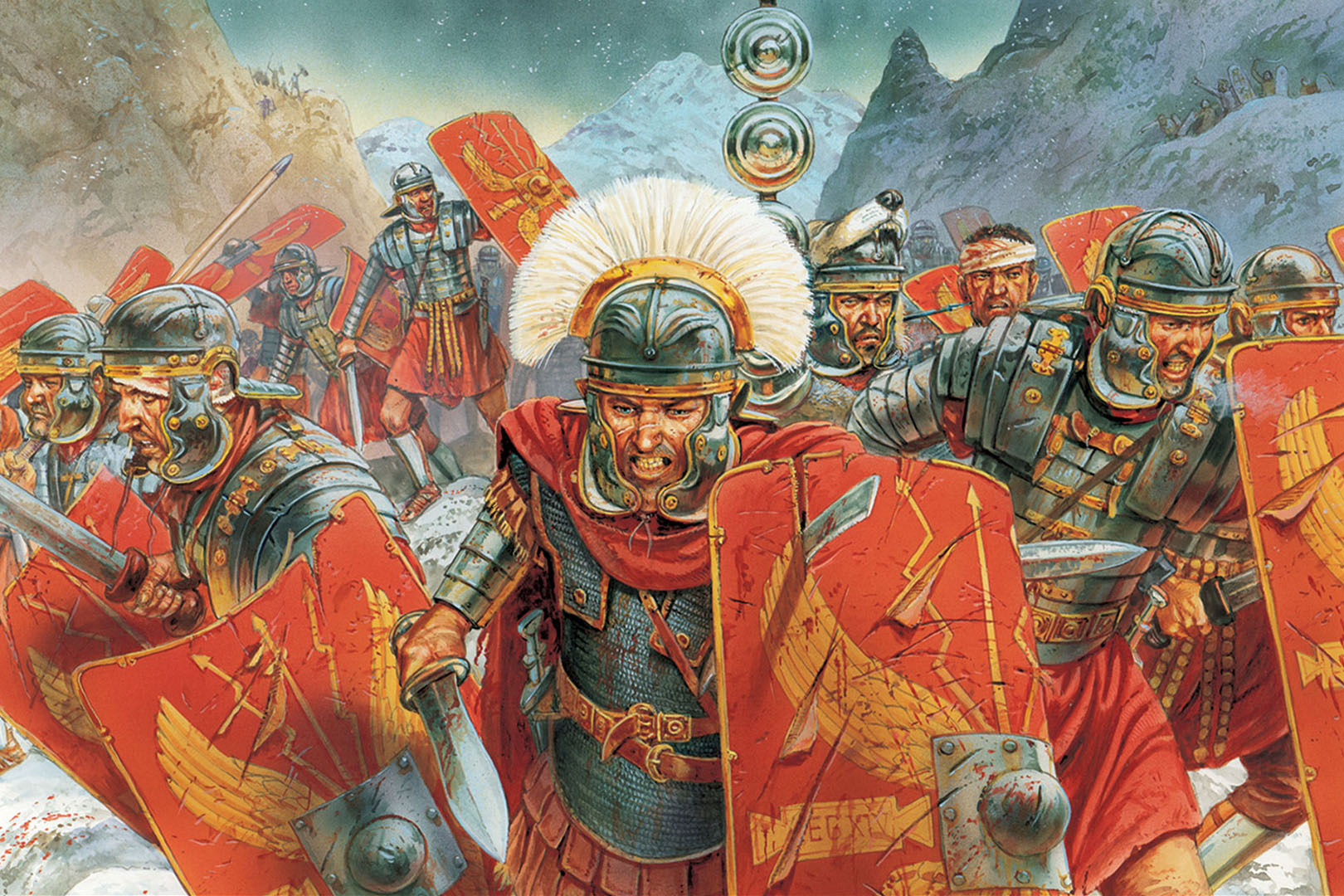
To show you the key differences in armour and design, I have put two illustrations by Peter Dennis side by side. On the left, Roman legionaries of the Republic, on the right, of the Imperial period. In Republican times you see the Montefortino helmets, the mail shirt (lorica hamata) and an oval shield. In the Imperial period these were replaced by helmets with a wide neck guard, mail, scale armour or the segmented plate armour (lorica segmentata) and rectangular shields.
Marius' Mules focuses on the period around the Battle of Arausio (105 BC) at the end of the 2nd century BC, placing the range firmly in the Late Republic. With figures like Julius Caesar, however, the range also covers the later phase of the Republic. By the way, the name is a nod to the nickname "muli Mariani", as Marius' soldiers had to carry their own kit. For this period there are already plastic and metal models available in 25 to 28mm. But let's get to the actual review.
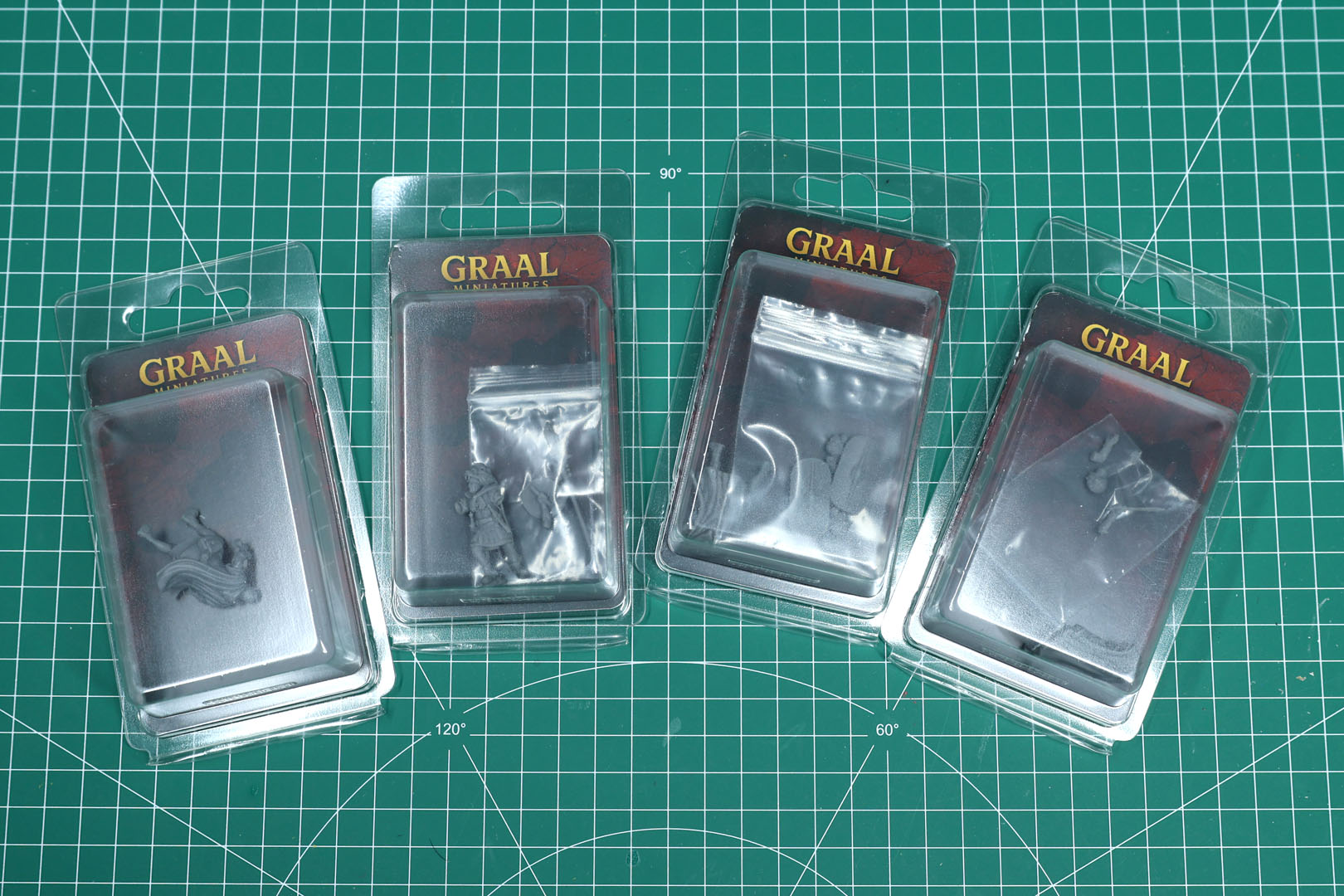
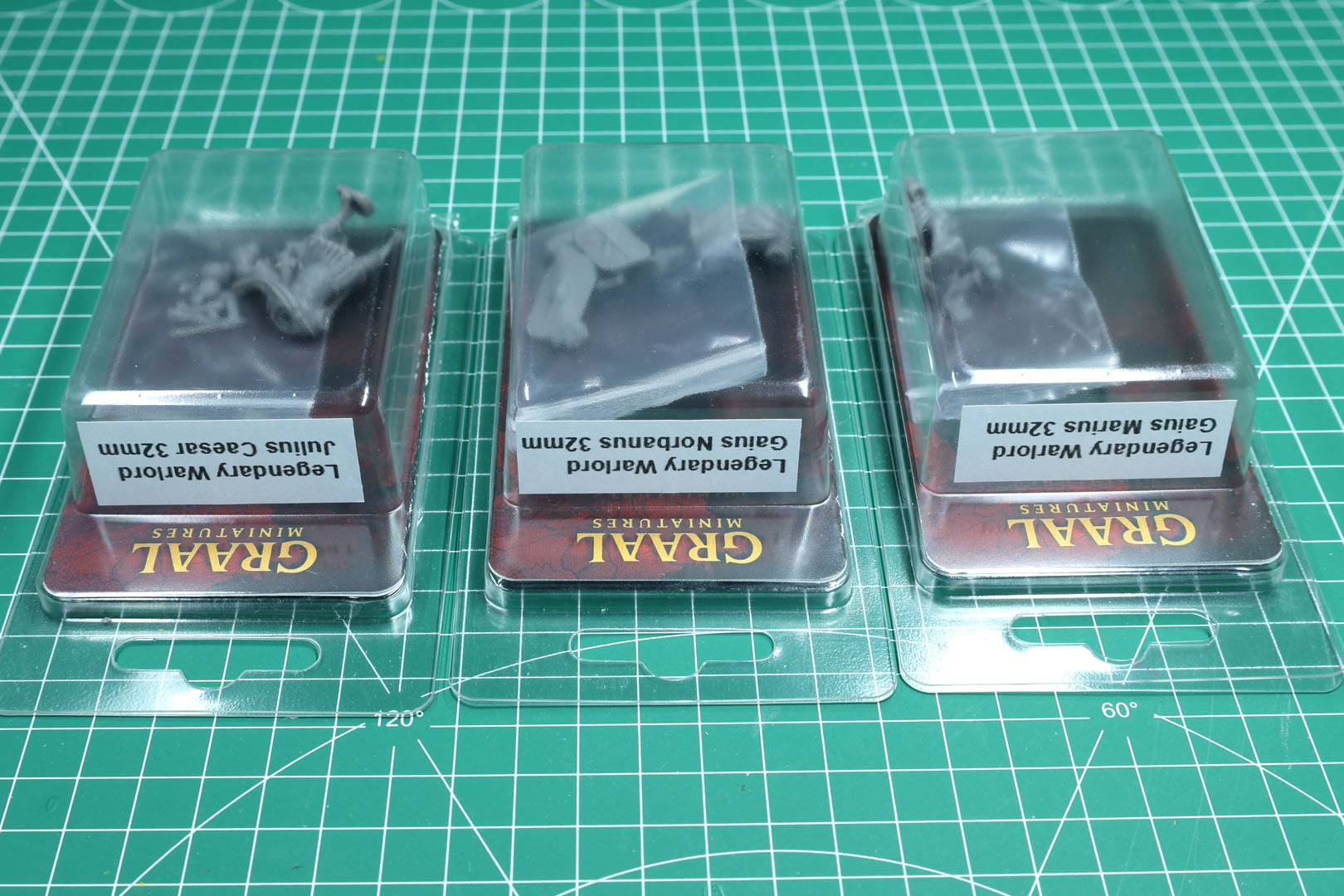
Single models come in blisters, covering officers and notable characters of the era. The miniatures are packed in small bags inside clamshell blisters with a designed insert that carries all the relevant manufacturer information. The QR code takes you to the Graal Miniatures Linktree.
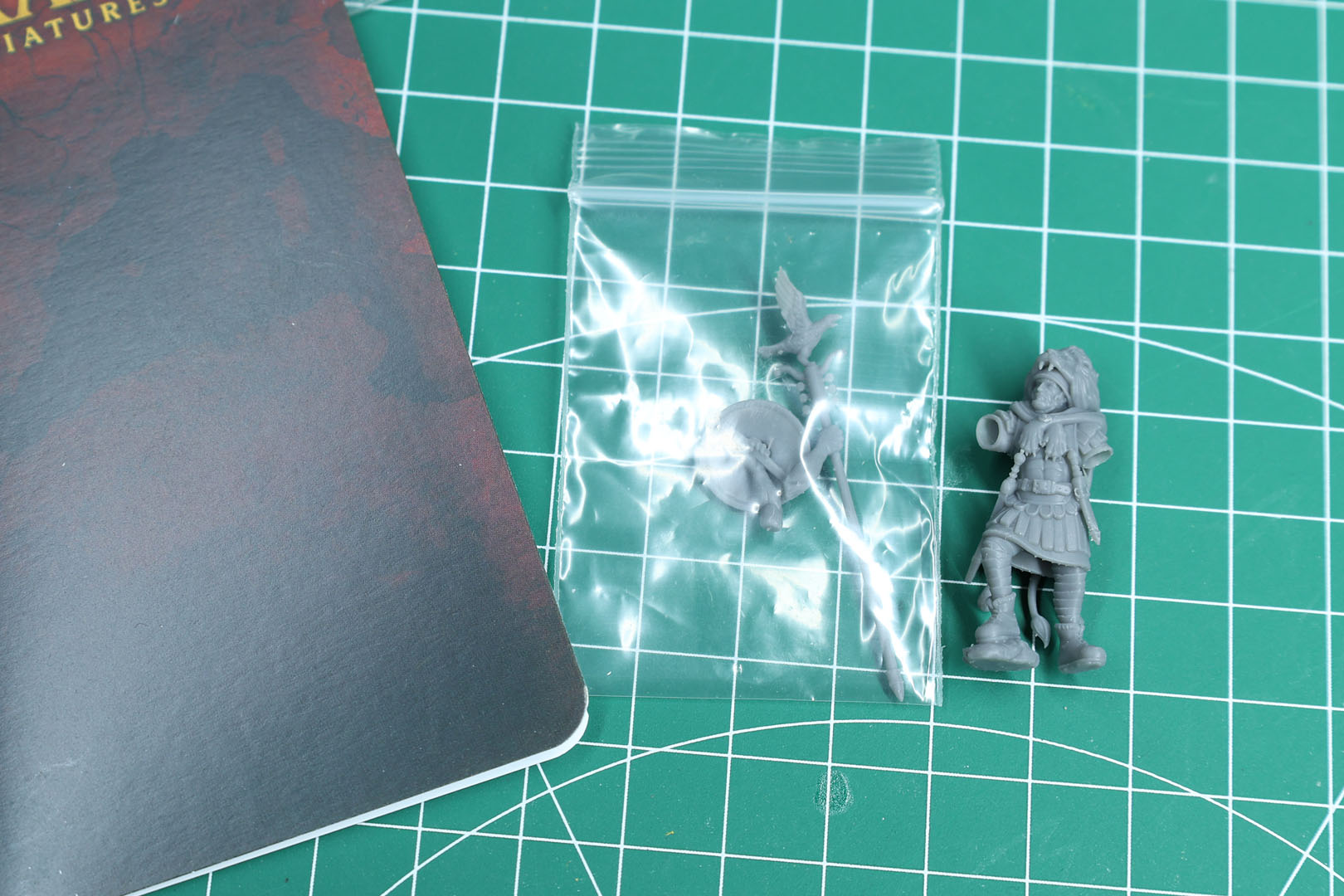
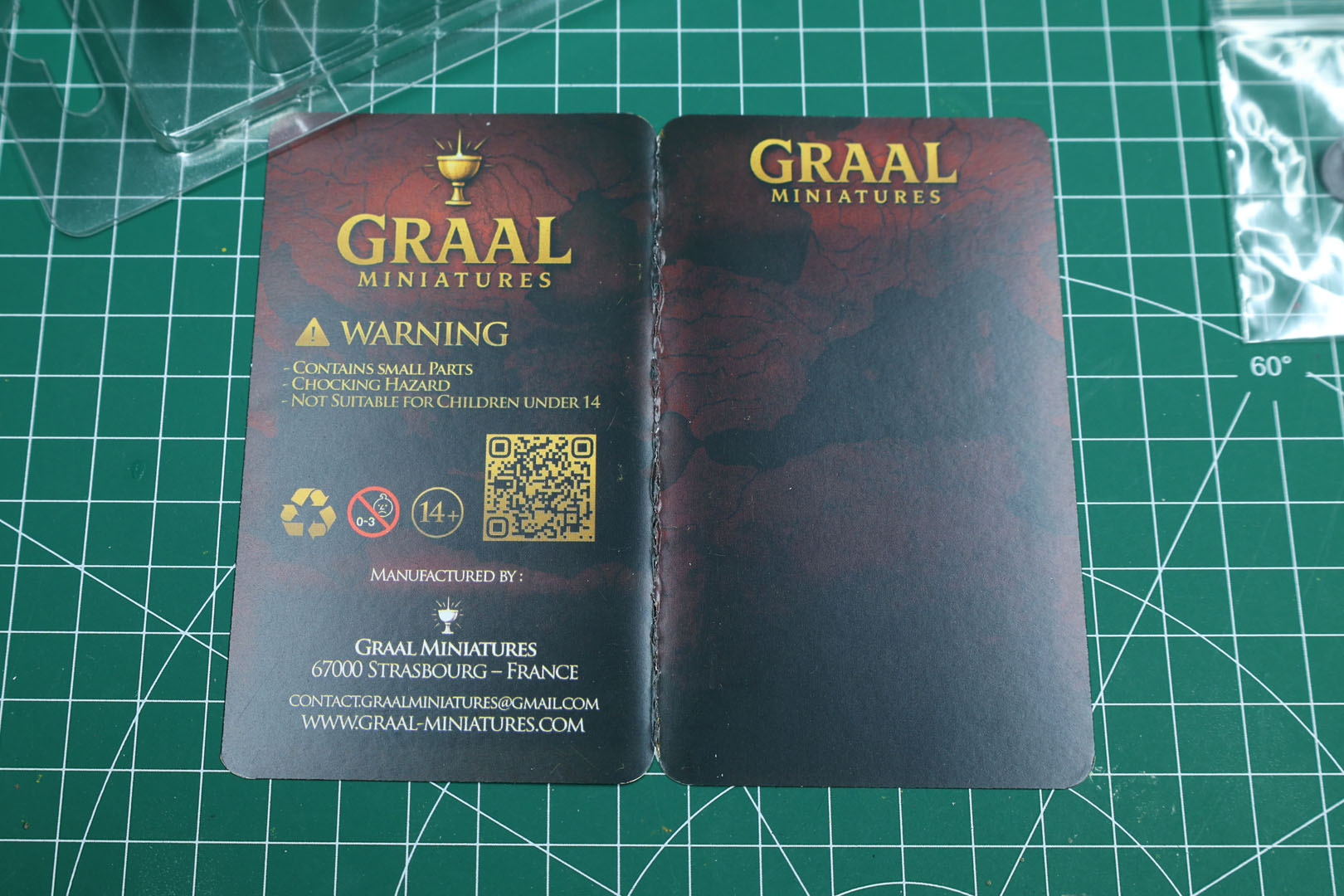
The miniatures are 32mm scale. Graal calls it heroic scale, though I would rather describe it as true scale. The print quality is very high and the models come largely cleaned up. They are cured and more than 90% of the supports have been removed. Here and there you may find a few small nubs. Cleaning those up takes about as much effort as removing flash from a metal figure.
The photos were taken on a cutting mat with a 1 cm grid to give you an idea of the level of detail.
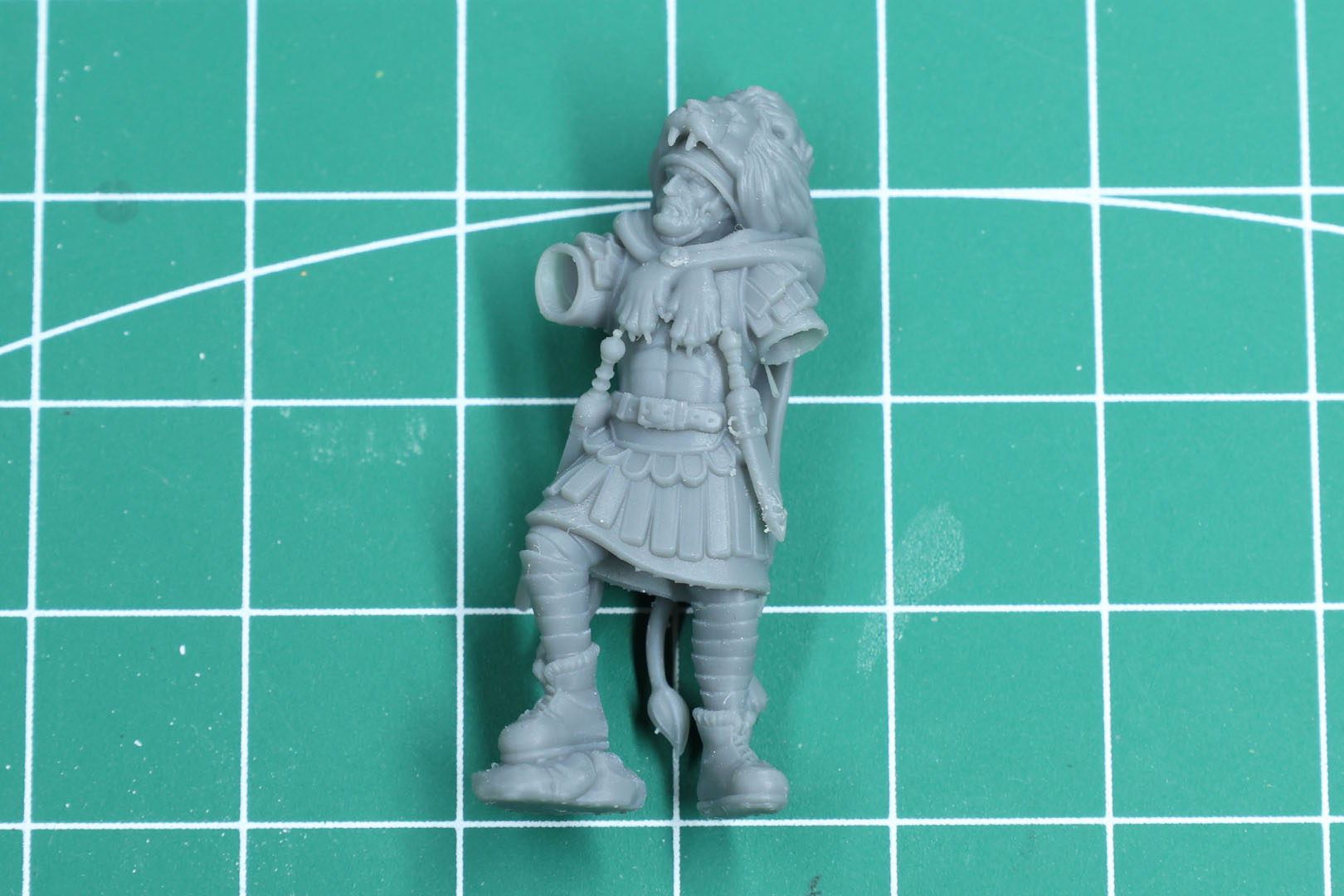
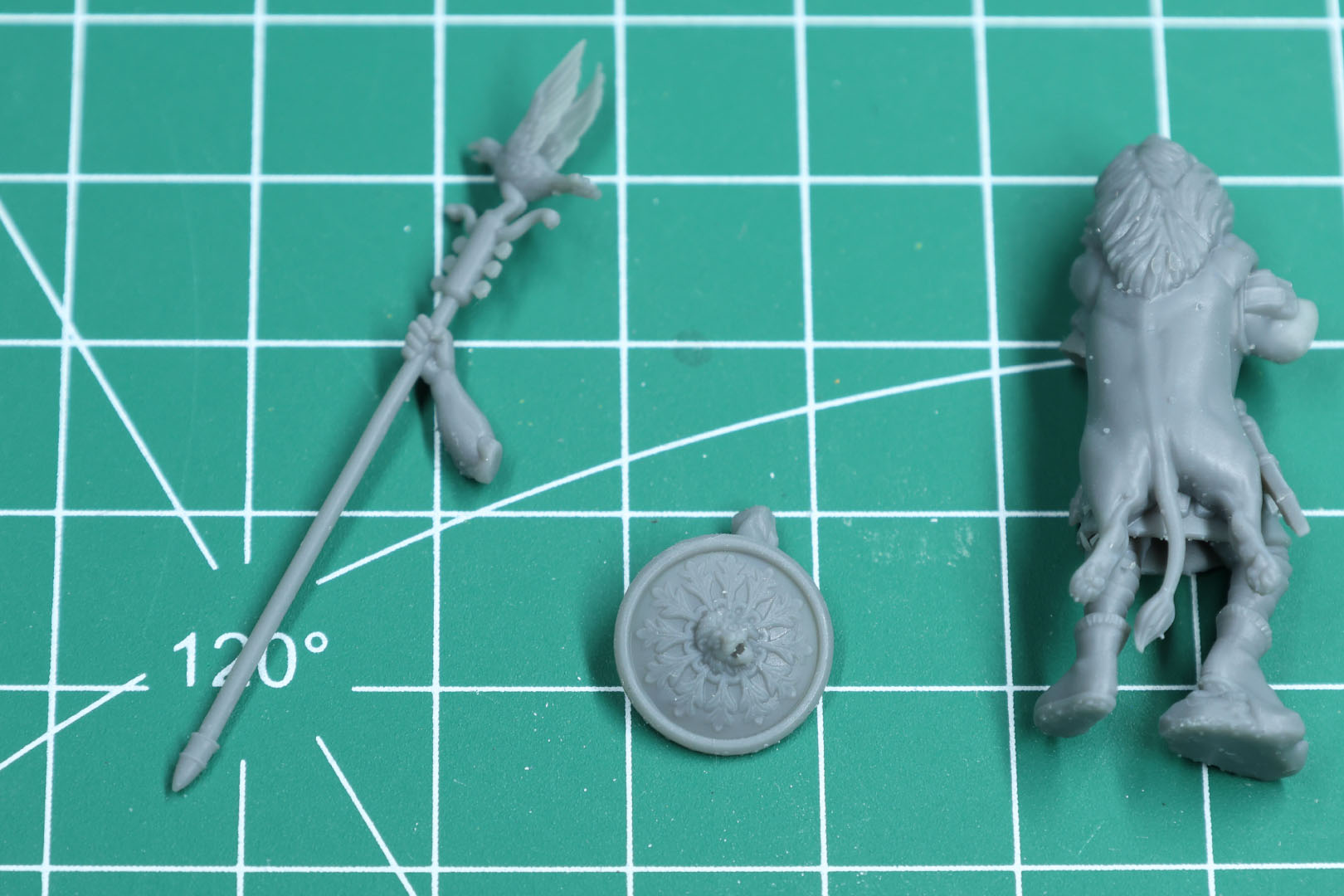
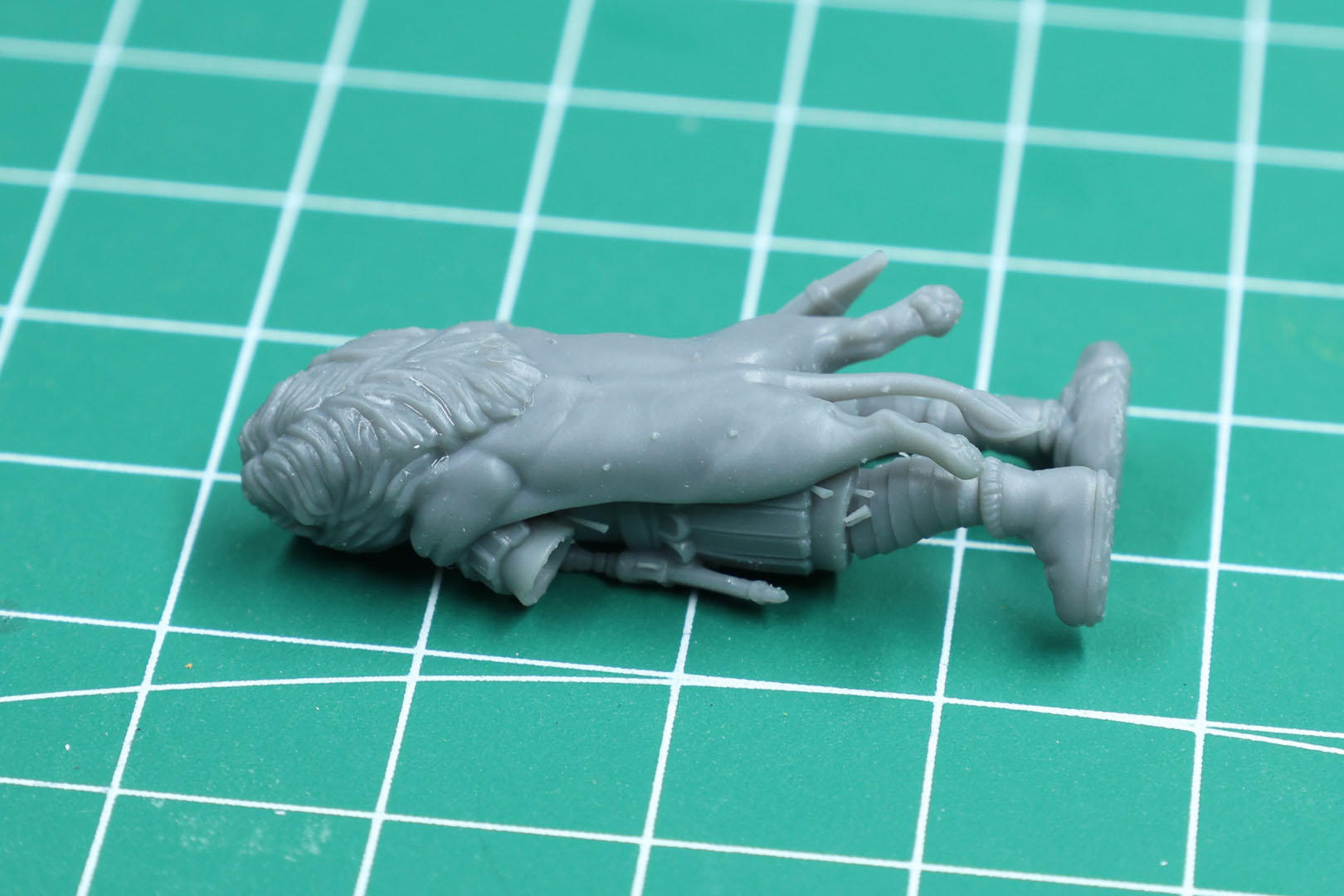
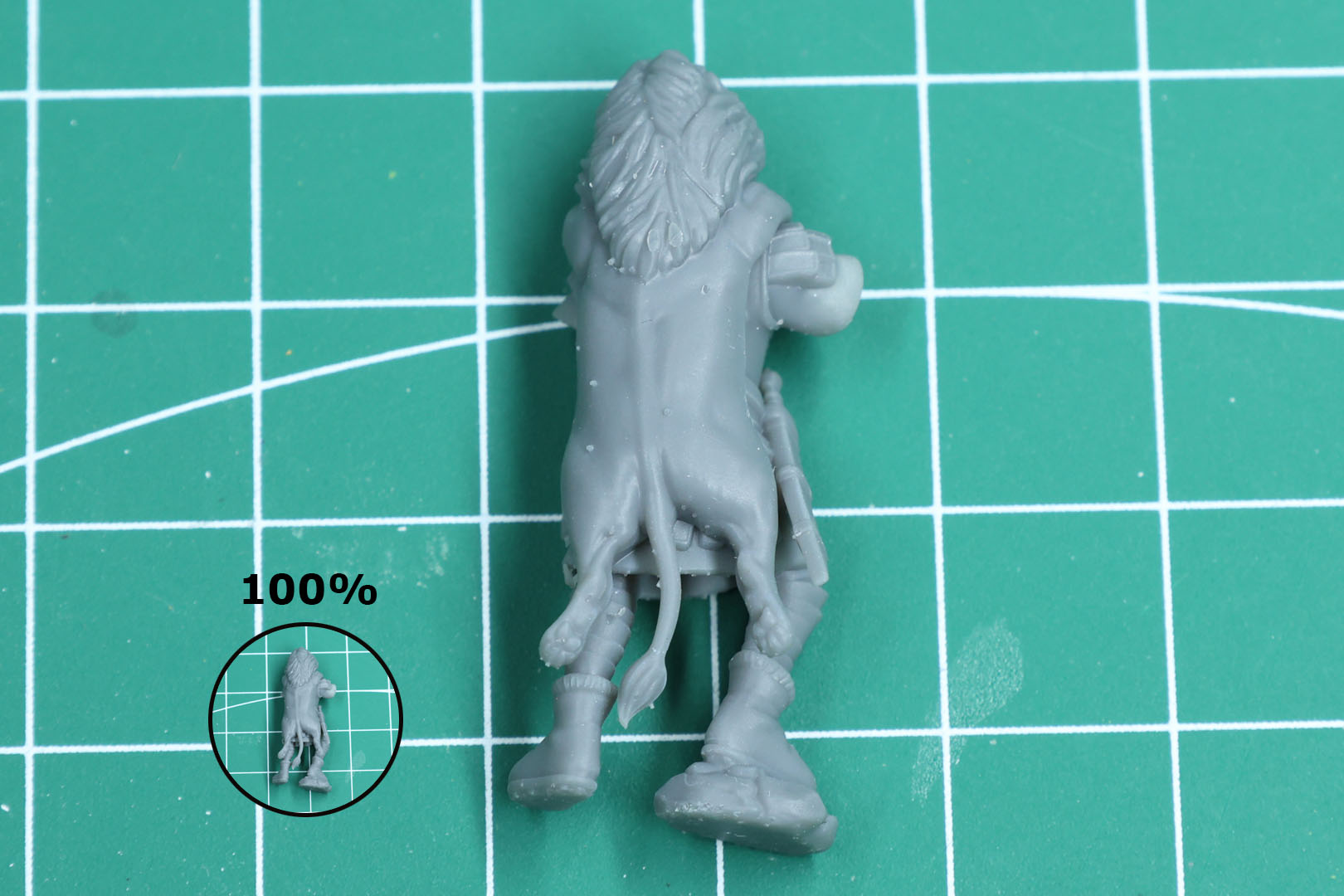
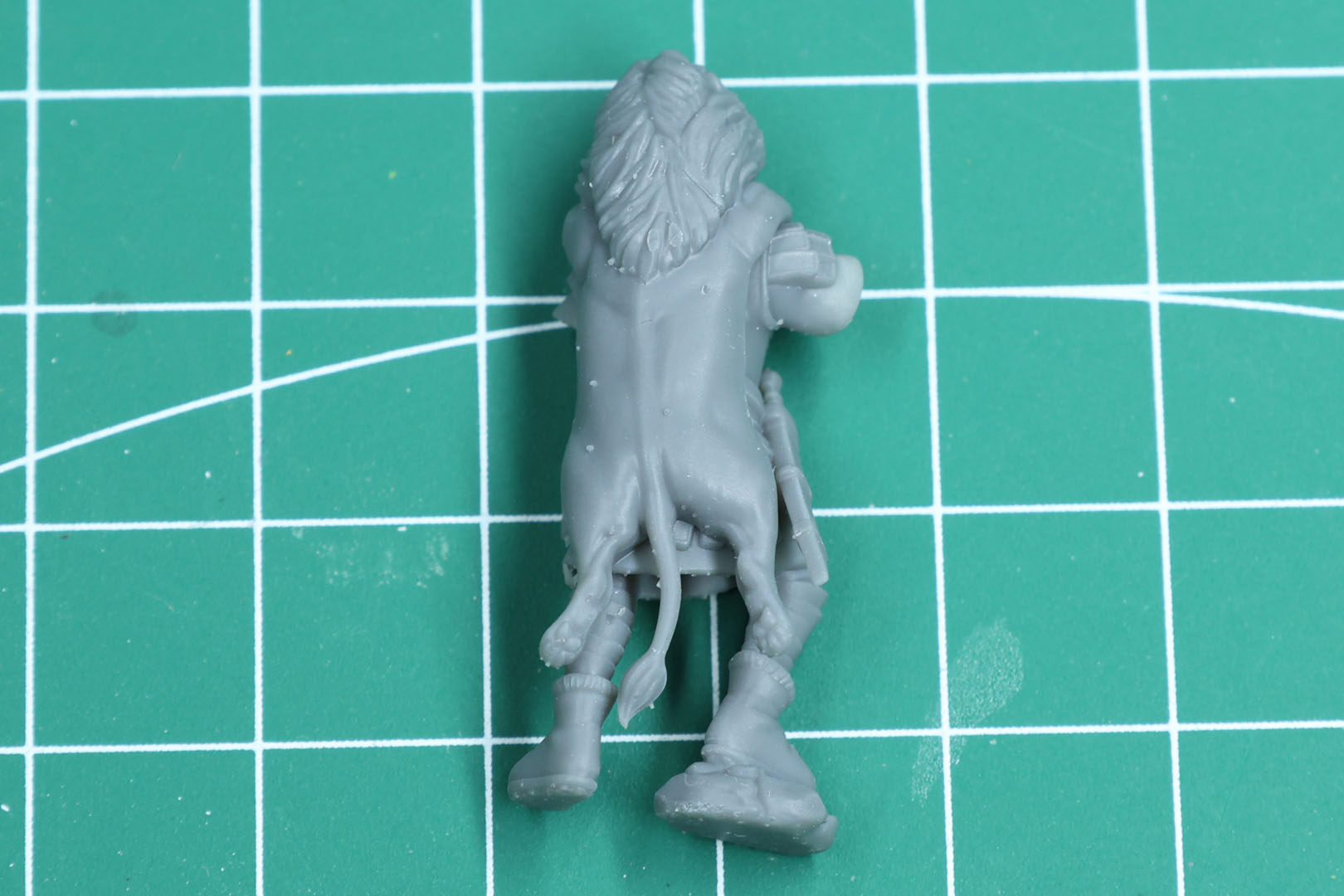
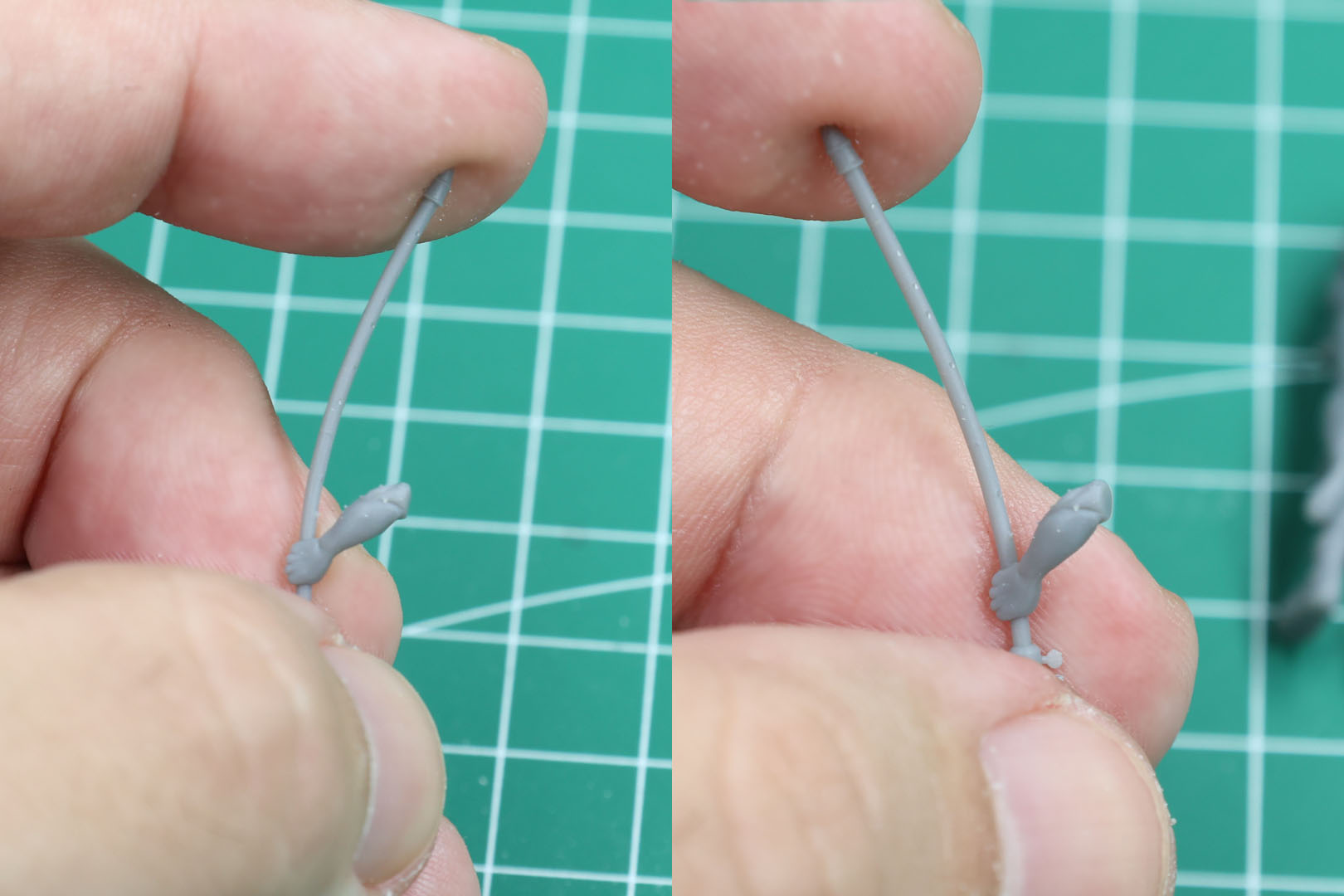
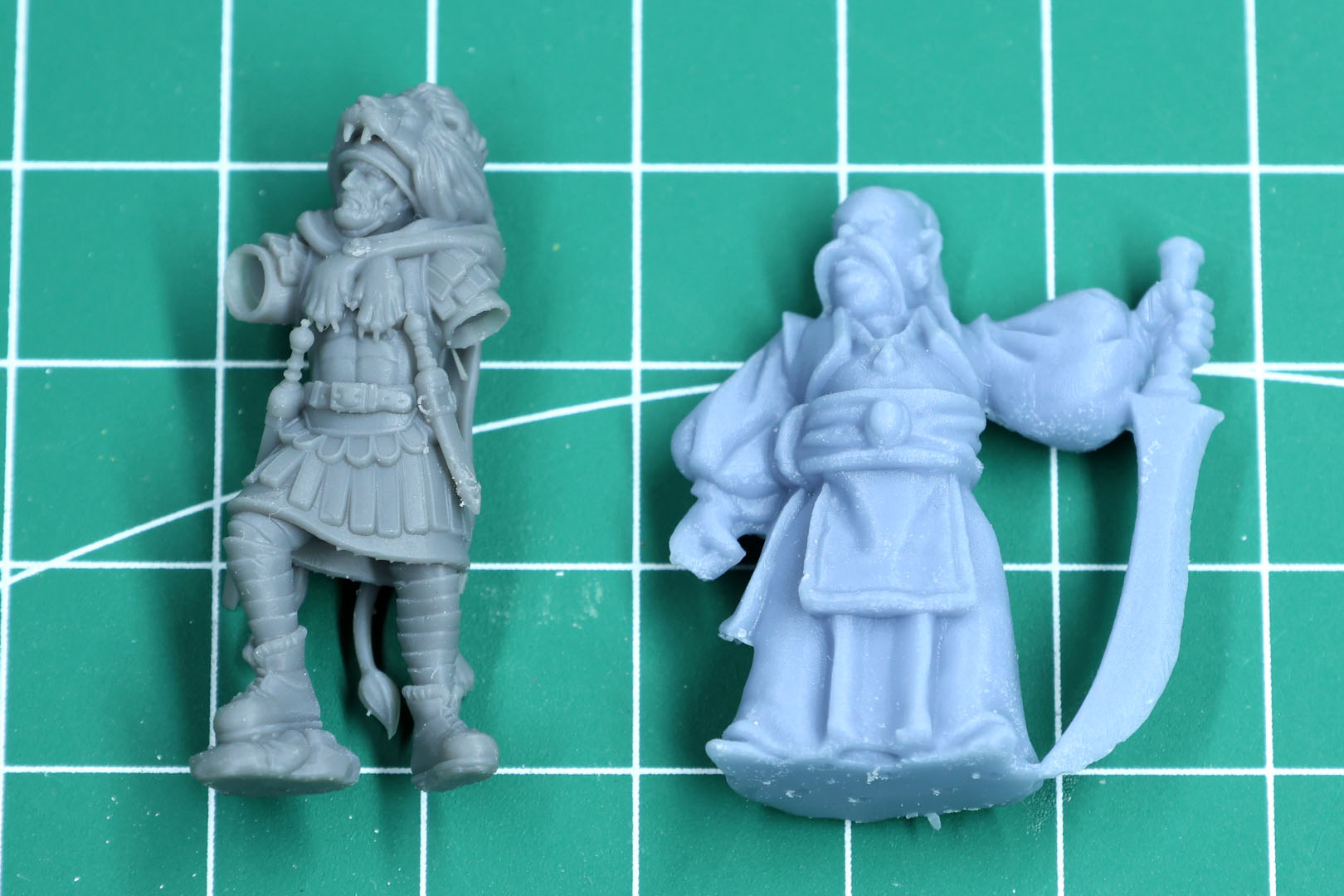
According to Quentin, the material is an ABS-like resin mixed with a certain amount of flex resin, which gives spears and poles the flexibility they need. The print quality is impressive. In the second photo you can see a comparison with a model printed on an Anycubic Mono 4K.
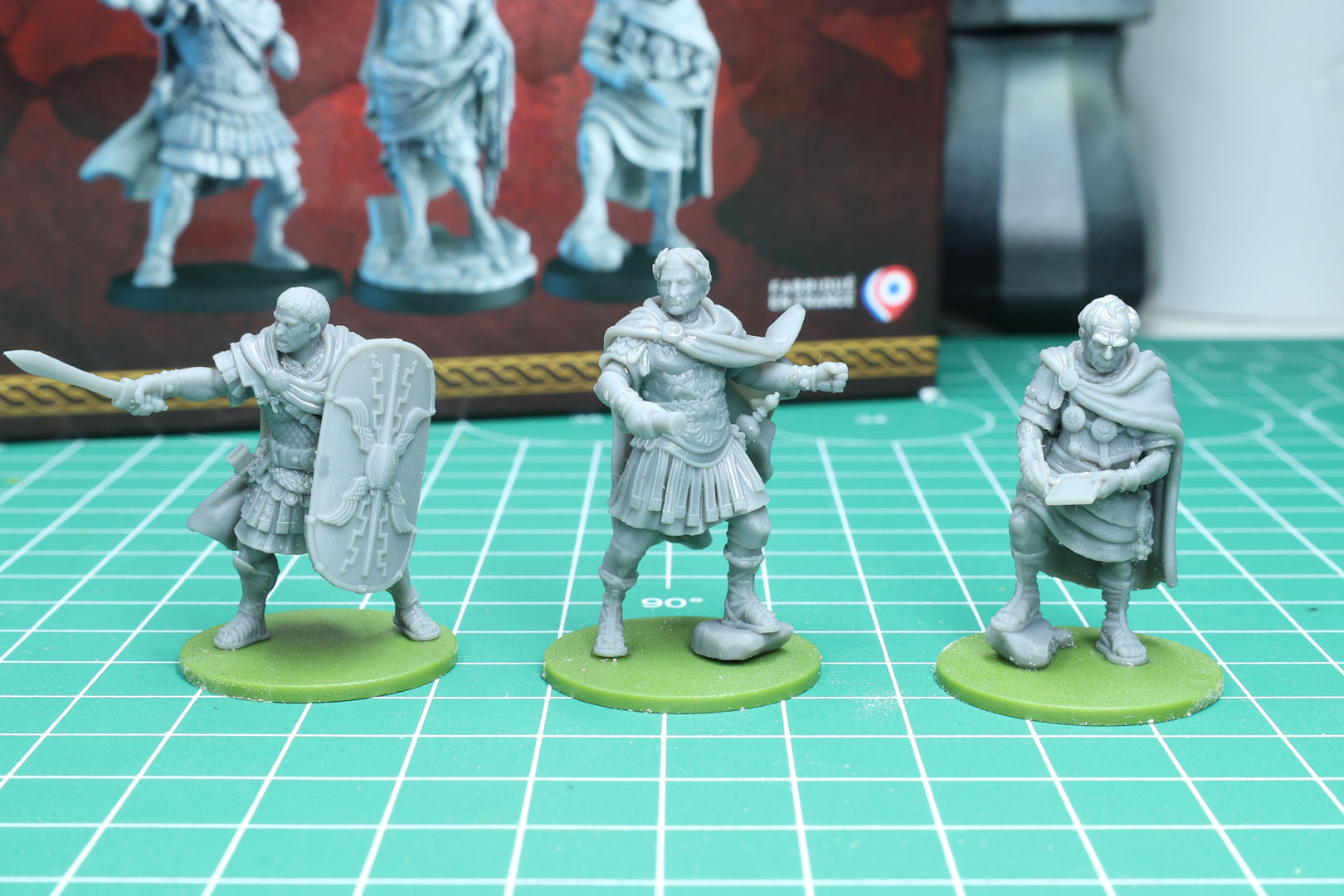
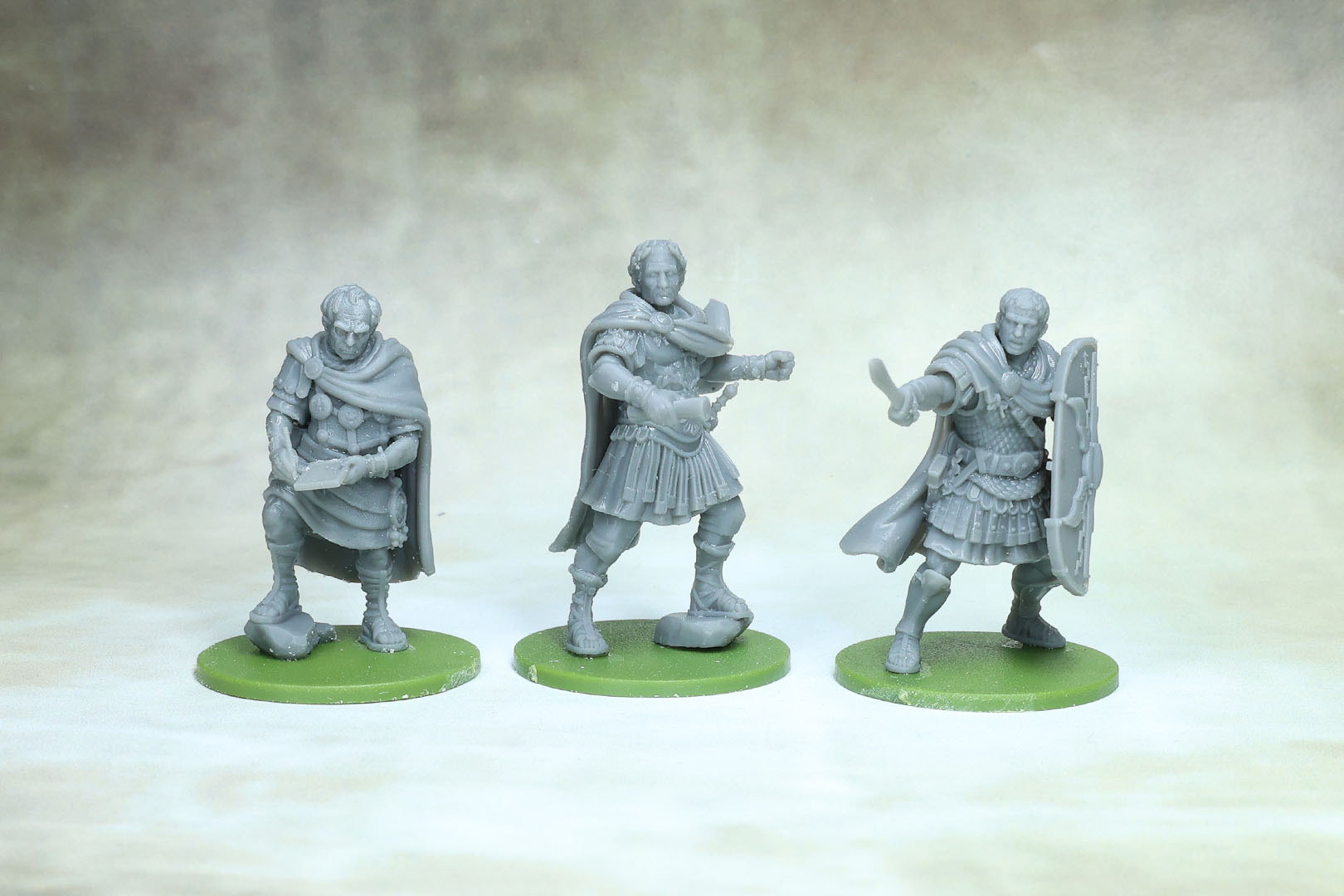
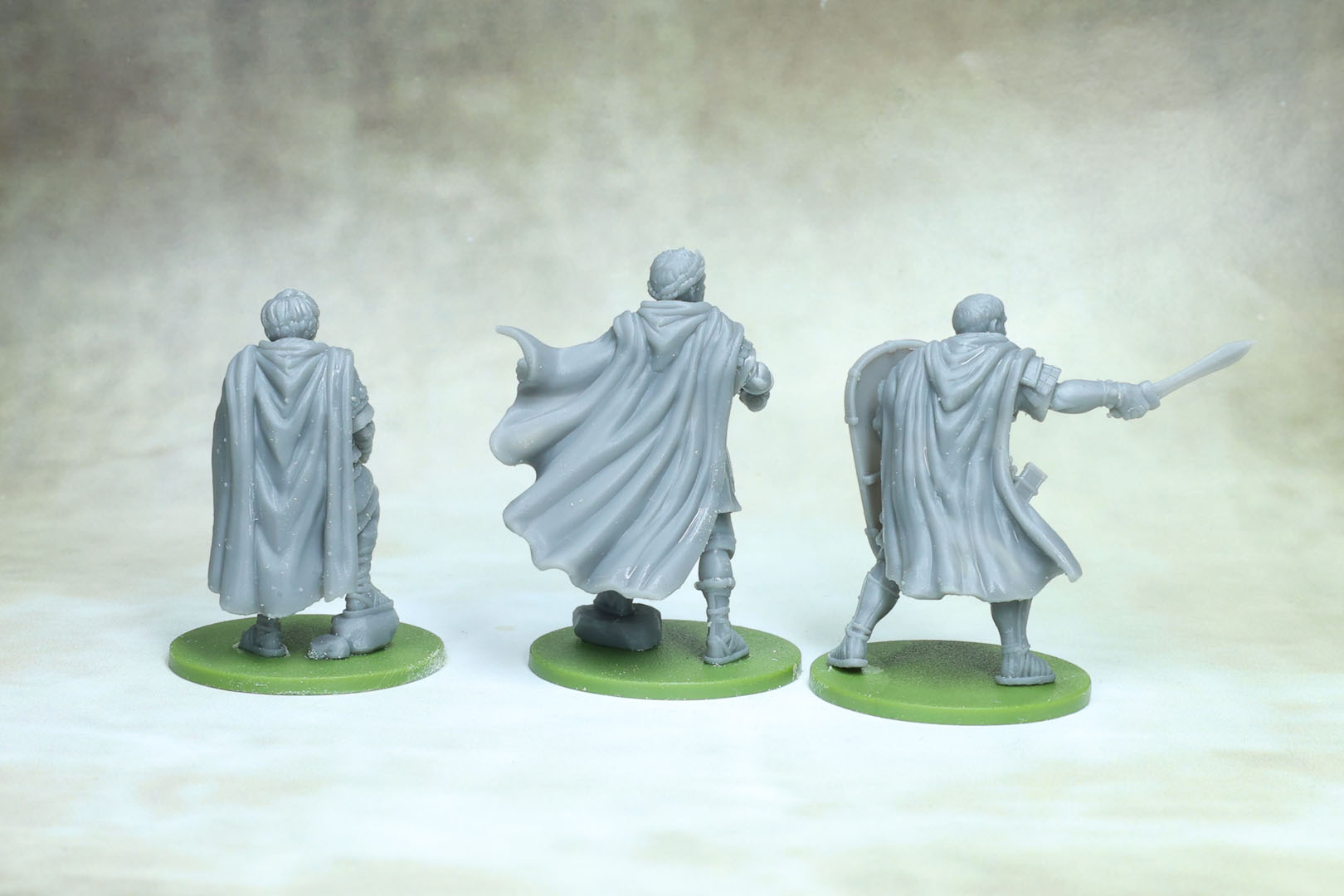
Let's build a few of the characters on foot together: Julius Caesar, Gaius Norbanus and Gaius Marius.
The models usually come with at least one helmeted head option and often different arms as well, so you can give them either a more martial or a more "heroic" pose. Here, too, the high production quality shows. Julius Caesar stands out with his very detailed breastplate, and he even comes with three head options.
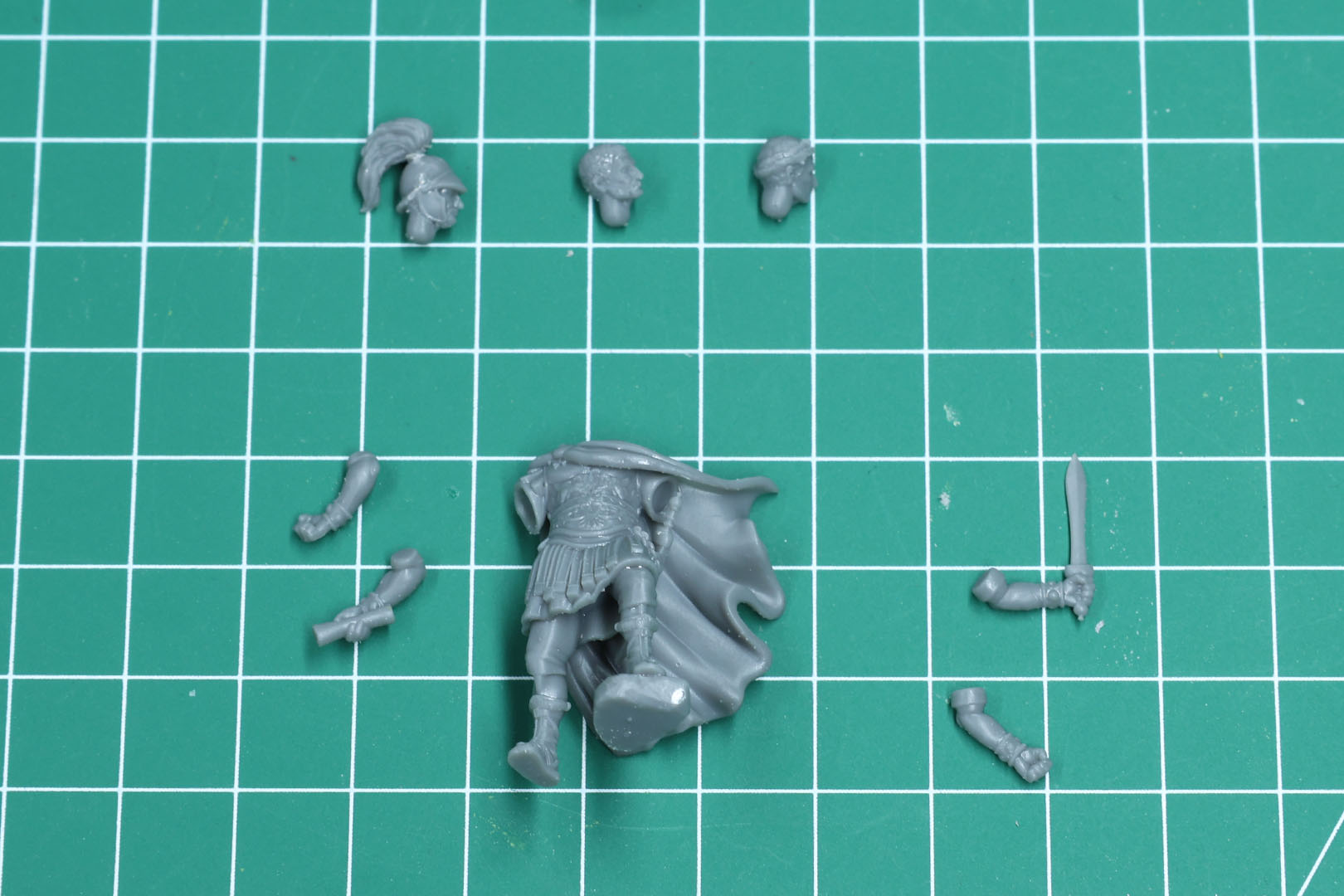
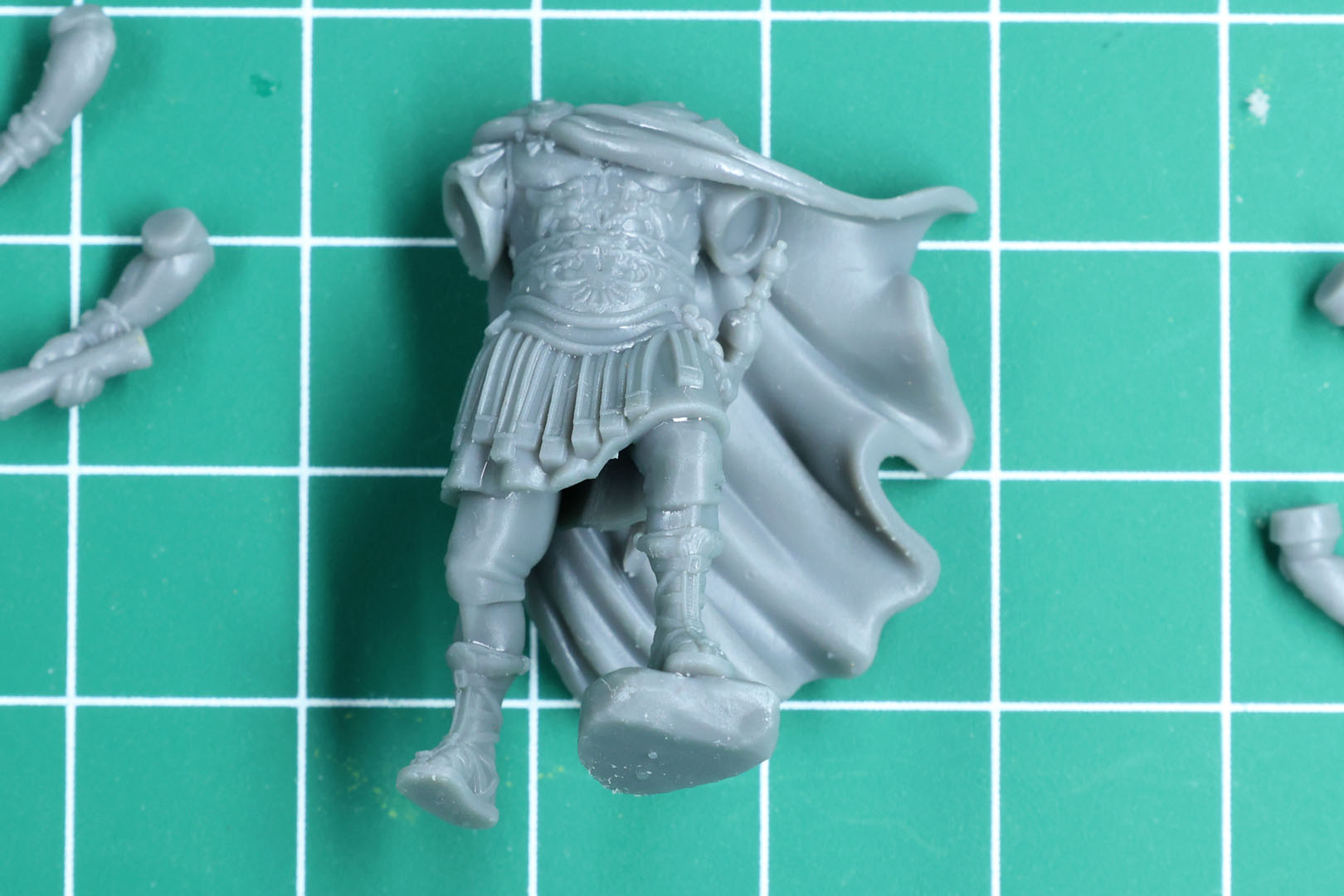
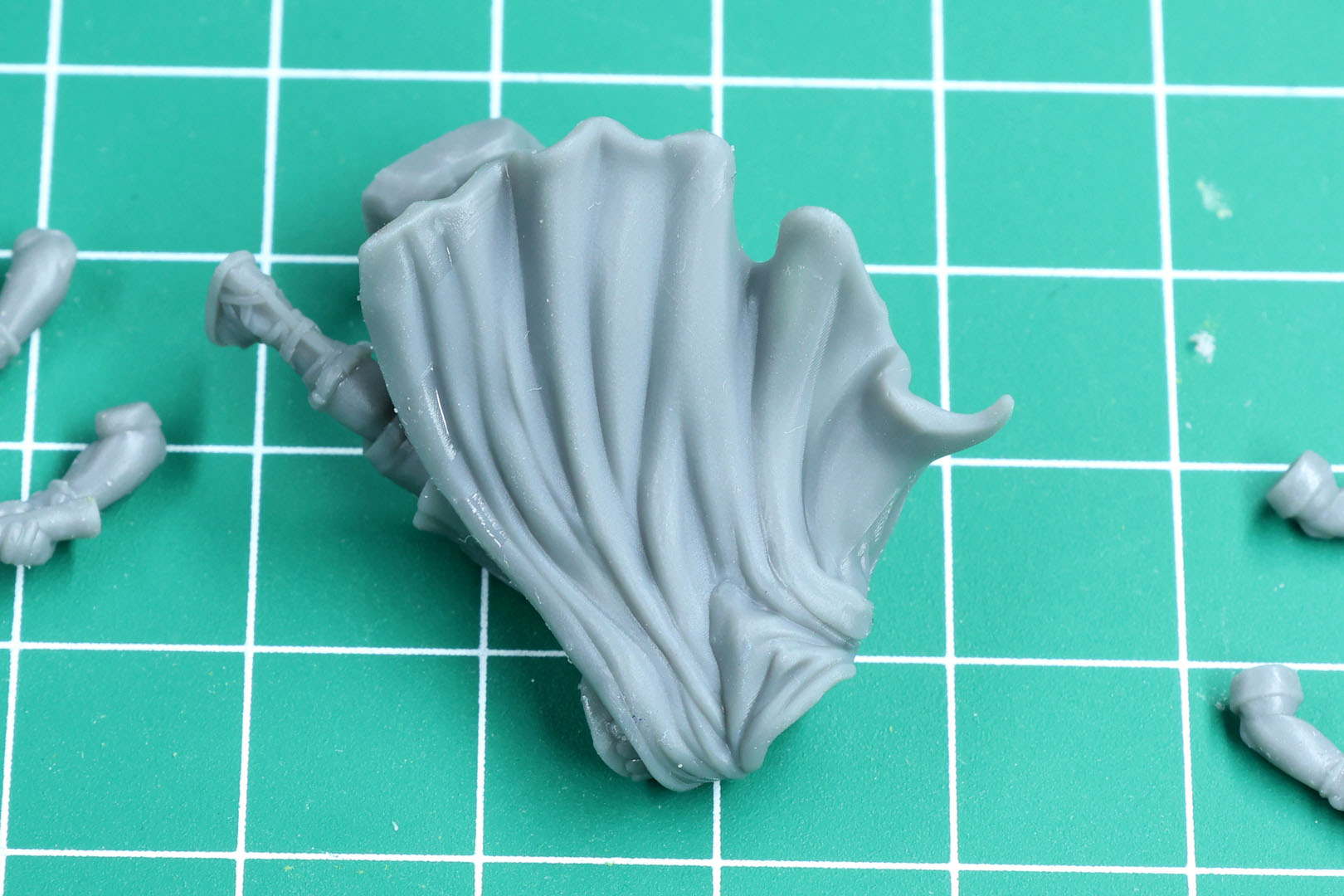
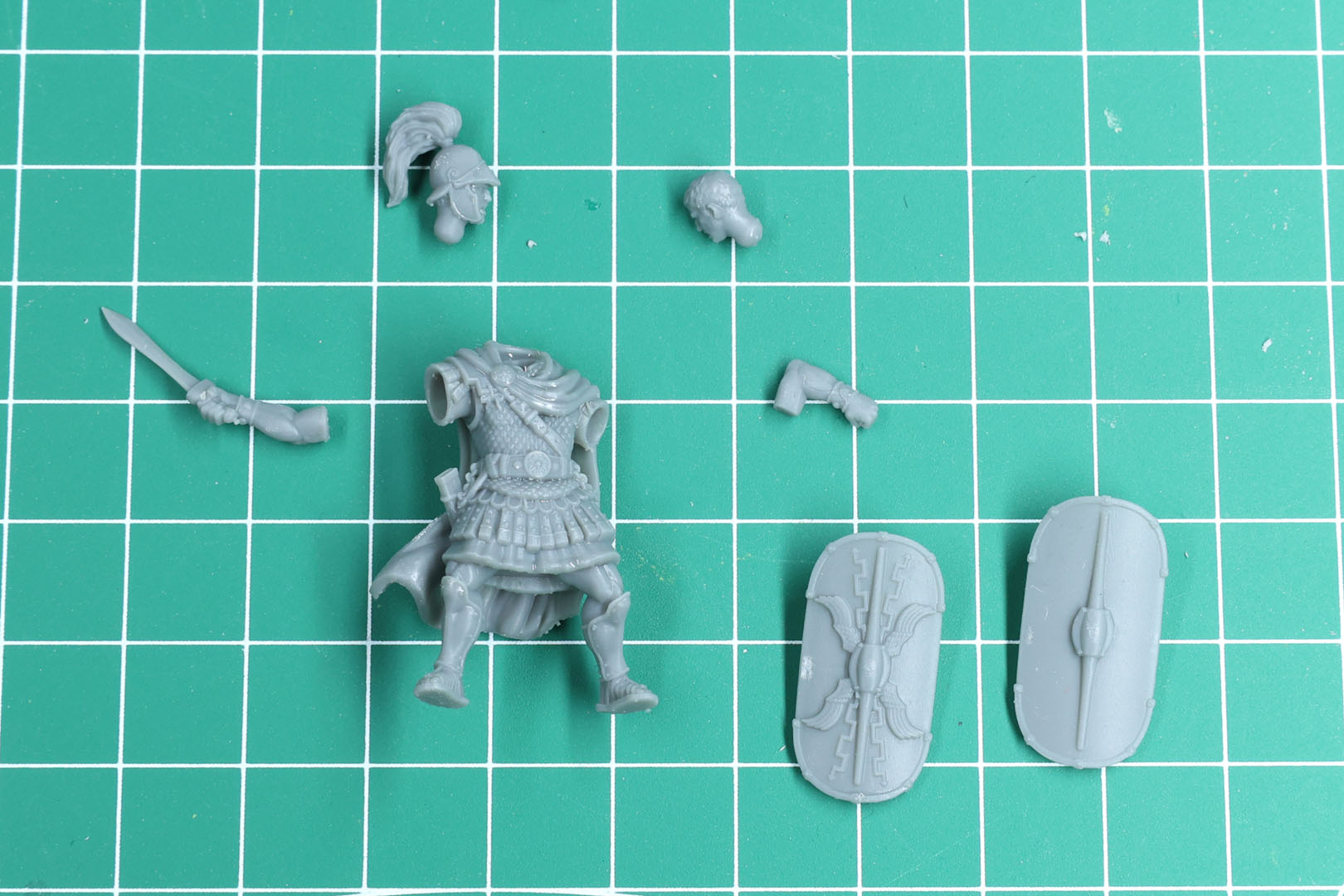
Gaius Norbanus was not just a politician but also an active commander. As tribune of the plebs in 103 BC he took part in the prosecution of Caepio, one of the men responsible for the defeat at Arausio, and later, as consul, he led troops in the civil war against Sulla. Accordingly, he only comes in a martial pose, but has two head options, with and without helmet, as well as one detailed and one blank shield.
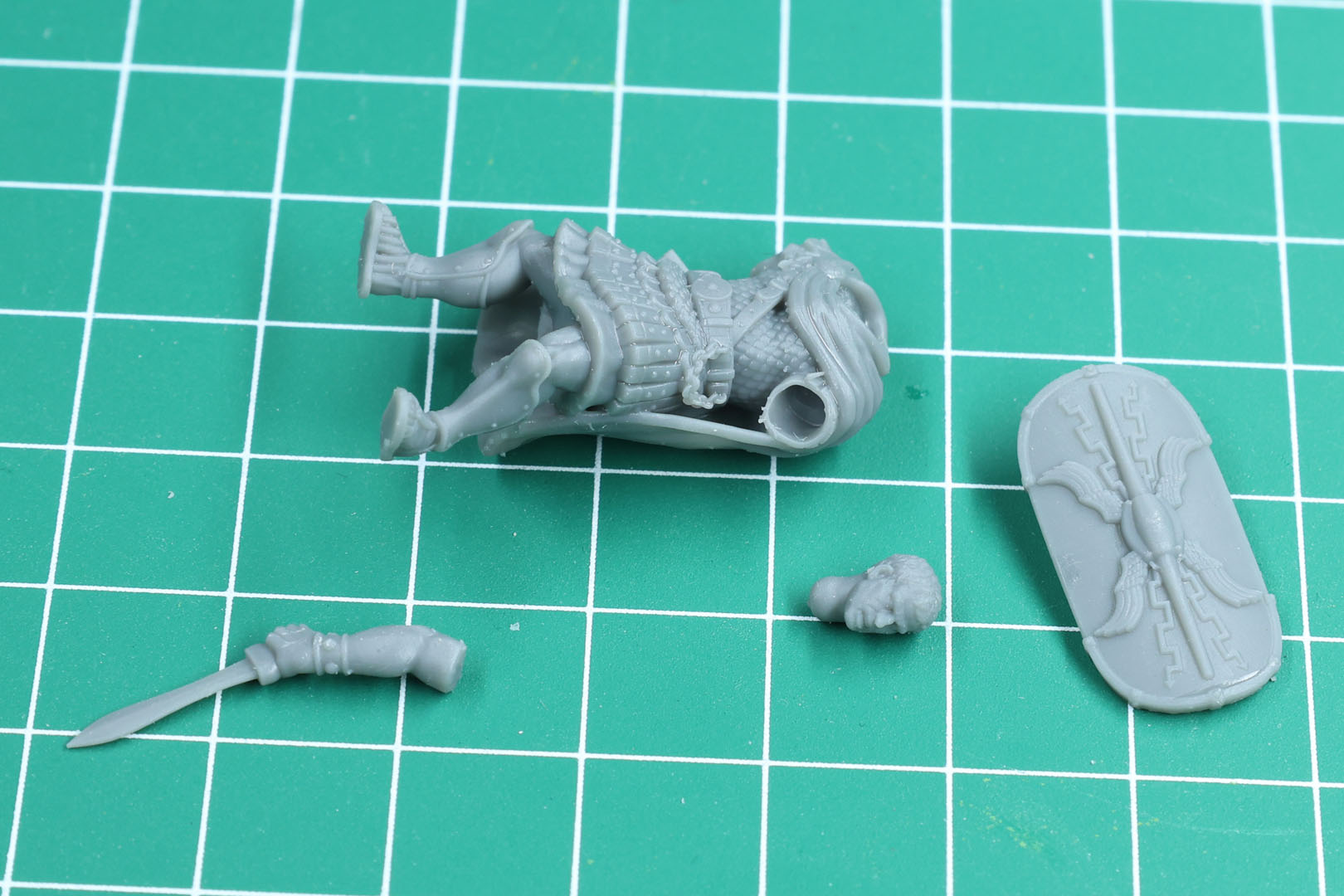
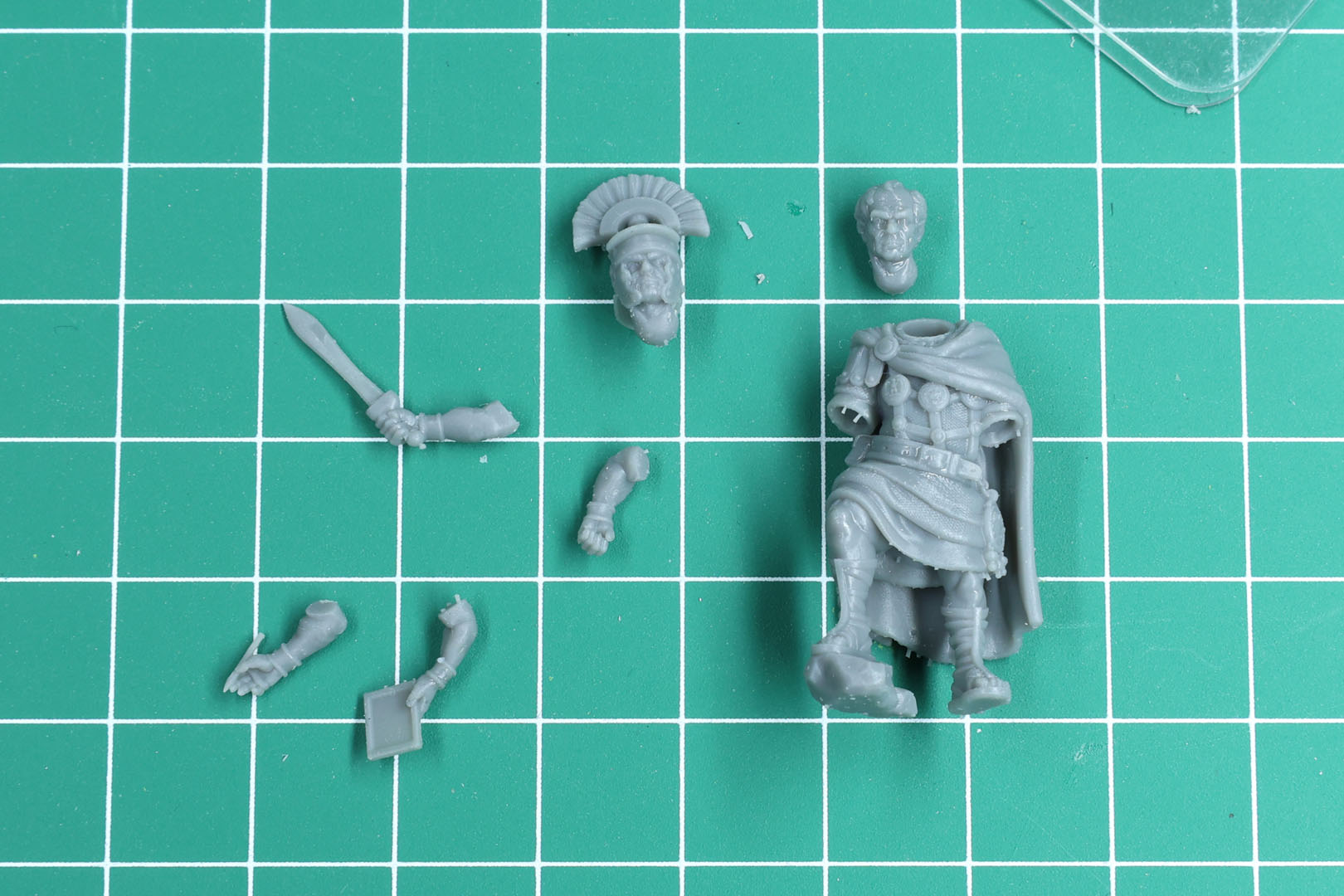
The third of the trio is also the namesake of the Kickstarter, Gaius Marius. He has the usual choice of heads, plus one pair of armed arms and one holding writing implements.
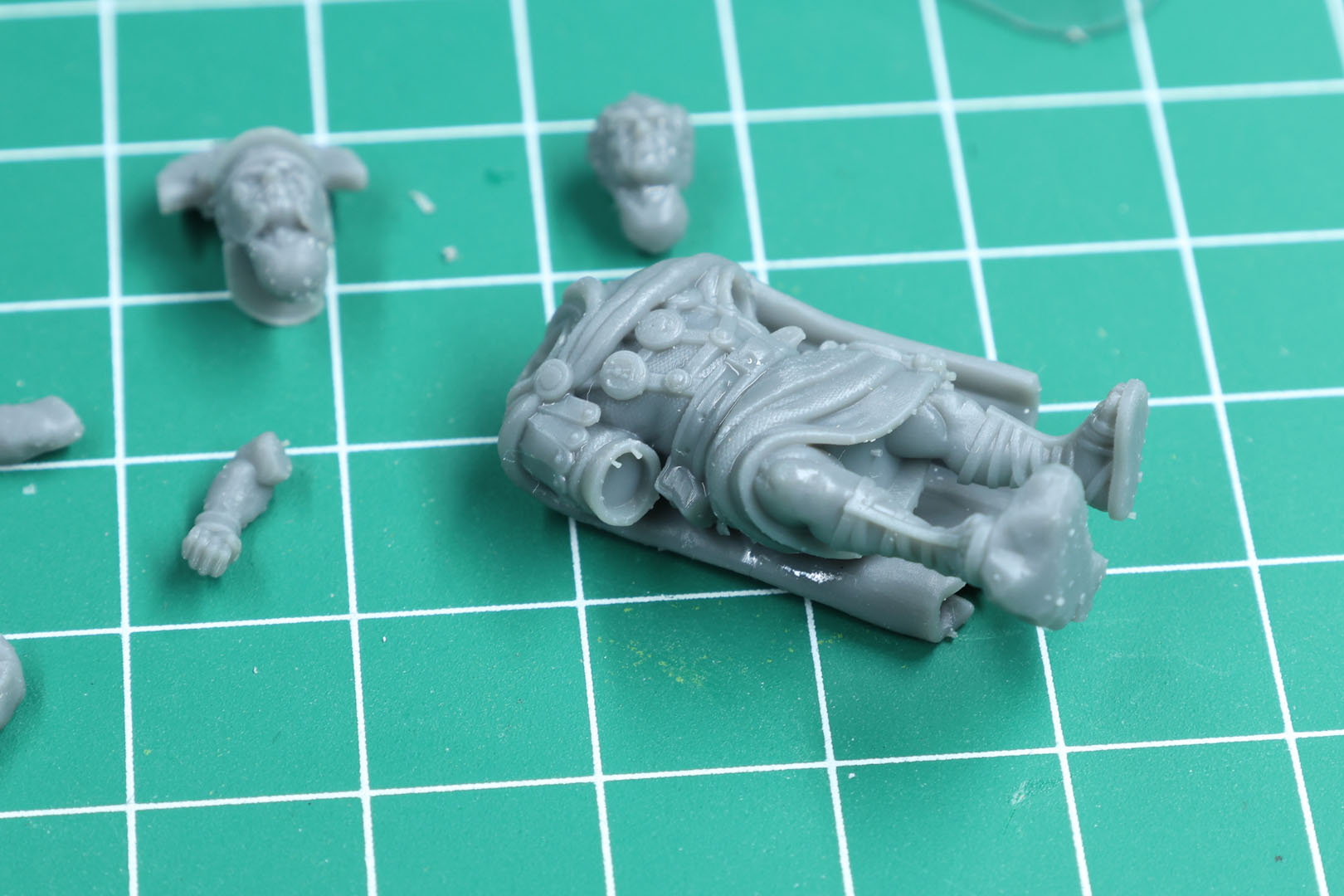
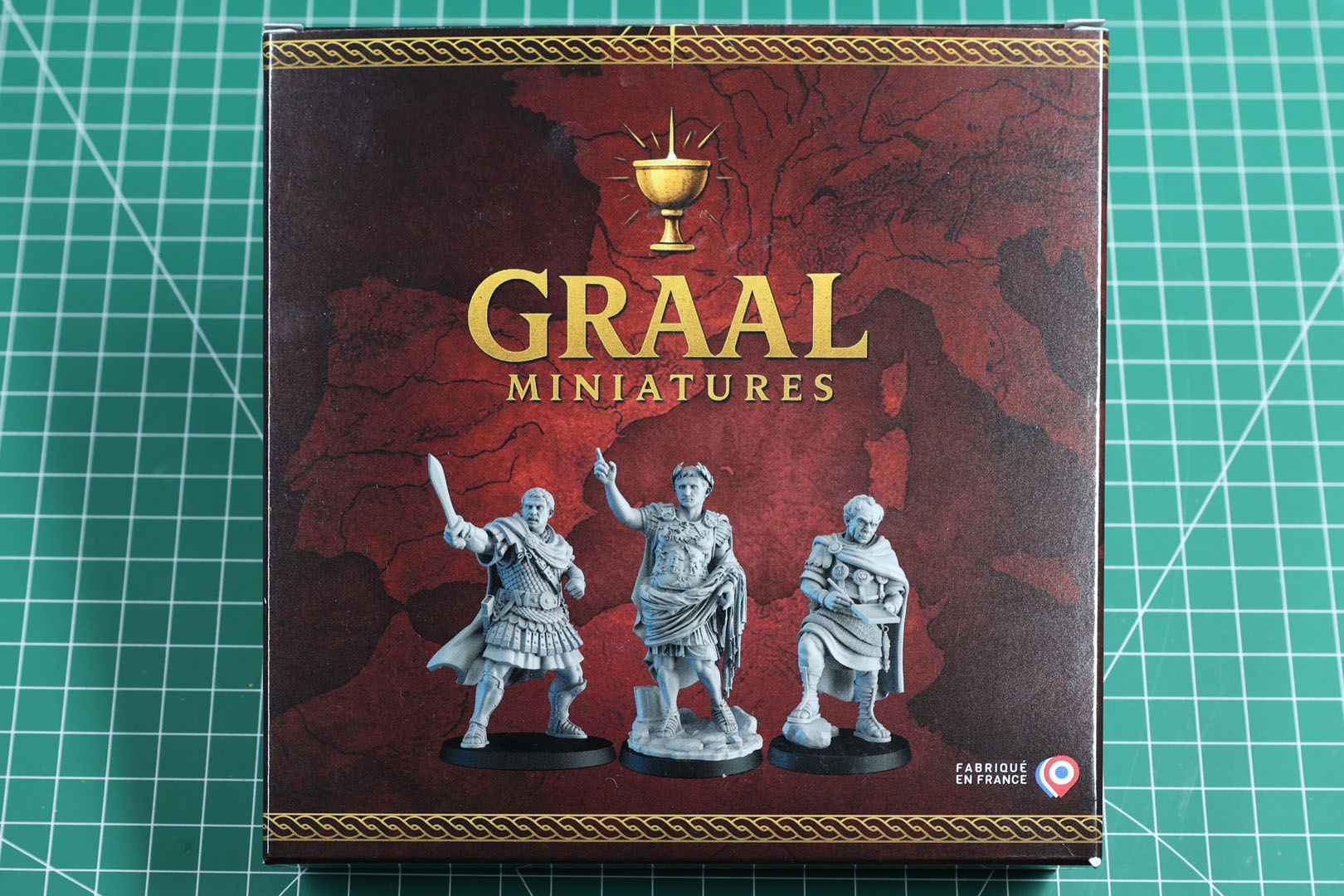
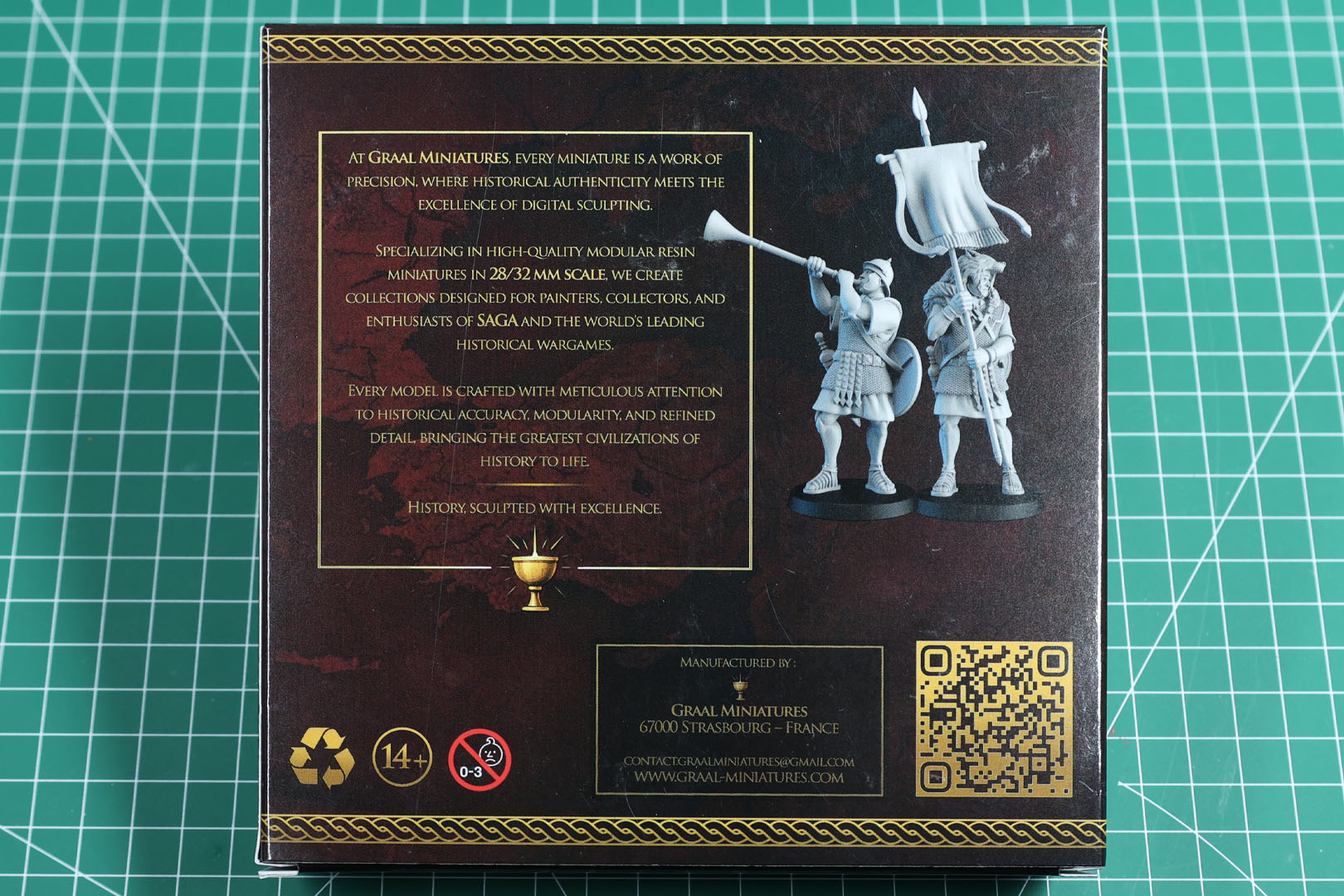
With the boxes, you need to check the labels. The packaging itself is not customised for the respective contents, but it is nicely designed with a glossy finish. The parts are wrapped in bubble wrap and then neatly packed in red tissue paper with a sticker.
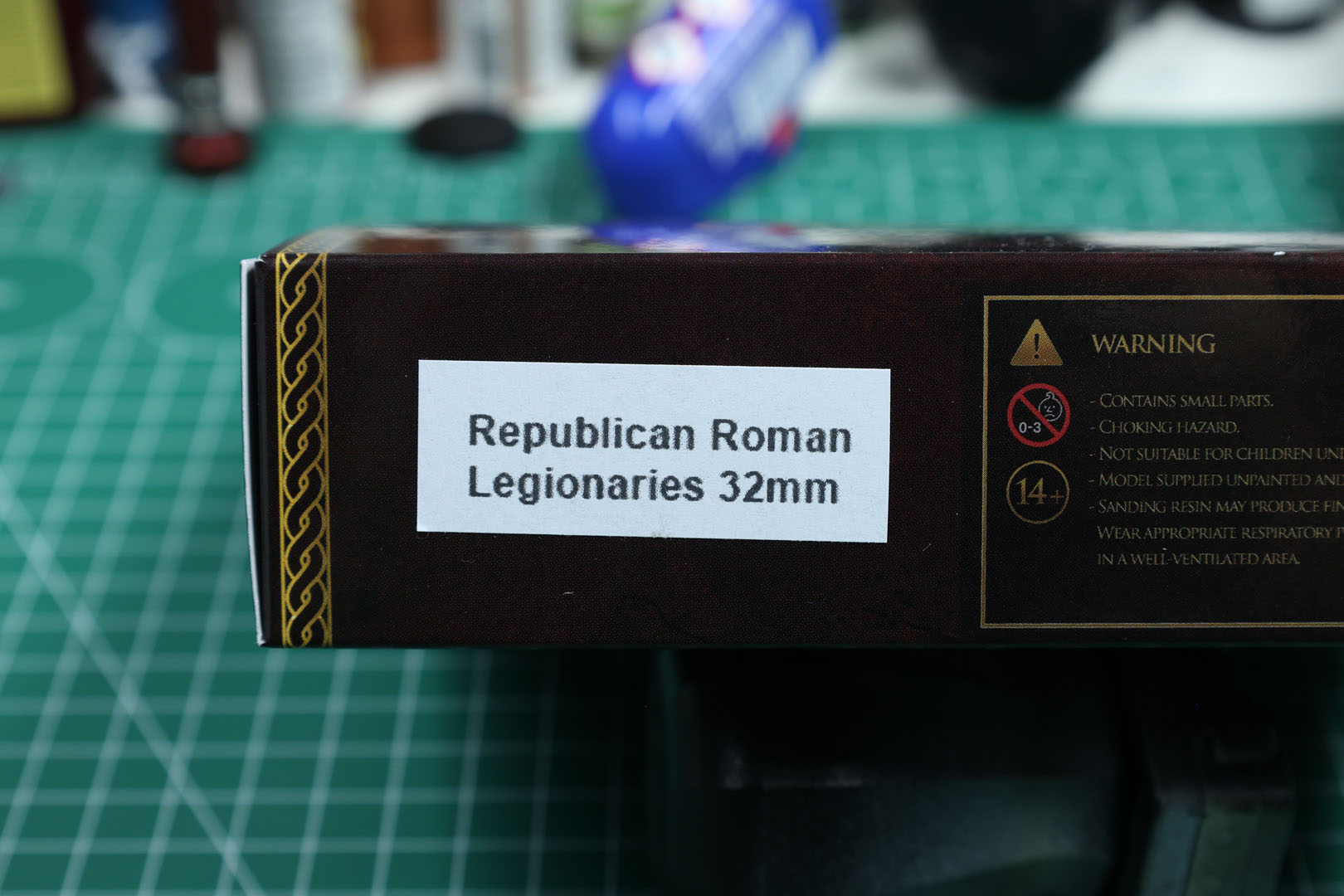
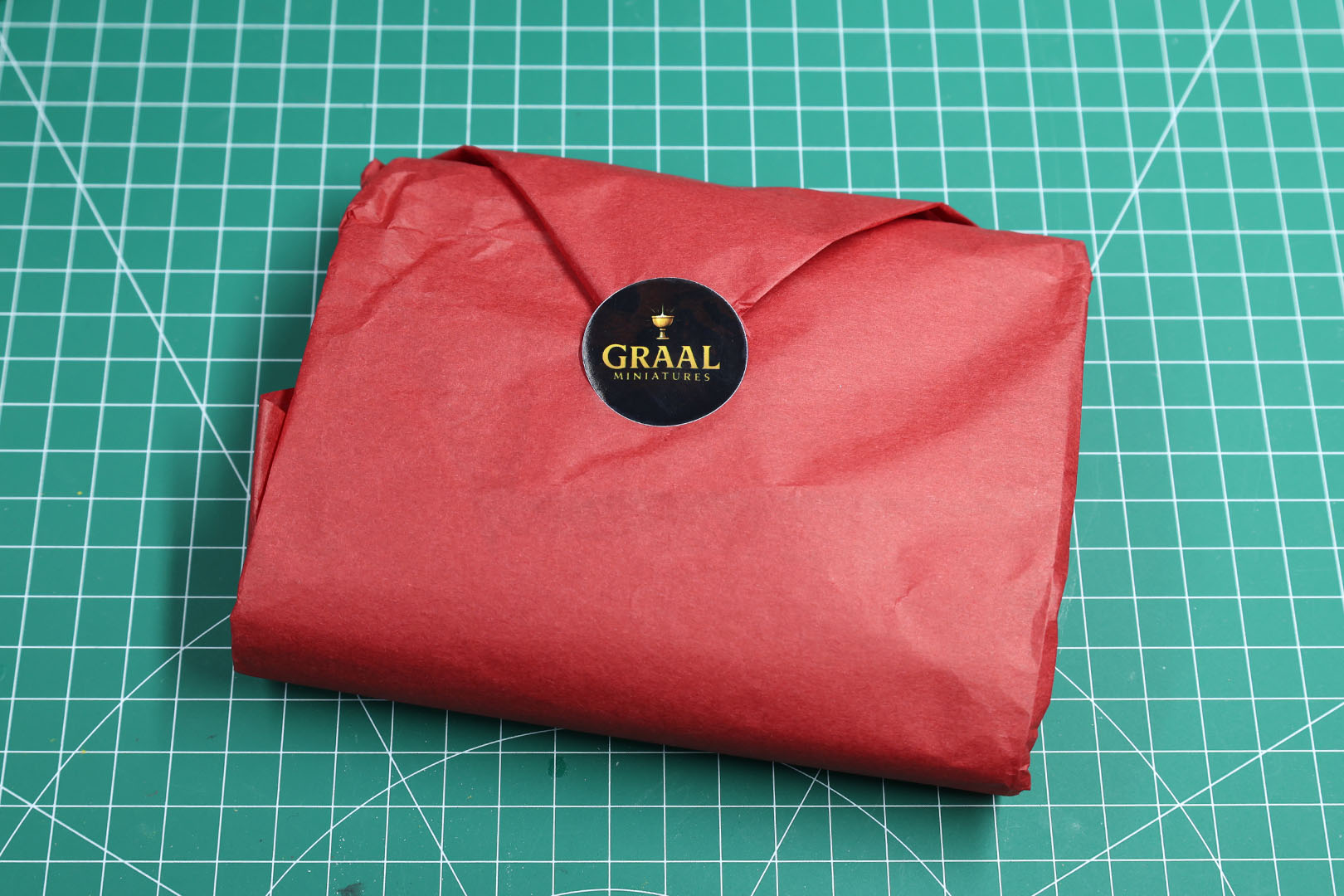
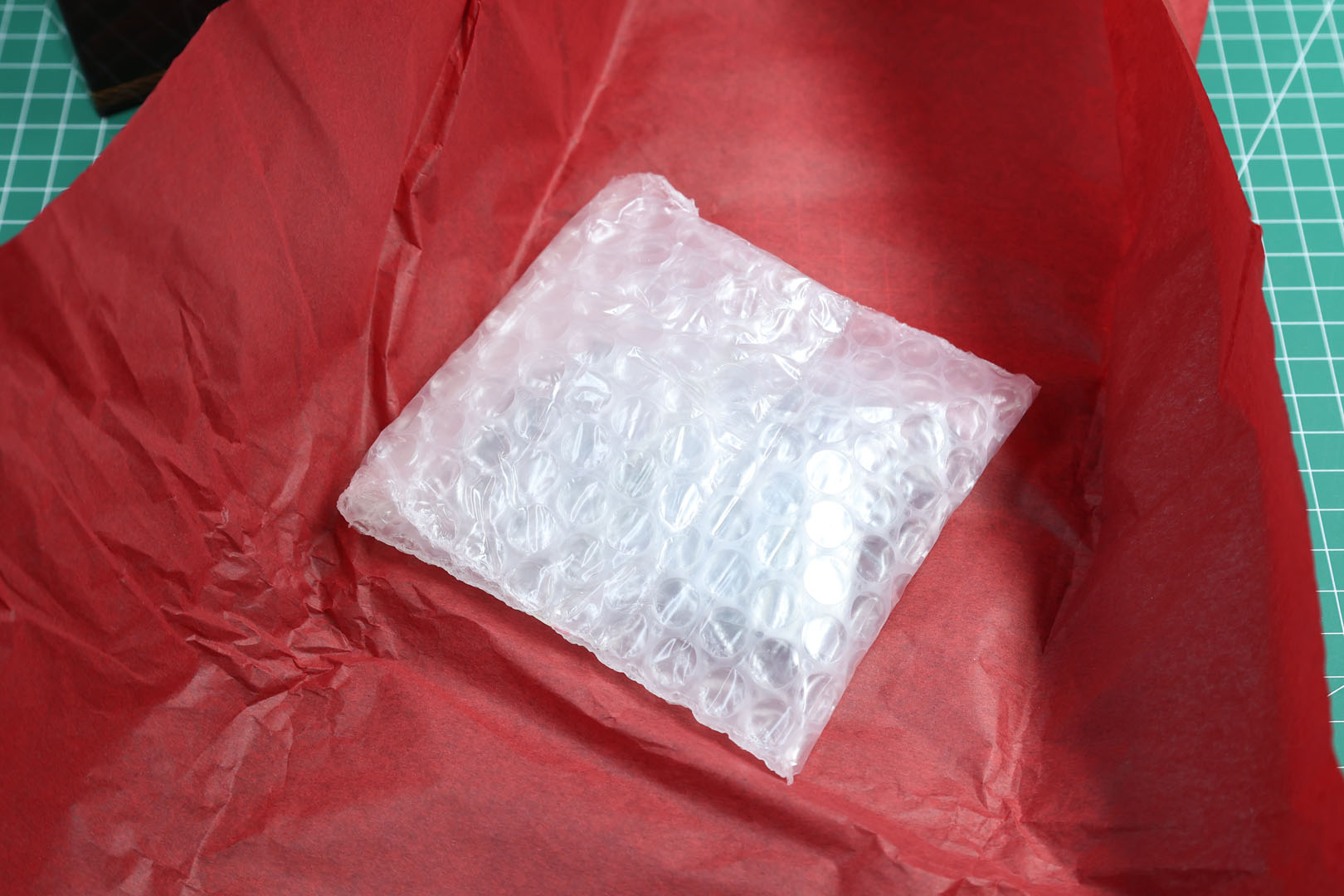
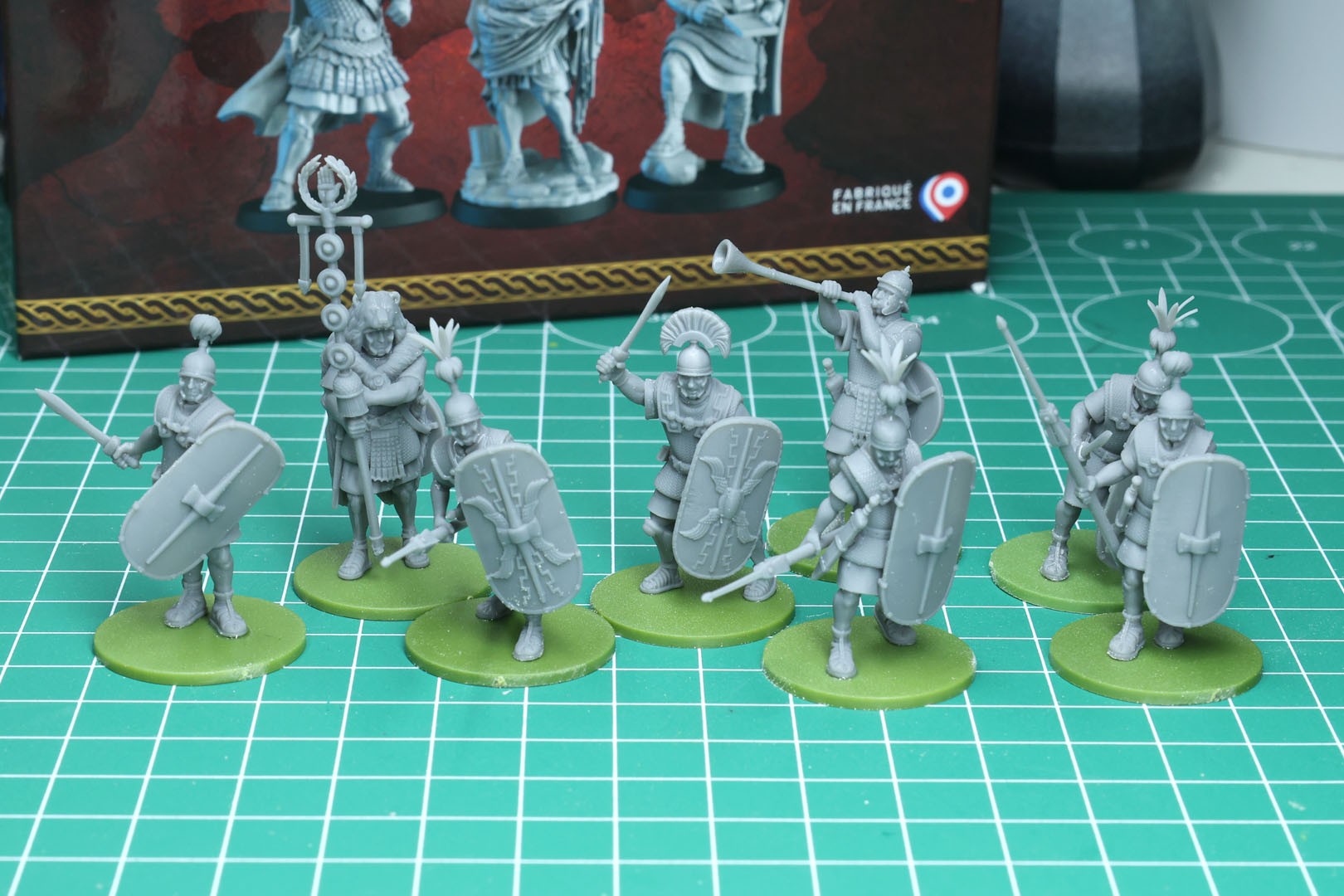
The parts themselves are sorted into separate bags. What we have here is the Republican Roman Legionaries set, from which we will build a mixed unit.
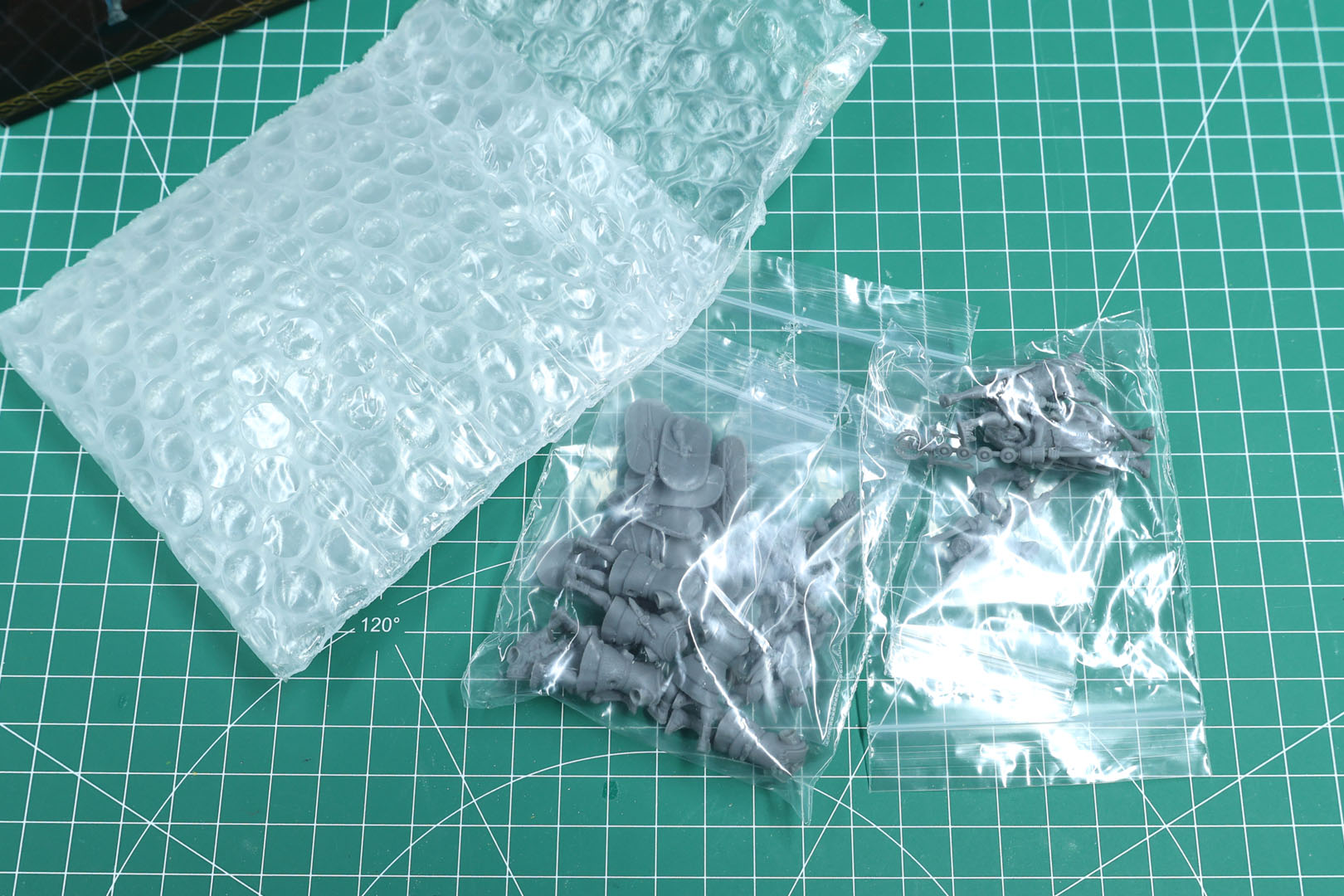
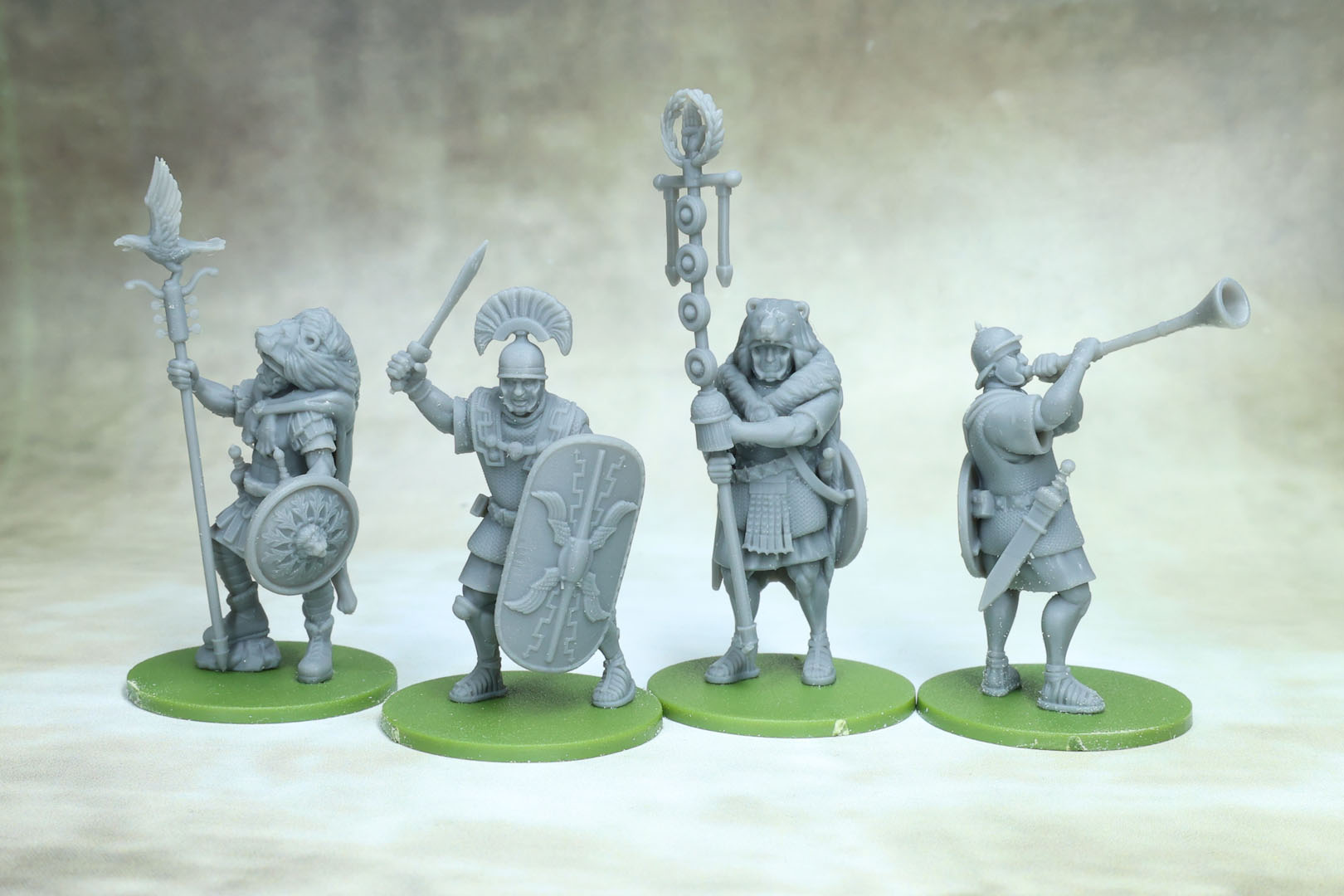
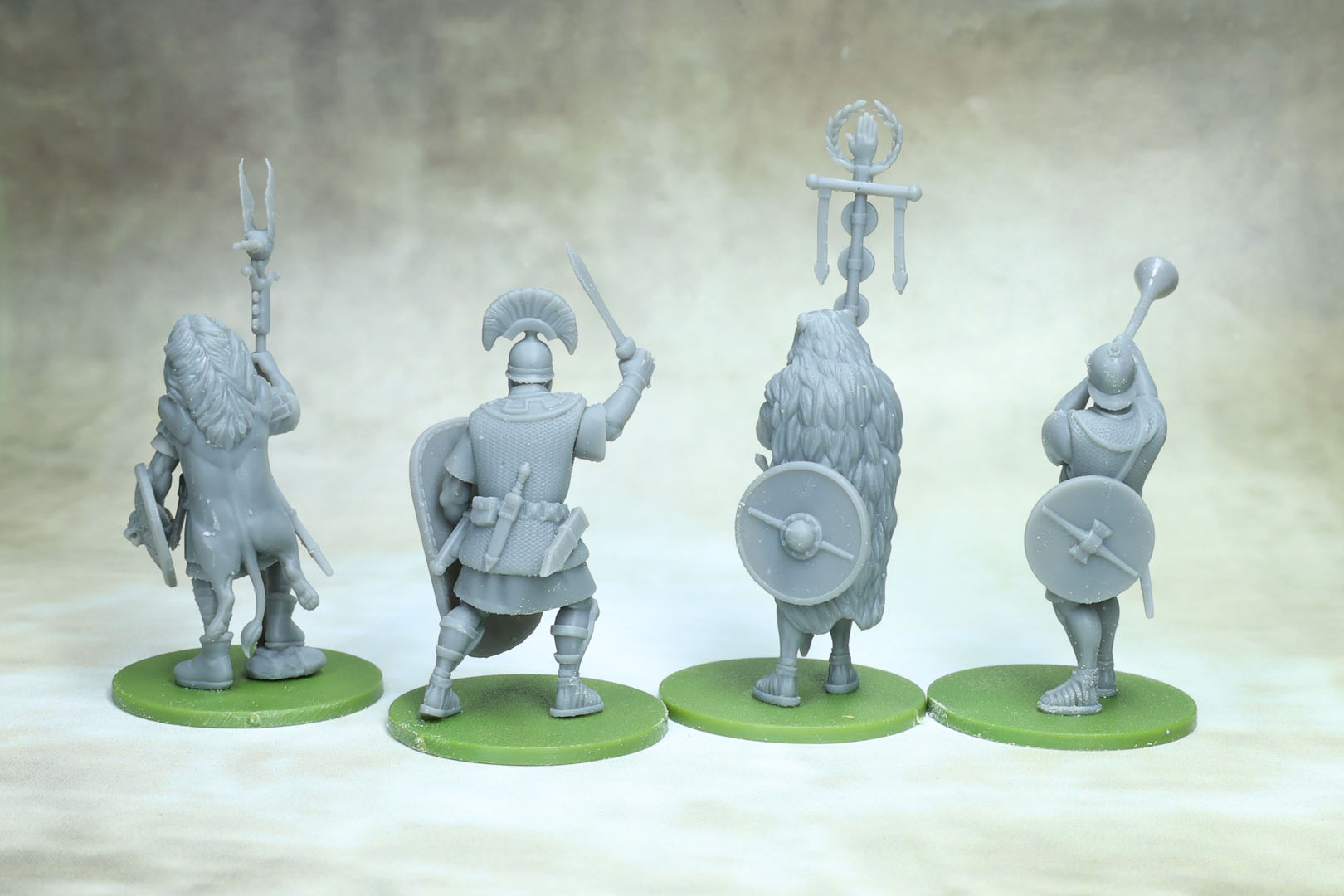
The set contains 8 models, including a command group of centurion, signifer and tubicen. The standard bearer and musician are one-piece models that need no further assembly. Again, the print quality is very high and the mail hangs naturally.
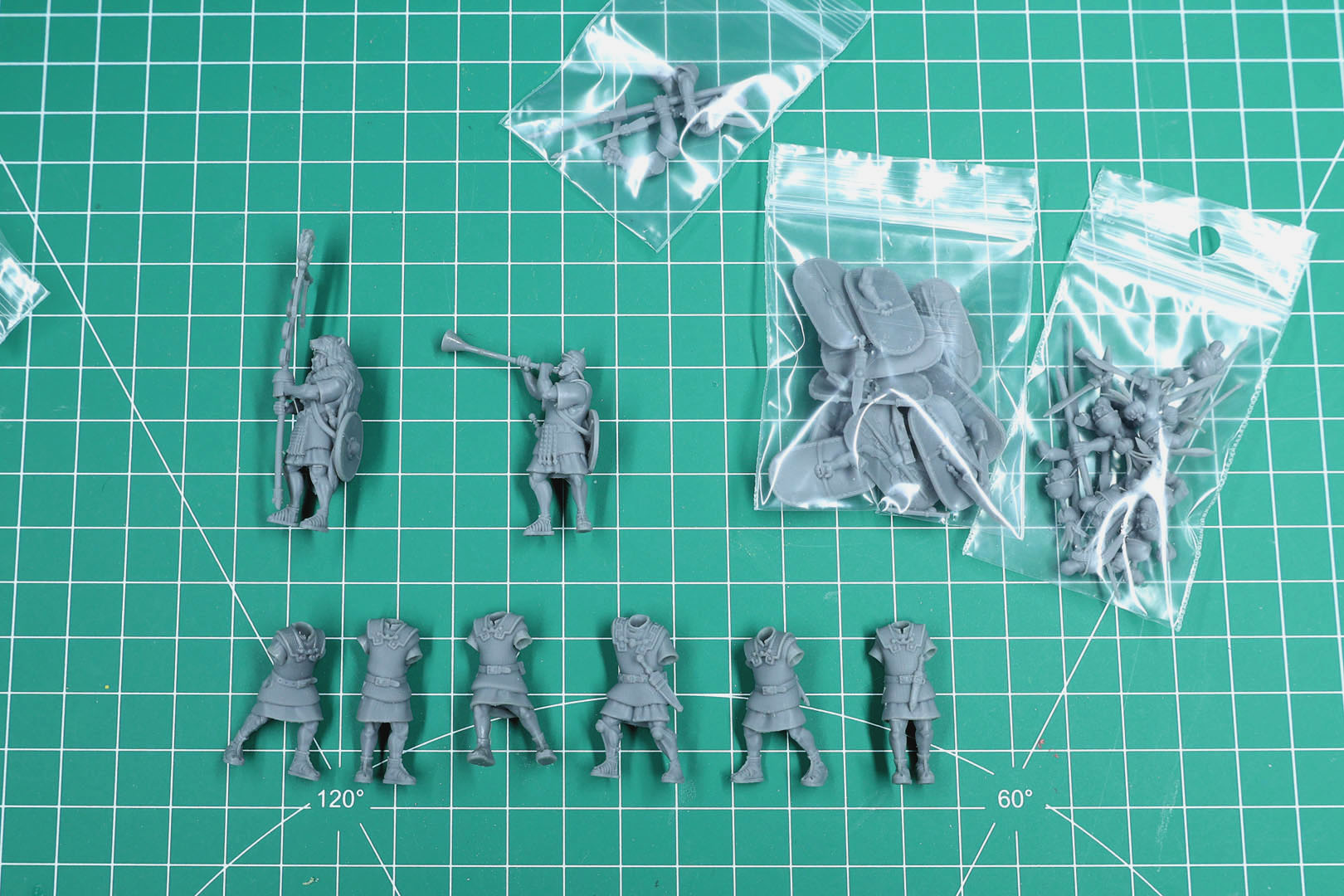
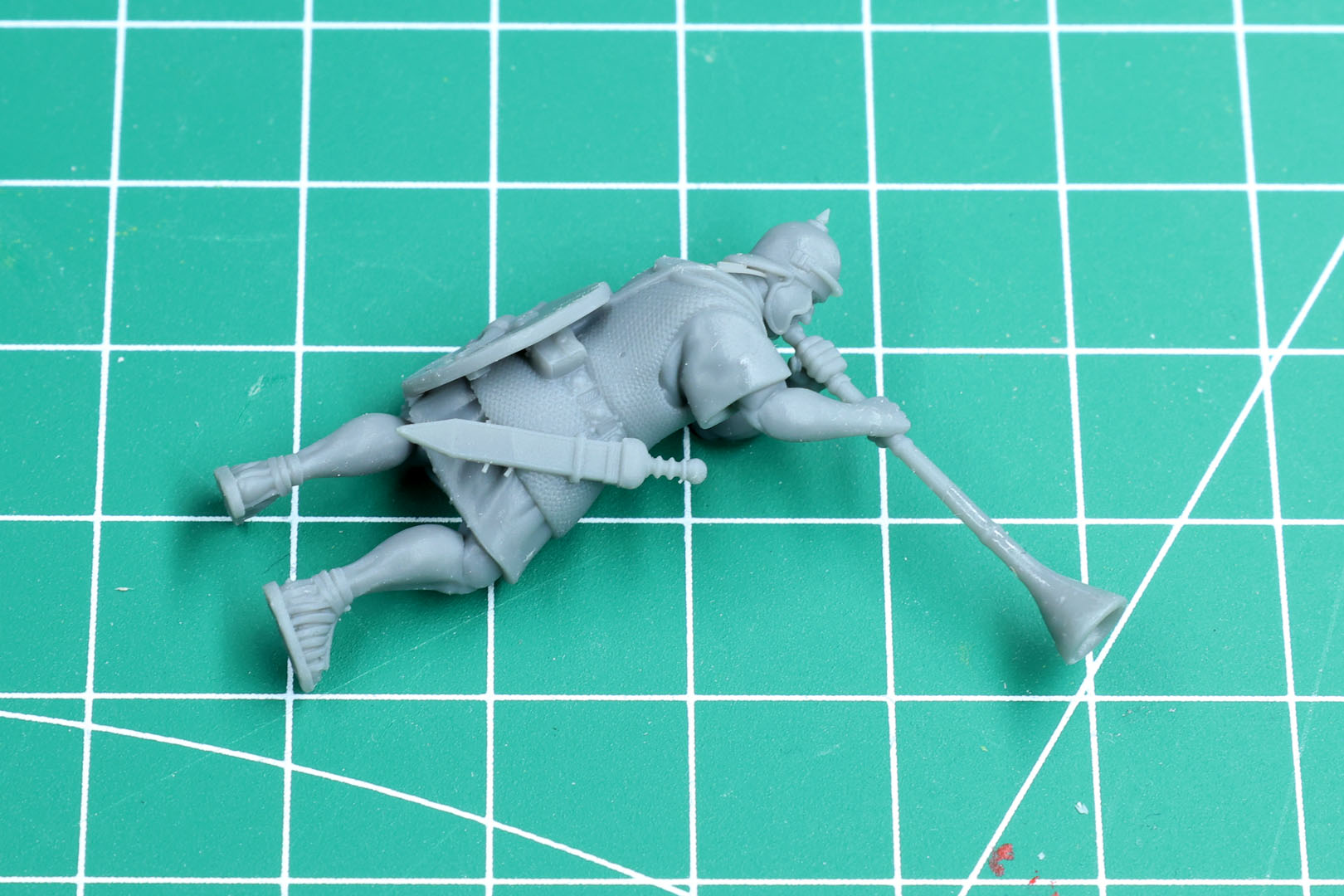
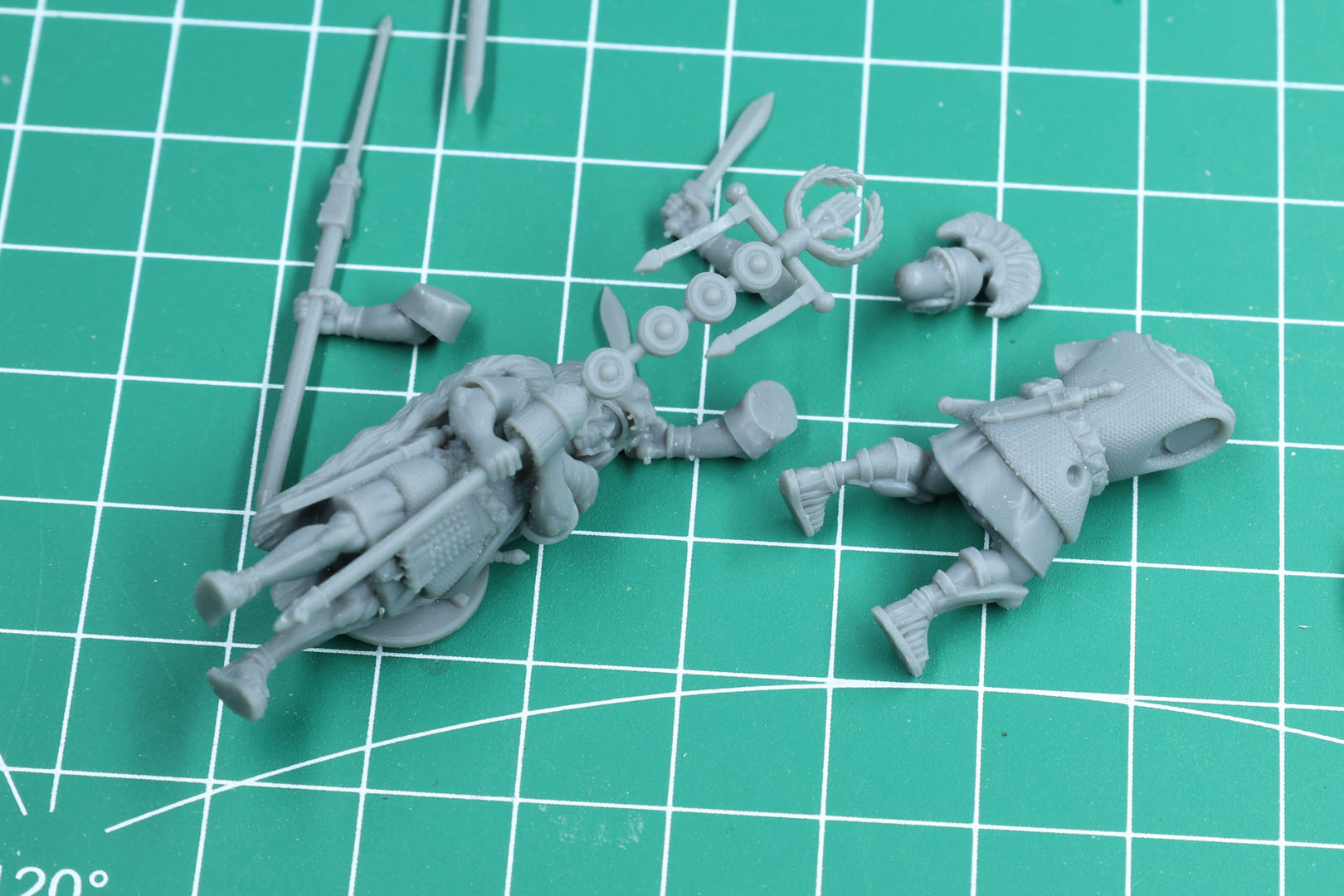
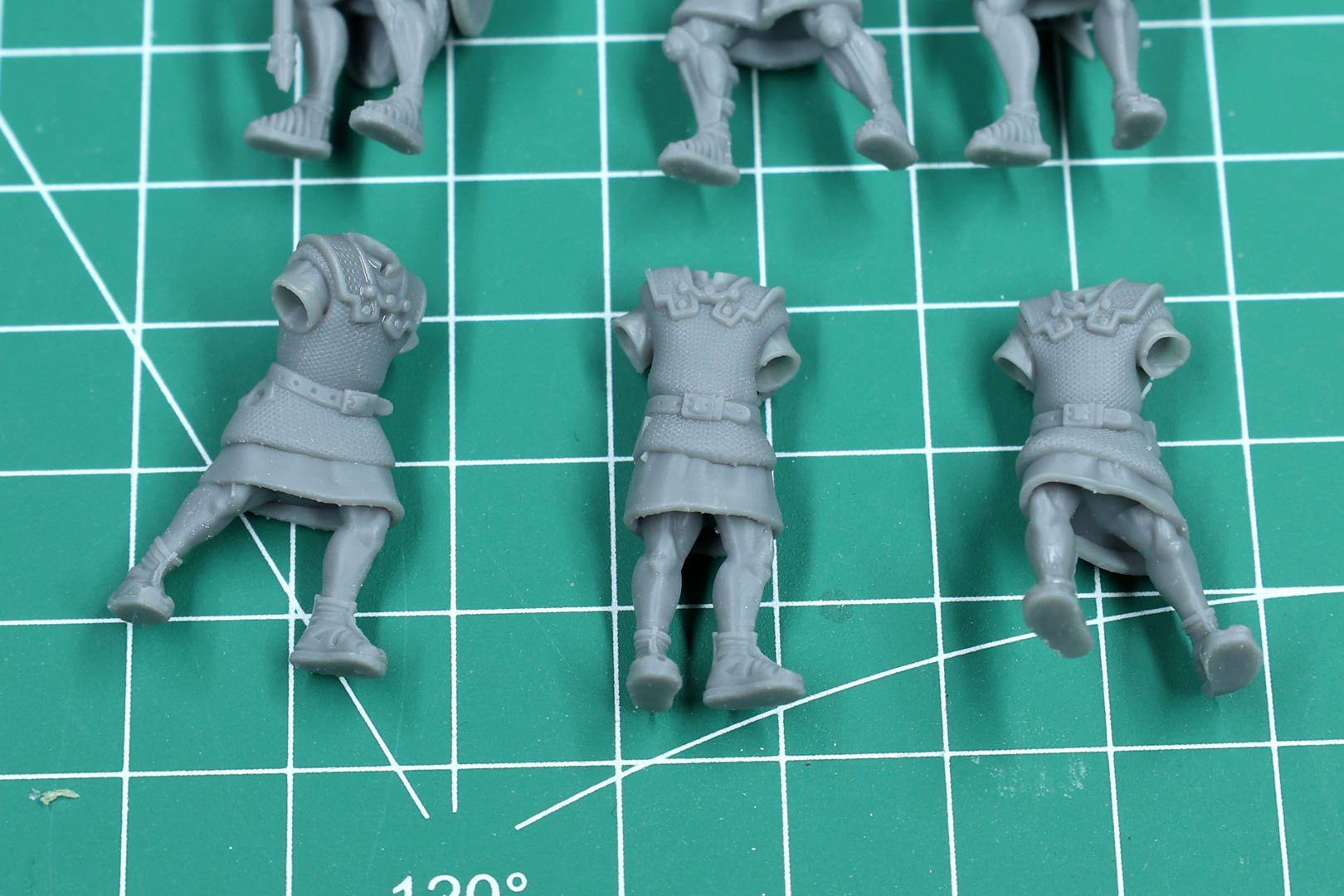
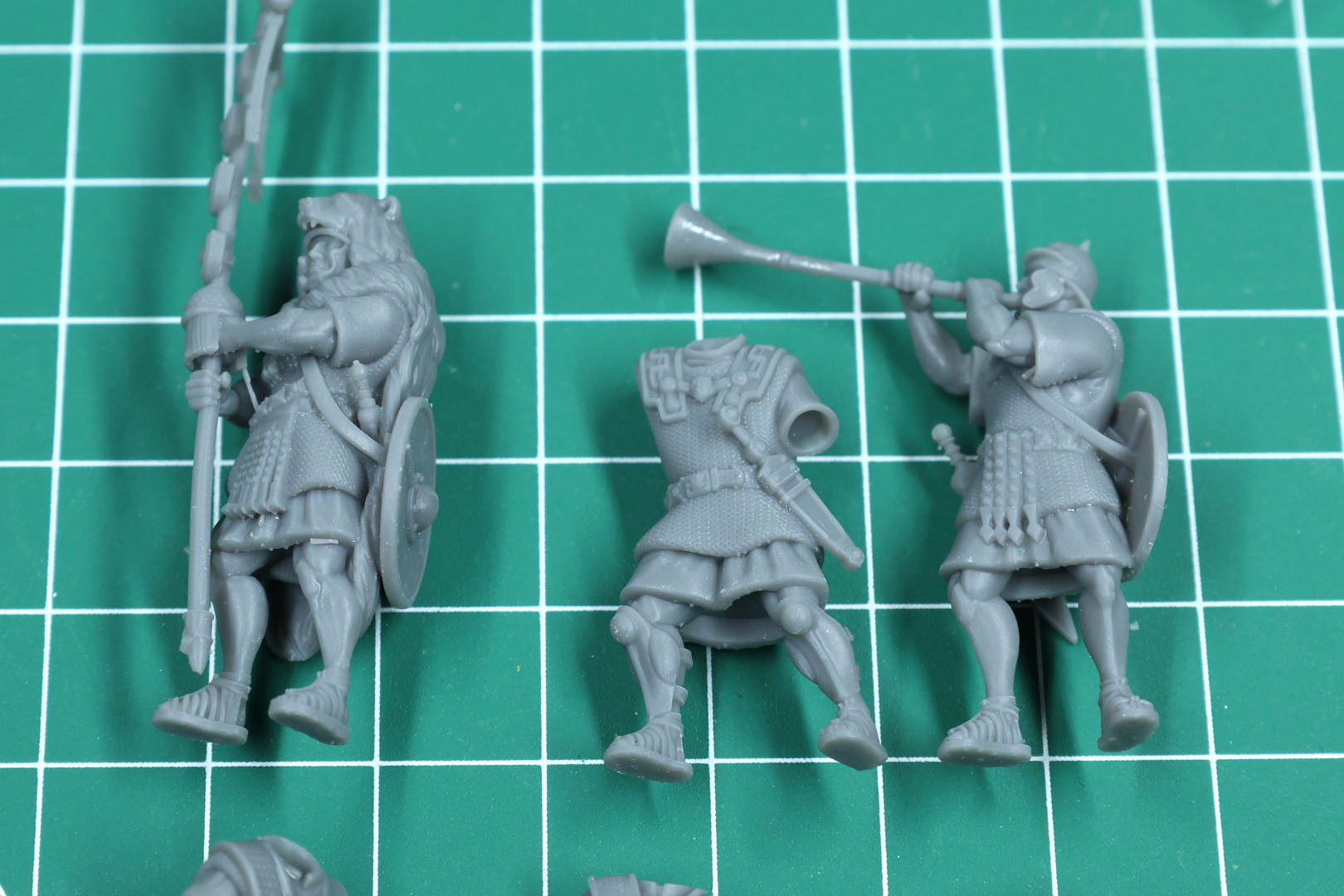
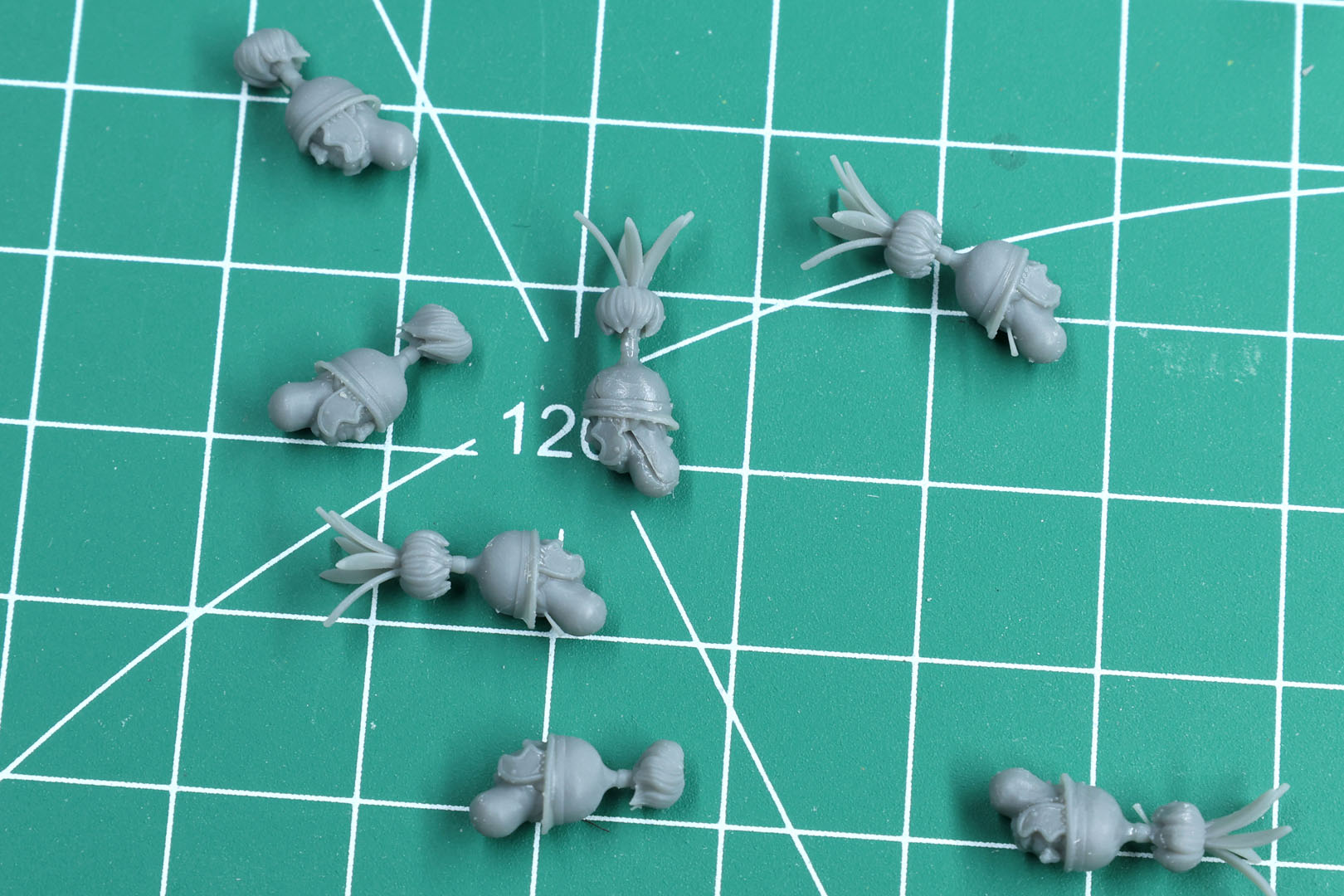
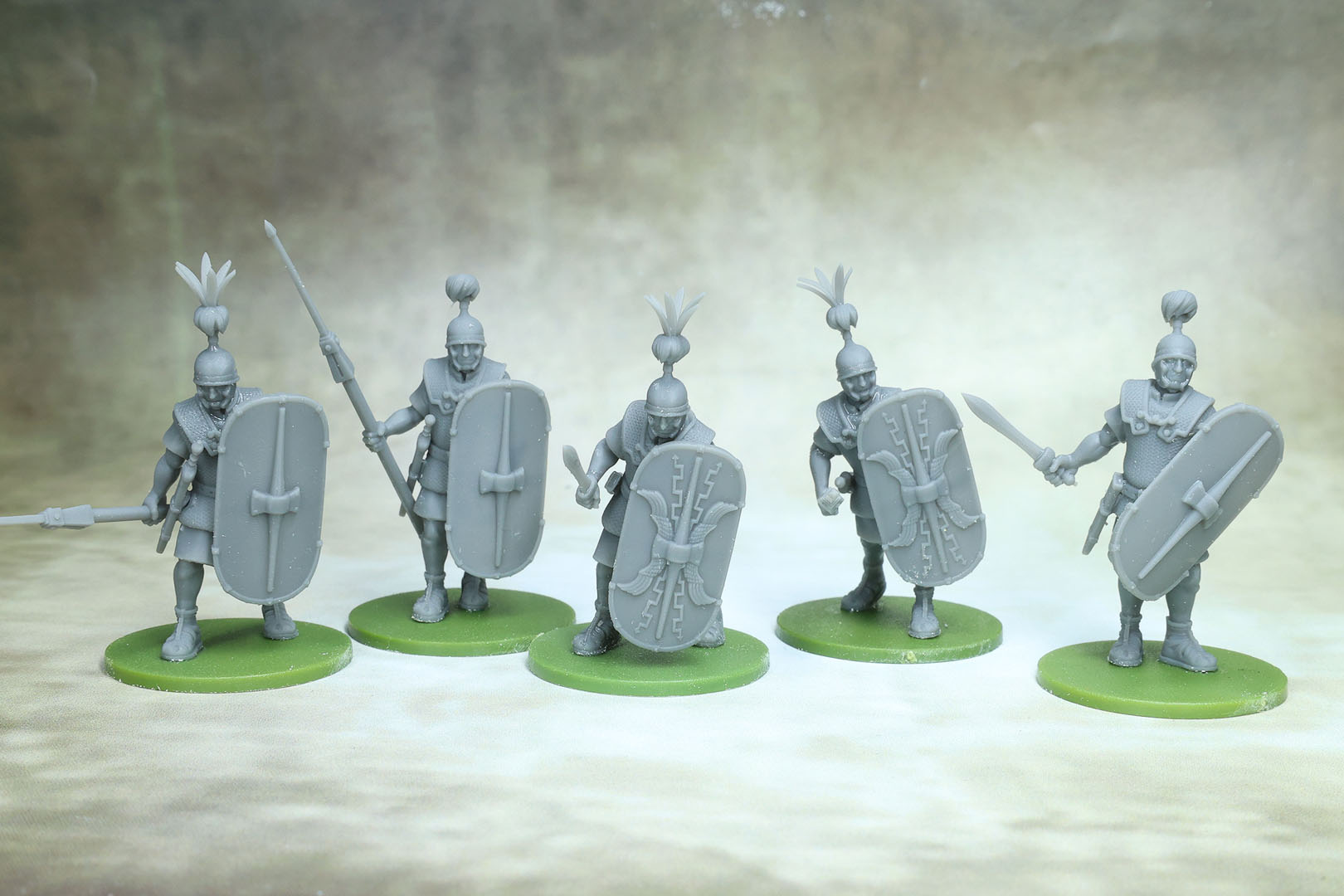
The centurion has a choice of four different right arms, holding either a pilum or a gladius. He also wears a different helmet with a wide crest. The regular legionaries come with two different helmet designs, one with a horsehair plume and one with feathers. Both are part of the Republican Roman look, although the feathers, especially three upright ones, are associated with the hastati and principes and belong mainly to the Middle Republic. The legionaries also have the choice between gladius and pilum.
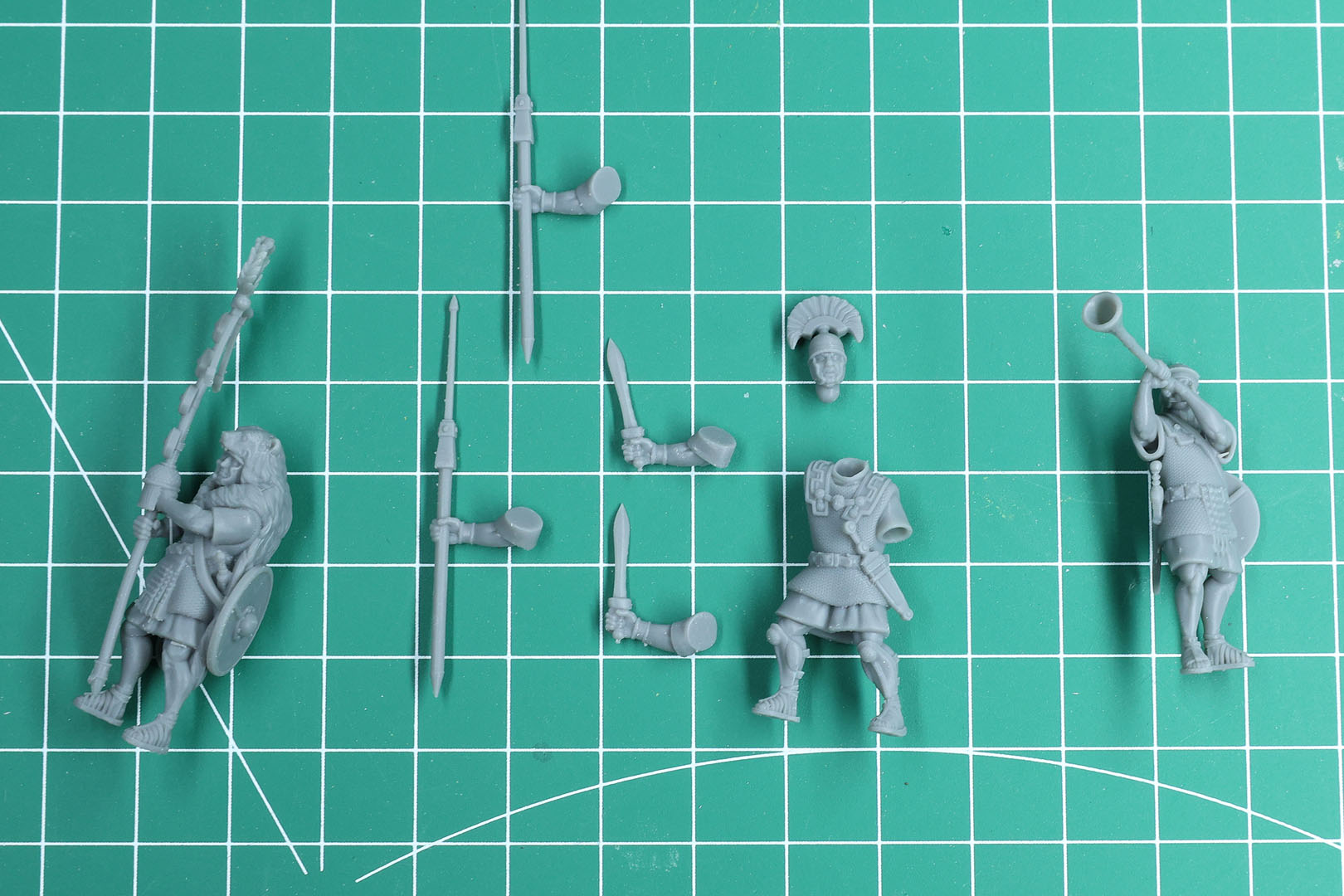
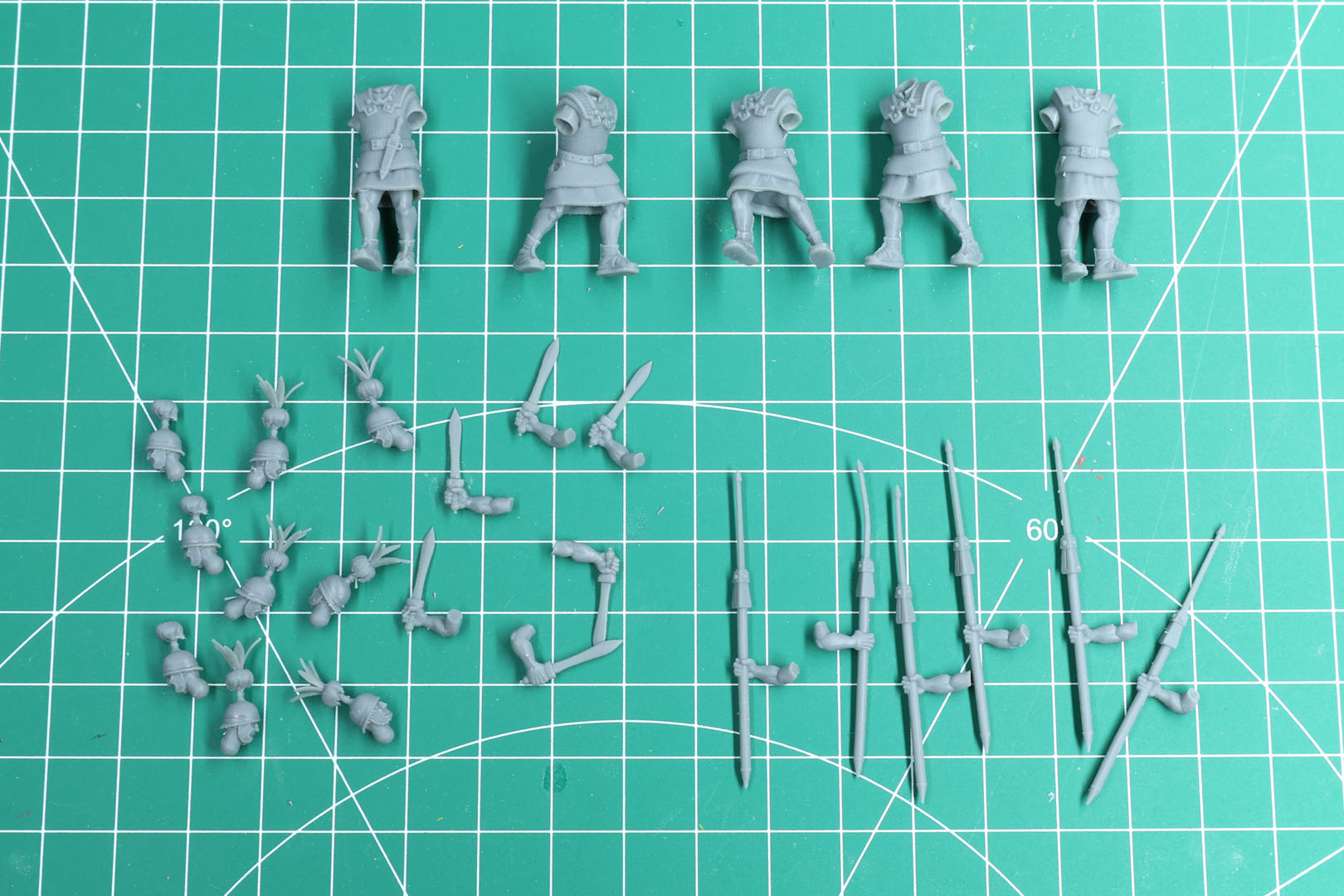
One of the heads had a misprint, but given the "abundance" of heads that is not a problem. It is also the only flaw I noticed during this review. The models also come with gladii and empty scabbards for the belt, as well as shields in different designs, with and without decorated fronts. In principle the models are fully modular, but some poses look more natural or dynamic than others.
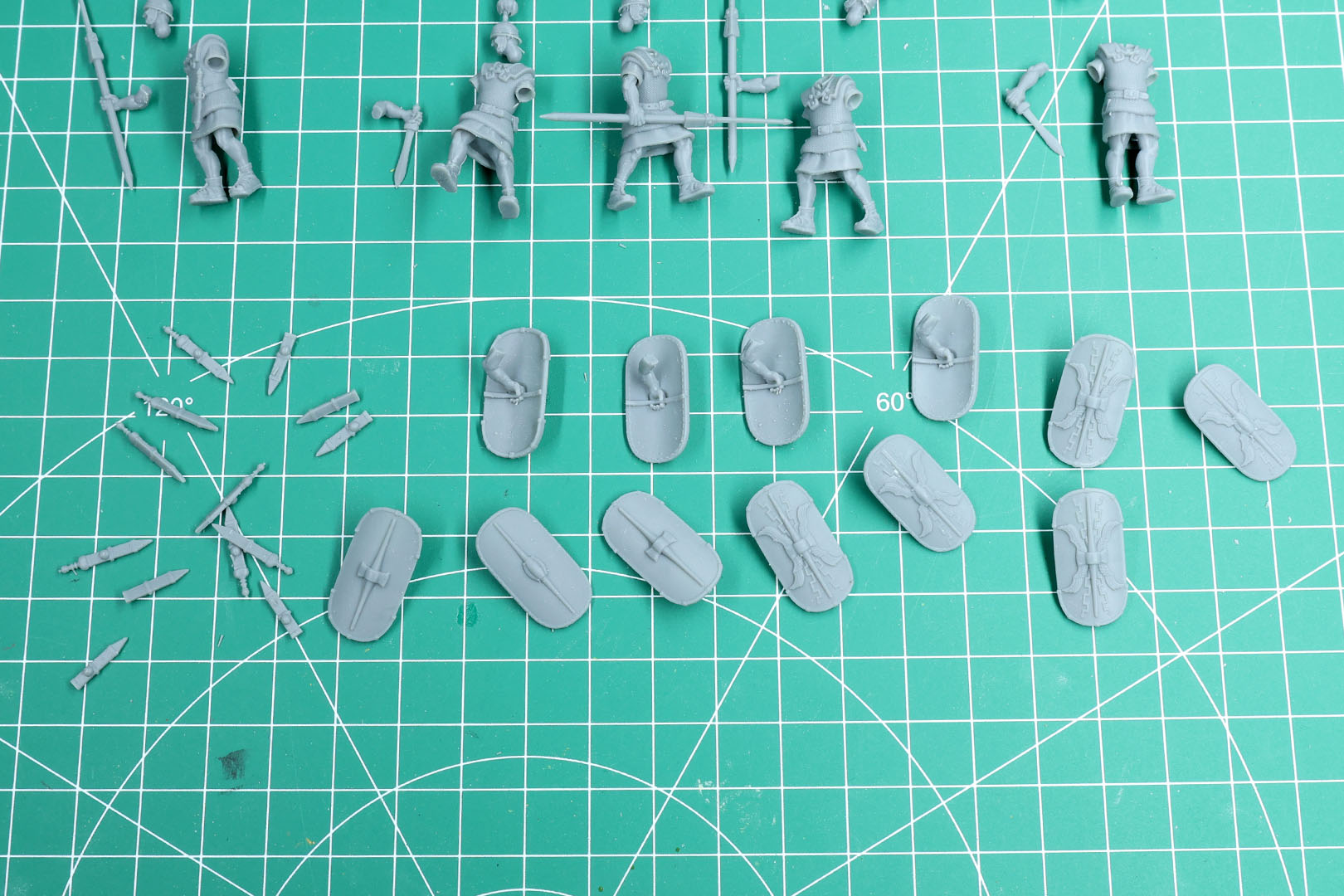
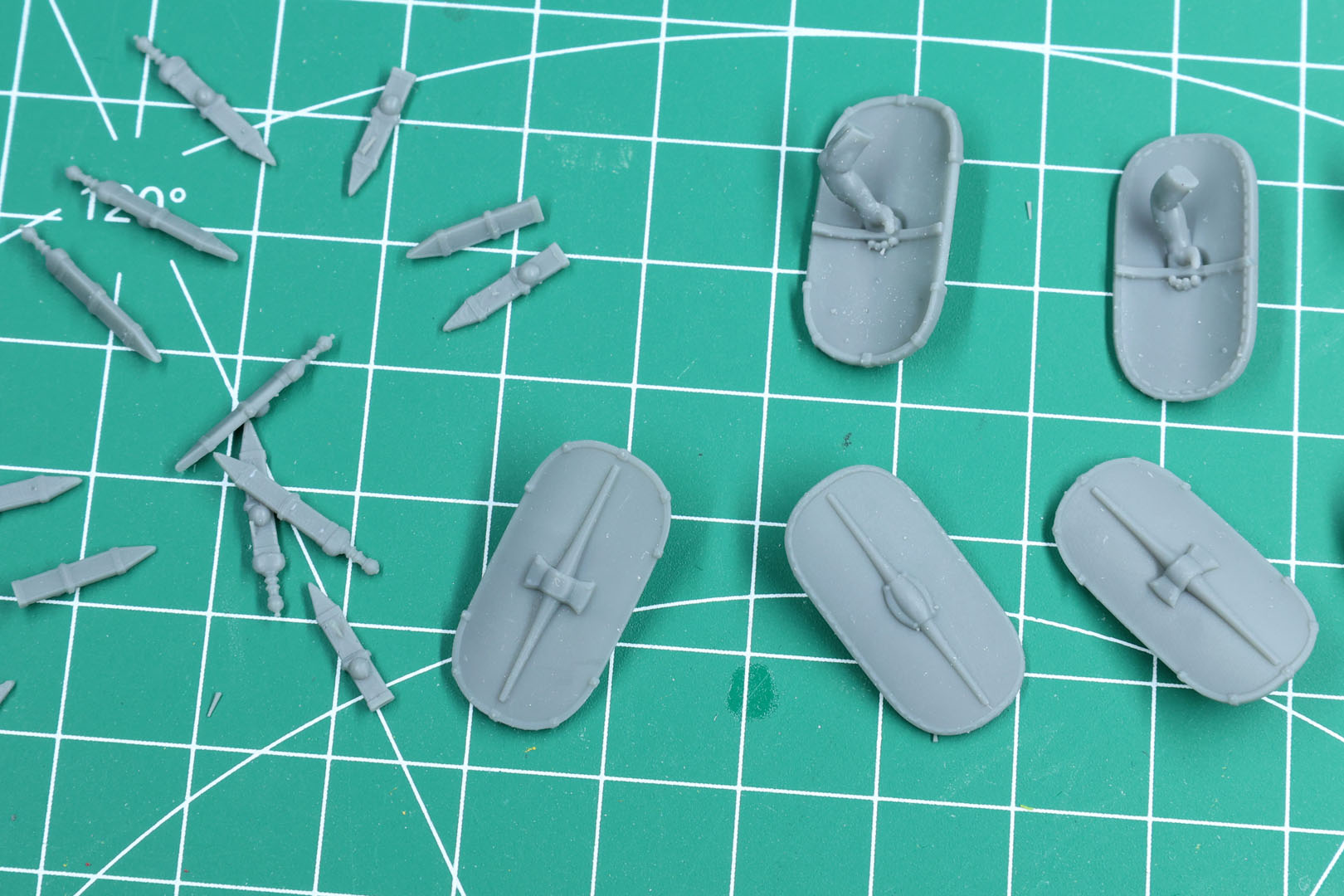
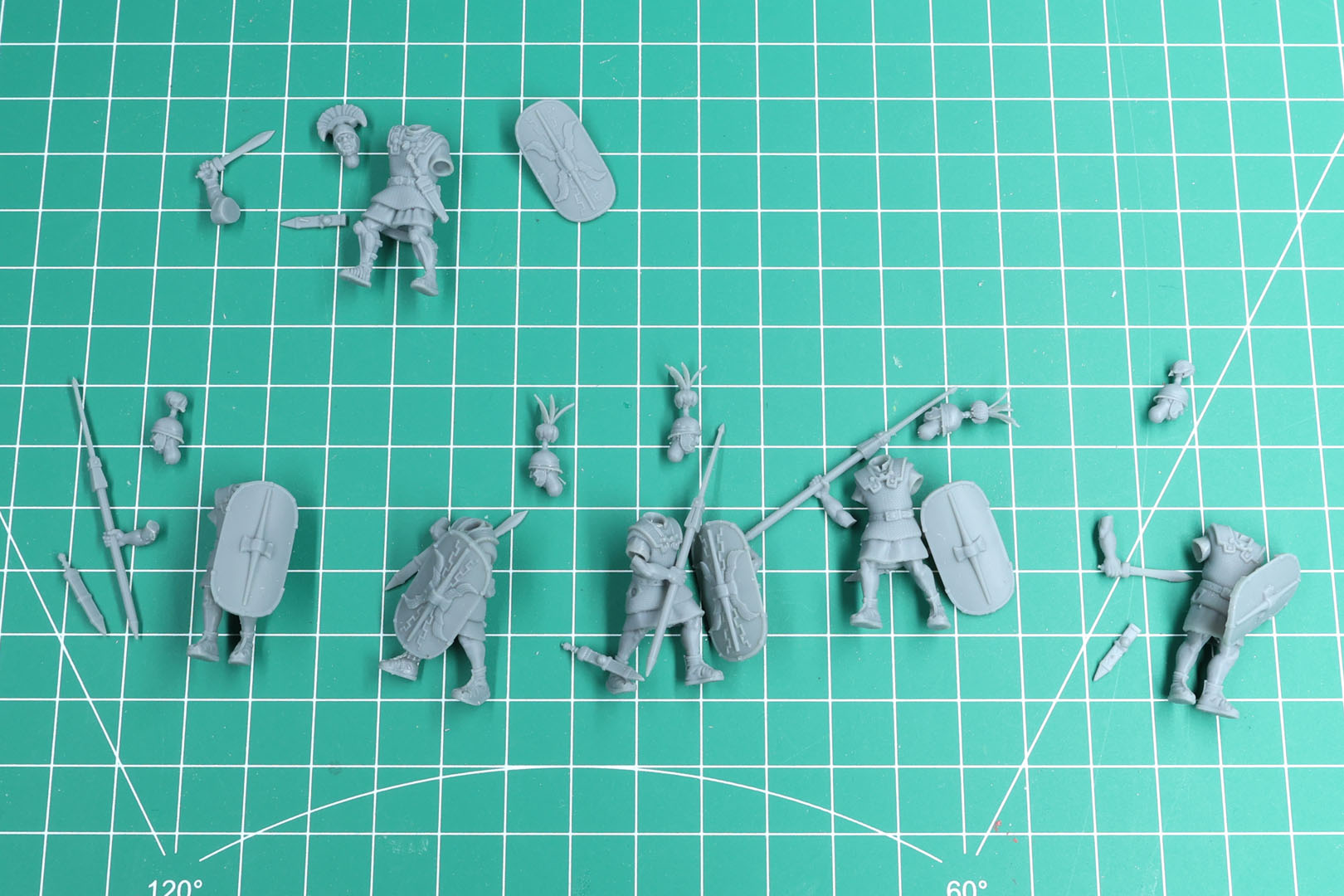
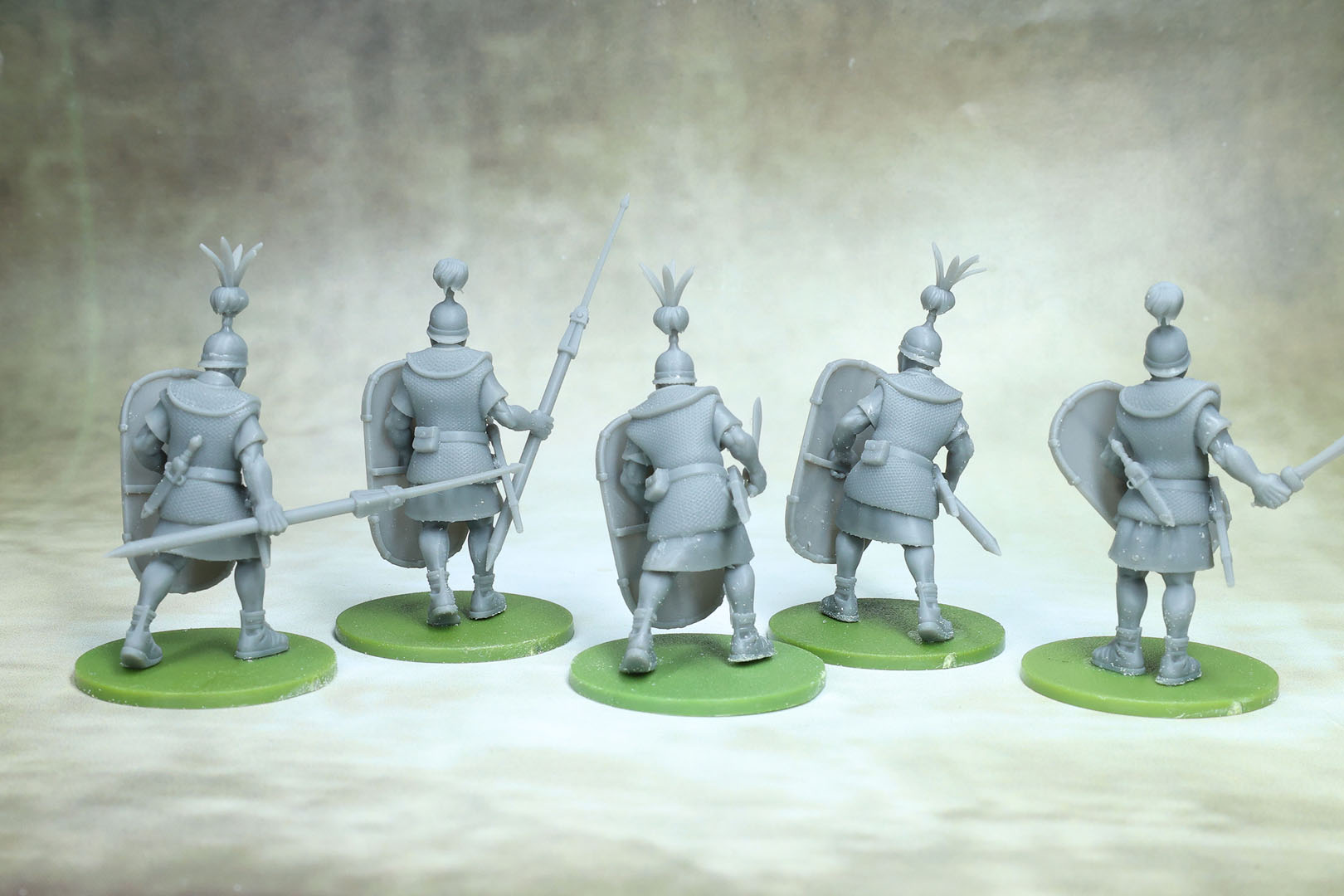
We built a mixed unit here using different weapons and options from the set. No bases are included, so you are completely free to choose your own. The models were easy to glue onto their bases, as the feet offer decent contact surfaces without any balancing acts or exaggerated running poses.
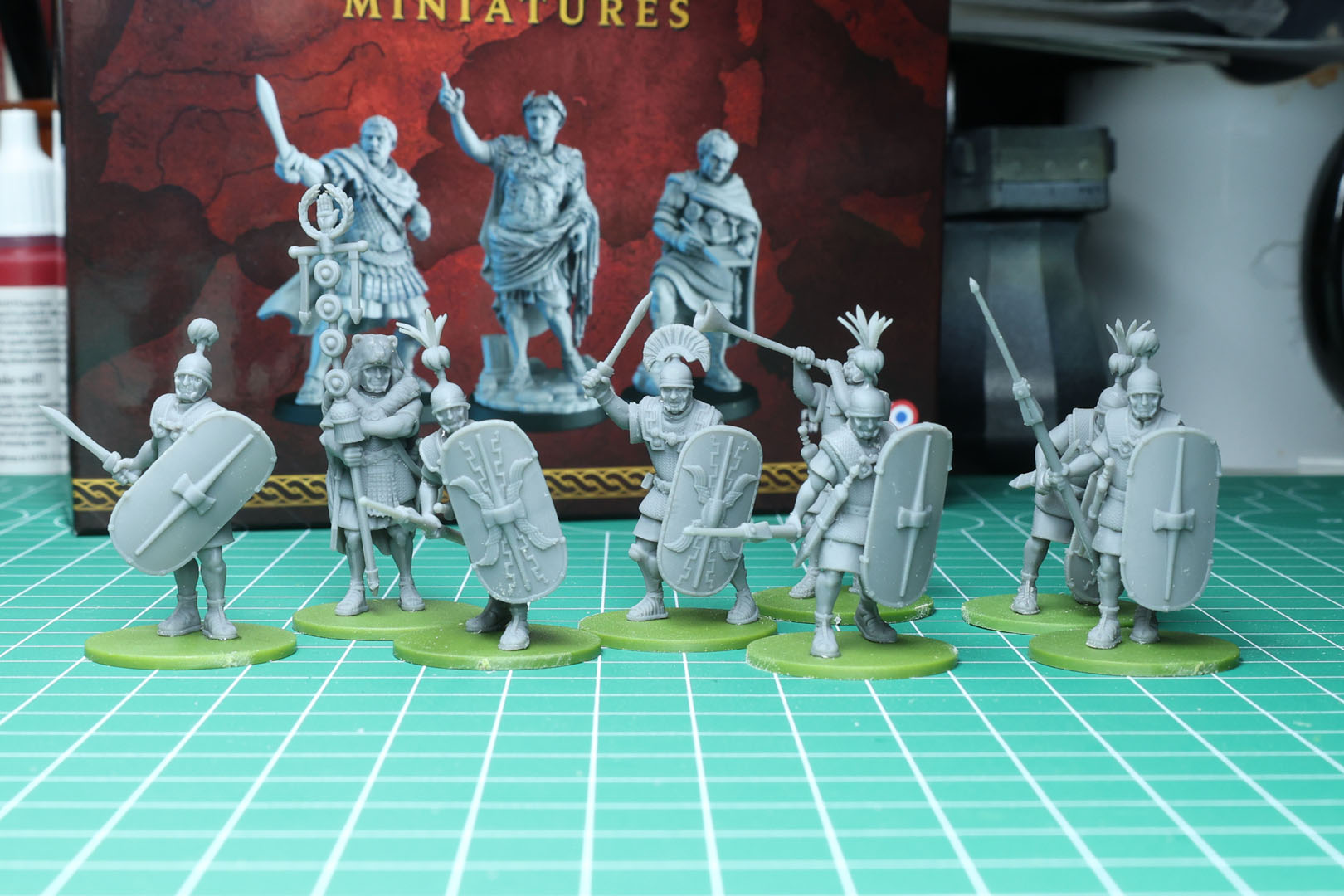
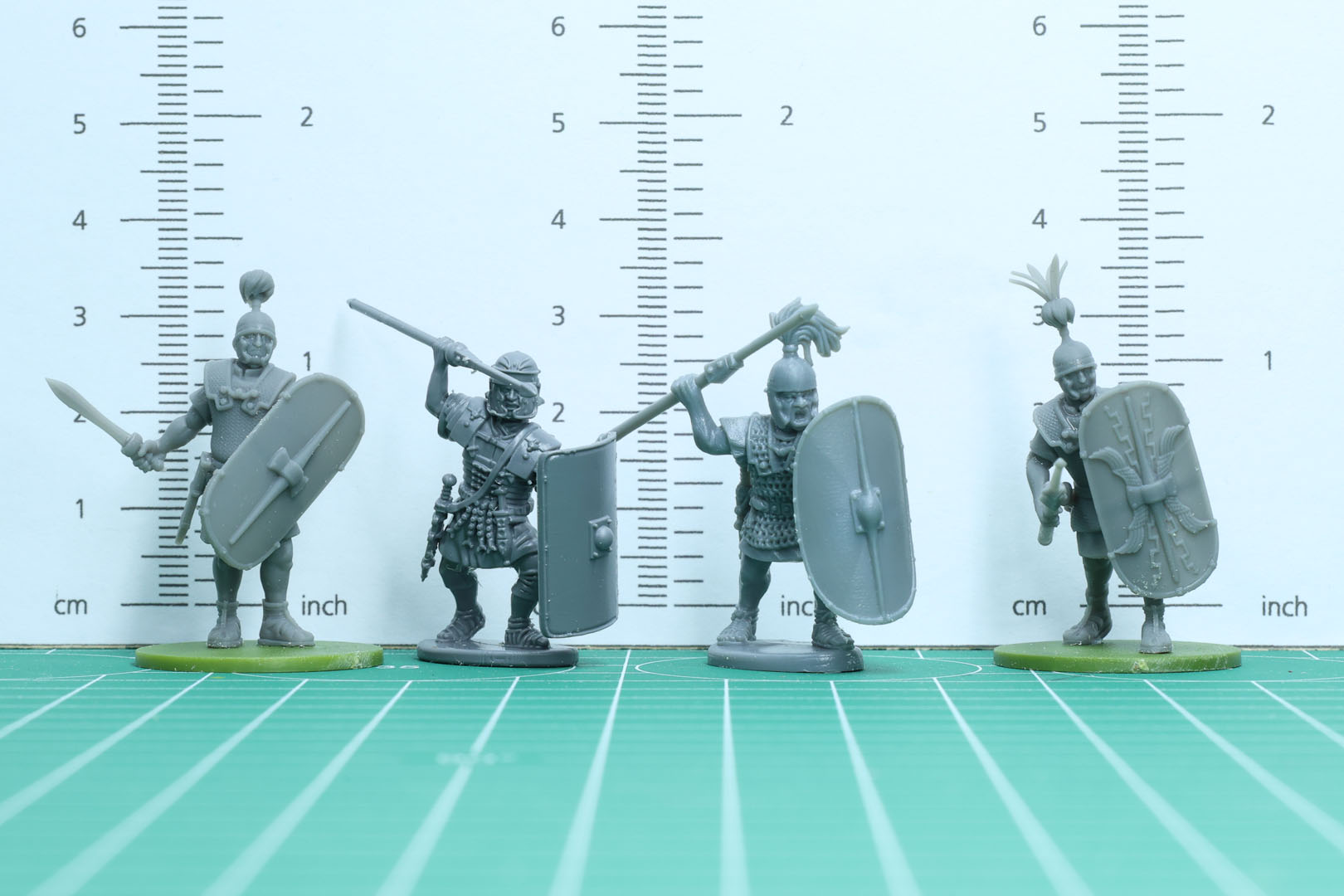
The size comparison with Victrix (second from left) and Warlord Games (second from right) clearly shows the 32mm line, but it also calls the "heroic scale" label into question, as Graal Miniatures comes with noticeably more realistic proportions. As explained at the beginning, you can also see the difference in armour between the Victrix Imperial Roman and the Republican Romans from Graal and Warlord Games. Mixing them would probably look a bit odd, even at arm's length.
And finally, here are the different models in close-up once more.
Conclusion
Marius' Mules is an exceptionally well-made miniature range. It is designed through and through, from the blisters and packaging to the campaign itself, which uses fitting thematic design elements to present the stretch goals and the idea behind the product. You can clearly tell what kind of design-heavy background Quentin usually works in. He has also found a solid partner for fulfilment, because the print quality is excellent. The miniatures were not sticky and there were no shortcuts in the post-processing of the prints. That is great and by no means a given.
Thanks to their popularity in historical tabletop gaming and their seemingly wide range of uses (I once called them the Space Marines of historical wargaming), Romans are an obvious choice, but the market is also heavily saturated. Plenty of manufacturers have been offering models since the early 90s (Foundry, for example), and there are plastic kits from Warlord Games, Victrix and Wargames Atlantic, among others, that already offer modularity. And that is the biggest challenge here: had Graal Miniatures picked the Thracians, for example, the range would have a sharper focus and less competition, but also potentially fewer buyers. As it is, they have to stand out clearly from the rest through either product quality or price.
The models are beautifully designed, but in my opinion their level of detail is aimed more at painters than at gamers. The price is fair for what you get. 59 EUR in the pledge for 17 models that are "handmade" is something you really have to compare with metal, and there Foundry, for example, charges around 40 GBP for 2.5 sets of semi-monopose metal models, while Warlord Games would be at around 50 EUR in metal or spincast resin. So the pricing is comparable. The problem, however, is the comparison with plastic, where you also get modular models, but on much cheaper terms. Warlord's Caesar's Legion has an RRP of 30 EUR for 24 models including command, and Victrix offers 60 models for an RRP of 40 EUR. Both sets are fairly easy to pick up from your local tabletop retailer.
In terms of aesthetics, though, the Graal Miniatures models look considerably more natural, and the way the arms attach under the shoulders inside the mail creates a much nicer transition than on the competitors' plastic models, which usually go for a hard 90-degree angle at the torso. For these reasons, I see the Graal Miniatures range more for systems with a manageable model count, such as Saga or smaller, where the level of detail and the higher price per model make more sense. For 3,000 points of Hail Caesar, you will probably reach for plastic or wait to see whether the models are released as STLs for home printing.
The Kickstarter funded within just three days and runs until 7 November 2026.
- Production Quality: 4/5
- Design Appeal: 4/5
- Options / Customisation: 4/5
- Value for Money: 3/5
- Ease of Assembly: 4/5
Marius Mules is a product by Graal Miniatures.
The reviewed product item was provided by the manufacturer.
Enjoy this article?
Like us on Facebook

Follow me on Instagram

Categories
- events (212)
- fantasy (611)
- General (162)
- historical (649)
- Little Big Adventures (4)
- offtopic (5)
- reviews (554)
- science fiction (714)
- showroom (108)
- terrain (119)
- Uncategorized (1)
- work-in-progress (423)










Leave a Reply