Frostgrave – Fantasy Wargames in the Frozen City (Second Edition)
Some games stay on the table because they get everything right in the first place and then keep growing. Frostgrave is one of them. I have known the game since the first edition and took part in the Nickstarter back then, the pre-order programme of North Star Military Figures, and in all those years it has never left my shelf for long. This blog has looked at the plastic kits for the game several times, for example the Soldiers, the Wizards and the Knights, and the first edition rulebook got a review in 2015. The rules themselves have never really been the bigger topic here.
Behind the game is Joseph A. McCullough, who worked at Osprey Publishing for 15 years and wrote several non-fiction books and fantasy short stories before he turned to wargames. In the foreword to the second edition he calls Frostgrave his first real attempt at writing a wargame, and he admits that it contained all the inconsistencies and errors you would expect from a designer's first work. In my opinion, it was also his springboard. Frostgrave made him one of the best known rules authors of the hobby, and the success of the game led to Ghost Archipelago, Stargrave and the other games he wrote after it. Frostgrave is still the system he returns to with supplement after supplement, so it deserves a look at the core rules.
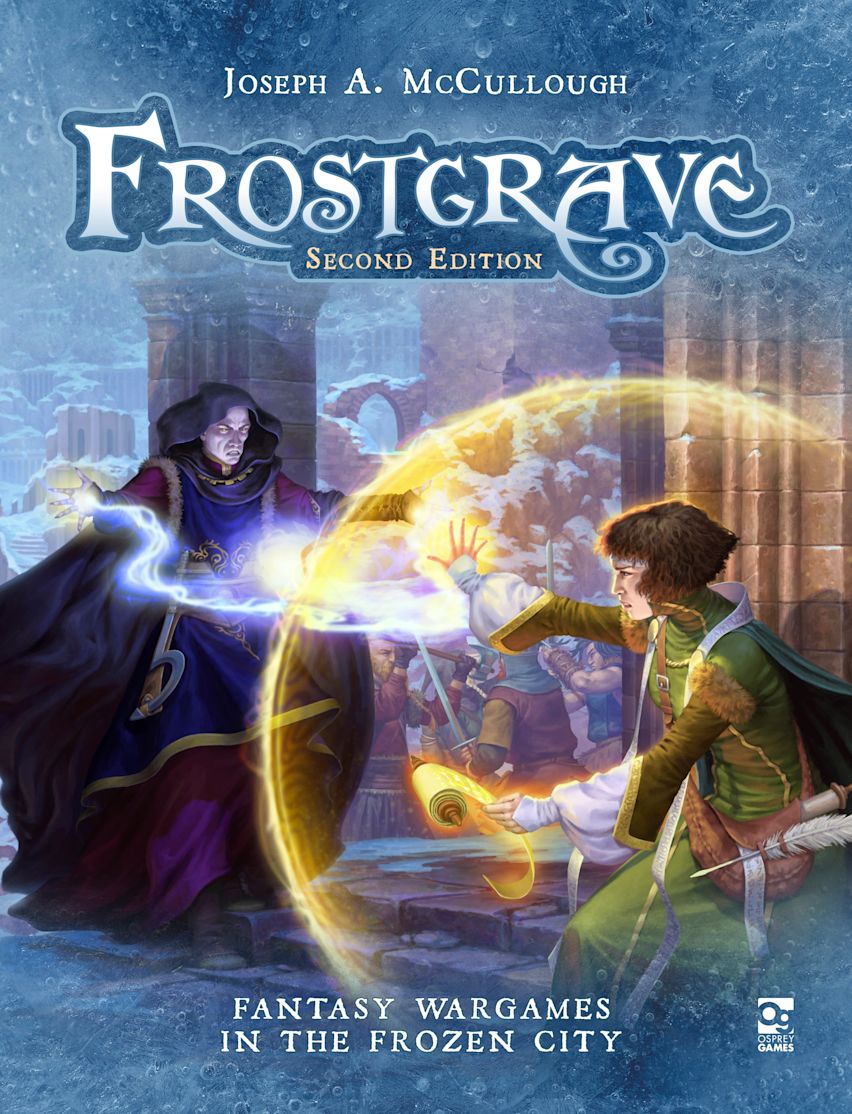
I want to catch up on that, and the second edition is the right starting point. If I want to talk about the current supplements, I need a foundation to build on, and that is the core rulebook of Frostgrave. The hardback was kindly provided by Osprey Games as a review sample. This article is aimed at readers who have never touched Frostgrave, and it also shows what changed since the first edition for those who have.
What is it about?
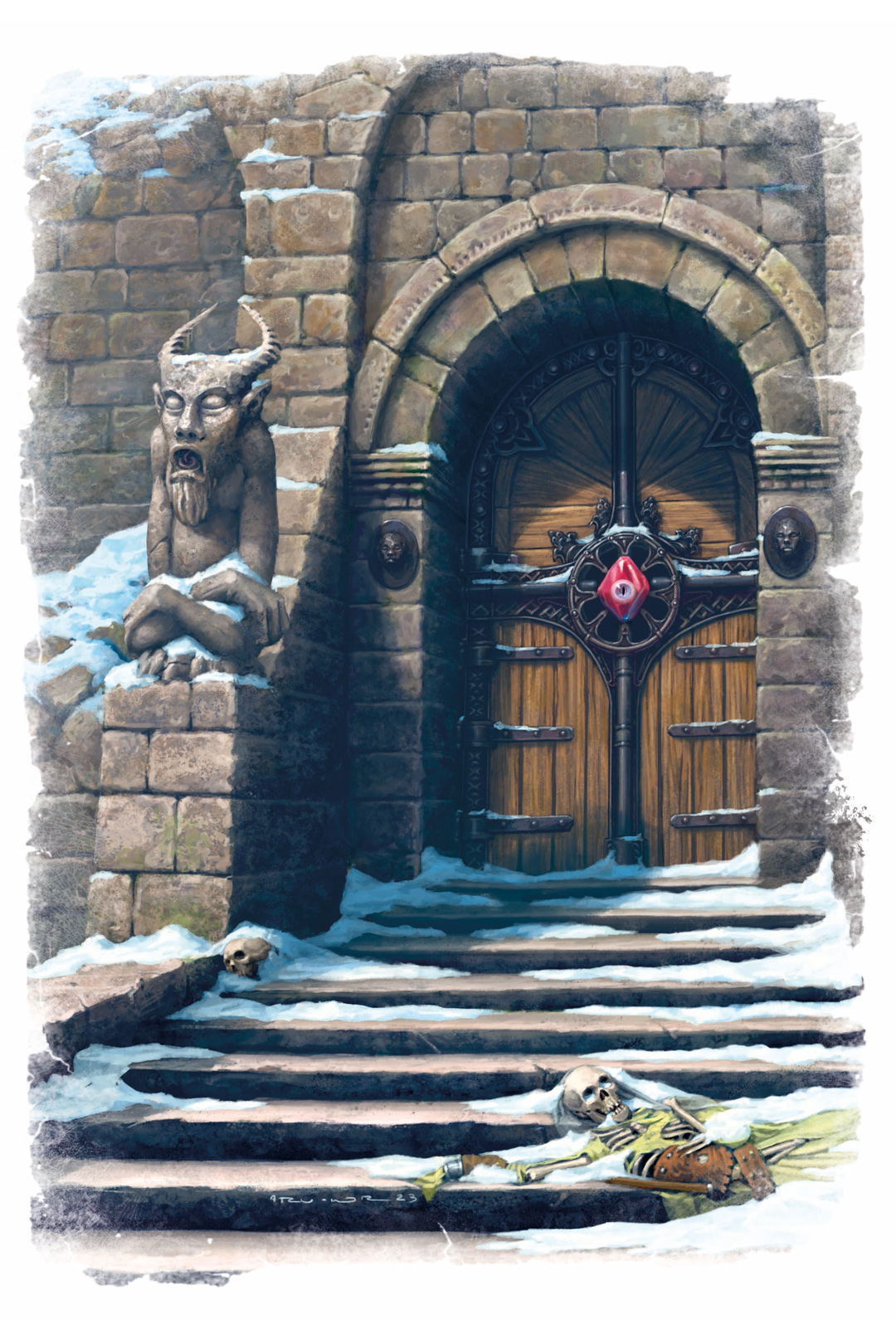
Long ago, the city of Felstad sat at the centre of a magic empire. Its towering spires, labyrinthine catacombs and immense libraries were the wonder of the age, and potions, scrolls and magic items of every description poured out of its workshops. Then, one cataclysmic night, a mistake was made. In some lofty tower a foolish wizard unleashed a magic that was too powerful to control, an epic blizzard rose up and swallowed the city, and the empire was shattered. A thousand years later the winter has passed, the snow has receded and Felstad lies uncovered. Its buildings are in ruins, overrun by undead and magic constructs, the legacy of the empire's experiments. The people of the nearby villages have given the place a new name: Frostgrave.
That is the premise, and it is a good one. For anyone who seeks power and riches, the Frozen City is a deadly maze full of forgotten secrets. Each player leads a wizard and a small warband into the ruins to recover treasure, enchanted artefacts and spells. The other players have the same idea, and the city itself does not like visitors. Frostgrave does not tie you to a heavy lore framework. It gives you a setting with enough texture to feel real and enough room to build whatever warband fits your idea.
McCullough describes it as a narrative wargame that is less concerned with being a tactical exercise and more with a shared sense of fun and adventure. For all the situations the rules do not cover, the book gives a simple guideline: ask yourself "What would happen in the movie?" and take the most dramatic, cinematic result. I like that approach, and it fits the tone of the whole game. Frostgrave was also designed with 28mm miniatures in mind, but the book openly encourages you to use whatever figures you like. The setting assumes human wizards, but the rules do not care whether your warband consists of elves, orcs or anthropomorphic mice.
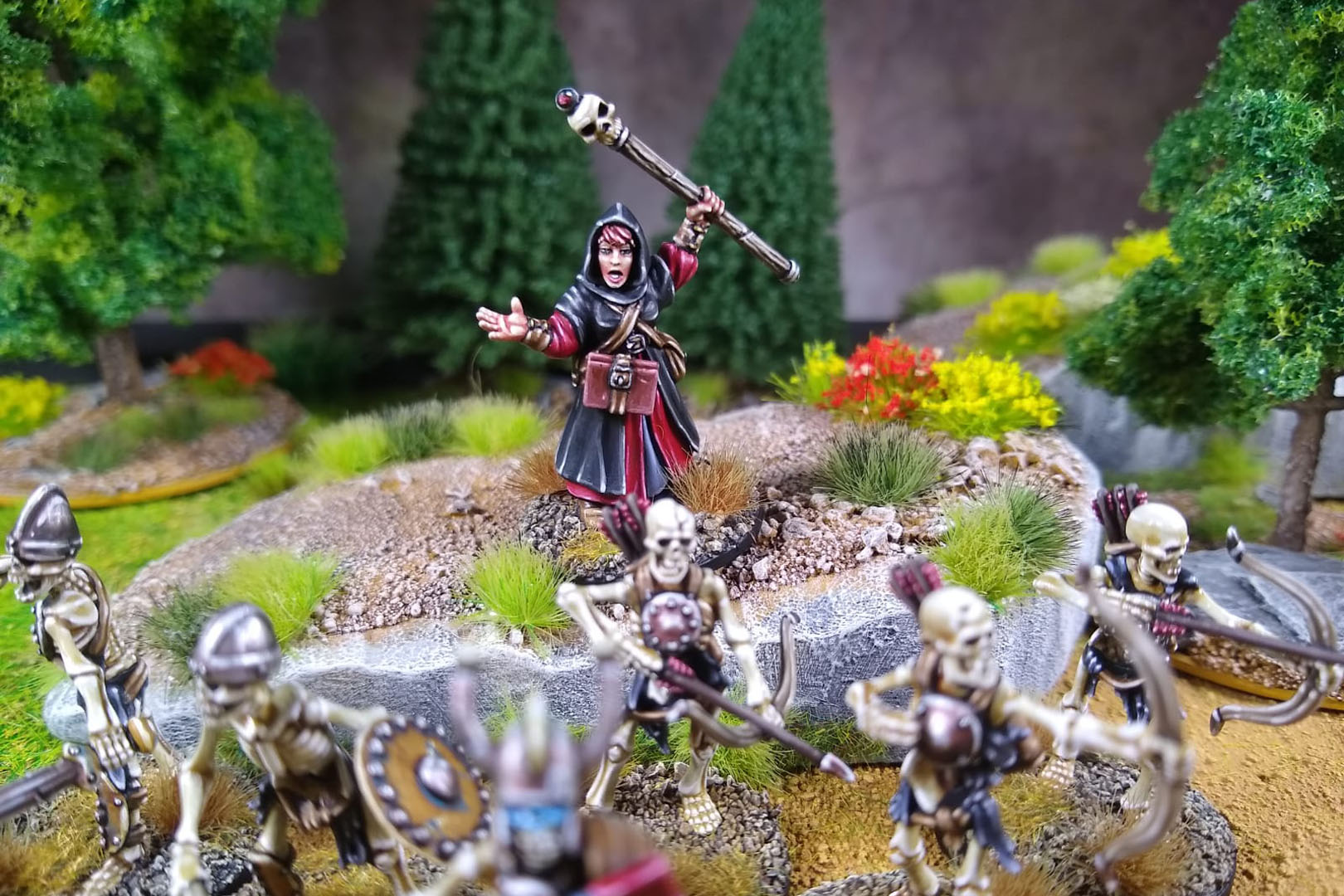
First Impression
The second edition is a 224 page hardback, released in August 2020 as the first real update of the game after five years. The artwork now comes from aRU-MOR, who took over from Dmitry Burmak. I liked the old artwork a lot, but the new illustrations feel a little more refined. The miniatures were painted by Kevin Dallimore and Paul Cubbin, who also did the photography, and Shane Hensley, the creator of Deadlands and Savage Worlds, wrote the foreword. Another nice detail is that the margins are filled with short eyewitness reports and rumours from the city, which add a lot to the atmosphere without getting in the way of the rules.
The layout is clean and builds from simple to complex, with the optional rules clearly marked. The book comes in three versions. The regular hardback costs 25 GBP, there is an anniversary edition in a slipcase for 50 GBP, and the digital version as ePub or PDF costs 17.50 GBP. The book has six chapters, followed by an appendix:
- Chapter 1: Wizards and Warbands, with the ten schools of magic, the apprentice, the soldiers and the arms and armour list
- Chapter 2: Playing the Game, with setup, the turn, movement, combat, shooting, spellcasting and treasure
- Chapter 3: The Campaign, with injuries, experience, treasure, recruitment and the base
- Chapter 4: Spells, with the complete spell list
- Chapter 5: Scenarios, with twenty scenarios
- Chapter 6: Bestiary, with the creatures of the Frozen City
- Appendix: summaries of the supplements and their compatibility, spell cards and the wizard sheet

How does it play?
The Warband
Frostgrave uses a single twenty-sided die for everything. You roll, add the relevant stat and try to beat a target number or your opponent. Every figure has a stat line with Move, Fight, Shoot, Armour, Will and Health, and that is all you need to know for the moment.
Each player starts by creating a wizard, who is by far the most important miniature. You choose one of ten schools: Chronomancer, Elementalist, Enchanter, Illusionist, Necromancer, Sigilist, Soothsayer, Summoner, Thaumaturge or Witch. Every school is aligned with three others, neutral to five and opposed to one. The further away a school is, the harder it is to cast its spells, with a penalty of +2, +4 or +6 on the casting number. A starting wizard knows eight spells: three from their own school, one from each of the three aligned schools and two from different neutral ones. Spells from the opposed school are not available until later. I think this structure is the best idea in the game, because it keeps warbands from becoming generic and forces a certain character on every wizard.
A wizard starts with 400 gold crowns to hire followers. The apprentice costs 100 gold crowns and uses the wizard's stat line with a few deductions, so he improves together with his master. The warband can have up to eight soldiers. They are divided into standard soldiers (Thug, Thief, War Hound, Infantryman, Man-at-Arms and Apothecary) and specialists (Archer, Crossbowman, Treasure Hunter, Tracker, Knight, Templar, Ranger, Barbarian and Marksman), of which you may field a maximum of four. Thugs and Thieves are free, the others cost between 10 and 125 gold crowns. I do not try to build the most efficient combination. I look for something that fits the background of the wizard, and the specialists make that easy, whether you want a retinue of knights or a group of sellswords.
The Turn
Each turn starts with an initiative roll. The winner is the primary player for that turn, and the next players follow in order. A turn has four phases: Wizard, Apprentice, Soldiers and Creatures. In the first two phases a wizard or apprentice activates together with up to three soldiers who are within 3" and in line of sight at the start of the phase. Soldiers closer to their leaders therefore act earlier, which gives a small tactical reason to keep the warband together. Every figure has two actions, and one of them has to be a movement. The other one can be a second move, a fight, a shot or a spell.
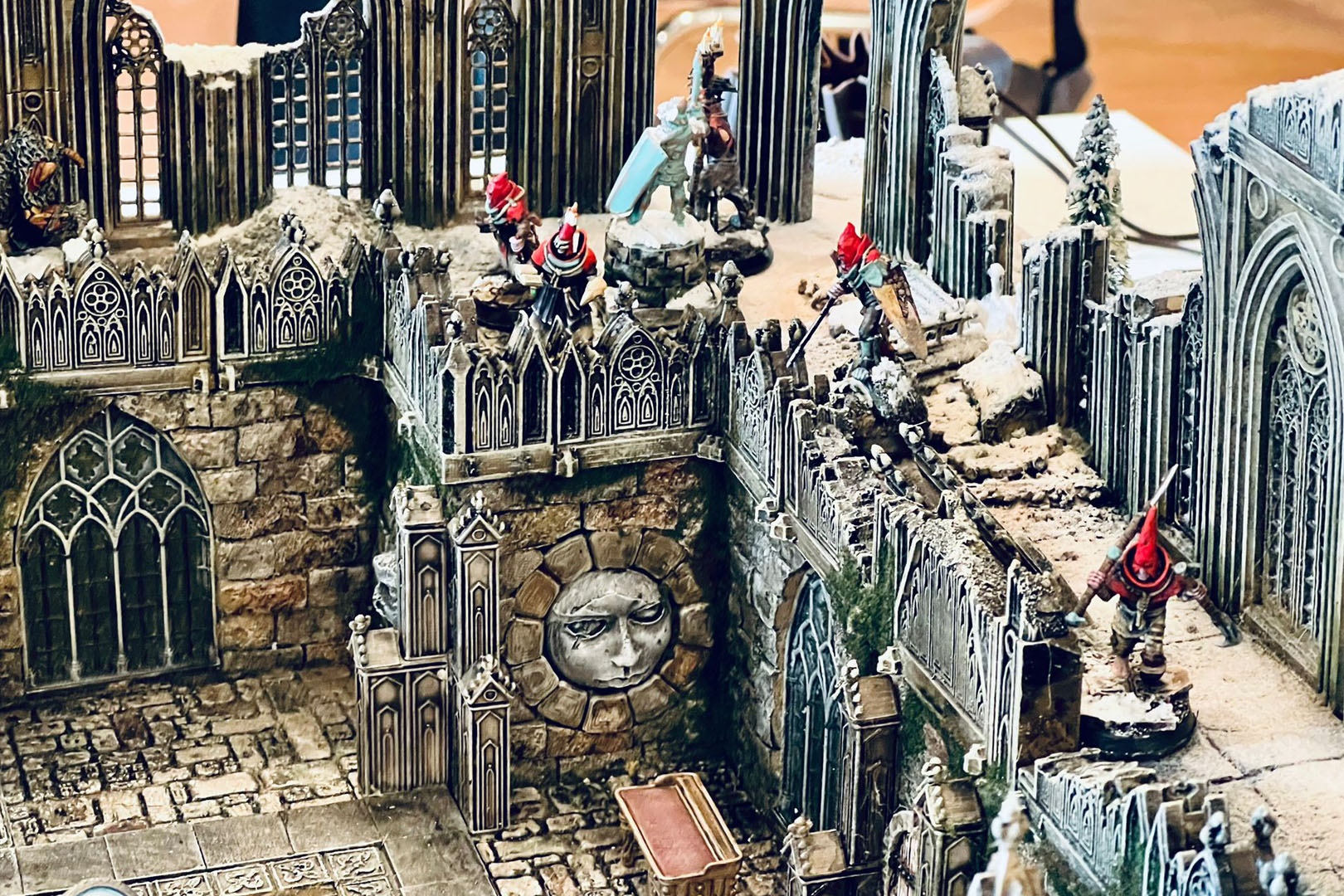
A fight is an opposed roll. Both figures roll a d20 and add their Fight stat, the higher total wins, and the damage is the winner's total, plus the weapon modifier, minus the Armour of the loser. A tie means that both figures hit. Shooting works in a similar way, although the target defends with its Fight stat. The terrain matters a lot, because the table should be crowded with ruins, and no figure should see further than a foot or so at the start. This is a game about corners, ledges, walls to climb and cover to hide behind.
Magic
To cast a spell, you roll a d20 against the casting number. If you miss, the spell fails and you may take damage, depending on how badly you missed. Here the wizard can use Empowering, which lets him spend Health to raise the casting roll one for one. That is a great mechanic. It gives you the option to throw yourself into a spell and make sure it works, and it makes magic a risk and not a safe tool. The same applies to resisting a spell, because spellcasters can empower their Will rolls as well. The d20 can be a bit random, as I know from some role-playing systems, but the Empowering rule gives you a way to push back against bad dice, at a price.
Treasure and Campaign
Treasure is why everybody is in the city. Each scenario places treasure tokens on the table, and a token has to be carried off the table to count. A figure can only carry one token, and its Move is halved while it does, so the fight is always about how to get the loot out. After the game, every recovered token gives you one roll on the treasure table, which brings gold crowns, potions, scrolls, magic weapons and armour, magic items or grimoires with new spells.
This is the part that makes Frostgrave a campaign game. Only the wizard earns experience, and every 100 points convert into a level, which lets you improve a stat, improve a known spell or learn a new one if you own the grimoire. Apprentices follow along automatically, but soldiers never improve and may even be lost. After a game, you roll for your fallen figures. Soldiers die on a 1 to 4 and are badly wounded on a 5 to 8. For wizards and apprentices there is a longer table with permanent injuries such as a lost eye, a crushed arm or a smashed jaw, which limits how many soldiers they can activate. Between games you spend your gold to recruit, buy grimoires and set up a base, from an inn to a treasury or a brewery, each with a small bonus. If your wizard dies and reached level 6 or higher, your apprentice can step up to take his place, which I find a charming detail.
What changed since the first edition?
McCullough names three design goals for the new edition: more fun, clearer and more balanced rules, and compatibility with all first edition supplements. Many of the changes follow from that. The most important ones are:
- Spells: About 20 of the 80 spells of the first edition were hardly ever used, so he went through every one of them, tightened the wording and replaced a few. Elemental Bolt is now a +7 attack with a range of 16" and not a +8 attack against anything in line of sight. Leap now works only on members of your own warband, halves its distance if the target carries treasure and cannot take a figure off the table.
- Soldiers: The division into standard soldiers and specialists is new, together with the limit of four specialists. The first edition only had a single list. Thugs and Thieves are now free, which makes losses easier to replace, and the costs of the other soldiers were adjusted. The starting gold dropped from 500 to 400 gold crowns, and the apprentice costs 100 gold crowns and not 200.
- Weapons: The +1 Fight for a hand weapon and a dagger is gone and is now part of the soldier profiles.
- Experience: The first edition awarded 40 points for each soldier a wizard took out personally, 80 for an apprentice and 150 for an enemy wizard. These points are gone. Instead you get a small reward for uncontrolled creatures, a fixed reward for playing a game and 10 points for each successful spell, but no points for spells with a casting number of 6 or lower. The total is capped at 300 points per game.
- Treasure: The first edition placed three treasure tokens per player. Now there is one central token and two per player. The central treasure also gives you a re-roll on the treasure table.
- Scenarios: There are twenty instead of ten. The original ten were kept as beginner scenarios, and ten new and more demanding ones were added.
- Supplements: All first edition supplements remain usable, and the appendix lists each one with notes on what needs to be adjusted.
I like the effect of these changes on the campaign. Without the kill experience, wizards with support spells or a more controlling style are no longer at a disadvantage against pure damage dealers. The cap on experience for low effort spells also means that nobody earns a level just by spamming cheap spells. The central treasure token reduces camping and the games over who sets up what first, because everyone has to move toward the middle. The two scenarios I enjoy most are the Mausoleum and the Library. Both already existed in the first edition, and they are classic fantasy themes for a wizard, where you look for artefacts and the scenario itself interferes with both warbands.
Solo and Beyond
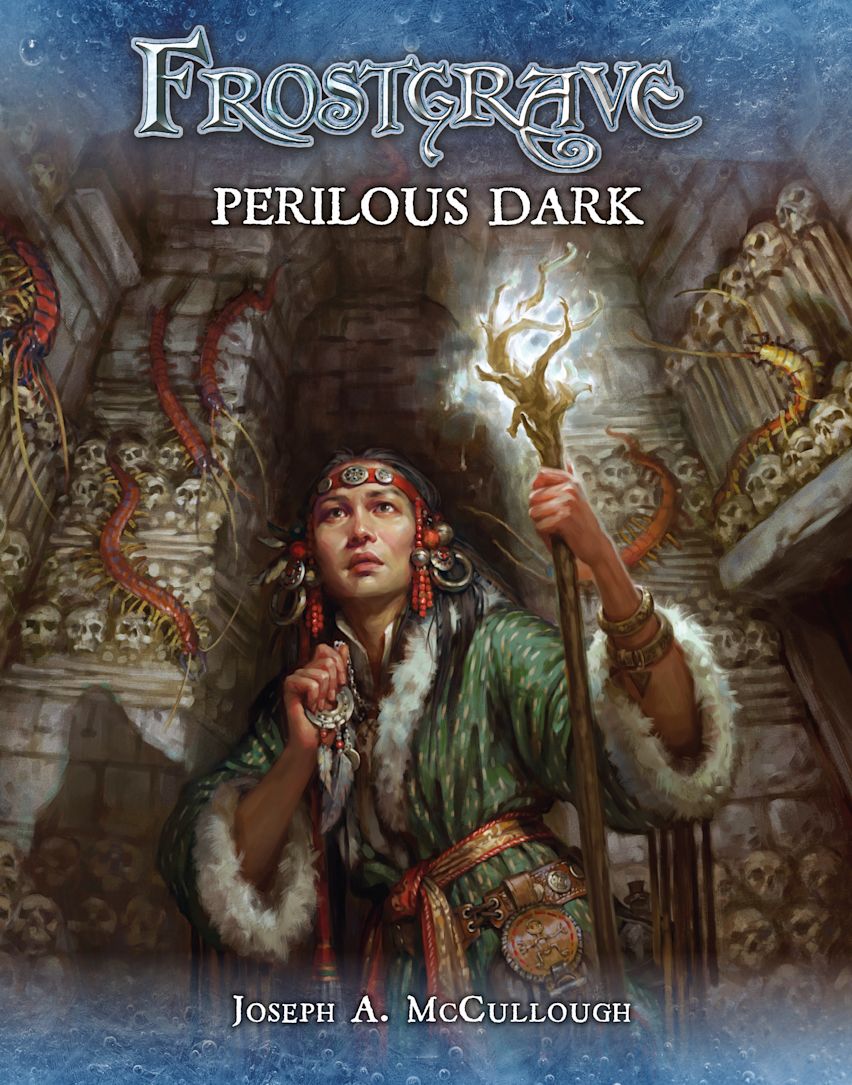
The core rulebook is a competitive game for two or more players, but the line also covers solo and cooperative play, for example through The Frostgrave Folio and Perilous Dark. Like Stargrave, this is something that few other systems offer in this form. Joseph A. McCullough also wrote the sister game Ghost Archipelago, which takes the system to a tropical island setting.
What's next?
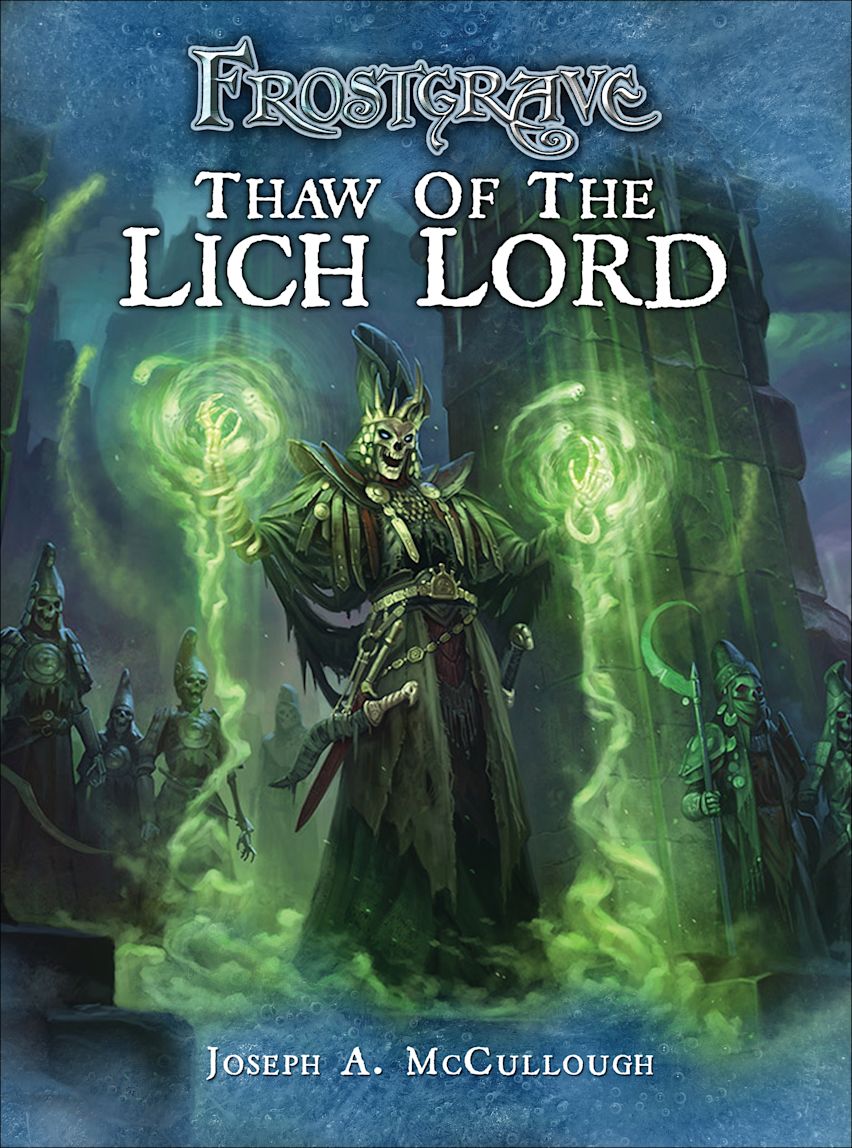
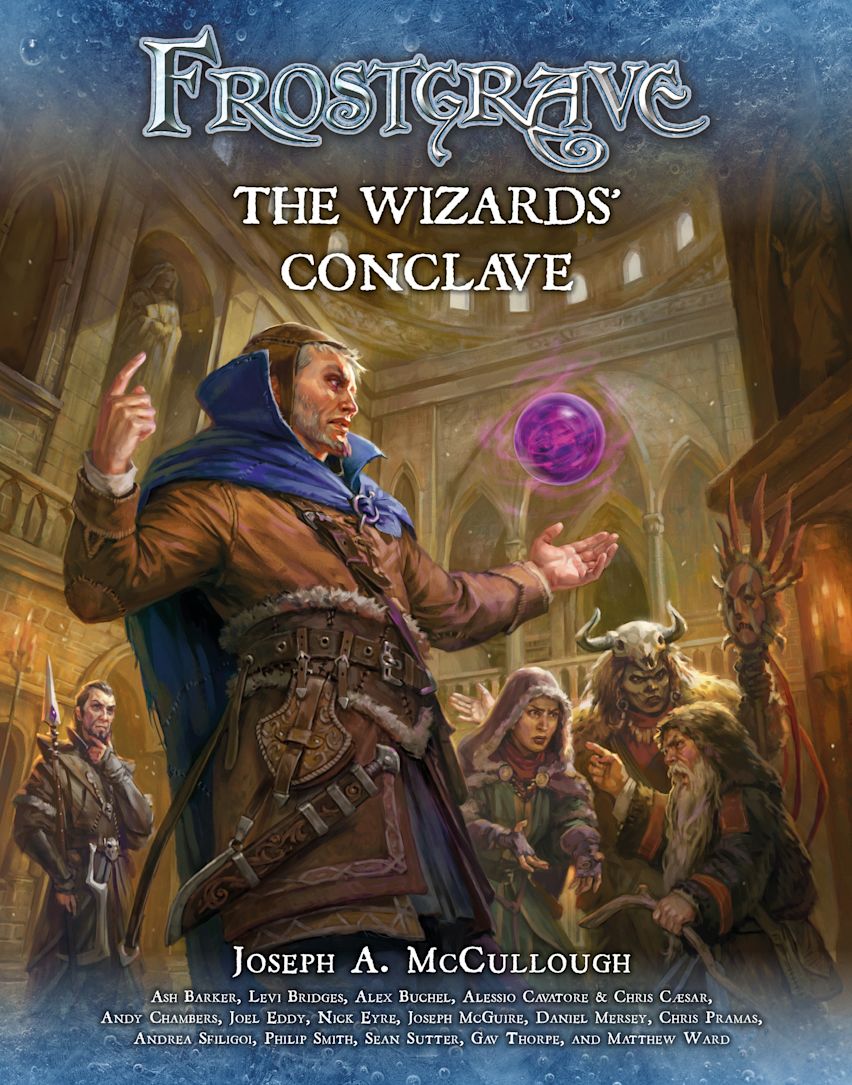
The core rulebook is the foundation for a large library of supplements, and we will work through them here step by step, in the order of their release, including the older ones. Yes, that means we will go back to Thaw of the Lich Lord. The first edition supplements, as listed in the appendix of the rulebook, are:
- Thaw of the Lich Lord (2015), the first big campaign
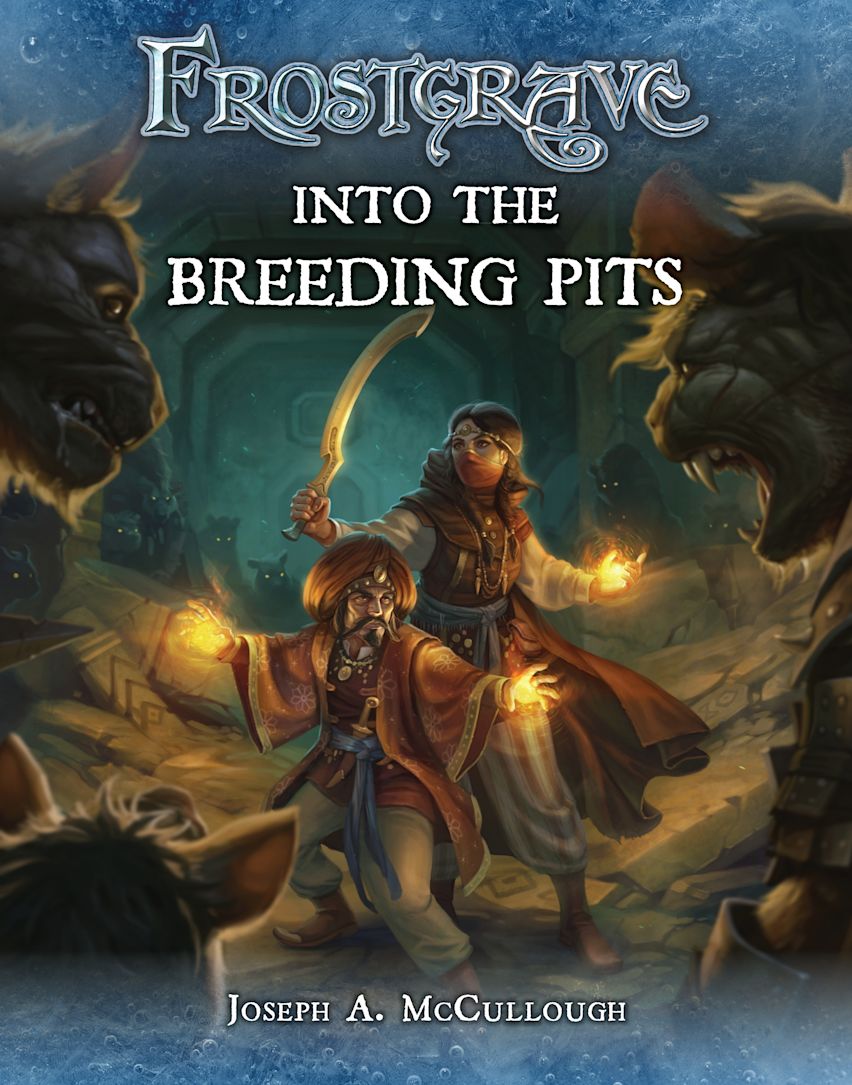
- Into the Breeding Pits (2016), with dungeon crawling and Beastcrafters
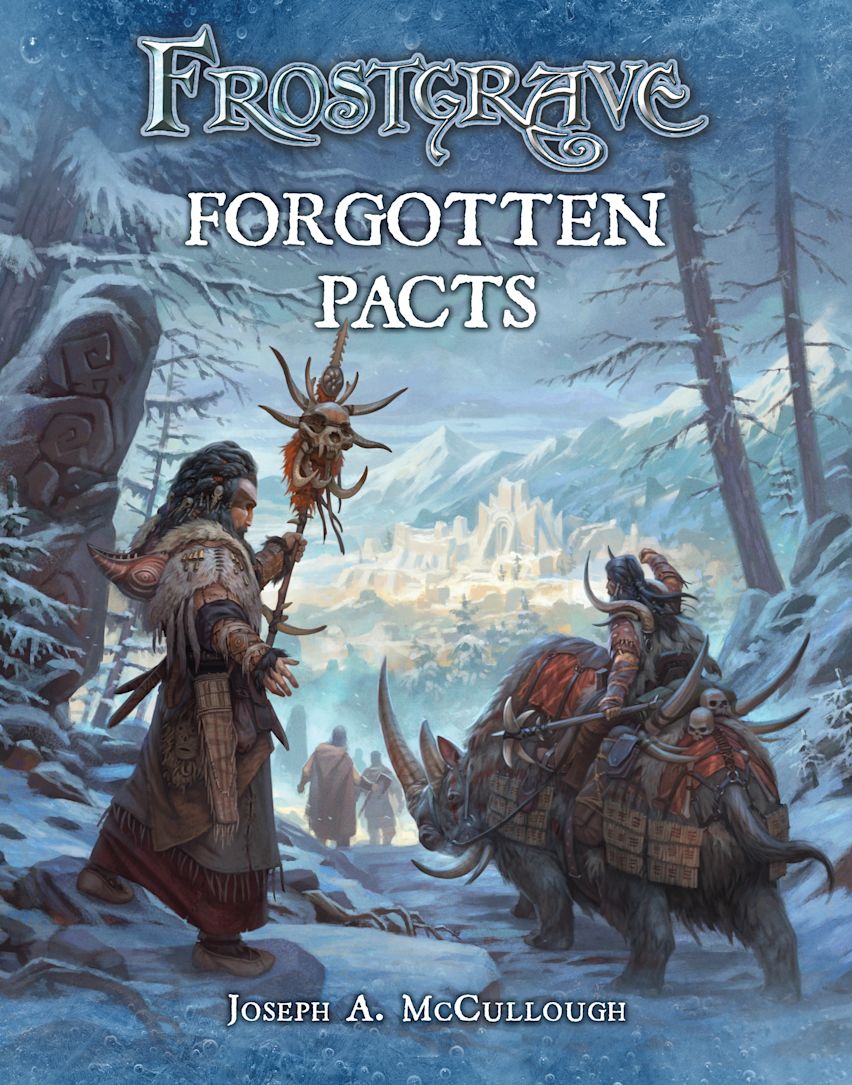
- Forgotten Pacts (2016), a book about demons
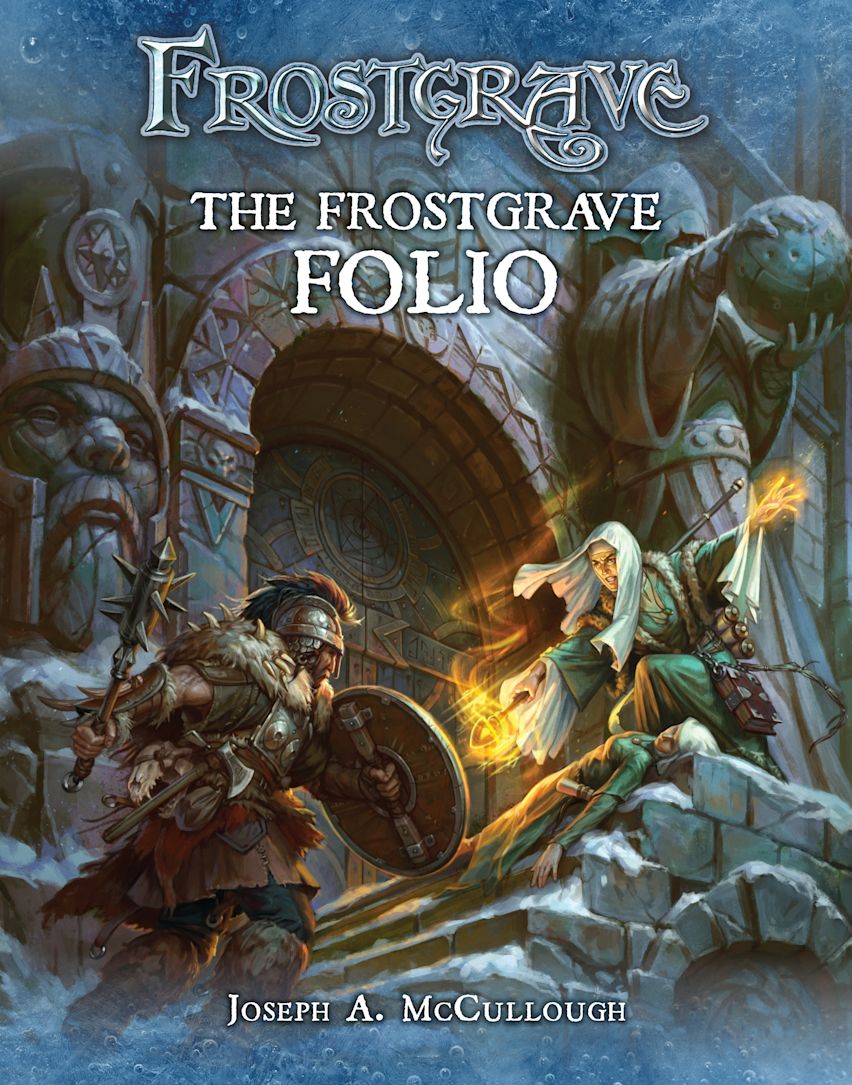
- The Frostgrave Folio (2017), a collection of five mini supplements (Hunt for the Golem, Sellsword, Dark Alchemy, Arcane Locations and The Ravages of Time)
- Ulterior Motives (2017), a deck of secret mission cards
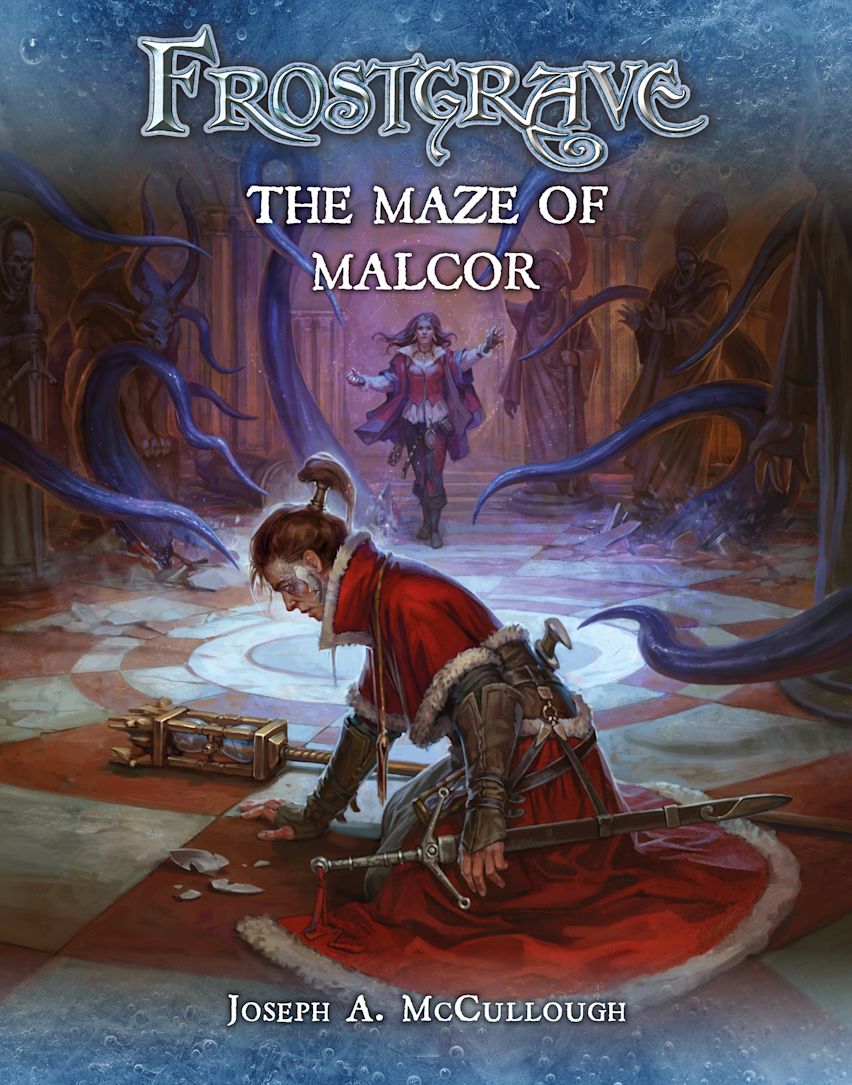
- The Maze of Malcor (2018), the five lost schools of the Pentangle and a twelve scenario campaign
- The Wizards' Conclave (2018), twenty scenarios by different authors
- Perilous Dark (2019), the book for solo and cooperative play

After the second edition, the following books were published for it, again in the order of their release:
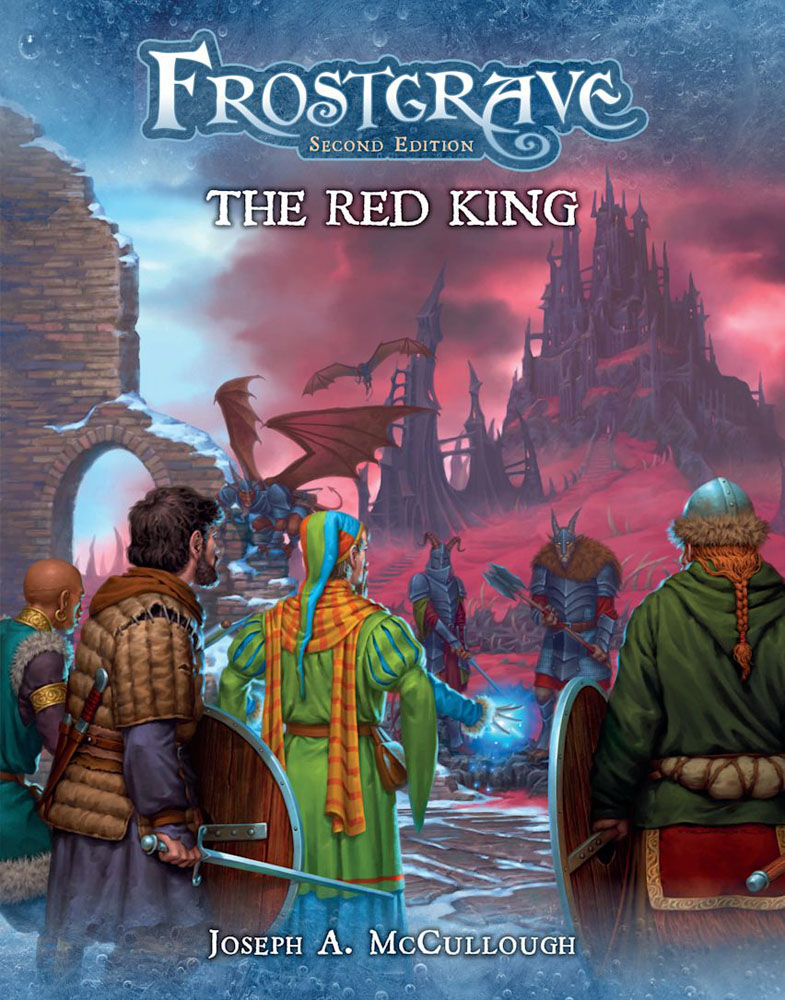
- The Red King (2020)
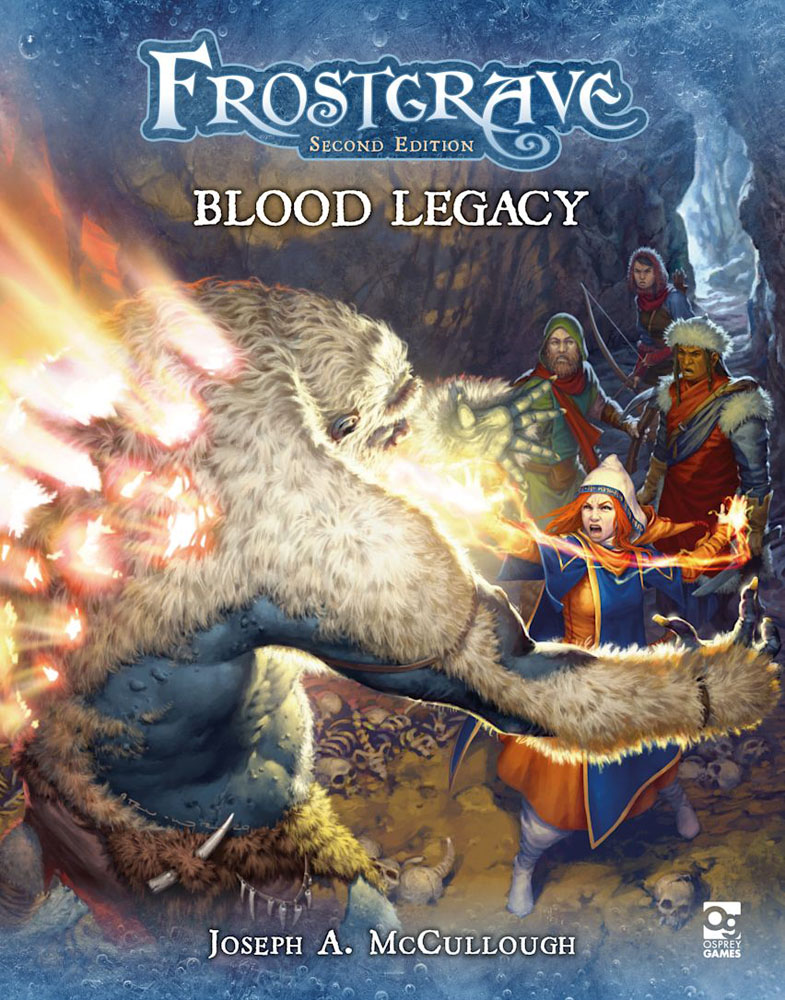
- Blood Legacy (2021)
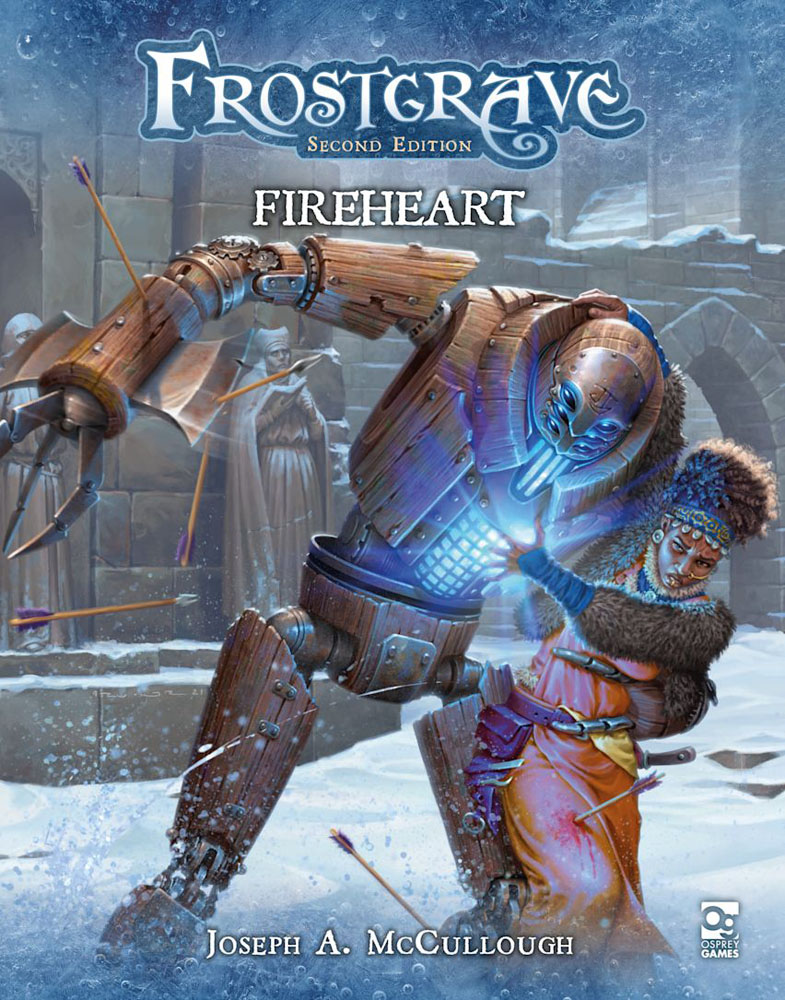
- Fireheart (2022)
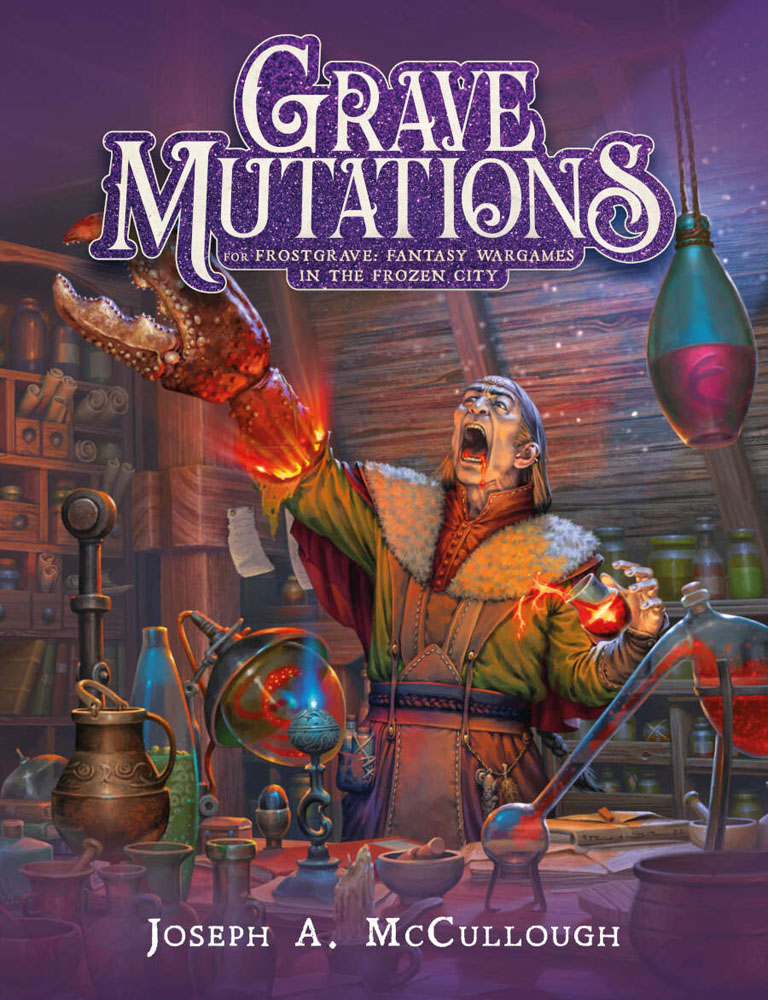
- Grave Mutations (2022), which is primarily a Frostgrave supplement but can also be used with Stargrave
- The Wildwoods (2023)
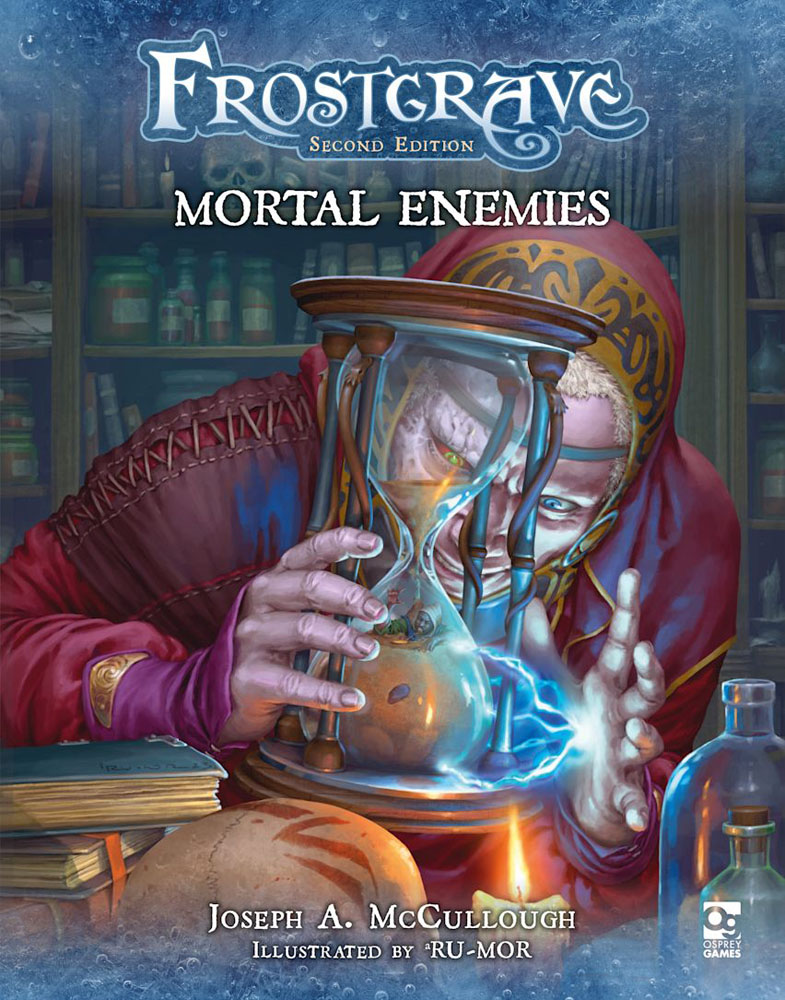
- Mortal Enemies (2024)
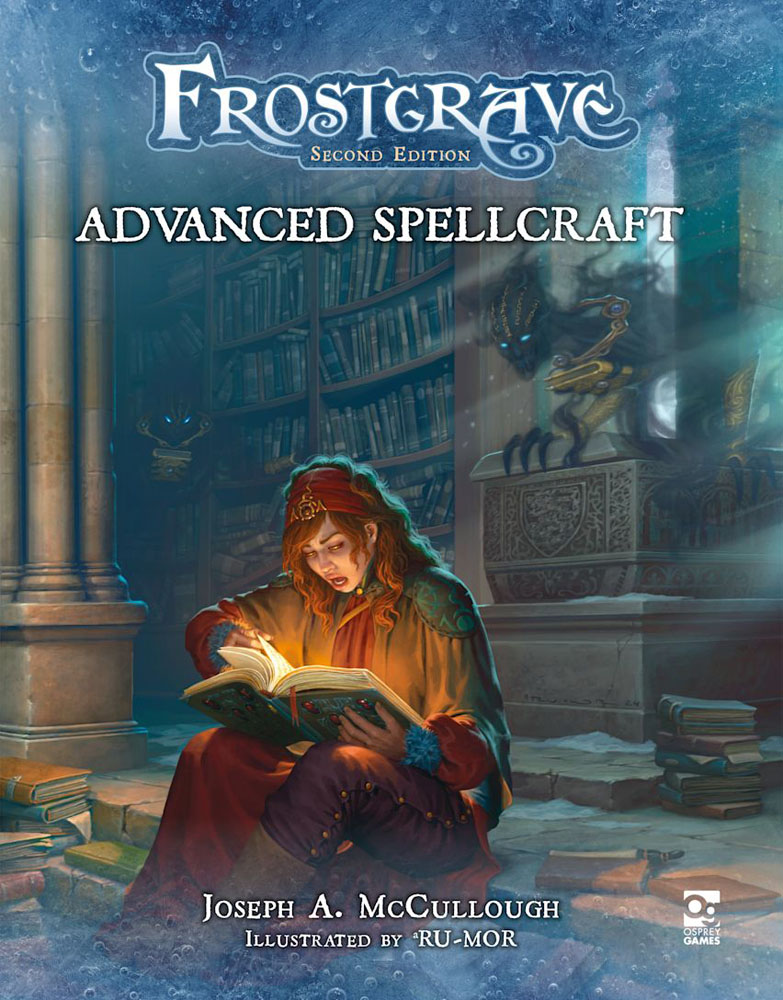
- Advanced Spellcraft (2025), the hardback for the tenth anniversary of the game
The next release is The Chthonic Sea with 128 pages, which is announced for 23 February 2027.
Conclusion
The Frostgrave core rulebook is still one of the most accessible entry points into (narrative) skirmish gaming that I know. You only need ten models to play, and if you do not have them, a Mordheim warband from the old days or some miniatures from most fantasy armies will do the job. If you start from scratch, the buy-in is small as well: a box of soldiers and a blister of wizards is enough for the first games. The rulebook has enough content for a lot more than two or three games, with ten schools, twenty scenarios and a campaign system that keeps a group or even just yourself busy for a long time.
For 25 GBP the hardback is a fair price. It costs about 10 GBP more than the Blue Books of Osprey, but for that you get a hardback and not a softback, a revised layout and more artwork, and I consider this money well invested. If you own the first edition and its supplements, you only have to replace the core rulebook, because the supplements stay valid. That is a nice difference from other systems, where hundreds of euros of supplements become obsolete with a new edition. The anniversary edition for 50 GBP is a good product for collectors and for people with a special connection to the series. It is not a must have for the normal player, and I like that Osprey did not lock any content behind it.
If you want a fantasy skirmish game with a low barrier of entry, a lot of freedom for your own ideas and a campaign that grows with your wizard, then you should take a look at the second edition of Frostgrave. Just be cool with the randomness of the D20.
Frostgrave is a brand of Osprey Games and North Star Miniatures.
The reviewed product item was provided by the manufacturer.
Enjoy this article?
Like us on Facebook

Follow me on Instagram

Categories
- battle report (5)
- events (217)
- fantasy (623)
- General (162)
- historical (658)
- Little Big Adventures (4)
- offtopic (5)
- reviews (562)
- science fiction (723)
- showroom (108)
- terrain (120)
- work-in-progress (427)










Leave a comment