Warhammer Fantasy – Through the Ages Part 2
In part one we followed Warhammer Fantasy Battles from three little booklets in a white box in 1983 to the End Times, when Games Workshop did the unthinkable and destroyed its own world. But the story didn't end there. It split into two paths: Age of Sigmar, the new game that replaced Warhammer Fantasy in 2015, and The Old World, which brought regiments and square bases back in 2024. So let's pick up where we left off.
2015 Warhammer - Age of Sigmar
All of this was answered in July 2015 with the release of Warhammer - Age of Sigmar. The regiments were gone, square bases were gone, the lore was gone ... well, altered and "further" developed. In the beginning there weren't even points. Balance was left to scenarios and sudden death conditions for uneven armies, until the General's Handbook introduced matched play points in 2016. The game was more of a platoon sized skirmisher, than the mass combat experience of Warhammer Fantasy Battles. But that was the point, the world had changed. Games Workshop transferred a lot of the experience they made with 40k towards their new fantasy universe.
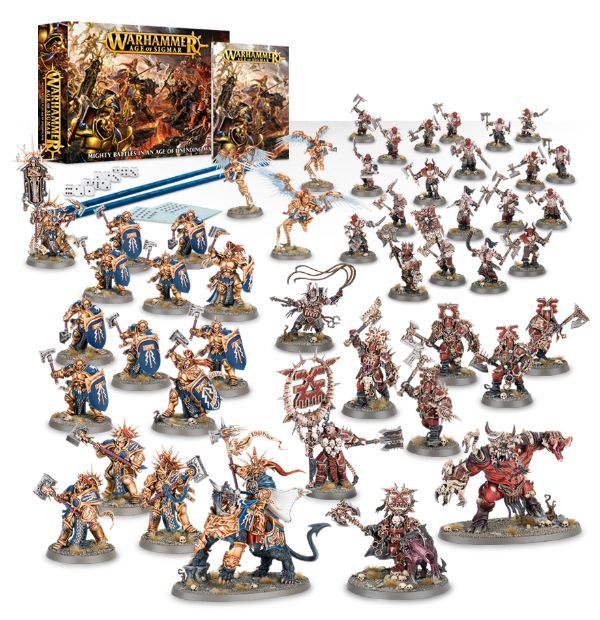
2015 Warhammer Age of Sigmar - 1st Edition Launch Box
The first starter set pitted the Stormcast Eternals against the Khorne Bloodbound. The core rules came on just four pages and were free to download, square bases became round, and army books were replaced by warscrolls – one profile per unit with everything you need. An idea that 40k adopted two years later with the datasheets of its 8th edition.
Warhammer Fantasy was too close to generic high fantasy, and with many of the races just being fantasy-variants of historic armies, they couldn't develop and protect their IP as they did with 40k. For that reason a lot of the faction and unit names were replaced with weird-sounding names they could trademark. And remember from part one that, reportedly, half the turnover was generated by 40k and half of that by Space Marines. That certainly shifted even more towards Space Marines. Why not recreate that in fantasy, give them fantasy-space marines, Stormcasts, also called sigMARINES, with their own chapters and such to recreate the 18 different legions with thousands of variants in later foundings. That was the plan, but didn't work on that scale as they hoped it would. It is a nice range, but certainly not as popular as the original Astartes. Beyond that, the new realms should provide players with more flexibility to integrate their own ideas into the fantasy world, but to be honest, I never felt limited by the Old World. You could do research and do a great thematic army, use bits and pieces from the lore, fill in the blanks with your own ideas. In Age of Sigmar, I feel there is not enough to connect those ideas to. I tried to with my Warcry project and even though going through the army books of the Stormcasts, I couldn't build a connection. Especially in comparison to 40k, where the lore is immensely deep, with all the Black Library publications, novels, audio books and so on. Age of Sigmar does not provide this, and even Warhammer Fantasy struggled to provide something similar.

And while Age of Sigmar, at the beginning surely had a much lower entry barrier compared to Warhammer Fantasy, it got bigger with the releases of the 2nd edition in 2018 and 3rd edition in 2021, threw in monsters, rather open rules for allies and the use of bigger models, so that you can justify buying that big boxed sets for nearly everybody and they surely have to keep an eye to not lead AoS to a similar point where WHFB moved into a deadlock.
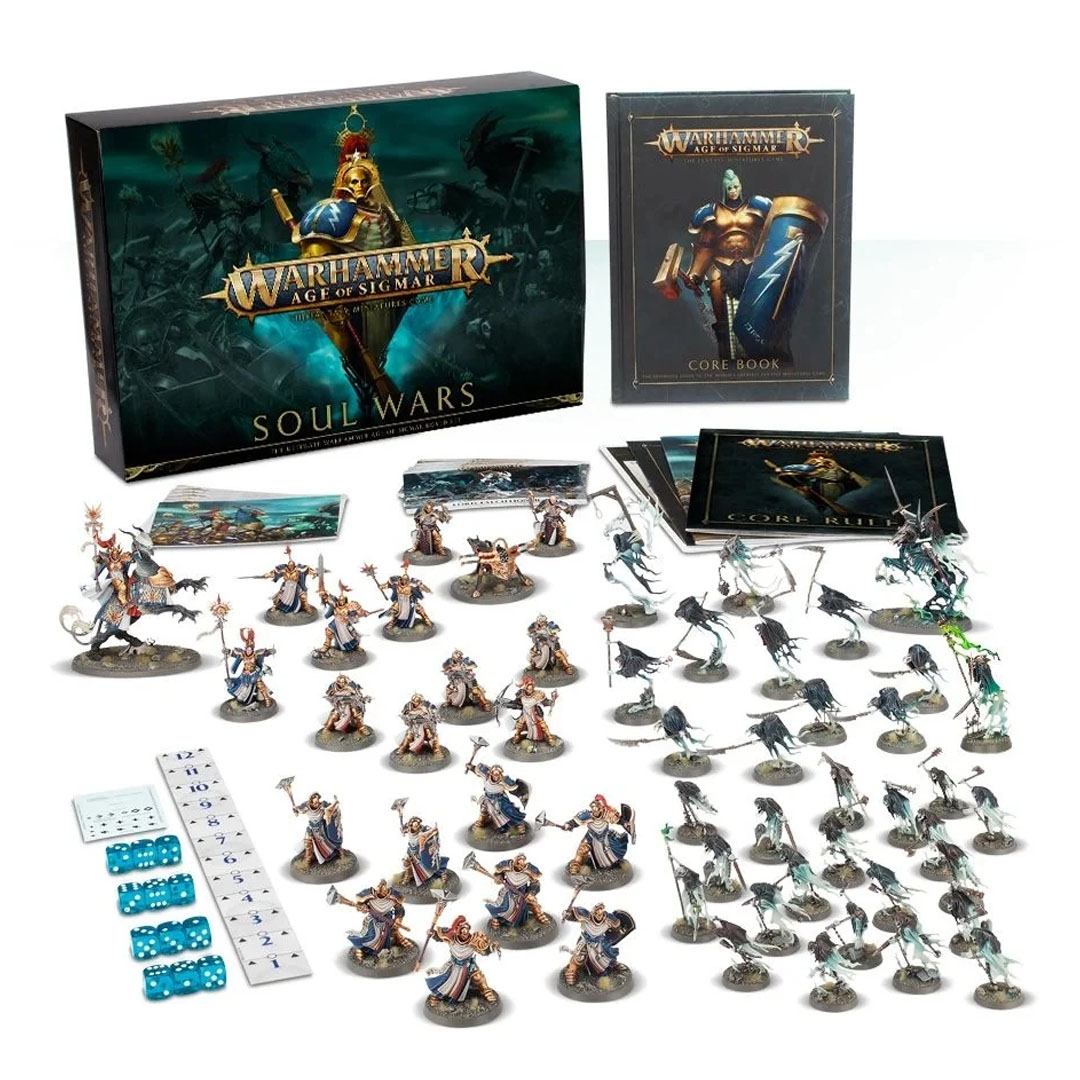
2018 Warhammer Age of Sigmar - Soul Wars (2nd Edition Launch Box)
The 2nd edition launched with Soul Wars, pitting the Stormcast Eternals against the Nighthaunt, and added endless spells and command points to the game.
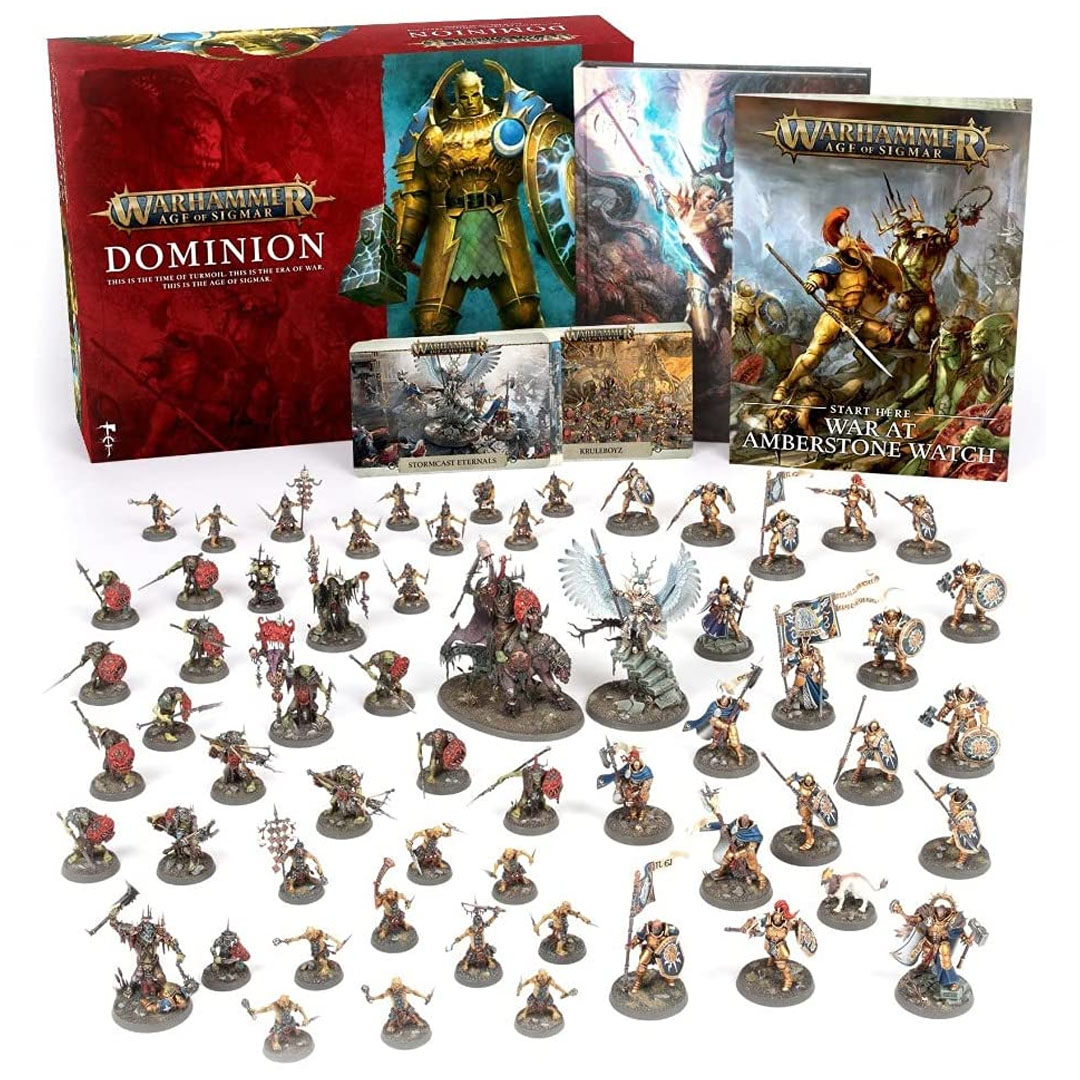
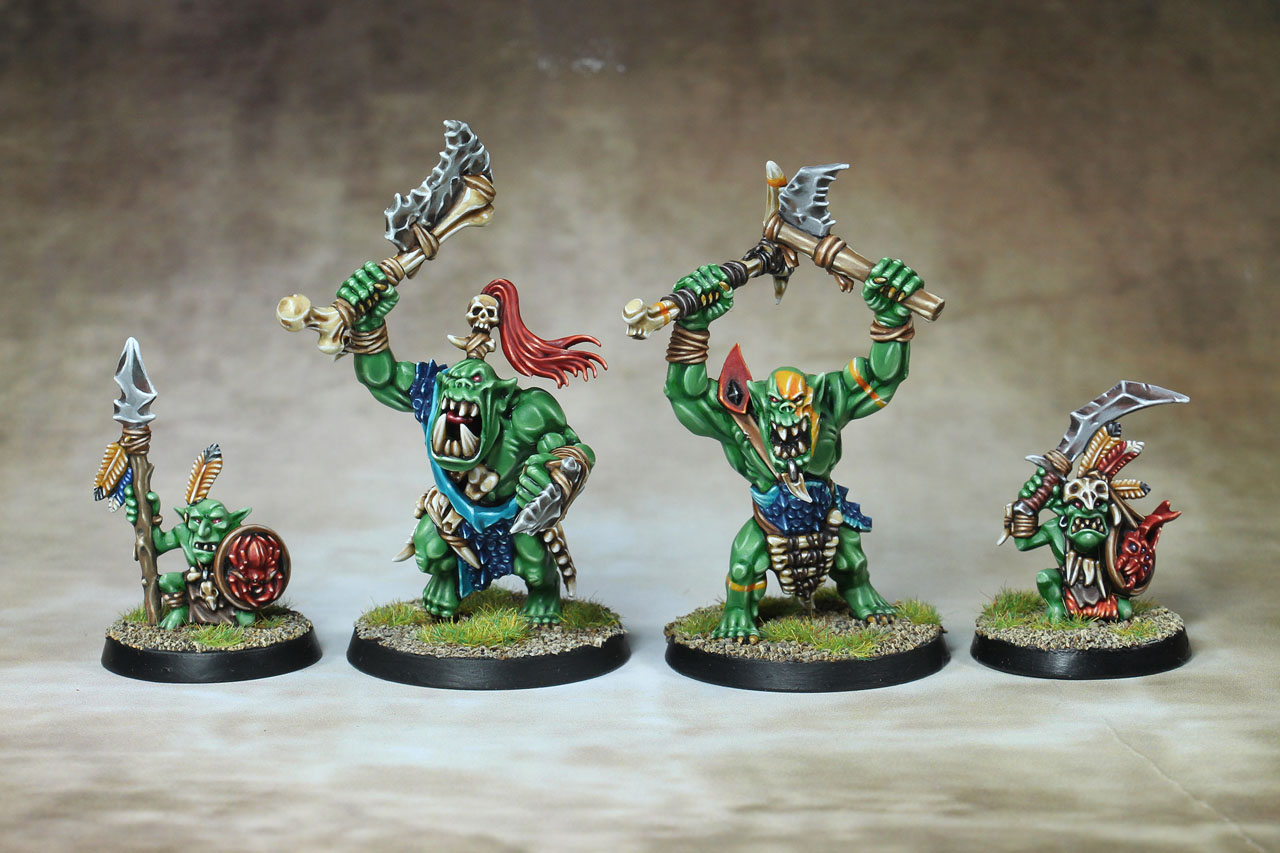
2021 Warhammer Age of Sigmar - Dominion (3rd Edition Launch Box)
The 3rd edition followed with Dominion, Stormcast Eternals against the Orruk Kruleboyz. The core rules roughly doubled to about 38 pages and clearly leaned towards experienced players, which only added to the rising entry barrier. And while a lot of other boxes, especially for 40k, sell out very quickly, Dominion had a very large print run and was heavily discounted by retailers to be absorbed by the market at all. When Hachette's Stormbringer magazine brought even more Dominion stock into circulation, second-hand prices never really stabilised, especially as the next box already marked the third design update for the Stormcast Eternals.

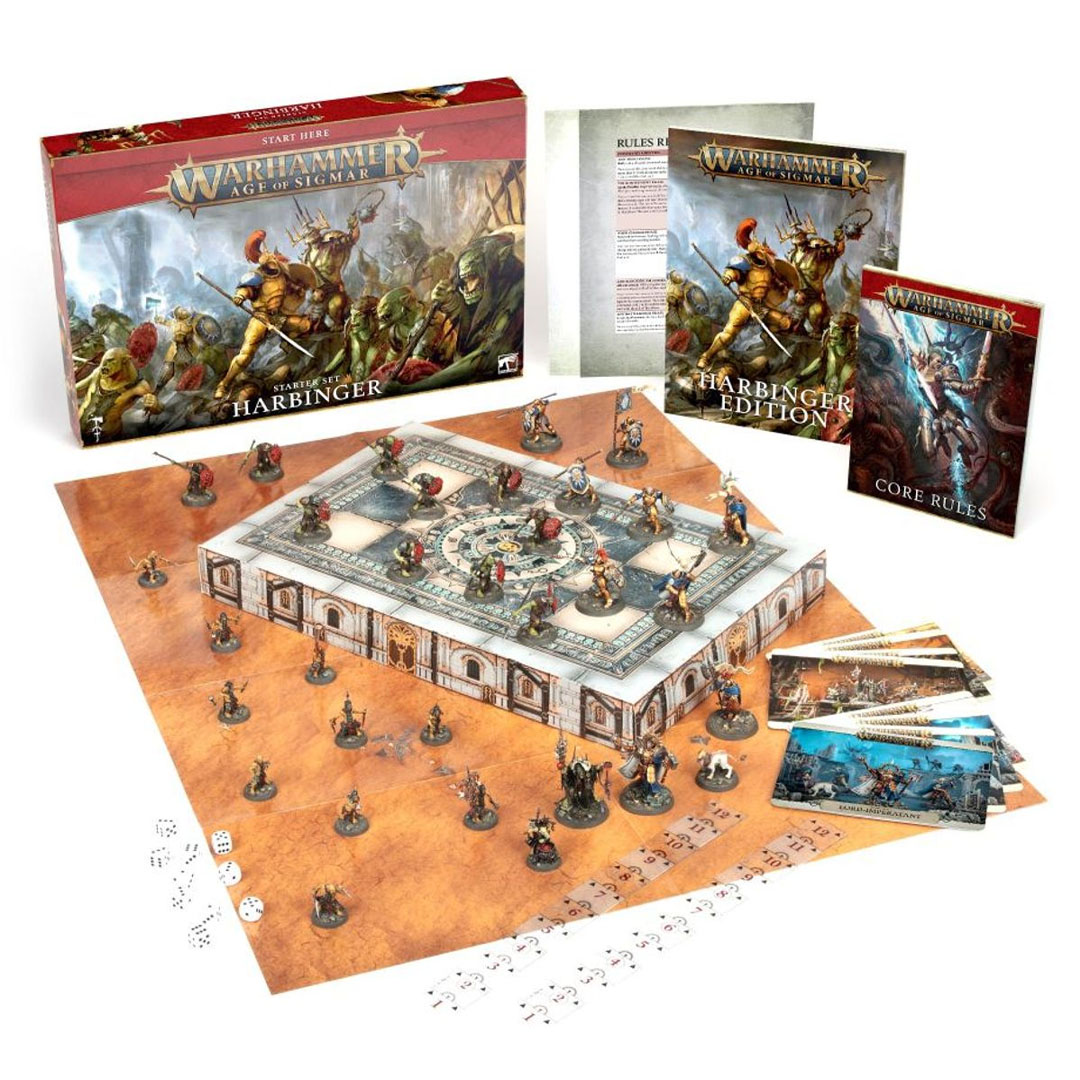
2024 Warhammer Age of Sigmar - Skaventide (4th Edition Launch Box)
In 2024, the 4th edition followed with Skaventide, Stormcast Eternals against the Skaven. It streamlined the rules again and added Spearhead as a smaller, faster way to play, a direct answer to the entry barrier. Some older factions like the Beasts of Chaos didn't make the jump. As of autumn 2026, Age of Sigmar is still in its 4th edition: in April 2026 the City of Ash box (our review) pitted Cities of Sigmar against Skaven as two Spearhead forces, and following the three-year release cycle, the next edition should arrive in 2027.
And while Age of Sigmar surely is a more flexible game, with a lower entry barrier and appealing to a younger audience, it simply is not Warhammer Fantasy and not a game of regiments. And there is a demand for that, the popularity of other rule sets like Kings of War, or the aspect that the Warhammer Fantasy Community simply kept on going with 9th Age, and a huge list of stand-ins and alternative models for the discontinued ranges. Games Workshop noticed this and began plans on how to deliver on this special interest topic, and to recreate the Horus Heresy success for their Warhammer Fantasy brand - thus announcing Warhammer - The Old World in 2019.
Another factor often mentioned is the success of Total War: Warhammer. The video game series brought the setting to a whole new audience who had never seen the tabletop game, and notably not Age of Sigmar, but the late era of Warhammer Fantasy, End Times included. In that sense, it does more for The Old World today than for the game that replaced it.
And that brings us back to 2019. With The Old World, Games Workshop set out to create a fantasy version of the Horus Heresy. But that comparison has a catch from the very beginning.
The Horus Heresy was born out of necessity. Back in the late 80s, Games Workshop didn't have the funds to produce different sprues and miniatures for both sides of Adeptus Titanicus / Space Marine, so they needed a reason why both armies would use the same models, and created a civil war. When they went for the update in 28mm, the Badab War (a conflict we're going to cover on here as well) tested in 2010 whether a Space Marines vs Space Marines scenario would find customers. The actual Horus Heresy followed in 2012 as a passion project with Forge World resin releases only. It took three years for the first plastics with Betrayal at Calth (2015), and ten until the full plastic relaunch with the 2nd edition in 2022, and even then the pace was criticised by the players. Today it is a brand with a beautiful narrative, where most releases can be used by 80-90% of the customers for their 18 different legions.
That is hard to replicate in Warhammer Fantasy, even with 20+ years of plastic moulds at hand. The core difference is symmetry. In the Heresy, a Mk VI sprue or a Rhino sells to almost every player, whatever their legion. In the Old World, every faction needs its own kits: a Tomb Kings chariot sells to Tomb Kings players only, a Bretonnian Pegasus Knight only to Bretonnians. Nine or more asymmetric armies in a specialist game is a very different business case. That is exactly why sprues tooled in 1998 and made-to-order runs played such a big role at the start, rather than an updated range with the aesthetics of the 2010s.
The lore faces a similar challenge. The Old World is not a continuation, but a prequel, much like the Heresy for 40k. The game is set around the year 2276 of the Imperial Calendar, roughly 250 years before the Old World we knew and a few decades before the Great War against Chaos. The rulebook's timeline starts with the arrival of the Old Ones and ends just before the Siege of Praag. Many famous names simply weren't born yet: no Karl Franz, no Magnus the Pious (yet), while immortals like Settra or Orion are around. The Empire is a divided realm. According to the writers, the Age of the Three Emperors is over and has given way to an uneasy anarchy of bickering Elector Counts and city-states. Without the Colleges of Magic, wizards are a lot less organised than we remember them. For GW this has a clear advantage: new characters and conflicts in a setting familiar enough for veterans, without retelling a story we already know the ending of. Yet a few decades of political squabbling are simply less epic than a galaxy-spanning civil war between the Primarchs, and there is no comparable body of novels behind it. Just compare it to the Black Library catalogue for the Horus Heresy (our overview of the Horus Heresy novels).
So while I was excited about the new narrative, I recommended keeping expectations reasonable. The Old World launched in January 2024 with two full armies: the Kingdom of Bretonnia and the Tomb Kings of Khemri, exactly the two factions that were dropped in 2015. Each was available as a Core Set edition with the rulebook. The remaining armies were covered by two army list books with very familiar names, Forces of Fantasy and Ravening Hordes (see part one), while factions without a dedicated range were moved to Legacy lists.
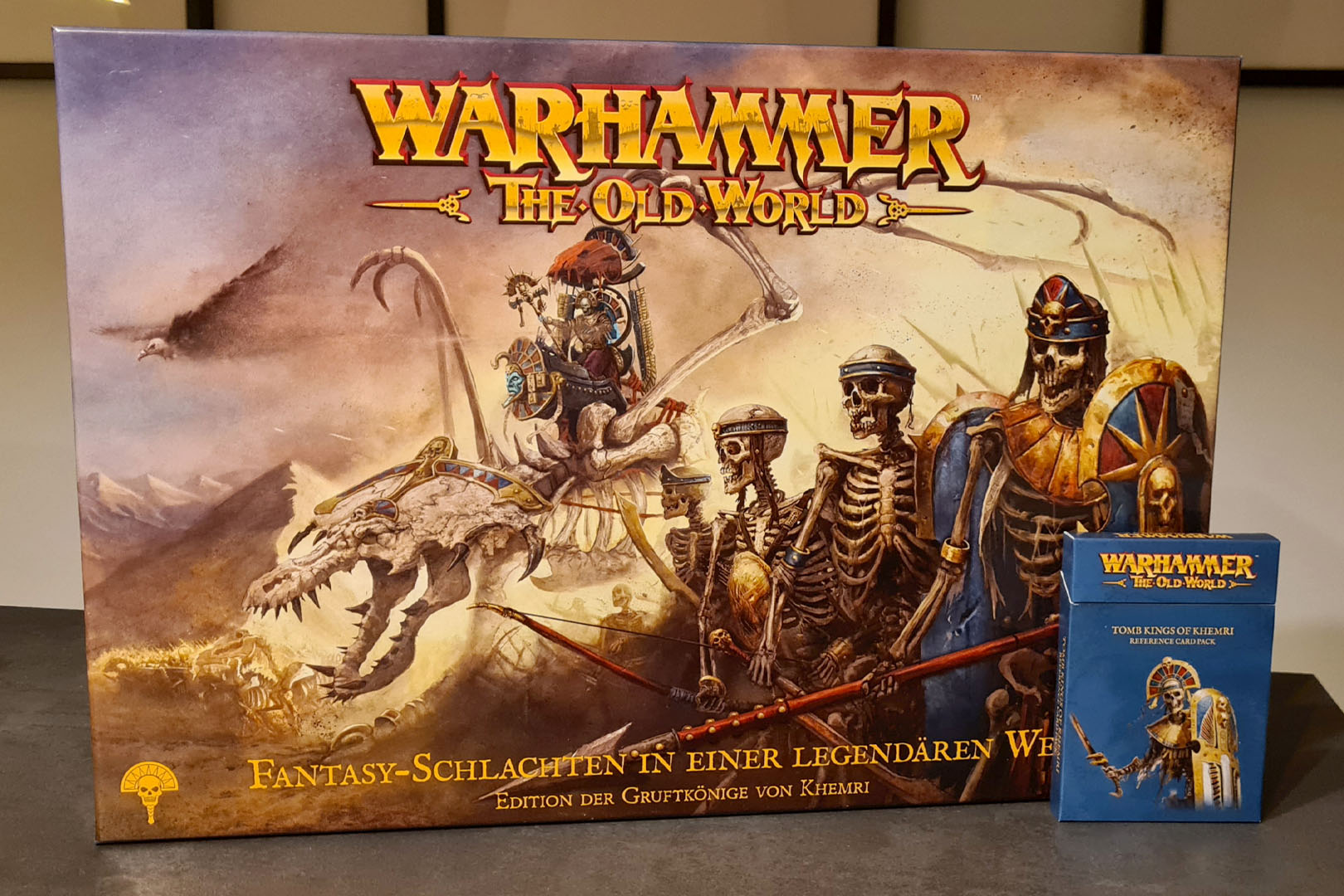
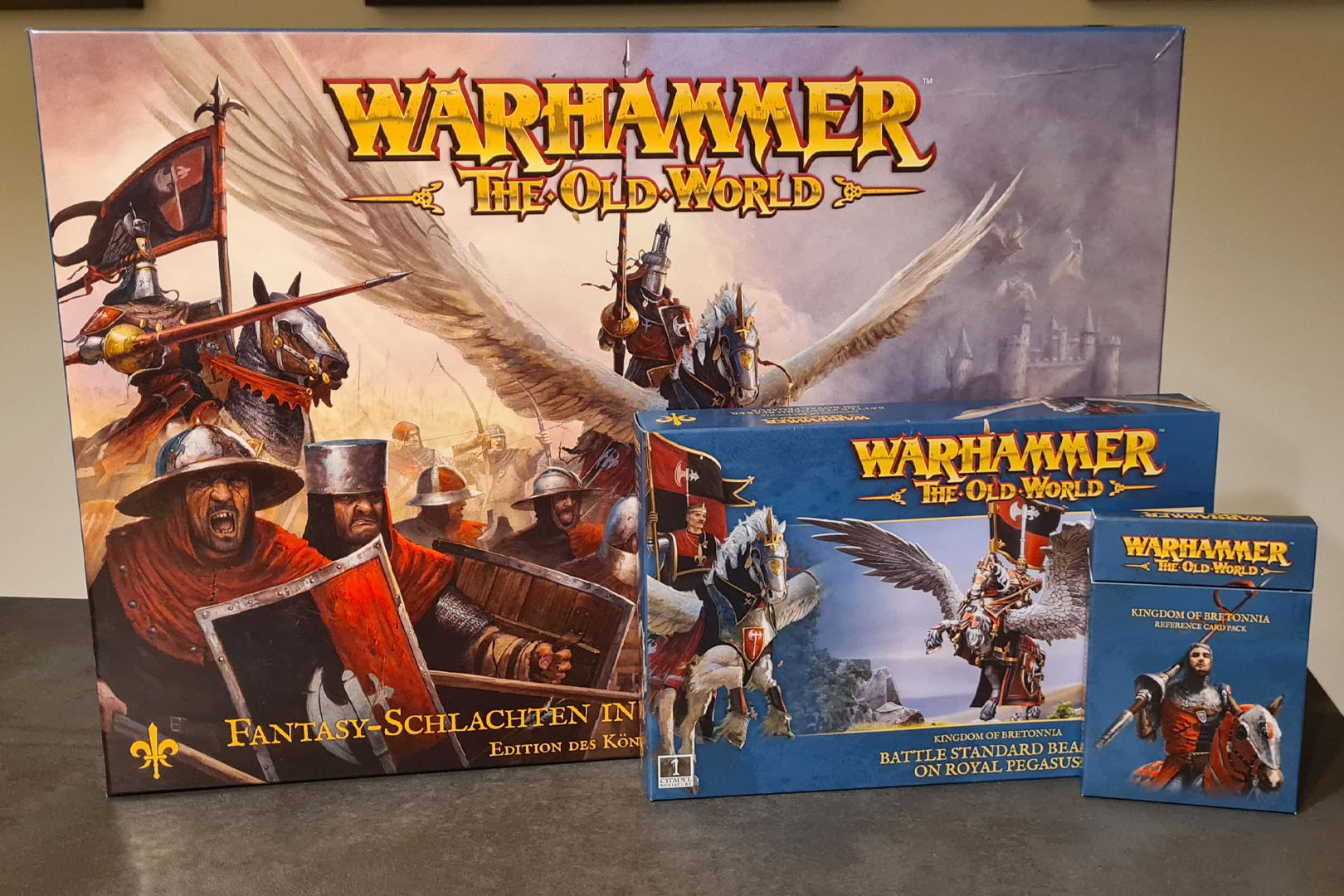
The start was bumpy. On pre-order Saturday I had to wait 45 minutes just to access the store and look up the shop links for our reviews. A lot of independent retailers received far less stock than they ordered, and by around 1 pm most of the Bretonnian range was sold out, with the Tomb Kings following later. Further down the line people realised that the Legacy lists wouldn't be supported, which was a bigger issue for many players than the question of tournament legality. And with old moulds, finished designs and made-to-order runs, it looked like Games Workshop was mainly tapping its archive with very little upfront cost.
Rule-wise, The Old World stays close to 8th edition, with some modifications. That game is more than 15 years old, and a lot has happened since: three editions of Age of Sigmar, other mass combat systems and the development of 9th Age, which didn't go unnoticed by the game designers. Army building follows 8th edition as well, with Characters (up to 50%), Core (at least 25%), Special (up to 50%, with some units limited to 0 to X per X points) and Rare units (up to 25%, with the same kind of limitations). On top of that come individual budgets for Mercenaries (up to 20%) and Allies (up to 25%). Most noticeable is the upsizing of the bases. 20mm squares are gone, everything is on at least 25mm square, and a lot of cavalry moves from 25x50 to 30x60mm. Units get a bigger footprint, but the models finally have room for their poses. No more playing tetris with miniatures that overlap their bases by a lot, just to get them into rank and file, shoulder to shoulder. Kings of War solved that quite well with multibases, not just for optics but as a gaming mechanic.
I'm not alone with that impression: Tale of Painters described the rulebook as a "best of" of the past editions with clear Warhammer Fantasy DNA, close to 8th edition, but not a copy of it. Still, the system has to prove it is not just the bloated beast of the 8th edition with a time-shifted narrative. And most importantly, don't mix up two things: Old World is not Oldhammer, far from it.
So, were my expectations too low? Partly. Looking back, the launch was a pilot, and a successful one. 2025 turned out to be a busy year, with a lot of new books and the full release of Grand Cathay, a completely new faction. After a much quieter first half of 2026, the Big Summer Preview announced a new Core Set with a revised rulebook: an all-new Warriors of Chaos range against Cathay. It was released in July 2026 alongside a two-headed Chaos Dragon and Battle March boxes for both factions. The Big Autumn Preview then announced a renewed Tomb Kings range, for models that were available in masses as re-released sprues from 1998 only two years earlier. The Bretonnians are expected to follow in 2027. That is a lot more than just tapping the archive.
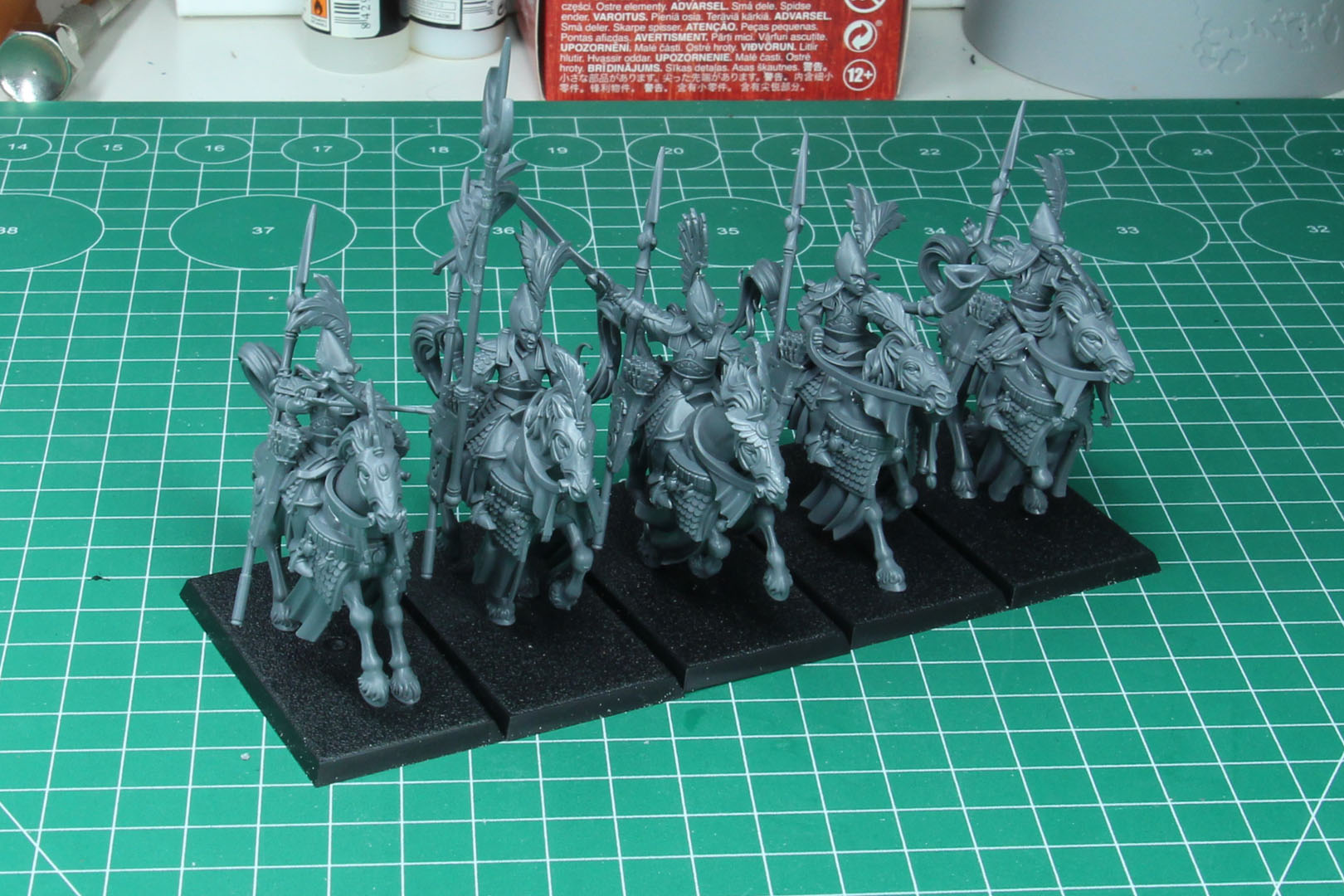
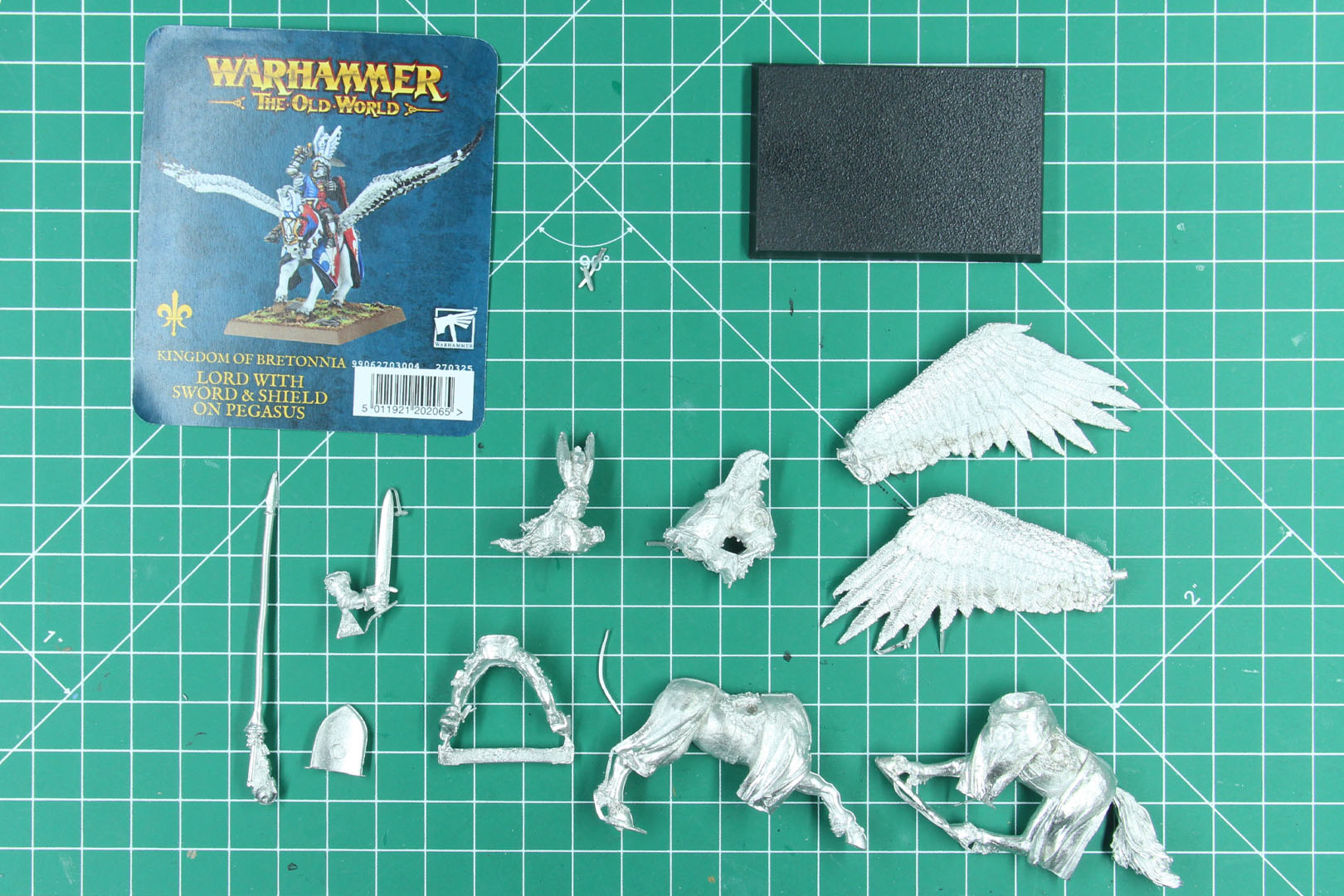
Today, The Old World has a stable following and a sensible balance between supply and demand. It has a miniature range of its own and occasional made-to-order runs, with prices ranging from reasonable to completely outrageous. The downside is the rules. Instead of proper army books, they keep arriving as Arcane Journals, a salami-slicing approach that feels more like DLC than a complete release. The new models are technically well made, although some kits are rather demanding for newcomers. And for some factions the range now spans more than two decades, which means different scales as well as different designs side by side.
Personally, The Old World hasn't won me back. Its scope is simply too big for me, and the newer models in a more "realistic" heroic scale don't match my personal picture of Warhammer Fantasy. But I do enjoy the chance to get my hands on things I missed back in the day through made-to-order runs and accessories, even if a lot of it mainly fuels the next round of scalpers and even higher eBay prices. The re-released terrain pieces in particular got me excited, and I would love to see the classic Warhammer Fortress return. I even own part of the siege equipment.
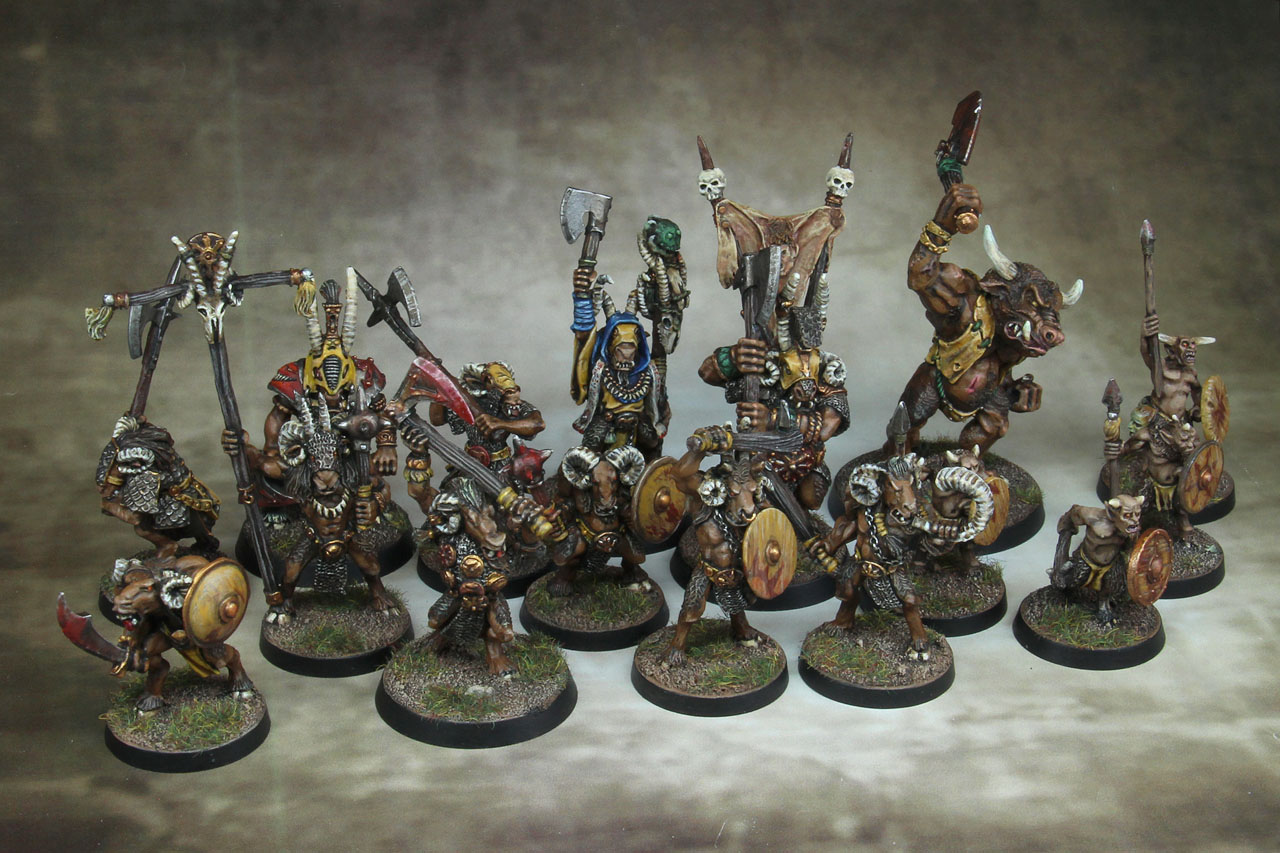

And I believe a stable standing needs more than fancy miniatures. What Warhammer is missing is the saga, especially in Age of Sigmar, where none of the Stormhosts has come anywhere close to the popularity of the Space Marine Chapters. And as other races, the Dwarfs for example, are pushed so forcefully away from the classic fantasy templates for IP reasons, they struggle to win people over.
43 years after three booklets in a white box, Warhammer Fantasy has taken two very different paths. Age of Sigmar went big, bold and heroic, and has built its own generation of players over more than ten years. The Old World went back to regiments and square bases, but it is not a time machine. Old World is not Oldhammer, and it doesn't have to be. For the first time since 2015, both games exist side by side, so nobody has to choose. Whether you push Stormcast across the Mortal Realms or rank up your knights on square bases, enjoy the rules, enjoy the miniatures, but most importantly enjoy the time you spend with your hobby.
Enjoy this article?
Like us on Facebook

Follow me on Instagram

Categories
- events (211)
- fantasy (611)
- General (161)
- historical (647)
- Little Big Adventures (4)
- offtopic (5)
- reviews (552)
- science fiction (713)
- showroom (108)
- terrain (119)
- Uncategorized (1)
- work-in-progress (423)










Leave a Reply