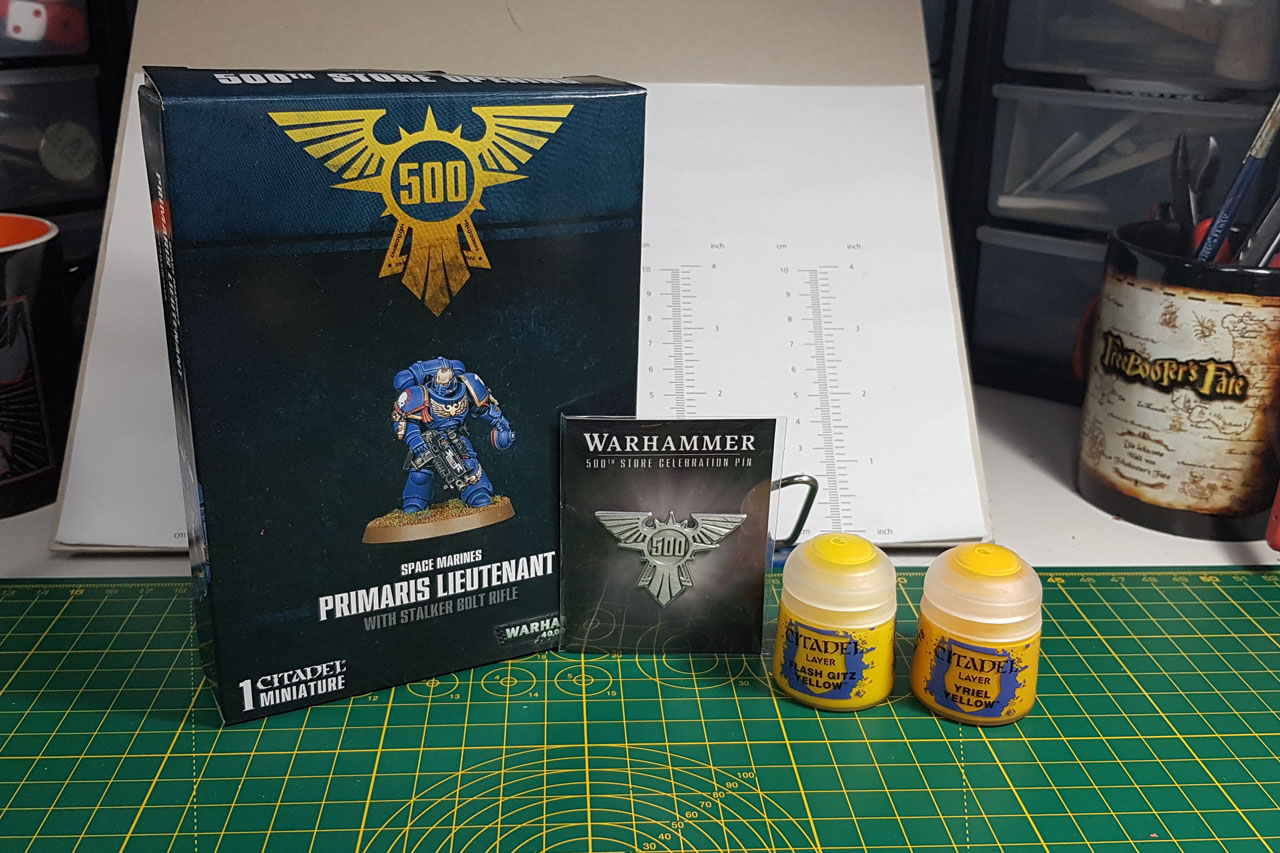
Last Weekend Loot for O(r)ctober
It was a buzy weekend for the postman. During the week and on saturday a couple of smaller packages arrived, but I just had the time today to actually take a closer look on them. Was a bit buzy myself with the last touches on the Speed Freeks review and Saturdays visit to Spiel in Essen.
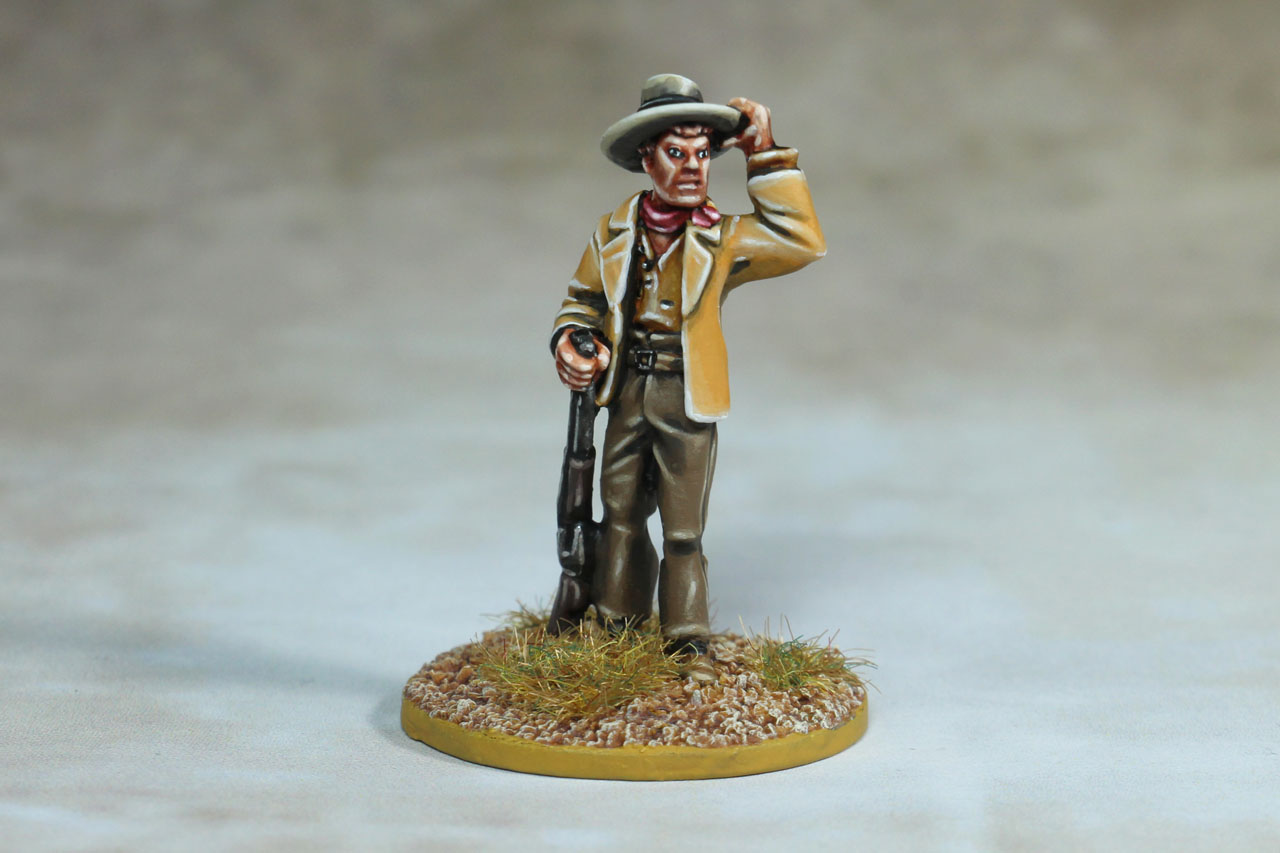
Dead Man’s Hand: Outlaws – Part 7
With Frank McMiller, the trio of McMiller's sons is complete. All in all, I used the same color scheme as on Eugene or Seamus to establish a visual connection.
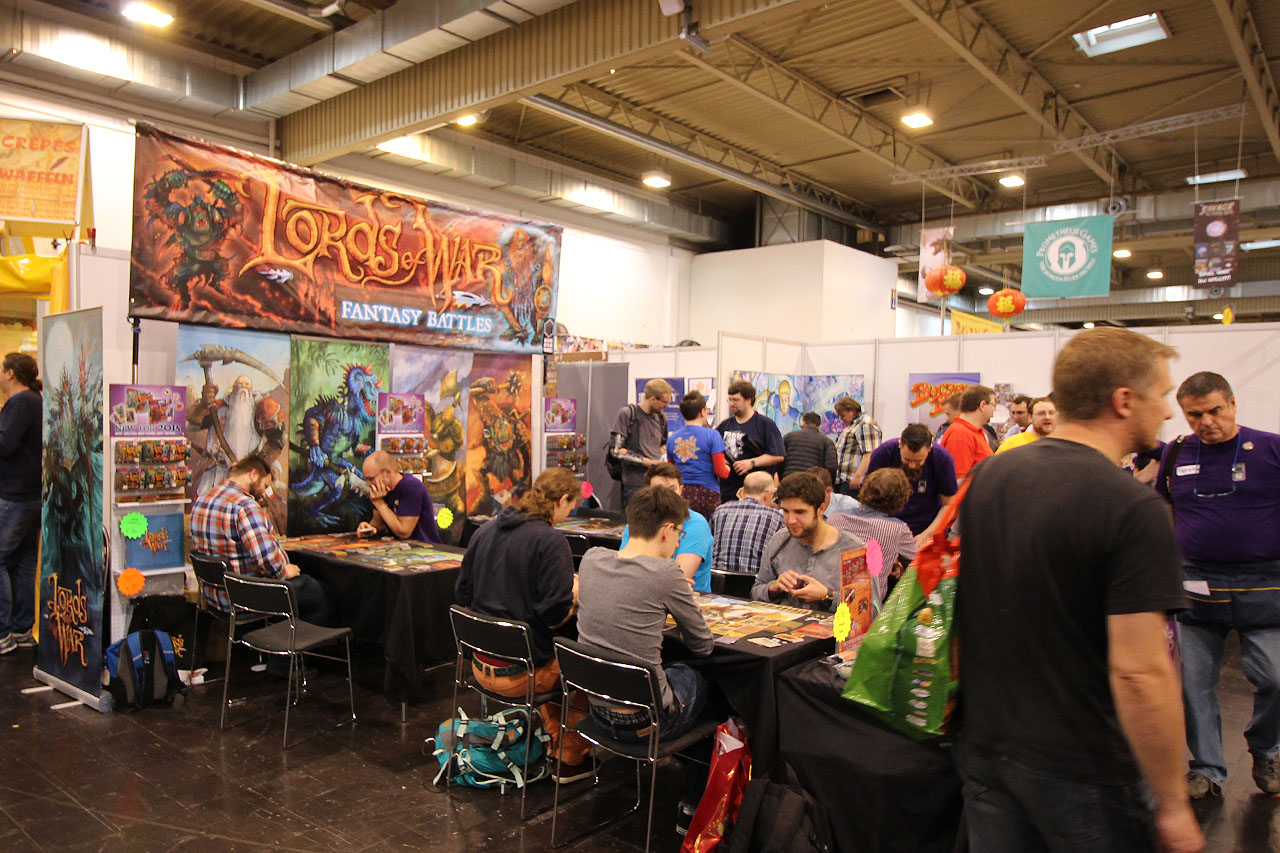
Spiel 2018 Preview
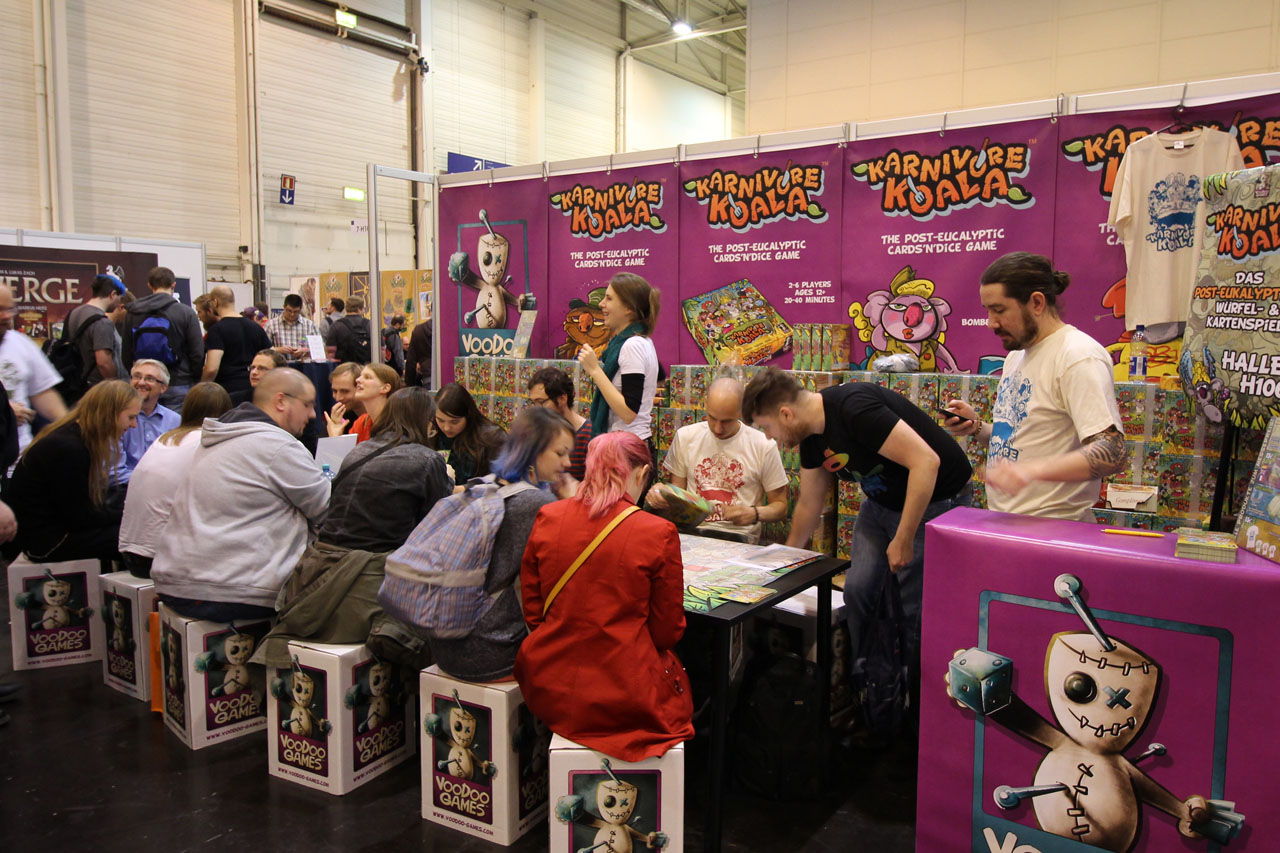
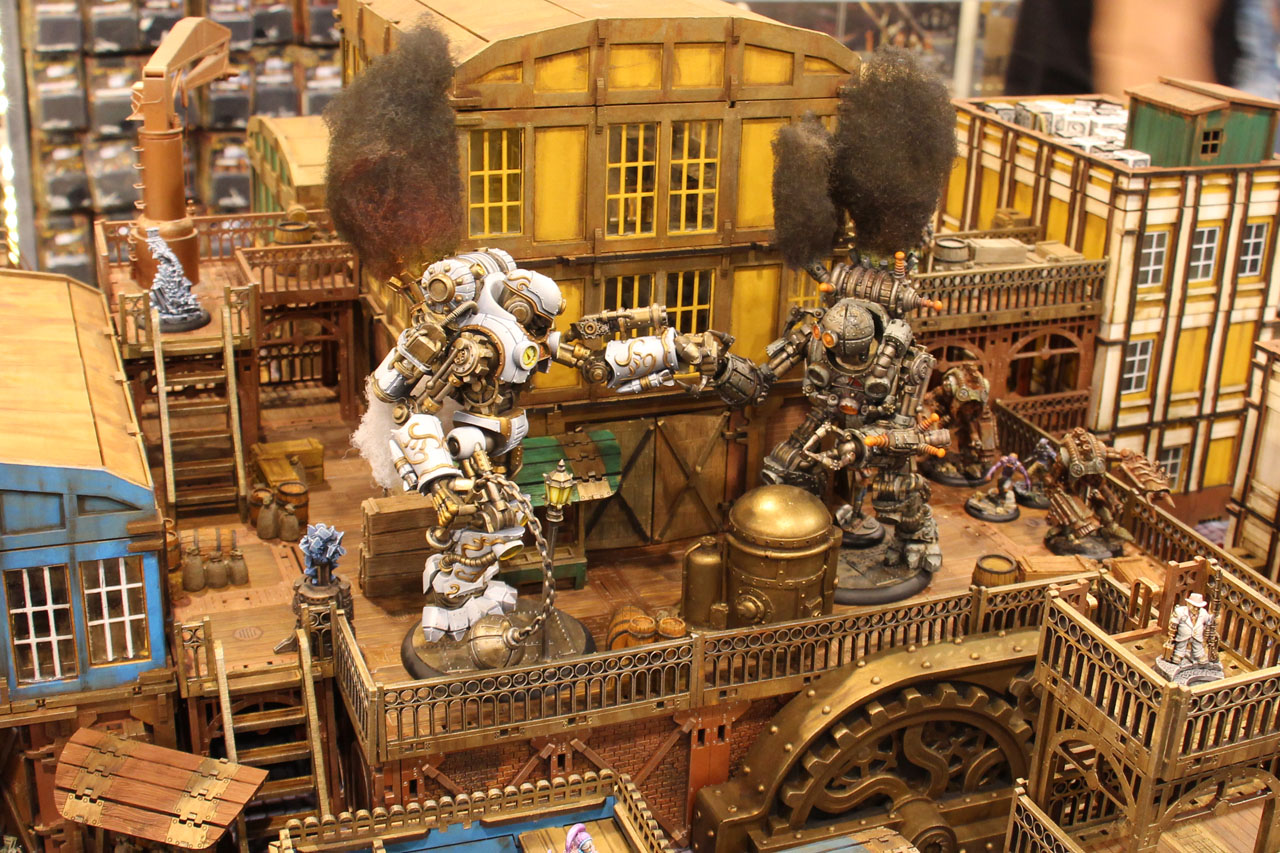
This Thursday, the October 25th, Spiel starts again. It is the largest board game con in Europe. You can download the Spiel Guide for the show here for free.

It's been 3 years since the last time I've been there, and I've covered it on here, Spiel 2015 Part I, Part II and Part III.
Dead Man’s Hand: Banditos – Part 1
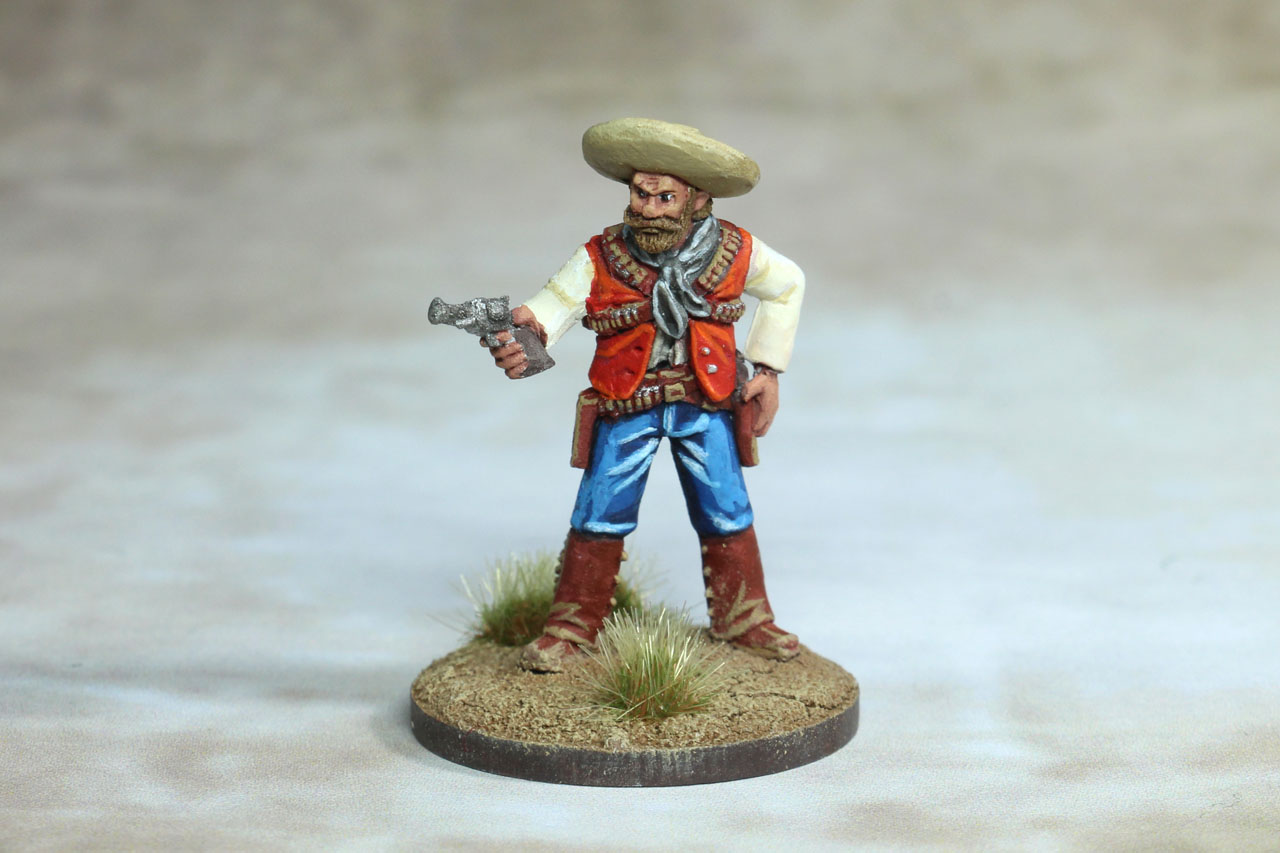
Even though one of McMillers gang members still haven't been introduced, it's time to turn the attention to the antagonists. Finn will take over at this point and introduce his Banditos by himself and continue our common storyline in Dead Man' Hand.
After I had a long hobby break, Dino spured my interest again. I liked the idea to start a Skirmisher as a joint project and so I began to gather a posse in the Wild West. The models are all from Great Escape Games. So far I had painted only Space Marines and admittedly not very well. I chose to get back into painting by consuming numerous tutorials. For the color concept I wanted to keep the posse quite colorful, they should look like a mixed up bunch, which only had their Mexican roots in common. At the same time, they had a lot in common through the many typical Western leather applications.
Modern Combat Tamiya 1:48 Humvee
After watching Sicario 2 - Day of the Soldado and enjoying that amazing Behind the Border scene with the HUMVEEs and mexican police, modern combat came strongly back to my head.
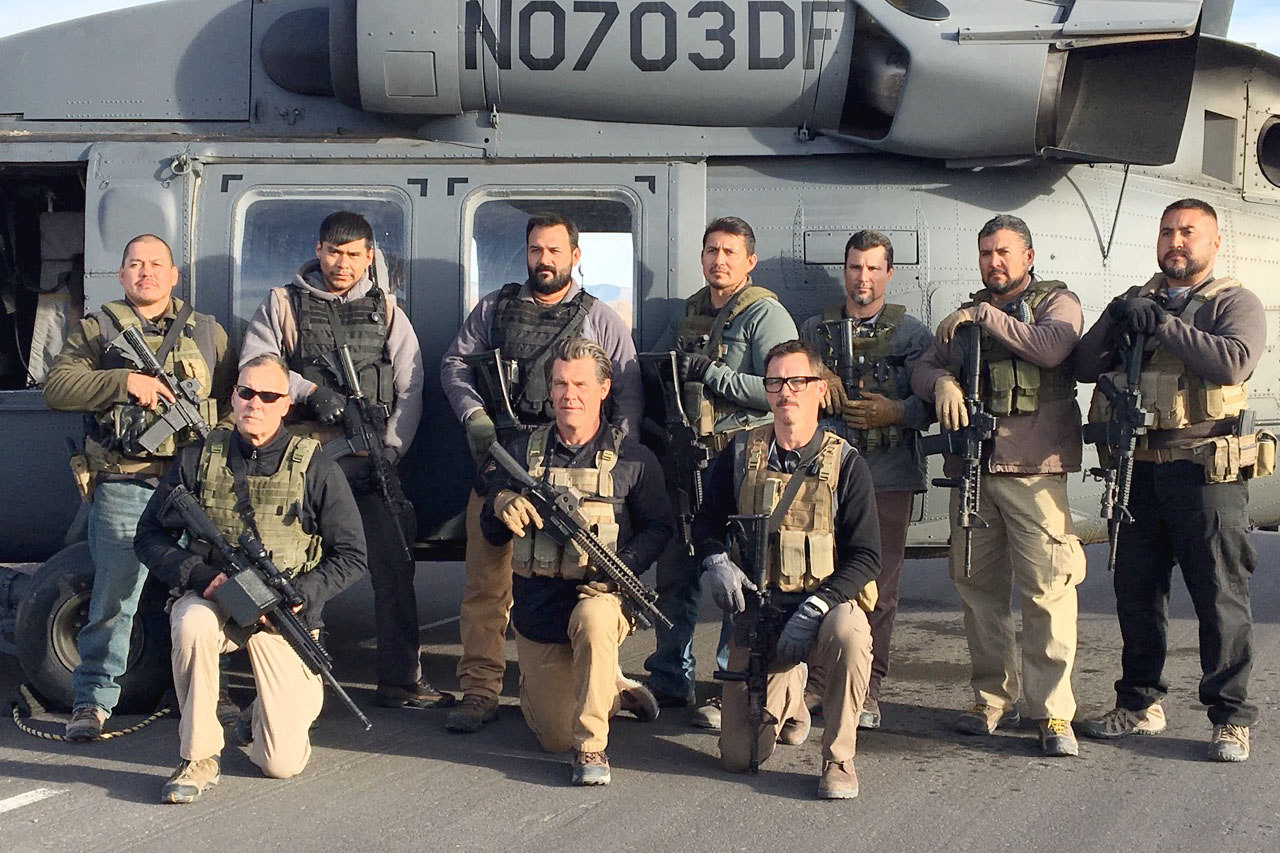
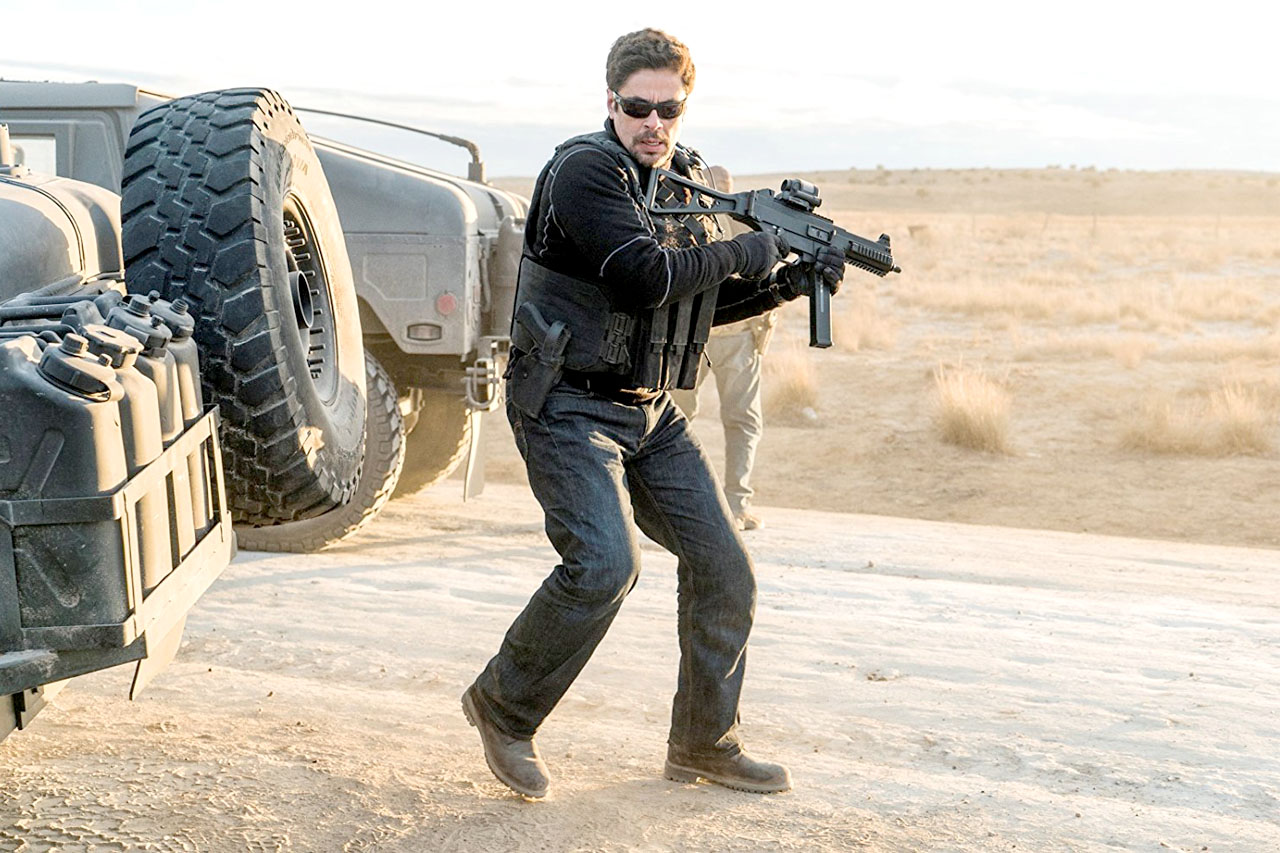
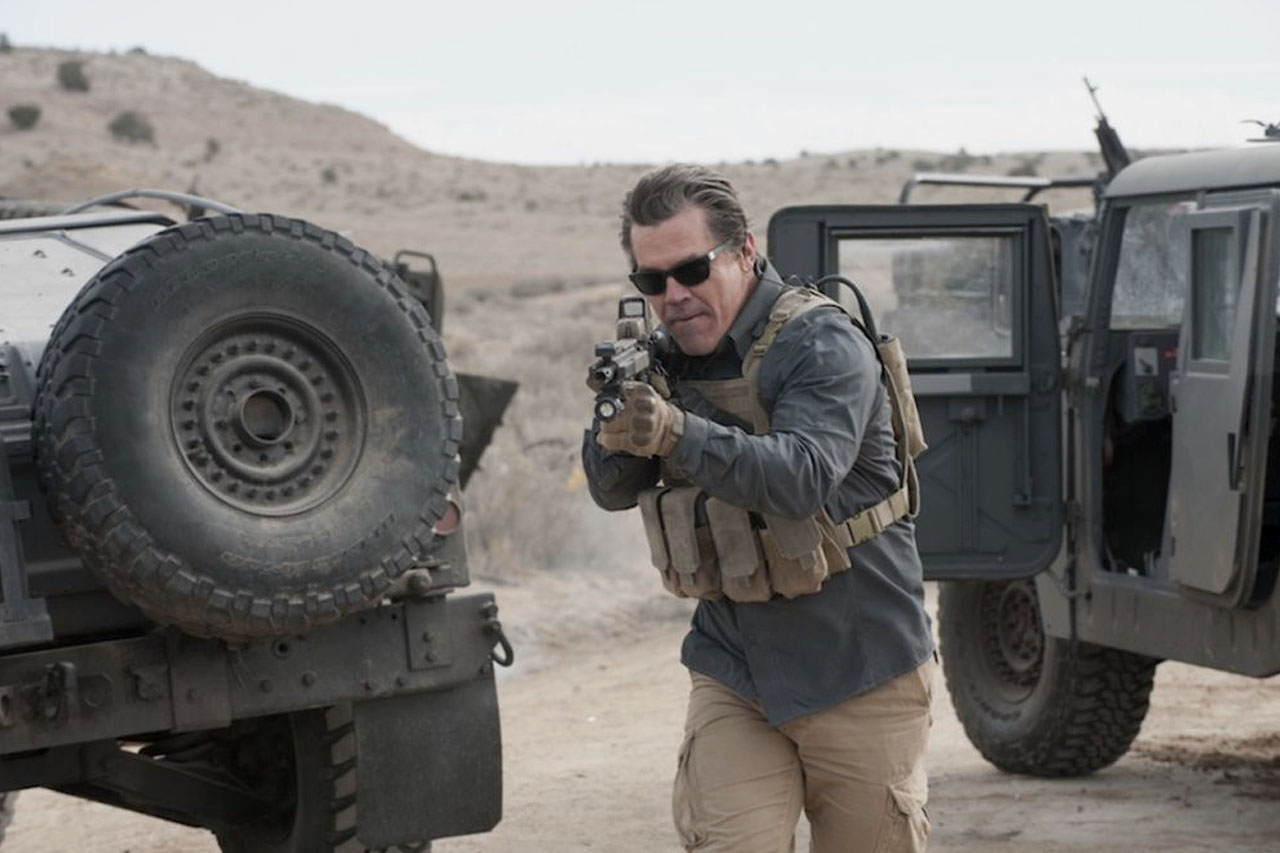
All pictures shown above were taken from promotional material and are copyright 2018 of Sony Pictures / Lionsgate / StudioCanal.
Dead Man’s Hand: Outlaws – Part 6
Another Wild West Wednesday casts its shadow and with the redskin shown here, only one member remains in Killer McMiller's gang of outlaws.
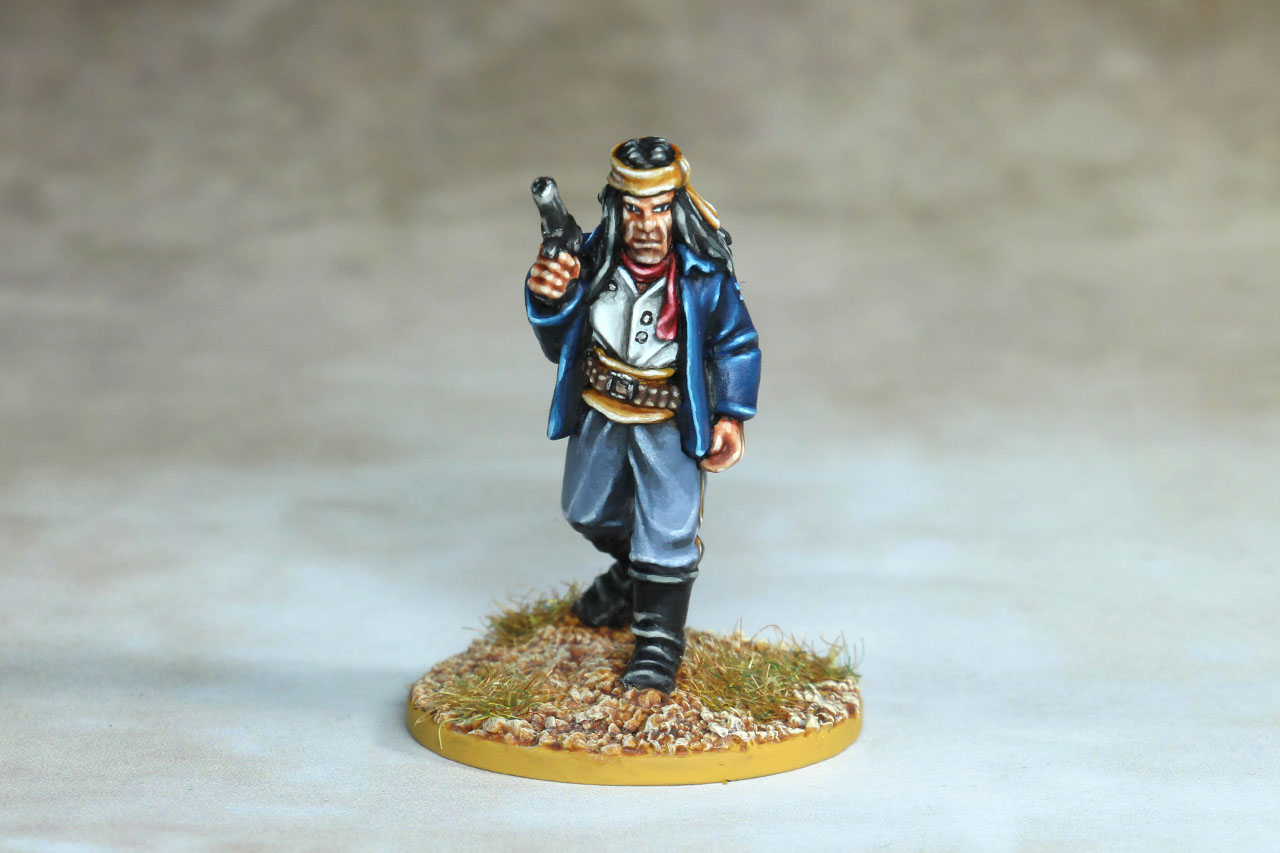
I've painted a Northern Union uniform for the first timewith this model, and the overall look of the model already urged to use this color combination. The pants were an experiment in this respect and I used Sombre Grey from Vallejo Game Color as the base color.
Gangs of Rome Civilian Mobs Secundus and Tertius
With the Blood on the Aventine starter just introduced on here, and my ancient SAGA with roman participants, I laid my eyes upon the extended range of Gangs of Rome. These cover beside the fighters several sets of civilians.
I wanted to buy all three of the Mobs, unfortunately the mob primus wasn't in stock that time, so I got "only" mob Secundus and Tertius. But I'll pick that one up on Crisis or so.
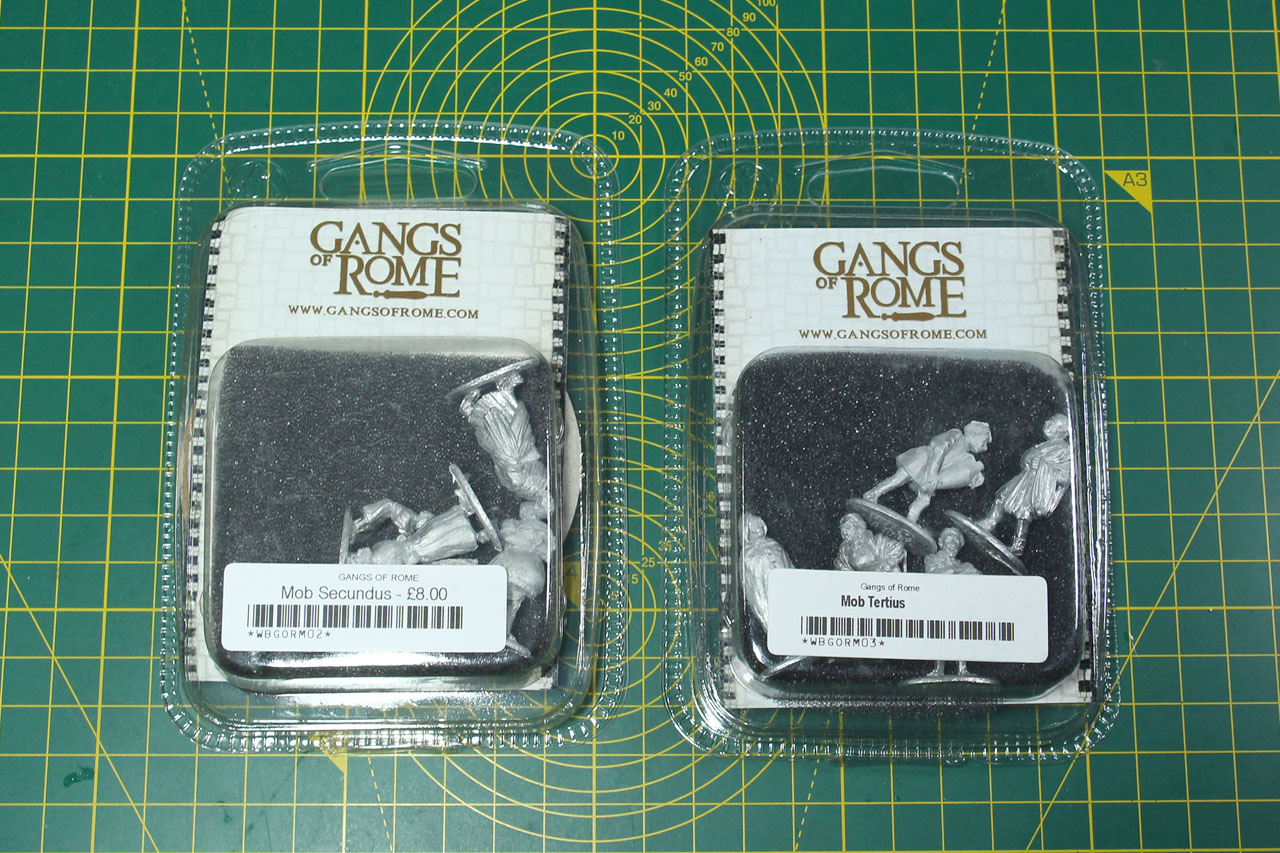
The blisters are 8 GBP each and cover 5 civilian miniatures, sculpted by Paul Hicks, along with five 25mm round base and one 80mm mob movement base. For some reason my Mob Tertius was missing its mob base.
Heer46 Carro Armato P43 Bis
Following the Krupp-Steyr Waffenträger from Tuesday, today we unpack and build the Armato P43 Bis by Heer46.
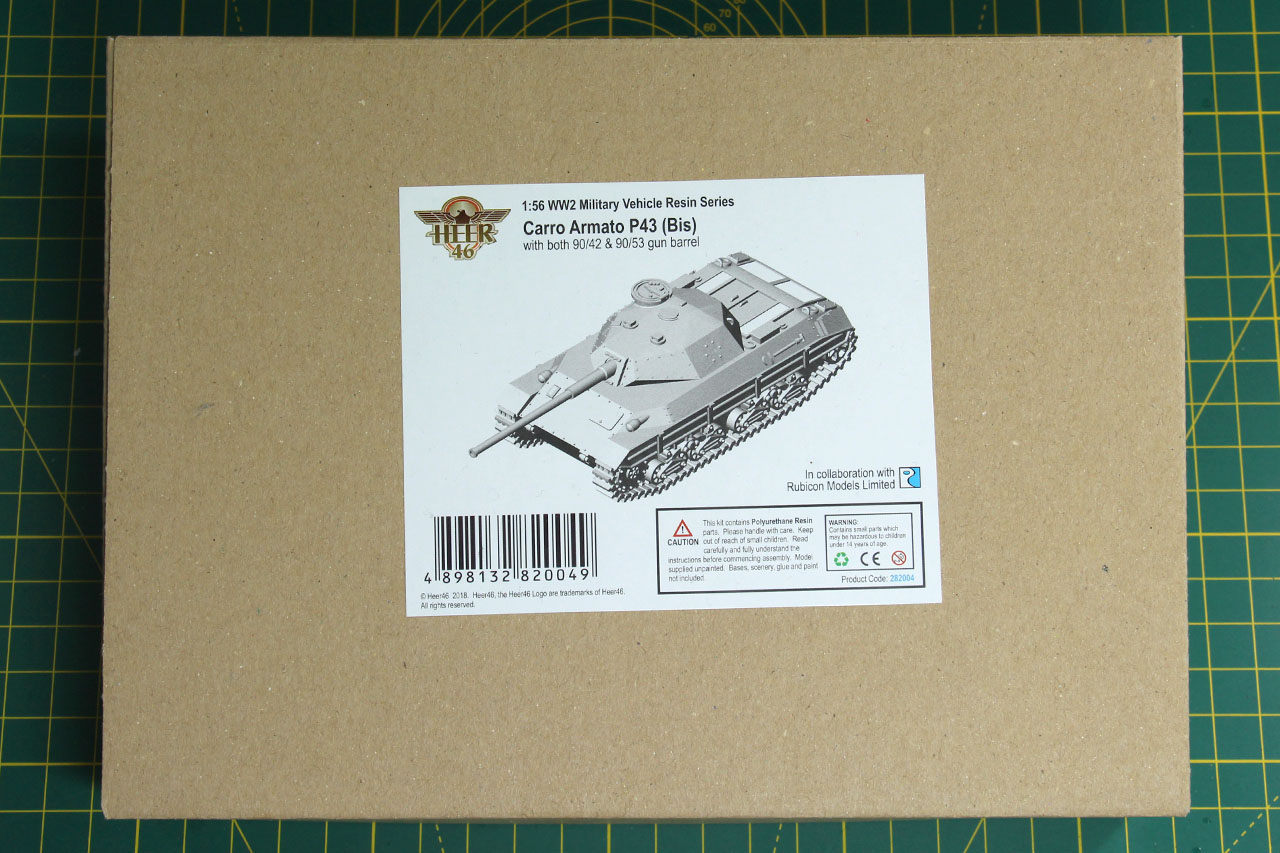
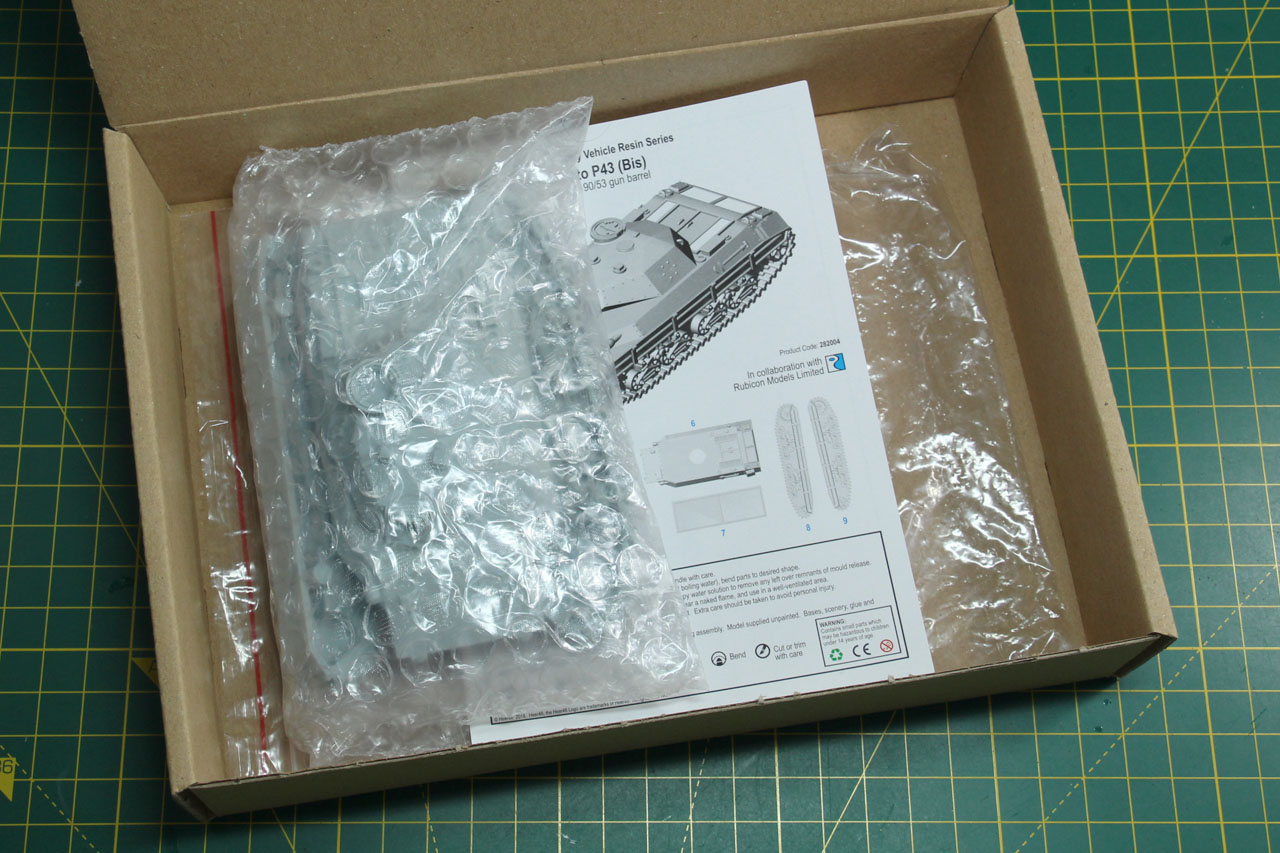
This is another tank from the resin series produced in cooperation with Rubicon Models. The Armato P43 was an Italian heavy tank that was developed by FIAT and Ansaldo, but never left the draft stage. The sources why the development stopped are not clear, some say the design was dropped in favour of the lighter P26/40 tank, but it is likely that the resources were just not available after the armistice of Italy with the Allies in 1943 and the Axis had other things valued higher than Italian tank development. Only two mock ups were build, but as mentioned before not further progressed. The tank was intended to weigh around 30 tons and have a 420-430 hp diesel V12 engine. The name Carro Armato P43 stands for armoured vehicle, P for pesante - Italian for heavy - and the number '43 most likely standing for the development year.
Dead Man’s Hand: Outlaws – Part 5
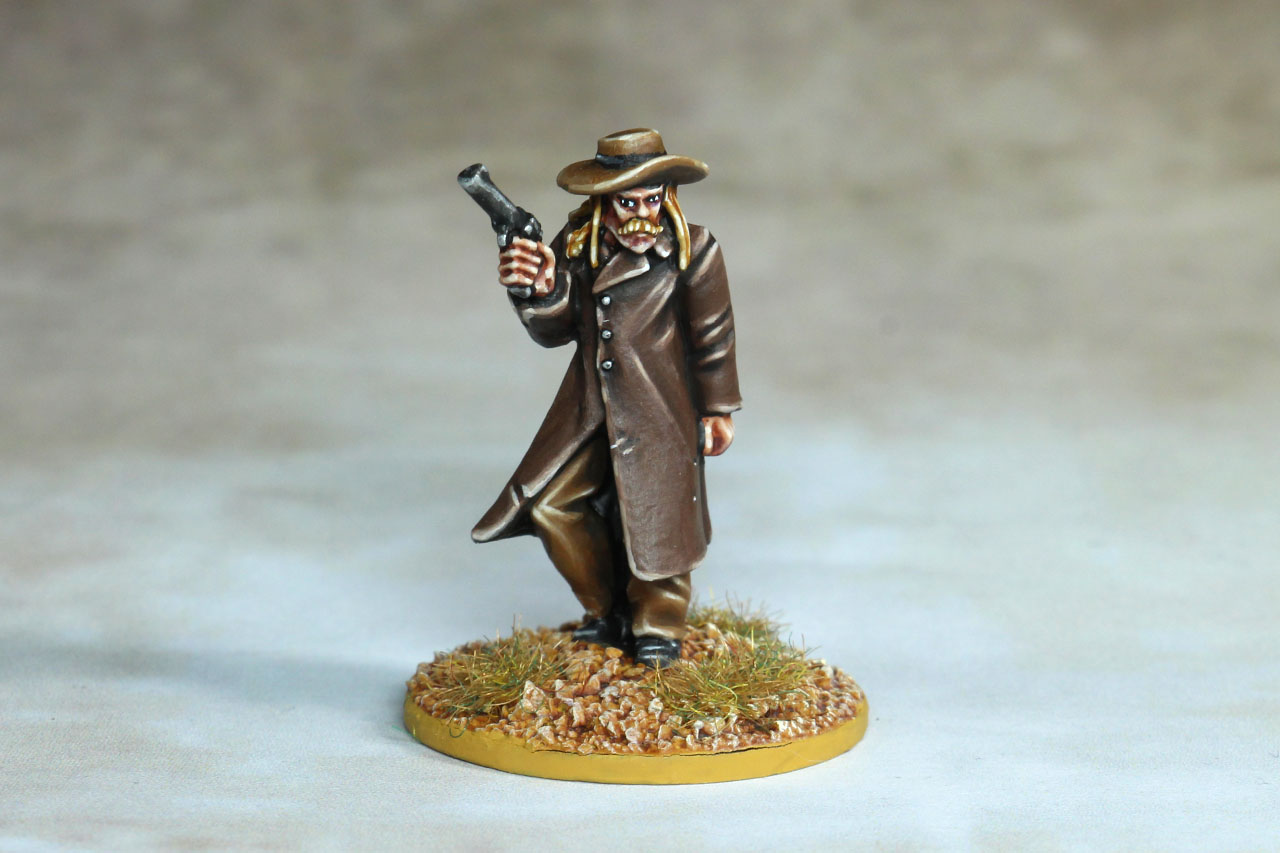
It's Wednesday, and this means it's time to introduce another member of my Outlaws for Dead Man's Hand. The McMiller brothers should all have a color-coordinated look to bring out their family bond. For the henchmen, on the other hand, I wanted them to look like a very different bunch, made up of very dissimilar characters.
"El Toro" was McMiller's right-hand, stoic and loyal. Weasel, on the other hand, should be of a completely different nature. The miniature from Artizan Designs had a wonderfully devious posture and I wanted to underline this with the paintjob.
Heer46 Krupp-Steyr Waffenträger
There is a new range of 1:56 scale resin kits produced by Heer46 in cooperation with Rubicon Models, as an addition to Rubicon extensive plastic range. One of the vehicles offered as part of this assortment is the Krupp-Steyr Waffenträger.
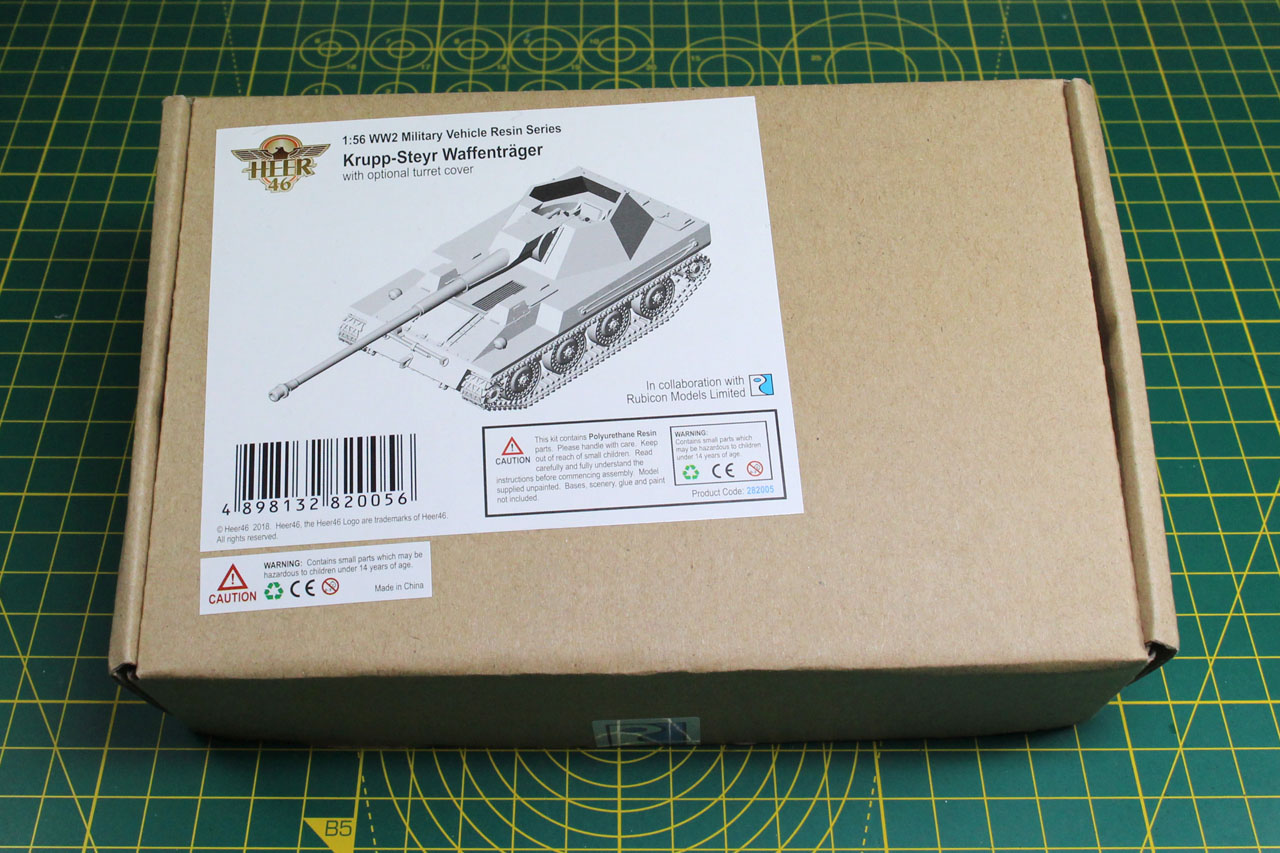
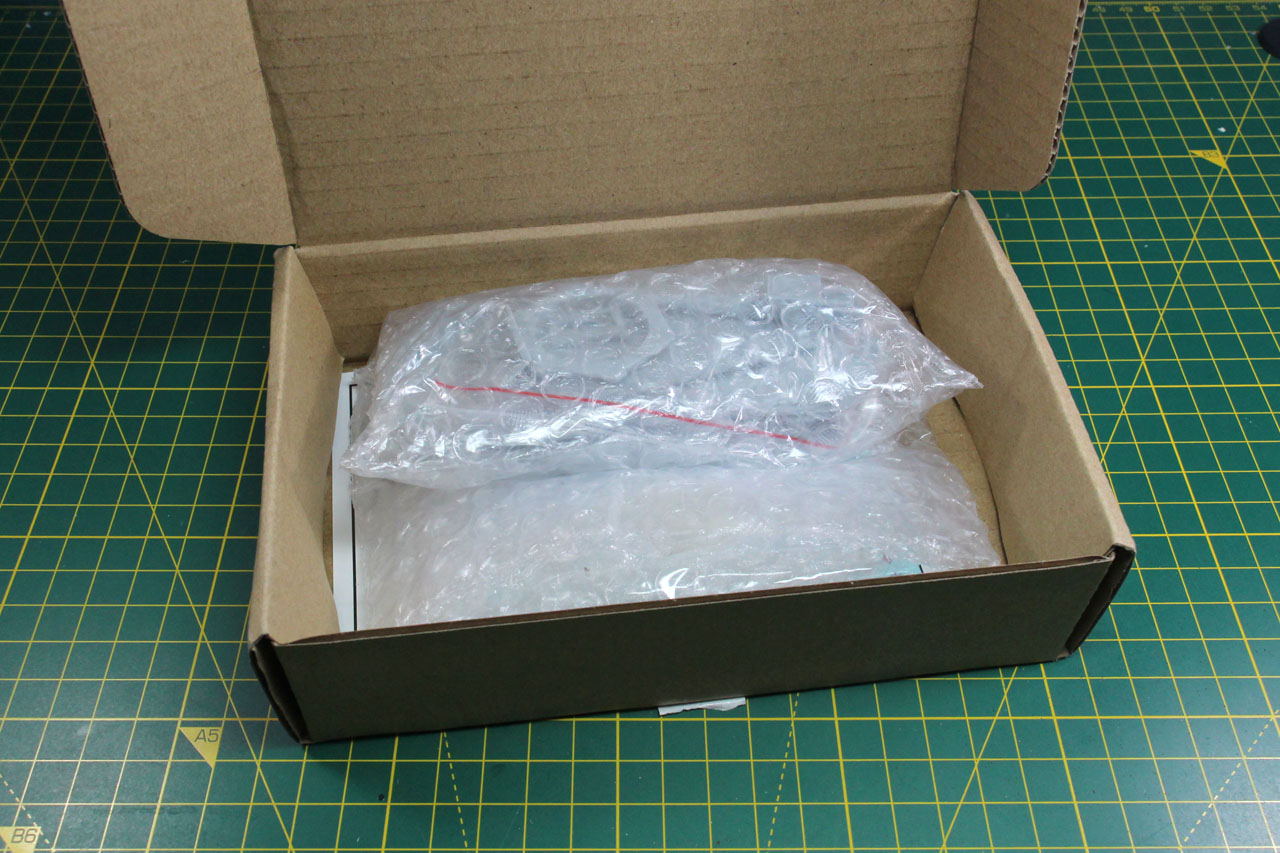
Among the several Waffenträger (and their blueprint / papertank / prototypes) the Krupp Steyr Waffenträger is one of the less known vehicles. And like many of his kind, this tank destroyer never actually saw service. Only a similar concept of this Waffenträger, known as the Ardelt project was produced and can be seen nowadays in the Kubinka tank museum in Russia. Two wooden models and one trial Waffenträger were produced in 1944, that had a chassis constructed by Steyr mainly using parts from the RSO (Raupenschlepper Ost), and armed with an 8,8 cm KwK 43. This was the base for the model we see here. Due to the turret, and in combination with a small mobile ramp, the firing arch of this Waffenträger was amazing versatile. As this is a rather special vehicle, there aren't that many further information available. Most may know the Waffenträger from games likes Warthunder or World of Tanks.
Like us on Facebook

Follow me on Instagram

Categories
- events (212)
- fantasy (611)
- General (162)
- historical (648)
- Little Big Adventures (4)
- offtopic (5)
- reviews (553)
- science fiction (714)
- showroom (108)
- terrain (119)
- Uncategorized (1)
- work-in-progress (423)